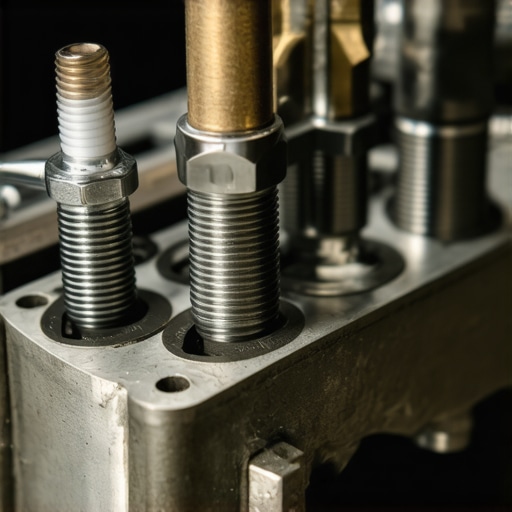
Elevating Your Vehicle Maintenance Strategy: The Modern Mechanics’ Playbook for 2026
As automotive technology continues to evolve at a rapid pace, the importance of sophisticated auto repair and comprehensive tune-up procedures becomes increasingly critical for ensuring optimal performance and longevity. Industry experts emphasize that a nuanced understanding of engine diagnostics, brake system intricacies, and mechanic proficiency can dramatically influence repair outcomes and vehicle safety in the coming years.
Advanced Diagnostic Techniques: Moving Beyond Standard Tune-Ups
How can mechanicians leverage digital tools to identify subtle engine inefficiencies that traditional methods overlook?
Modern diagnostic tools, such as OBD-II scan readers paired with proprietary software, facilitate real-time data collection, enabling technicians to detect anomalies like minor fuel trim deviations or sensor drifts. Incorporating these high-precision instruments enhances the accuracy of tune-ups, particularly as engines incorporate variable valve timing and direct injection systems, which necessitate specialized calibration procedures.
For a comprehensive guide on strategic tune-up operations, consult this expert resource.
Optimizing Brake System Servicing for Future-Ready Vehicles
What innovations in brake technology should mechanics prioritize to adapt to electric and hybrid vehicle demands?
Electric vehicles introduce regenerative braking systems that demand tailored maintenance approaches, including recalibration of electronics and sensors integral to brake performance. Experts recommend integrating digital caliper tests and fluid copper tests to gauge wear levels accurately and prevent premature failure. Additionally, adopting regenerative calibration protocols can prolong component life and enhance safety margins.
Reliable brake service strategies are vital for future-proofing vehicle safety systems and ensuring compliance with emerging standards.
The Mechanical Expert’s Repertoire: Precision, Efficiency, and Ethical Practice
Mechanics aiming for excellence must master a spectrum of skills—from micro-crack detection in brake lines to complex calibration of advanced engine control units. Emphasizing transparency and adherence to up-to-date repair standards fosters trust and reduces the risk of costly callbacks.
Is the current training curriculum sufficiently preparing technicians for the technical complexity of 2026 models?
Continuous professional development grounded in the latest automotive diagnostics and repair innovations remains essential. Industry journals such as SAE International provide cutting-edge insights that can help mechanics adapt swiftly to technological shifts.
Explore long-term mechanic strategies to cultivate expertise and maintain competitive advantage in an evolving field.
Harnessing Predictive Maintenance to Preempt Vehicle Failures
One of the most transformative trends in auto repair planning involves predictive maintenance, which leverages machine learning algorithms and telematics data to forecast component failures before they manifest visibly. By integrating sensors that monitor parameters such as brake pad thickness, fluid thermal properties, and engine vibration patterns, technicians can identify deterioration trends long before symptoms emerge, thereby reducing unexpected breakdowns and costly repairs.
Can predictive analytics revolutionize the way technicians approach vehicle servicing in 2026?
Absolutely. As outlined in industry analyses like those from top auto repair trends, embracing predictive maintenance tools positions service centers at the forefront of efficiency, safety, and customer satisfaction. This shift not only minimizes downtime but also extends the lifespan of crucial components, turning traditional reactive repairs into proactive solutions.
Implementing Advanced Calibration Techniques for Next-Generation Models
Modern vehicles, especially hybrids and electric models, require meticulous calibration of control modules to ensure optimal performance. Techniques like adaptive throttle calibration, dynamic sensor synchronization, and software-based torque adjustments are becoming standard practice. Mastery of these procedures demands both sophisticated diagnostic software and an understanding of complex calibration matrices, which can significantly impact drivability, fuel economy, and safety.
To deepen your calibration expertise, explore comprehensive tune-up strategies designed for advanced vehicles.
Why Are Comprehensive Test Protocols Non-Negotiable in 2026?
Across all repair processes, adopting multi-layered testing protocols is crucial. Dynamic pressure testing, ultrasonic crack detection, and digital load assessments help ensure that each component not only meets manufacturer standards but also withstands the demands of modern driving conditions. These protocols act as quality control filters that elevate repair quality and safeguard longevity.
Experts emphasize that meticulous testing is a cornerstone of ethical and effective auto repair—integral to building customer trust and adhering to evolving safety regulations. Consider reviewing long-term mechanic strategies for fostering technical excellence.
Hyper-Specialized Diagnostic Approaches for Today’s Complex Engines
As engines grow increasingly sophisticated, encompassing features like predictive ignition timing and adaptive fuel management, the significance of hyper-precise diagnostic strategies escalates. Advanced technicians now leverage machine learning-powered diagnostic platforms that analyze millions of data points to unearth hidden inefficiencies—detection that was impossible with traditional scopes. For instance, real-time combustion analysis using fiber optic sensors integrated with engine control modules allows for instant identification of misfires or combustion anomalies at a granular level. Embracing such cutting-edge tools enables a leap from reactive fixes towards predictive interventions, fundamentally transforming maintenance paradigms.
Revolutionizing Brake Calibration in Electric and Hybrid Vehicles
In the realm of electromagnetic braking systems and advanced sensor calibration, mechanics must adopt a nuanced understanding of regenerative braking’s impact on traditional brake components. For example, recalibrating pedal feel or adjusting brake software maps can maintain driver confidence and safety standards. Utilizing digital twin simulations enables pre-emptive testing of brake response scenarios, reducing trial-and-error in actual repairs. Moreover, integrating data analytics from telematics systems provides insights into energy recovery efficiency, informing maintenance schedules that optimize both safety and vehicle performance in the evolving landscape of electrified transit.
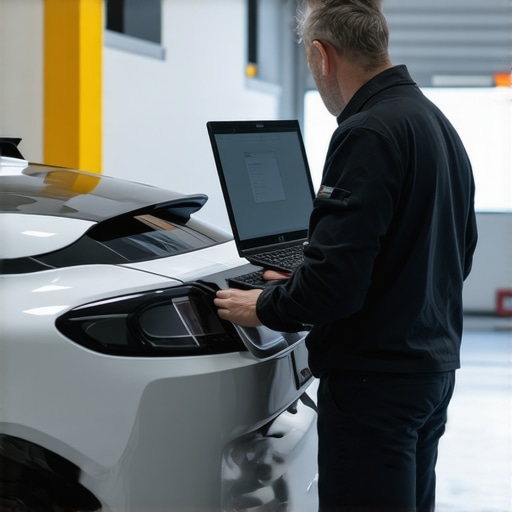
 Alt: Advanced brake calibration system for electric and hybrid vehicles, featuring digital interfaces and sensor adjustment tools.
Bridging Technician Education with Future-Forward Skills
The transition to complex vehicle architectures necessitates a reimagining of technician training programs. Adaptive learning modules that incorporate augmented reality (AR) overlays displaying calibration points and sensor alignment procedures drastically cut learning curves. Additionally, the integration of big data analytics into training curricula ensures technicians can interpret complex diagnostic outputs, fostering decision-making capabilities akin to seasoned experts. The adoption of such immersive and data-driven educational methodologies guarantees that repair professionals stay ahead in proficiency, ensuring optimal service quality for the new wave of automotive innovation.
What educational advancements are essential to prepare technicians for the ever-expanding intricacies of 2026 vehicle systems?
Impartial industry studies, such as those from the Society of Automotive Engineers (SAE), highlight the importance of continuous, technology-driven upskilling and certification renewal programs. They advocate for partnerships between automakers and technical institutes to develop standardized curricula that emphasize real-world applications of emerging diagnostic tools, calibration techniques, and predictive maintenance systems. For mechanics eager to deepen their expertise, engaging with resources like SAE’s online learning platforms or participating in manufacturer-backed training sessions provides critical, up-to-date insights.—explore SAE’s educational initiatives to discover tailored courses that align with your technical goals.
,
Harnessing Machine Learning for Predictive Diagnostics in Modern Vehicles
When traditional diagnostic methods reach their limits, machine learning emerges as a game-changer, enabling technicians to predict failures before symptoms manifest. By analyzing vast datasets from telematics and sensor arrays, advanced algorithms identify patterns indicative of imminent issues, such as early wear in hybrid battery packs or coil failures. Implementing these predictive models requires integrating cloud-connected diagnostic tools with robust data analytics platforms, transforming reactive repairs into proactive maintenance strategies.
Innovating Brake System Servicing with SMART Calibration Techniques
As electric and hybrid vehicles adopt regenerative braking systems, brake calibration must adapt accordingly. Engineers now develop smart calibration techniques, utilizing digital twin simulations and real-time sensor feedback to fine-tune braking responses precisely. These methods ensure seamless energy recovery and consistent pedal feel, even as hardware components evolve rapidly. Emphasizing calibration accuracy reduces brake wear and enhances safety under diverse driving conditions, setting a new standard for service excellence.
What role does augmented reality play in advanced technician training for 2026 vehicle systems?
Augmented reality (AR) revolutionizes technician education by overlaying interactive, step-by-step guidance directly onto vehicles during repair procedures. This immersive technology accelerates learning curves, minimizes errors, and fosters mastery of complex calibration and diagnostic tasks. According to recent industry reports, integrating AR into training modules enhances skill retention and confidence, ultimately leading to faster turnaround times and superior service quality. Exploring AR applications now positions your shop at the frontier of automotive expertise.
For detailed insights on implementing AR in your training programs, visit SAE’s AR educational initiatives.
Embedding Cybersecurity Measures within Vehicle Repair Protocols
The increasing connectivity of vehicles introduces cybersecurity risks that technicians must now consider. From safeguarding diagnostic interfaces against unauthorized access to ensuring firmware updates do not compromise system integrity, comprehensive cybersecurity protocols are vital. Establishing secure data transmission channels and regularly updating software defenses protect both the technician’s workspace and the vehicle’s operational safety, preventing malicious intrusions during sensitive calibration or repair processes.
Maximizing Efficiency with Modular Repair Systems
Traditional repair workflows often involve disassembly of entire assemblies, leading to longer downtimes and increased costs. Modular repair systems allow technicians to replace or calibrate only the affected components, such as individual sensors or actuators, without disturbing the entire system. Investing in modular tools, training staff on quick swapping techniques, and establishing standardized procedures can dramatically boost productivity while maintaining high-quality outcomes.
How can integrating virtual reality simulations enhance diagnostic accuracy for complex engine controls?
Virtual reality (VR) simulations offer immersive environments where technicians can interact with digital replicas of engine control systems. These simulations allow in-depth exploration of sensor interactions, control module behaviors, and failure scenarios, fostering an intuitive understanding that accelerates diagnostic accuracy. As detailed in industry analyses, VR training not only refines troubleshooting skills but also prepares technicians for emerging complexities in next-generation engines, ensuring they remain at the forefront of technical proficiency.
Expert Insights & Advanced Considerations
Stay Ahead with Predictive Maintenance Strategies
Implementing machine learning algorithms and telematics data can revolutionize vehicle servicing, allowing technicians to forecast failures proactively, reducing downtime and repair costs. Embracing this tech-driven approach ensures your service shop remains competitive in the evolving automotive landscape.
Calibrate with Confidence Using Digital Twins
Utilizing digital twin simulations for brake and engine calibration allows for preemptive adjustments, minimizing errors and optimizing performance. This high-fidelity modeling accelerates repair workflows and enhances safety measures, positioning your team at the industry forefront.
Adopt Augmented Reality for Technician Training
AR overlays provide immersive, step-by-step repair guidance, shortening the learning curve and reducing mistakes during complex diagnostics and calibrations. Incorporating AR into training programs can elevate your workforce’s expertise rapidly.
Prioritize Cybersecurity to Protect Vehicle Data
With increasing connectivity, safeguarding diagnostic interfaces against unauthorized access is crucial. Developing comprehensive cybersecurity protocols ensures vehicle and customer data integrity, building trust and meeting regulatory standards.
Curated Expert Resources
- SAE International – Offers cutting-edge research and certification programs focusing on automotive technology and diagnostics, essential for continuous professional development.
- AutoTech Future Journal – Features the latest advancements in predictive maintenance, sensor technology, and calibration techniques that are shaping the industry.
- Automotive Cybersecurity Consortium – Provides guidelines and tools for securing connected vehicle systems, safeguarding against emerging digital threats.
Final Perspective from Industry Leaders
As automotive repair evolves toward a future deeply integrated with AI, digital twins, and cybersecurity, mastering these advanced concepts becomes vital for professionals aiming for excellence. The keys to thriving in 2026 involve embracing predictive analytics, harnessing immersive training technologies, and safeguarding connected systems. The challenge lies in continuous learning and adaptation—your proactive approach today sets the stage for your success tomorrow. Ready to elevate your skills? Engage with advanced training programs, contribute insights to industry discussions, and participate in forums dedicated to the future of automotive repair.
http://James%20Robertson
This post offers a comprehensive overview of the future skills required for automotive technicians, especially with the rapid tech advancements expected by 2026. I’ve personally noticed that integrating digital tools like predictive maintenance sensors and calibration software has drastically improved repair accuracy in my shop. It’s fascinating how digital twin simulations can preemptively identify potential faults, which really minimizes downtime and enhances safety. One challenge I foresee is keeping up with the constant influx of new diagnostic hardware and software—training and continuous learning seem more critical than ever. I’m curious, how have other shops managed ongoing education in this fast-paced environment? Do you find manufacturer-led courses more effective than independent training programs? I believe that embracing AR for training and diagnostics can be a game changer, but it still feels like something that’s just starting to take hold. It would be great to hear experiences on how AR has impacted diagnostic accuracy or workflow efficiency firsthand.