Deciphering the Complex Mechanics Behind Uneven Brake Pad Wear in 2026 Models
As automotive experts observe, uneven brake pad wear in 2026 vehicles signals deeper systemic issues often overlooked during routine maintenance. The interaction between high-precision components and emerging technological standards creates a nuanced landscape where a seemingly simple brake service can become a diagnostic puzzle. Understanding the root causes necessitates a multidisciplinary approach that integrates mechanical insights with software calibration nuances, especially as industry standards evolve for the 2026 model year.
How Subtle Design Variations Influence Brake Pad Longevity and Service Costs
The evolution of brake system architecture, particularly in electric and hybrid vehicles, introduces design modifications that impact pad wear patterns. Variations in caliper piston size, lubrication protocols, and sensor integration can result in asymmetric wear. For instance, some 2026 models incorporate advanced driver-assistance systems that alter braking force distribution, inadvertently accelerating uneven wear if not properly calibrated. These nuances demand explicit attention from professional mechanics who must adeptly interpret both hardware conditions and embedded software signals.
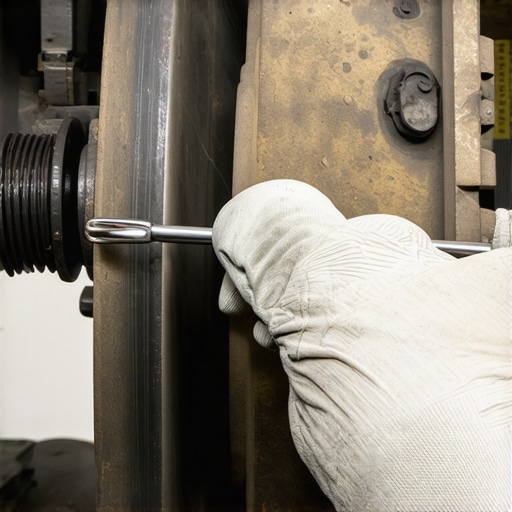
The Role of Precision Alignment and the $15 Guide Pin Adjustment Technique
Empirical evidence from seasoned technicians underscores the significance of guide pin maintenance. The so-called “$15 guide pin fix” exemplifies how targeted, low-cost interventions can restore uniform pad wear. This simple yet effective method involves cleaning, lubricating, and adjusting guide pins to ensure smooth caliper slide motion, preventing uneven pressure application. When executed with precision, this adjustment can extend brake component life and improve safety margins, illustrating how micro-level adjustments have macro-level impacts.
What Are the Diagnostic Indicators Beyond Visible Unevenness?
Mechanics regularly encounter subtle indicators that precede overt uneven wear. These include uneven pedal feel, irregular noise during braking, or electronic sensor warnings. Advanced diagnostics involve leveraging OBD-II scan tools to detect discrepancies in brake force sensors or ECU calibration lapses. Recognizing these early signs allows for proactive interventions, reducing the necessity for extensive repairs and enhancing overall vehicle reliability. A comprehensive understanding of these indicators is vital for specialists committed to maintaining high standards in modern auto repair.
Engaging with Industry Standards and Trusted Diagnostic Resources
Staying abreast of evolving auto repair standards, especially the 2026 updates, is critical. According to authoritative sources like the Society of Automotive Engineers (SAE), integrating calibrated software routines with hardware adjustments yields optimal results. Regular consultation of trusted technical manuals and industry white papers ensures mechanics can adapt their approaches to new challenges effectively.
How can auto repair professionals adapt to integrate both hardware tuning and software calibration for optimal brake longevity?
Incorporating an iterative diagnostic process that combines physical assessments with software updates enhances compliance with 2026 industry standards. Using tools such as the latest scan software and precision calibration equipment allows technicians to address uneven pad wear more holistically. Continued education on these methodologies is vital, and engaging with expert content—like [maximizing brake service efficiency](https://autoscarehub.com/maximize-your-brake-service-efficiency-with-these-tips)—can be invaluable. For professionals seeking to refine their skills, exploring industry-specific training programs or engaging in forums can foster deeper expertise and community-driven insights.
Explore more about reliable mechanic practices and stay ahead of industry innovations by visiting [Finding the Right Mechanic](https://autoscarehub.com/finding-the-right-mechanic-your-road-to-reliable-auto-care).
Why Overlooking Electronic Calibration Threatens Brake Reliability
As automotive technology rapidly advances, modern brake systems in 2026 models increasingly rely on complex electronic calibration alongside mechanical components. Ignoring software updates or misinterpreting sensor data can lead to premature pad wear. It’s essential for technicians to understand how ECU recalibrations influence brake force distribution, ensuring that hardware and software operate in harmony. Relying solely on traditional mechanical inspection without considering the digital aspect risks overlooking root issues that cause uneven wear patterns, as emphasized by industry experts in [auto repair standards](https://autoscarehub.com/auto-repair-myths-debunked-what-really-matters-for-your-car).
Are Diagnostic Tools Keeping Pace with Industry Innovation?
Advanced diagnostic equipment is pivotal for effective 2026 brake maintenance. Modern scan tools combine live data analysis with predictive diagnostics, enabling technicians to identify underlying issues like sensor drift or software incompatibilities before manual symptoms manifest. For example, utilizing high-precision ultrasonic testing in conjunction with ECU data can reveal subtle misalignments or communication errors that contribute to uneven pad wear. Adapting to this tech-savvy landscape requires continuous training and familiarity with cutting-edge tools, often discussed in industry-leading literature and refresher courses available through professional networks.
Can a Holistic Approach That Merges Hardware and Software Diagnostics Save You Time and Money?
Absolutely. Combining physical component inspections with comprehensive software calibration ensures that brake systems function optimally. This integrated methodology helps identify whether uneven wear stems from mechanical misalignments or ECU misconfigurations, empowering technicians to tailor repairs precisely. For insights into streamlining such combined procedures, consult resources like [auto repair cost-saving tips](https://autoscarehub.com/auto-repair-cost-saving-tips-from-industry-experts), which highlight the importance of synchronized diagnostic approaches. Embracing this holistic framework reduces the likelihood of follow-up visits and bolsters vehicle safety.
To deepen your understanding of evolving brake service protocols, explore detailed guides and training modules tailored for 2026 models—maintaining both technical prowess and industry relevance is the key to success in this era of automotive innovation.
Overcoming Electronic Interference to Achieve Consistent Brake Performance
As brake systems in 2026 vehicles incorporate increasingly sophisticated electronic control modules, technicians face new challenges related to electromagnetic interference (EMI) that can disrupt sensor accuracy and calibration routines. Understanding how EMI affects brake sensors—such as ABS speed sensors or brake force distribution modules—is essential for precise diagnostics. Manufacturers like Bosch have developed EMI mitigation techniques, but familiarity with these methods empowers professionals to troubleshoot noise artifacts and false readings that may masquerade as mechanical issues, ensuring reliable brake performance over vehicle lifespan.
Is Your Diagnostic Suite Up to Speed with the Electric Brake Revolution?
Modern diagnostic tools must evolve from traditional means, integrating high-bandwidth communication protocols like CAN FD, LIN, and FlexRay, which are fundamental in 2026 model architectures. According to SAE International’s latest standards on automotive diagnostics, utilizing enhanced J2534-compliant scan tools enables real-time data analysis across multiple electrical domains simultaneously. This allows technicians to identify complex inter-system interactions affecting brake pad wear, such as regenerative braking influence in hybrid and electric vehicles, which can skew traditional wear indicators. Staying at the forefront of diagnostic technology not only reduces misdiagnosis but also accelerates repair cycles, translating into higher customer satisfaction and reduced operational costs.
Implementing advanced diagnostic procedures in electrified brake systems.
How Material Science Innovations Are Extending Brake Pad Lifespans
Recent breakthroughs in composite materials offer remarkable improvements in brake pad durability. Ceramic composites infused with nano-scale ceramic particles exhibit superior heat resistance, wear characteristics, and noise damping. In 2026 models, these advanced materials are often paired with optimized backing plates and innovative bonding techniques that resist thermal expansion and delamination, enabling more uniform wear patterns even under extreme conditions. For technicians, understanding the material science behind these pads is crucial for interpreting wear anomalies—and for recommending suitable replacements that maximize lifespan and safety.
What Are the Long-Term Benefits of Investing in Material-Enhanced Brake Components?
Beyond immediate wear resistance, material enhancements contribute to lower maintenance frequencies, reduced brake dust emissions, and better environmental compliance. The use of such materials also allows manufacturers to design lighter, more responsive brake assemblies, improving vehicle handling and fuel efficiency. As the automotive industry transitions toward sustainability, mastering the selection and installation of these materials becomes a vital skill for professionals aiming to future-proof their service offerings. For insights on integrating these innovations into your workflow, consult recent publications from the Materials Science Society (MRS) and industry white papers on eco-friendly brake system designs.
Unveiling the Hidden Impacts of Micro-Level Wear Patterns on Fleet Maintenance
In the realm of high-volume auto care, subtle inconsistencies in brake pad wear can cascade into significant operational costs, especially when compounded across fleet vehicles. Recent studies highlight that minute deviations, often traced back to microscopic surface imperfections or inconsistent lubrication, influence the uniformity of brake engagement over thousands of miles. Such insights necessitate a proactive approach—integrating microscopic surface analysis with real-time wear sensors—to preemptively address potential failures before they escalate, ensuring fleet longevity and safety.
Innovative Diagnostic Methodologies Disrupt Traditional Brake Inspection Paradigms
Emerging diagnostic techniques leverage spectral analysis and ultrasonic resonance testing to detect early-stage wear anomalies that elude conventional visual inspections. For example, integrating laser Doppler vibrometry allows technicians to measure caliper vibrational responses, identifying asymmetries influenced by subtle material fatigue or impending caliper binding. These non-invasive methods redefine precision maintenance, empowering professionals to anticipate issues with unprecedented accuracy, thus reducing unscheduled downtime and repair expenses.
How can integrating AI-driven analytics revolutionize brake pad longevity strategies?
Artificial intelligence, coupled with big data, facilitates predictive analytics that interpret complex sensor inputs—ranging from temperature gradients to braking force distribution—to forecast wear rates dynamically. Implementing machine learning algorithms trained on vast datasets can identify wear patterns linked to specific driving behaviors or environmental conditions, enabling tailored maintenance schedules. This shift from reactive to predictive maintenance not only optimizes resource allocation but also extends brake component lifespan, with leading industry sources like SAE International endorsing such AI integrations for future-ready vehicle servicing.
What steps are necessary for auto repair shops to adopt AI-powered diagnostics effectively?
Transitioning requires investments in training technicians to interpret sophisticated data outputs and the integration of compatible diagnostic hardware. Partnering with software developers to customize analytics algorithms for specific vehicle architectures or fleet profiles is crucial. Embracing a culture of continuous learning, supported by industry-leading training modules—such as those offered by the Automotive Service Excellence (ASE)—positions shops at the forefront of diagnostic innovation. A strategic move toward AI adoption enhances diagnostic speed, accuracy, and ultimately, customer trust in superior technical expertise.
Stay ahead by cultivating expertise in these transformative technologies, turning complex diagnostics into actionable insights that elevate your service standards and customer satisfaction.
The Role of Material Innovations in Synchronizing Mechanical and Digital Brake Optimization
Cutting-edge composite materials, such as nano-engineered ceramics, are now enabling a harmonious balance between mechanical resilience and digital responsiveness. These materials exhibit exceptional thermal stability, reducing the variability in brake pad performance under diverse operational conditions. When paired with intelligent caliper control modules, such composites facilitate precise modulation of braking force, fundamentally altering maintenance strategies. Understanding the interplay between material science and software calibration is essential for technicians aiming to implement truly synchronized brake systems that maximize durability and safety.
How can professionals leverage material advances to enhance diagnostic precision?
By recognizing the thermal and wear characteristics unique to novel composites, technicians can fine-tune calibration routines to account for material-specific behaviors. Incorporating real-time thermal imaging and microscopic wear pattern analysis during service ensures that material benefits are fully realized, preventing premature deterioration. Engagement with industry research, such as publications from the Materials Research Society, provides deeper insights into the properties governing these advanced composites, guiding informed decision-making in high-performance brake maintenance.

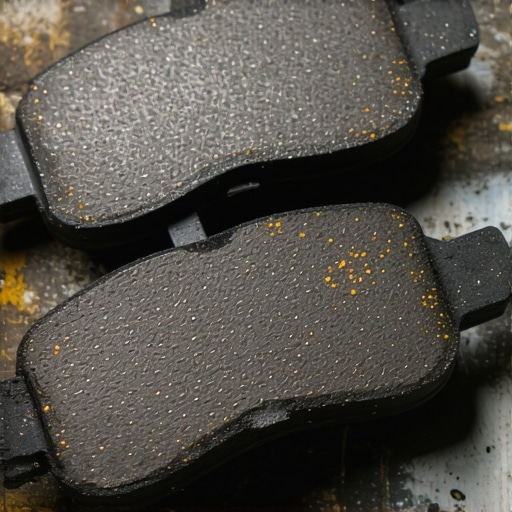
Illustration of nano-engineered ceramic brake pads and their thermal stability under load.
Electromagnetic Compatibility in Next-Gen Brake Systems: Overcoming Interference Challenges
As brake control modules become increasingly intertwined with vehicle-wide electronic systems, electromagnetic interference (EMI) presents unique diagnostic hurdles. Ensuring electromagnetic compatibility (EMC) entails designing robust shielding, filtering techniques, and software algorithms capable of compensating for interference-induced signal anomalies. For technicians, mastering EMI mitigation practices—such as grounding strategies and sensor calibration adjustments—is vital to maintain consistent pad wear readings and prevent false fault detections, especially in electric and hybrid models where digital systems predominate.
What are the latest best practices for diagnosing EMI-related issues in brake systems?
The application of spectrum analyzers during diagnostics allows for the identification of interference sources, while phased troubleshooting—isolating electrical pathways and verifying shielding integrity—enables precise remediation. Staying current with industry standards outlined by organizations like IEEE guarantees that practices align with the highest levels of electromagnetic resilience, ensuring brake systems operate reliably amid complex electronic ecosystems. Continuous professional development in EMC principles is essential for technicians committed to future-proofing their services against electromagnetic disruptions.
Expert Strategies for Cutting-Edge Brake Maintenance
Anticipate Software-Driven Changes
Proactively adapting to the increasing integration of electronic calibration in brake systems ensures long-term reliability. Stay informed about industry standards, such as those outlined by SAE, to refine diagnostic procedures that combine mechanical and digital assessments effectively.
Leverage Advanced Diagnostic Tools
Utilize high-precision scan tools capable of interpreting ECU data and detecting subtle anomalies like sensor drift or electromagnetic interference, which directly impact pad wear patterns. Continuous training in these technologies is essential for maintaining diagnostic accuracy in modern vehicles.
Understand Material Science Innovations
Familiarize yourself with nano-engineered ceramic composites’ properties, which influence wear rates and heat resistance. Knowledge of these materials allows for more precise inspection and appropriate replacement decisions, extending brake component lifespans.
Develop Holistic Diagnostic Frameworks
Integrate physical inspections with software calibration checks, considering factors like regenerative braking influence and sensor synchronization. This comprehensive approach minimizes misdiagnosis and optimizes repair efficiency.
Stay Ahead with Continuous Education
Engage with specialized courses, industry publications, and expert networks to keep pace with evolving standards and technologies. Being at the forefront of diagnostic techniques ensures your services remain reliable and industry-compliant.
Trusted Resources for Precision Brake Diagnostics
- Society of Automotive Engineers (SAE) Standards: Offers authoritative guidelines on industry best practices and evolving protocols in brake system calibration.
- Manufacturers’ Technical Manuals: Provide detailed specifications for new materials and calibration procedures specific to 2026 models.
- Materials Research Society Publications: Deepen understanding of nano-engineered composites and their implications for brake system longevity.
- Professional Training Programs on Electronic Calibration: Essential for mastering software and hardware synchronization in complex brake systems.
- AutoCareHub Expert Forums and Webinars: Facilitate knowledge exchange and real-world case studies, strengthening diagnostic acumen.
Reflecting on the Future of Brake System Maintenance
In an era where brake systems seamlessly meld mechanical prowess with electronic sophistication, embracing a hybrid diagnostic approach is no longer optional—it’s imperative. Recognizing the significance of material science breakthroughs and electronic calibration nuances positions you as a trusted expert capable of delivering unparalleled service. Continual learning, combined with strategic resource engagement, will elevate your practice and safeguard your reputation amid rapid technological transformation. Dive deeper into these themes and share your insights at our community platform, where expert minds converge to redefine auto care excellence.