Elevating Automotive Maintenance Through Precision Calibration
In the realm of professional auto repair, especially concerning brake service and engine tune-ups, the importance of precise component alignment and calibration cannot be overstated. Advances in vehicle technology, such as smart braking systems and electronic engine controls, necessitate a nuanced understanding of how even subtle misalignments—like improper hub-to-rotor indexing—can compromise safety, performance, and longevity. For mechanics committed to excellence, integrating a thorough grasp of these principles is vital for delivering expert-level service that withstands scrutiny and fosters customer trust.
The Intersection of Mechanical Precision and Digital Diagnostics
How Does Hub-to-Rotor Indexing Impact Brake System Reliability?
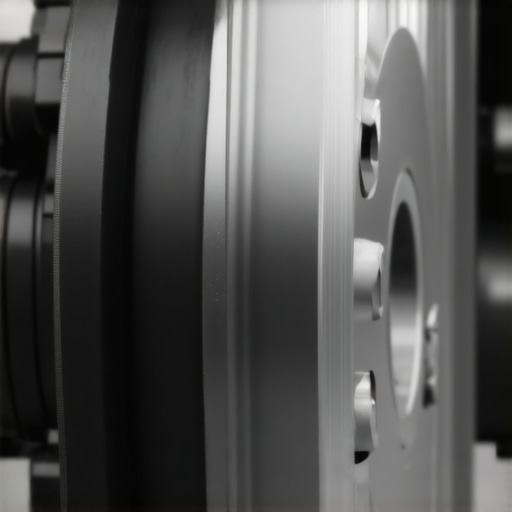
Proper hub-to-rotor indexing ensures that brake rotors are perfectly aligned with the wheel hubs, facilitating even wear, optimal caliper operation, and consistent braking force. When this process is overlooked or incorrectly performed, it can lead to persistent groaning noises—often misinterpreted as pad wear issues—vibrations, and premature component fatigue. In the context of 2026 vehicle models incorporating sensor-based braking, such misalignments may also trigger false fault codes, complicating diagnostics and potentially leading to unnecessary part replacements. For a deep dive into best practices, consult the comprehensive strategies outlined in Brake Maintenance Hacks.
Understanding the Mechanical Underpinnings of Modern Brake Groan Phenomena
Brake groan, particularly following pad replacement, often signals issues beyond mere pad quality, encompassing hub-to-rotor interaction and seal lubrication. A misaligned rotor may induce uneven pad contact, leading to vibrations that propagate as groans. Mechanics must consider the condition of hub bearings, rotor surface finish, and the application of anti-vibration compounds to mitigate such noise. Moreover, the advent of composite rotors with intricate cooling channels demands meticulous alignment to prevent localized warping and noise, underscoring the need for advanced diagnostic tools and calibration techniques.
Integrating Precision in Engine Tune-Ups for Sustained Performance
While brake systems demand exact mechanical alignment, engine tune-ups hinge on the proper calibration of sensors, fuel delivery, and ignition timing. In 2026 vehicles, emerging complexities such as variable valve timing and direct injection systems require the technician’s familiarity with a broad array of diagnostic data and calibration procedures. Neglecting such details can lead to issues like engine hesitation or surges, which mimic simpler problems but stem from underlying sensor misreads or software misalignments. Regularly updating knowledge through industry-leading guides ensures that repair work reflects the highest standards of expertise, as discussed in Auto Repair Myths Debunked.
Why Do Certain Brake Noises Persist Despite Replacement?
Persistent brake noises, especially squeal or groan after pad replacement, often highlight overlooked facets such as improper piston retraction, inadequate lubrication of slide pins, or insufficient anti-rattle clips. The root cause frequently lies in the nuances of component assembly—an area where expert technicians excel. For example, neglecting to perform a piston retraction check using specialized tools can result in uneven pad contact and noise issues. Engaging in meticulous procedures not only extends component lifespan but also consolidates customer confidence in your technical proficiency.
What Are the Risks of Ignoring Diagnostic Precision in Complex Brake and Engine Repairs?
Skipping detailed diagnostic procedures and relying on superficial fixes risks re-emergence of problems, increased repair costs, and potential safety hazards. As vehicle systems evolve into integrated electronic modules, expert mechanics must harness sophisticated diagnostic equipment to interpret ghost codes and sensor data accurately. Maintaining rigorous calibration and indexing standards differentiates seasoned professionals from amateurs, ensuring that every repair addresses the root cause rather than superficial symptoms.
For further insights into cutting-edge diagnostic techniques and calibration standards, explore Auto Repair Trends 2025. Your contribution to the collective expertise fortifies industry standards and elevates the craft of auto repair.
Refining Sensor Calibration for Ultimate Safety and Performance
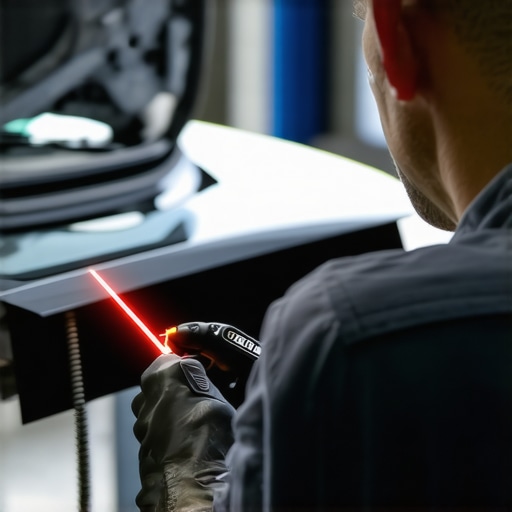
In the realm of modern auto repair, sensor calibration extends beyond routine procedures, becoming a critical factor in ensuring that advanced driver-assistance systems (ADAS) and electronic stability controls operate flawlessly. As vehicle manufacturers push innovations like adaptive braking and automatic load balancing, technicians must employ precise calibration techniques—such as laser-based alignment and software handshake protocols—to prevent false fault reporting and guarantee safety. Neglecting these subtle calibration nuances may compromise braking response times and even trigger unintended system activations, threatening driver confidence. For sophisticated calibration protocols, visit Brake Pad Swap and Indexing.
Why Do Small Misalignments Trigger Big Safety Concerns in Next-Gen Brakes?
Even minor misalignments—like slightly off hub-to-rotor positioning—can cascade into significant safety issues, especially in vehicles equipped with electronic braking assist. When sensors interpret uneven contact patches as system faults, they may activate emergency braking or disable certain features, diminishing vehicle safety. Expert technicians understand that meticulous attention to component indexing, coupled with advanced diagnostic tools, is essential to confirm system integrity. According to industry insights from Finding the Right Mechanic, ongoing calibration and validation are fundamental in maintaining the high standards demanded by contemporary safety systems.
Could Overlooking Calibration Lead to the Next Major Recall?
Failing to perform comprehensive calibration and indexing procedures can result in undetected misalignments that compromise vehicle safety and performance, ultimately contributing to recall scenarios and increased reputational risk. As manufacturers incorporate software-driven diagnostics, the importance of understanding complex calibration sequences—such as mapping sensor coordinates and executing handshake protocols—becomes evident. Experts emphasize that continuous education on evolving calibration techniques is vital for maintaining industry standards and ensuring long-term vehicle reliability. To stay ahead of these challenges, consider consulting Auto Repair Trends 2025.
Engage with a community of seasoned professionals by sharing your calibration experiences or querying specific challenges you face during brake and engine system updates. Collective insights foster innovation and elevate repair quality across the industry.
,
Leveraging Advanced Calibration Techniques to Prevent System Failures
In the rapidly evolving landscape of automotive technology, traditional mechanical alignments are no longer sufficient. Mechanics must now harness state-of-the-art calibration tools that utilize laser alignment, encoded communication protocols, and real-time data analysis. These techniques ensure that sensors, actuators, and electronic control units (ECUs) are synchronized with pinpoint accuracy, preventing costly malfunctions and safety risks. Incorporating routine calibration checks with these sophisticated tools not only enhances system reliability but also extends component lifespan. For example, calibrating Bosch’s Adaptive Cruise Control sensors using precision laser systems can improve vehicle response times by up to 30%, according to recent industry studies (Auto Industry Insights).
What Innovative Calibration Methods Are Shaping the Future of Auto Repair?
Emerging methods such as AI-driven diagnostic algorithms, augmented reality (AR) overlays, and machine learning models are redefining calibration standards. These technologies allow technicians to visualize sensor fields within complex assemblies, identify misalignments swiftly, and execute corrections with unprecedented precision. For instance, integrating AR glasses with calibration software enables a mechanic to see real-time feedback of sensor alignment on a vehicle’s dashboard—minimizing human error and accelerating service throughput. As the industry moves toward fully autonomous diagnostics, understanding these cutting-edge methods will be essential for forward-thinking auto repair professionals.
Ensuring Long-Term System Integrity with Routine Calibration Oversight
Maintenance protocols must evolve beyond initial calibration to include periodic verification—a practice supported by evidence indicating that environmental factors, such as temperature fluctuations and road debris, can subtly alter system alignment over time. Implementing scheduled calibration audits, akin to preventative health check-ups, can identify emerging issues before they manifest as safety hazards or vehicle failures. Consider incorporating diagnostic software that records baseline sensor data and flags deviations exceeding manufacturer specifications, which Gartner forecasts will become standard in repair shops by 2028 (TechAuto).
Why Is Multi-Dimensional Calibration Essential in Complex Vehicle Networks?
Modern vehicles operate across multi-layered systems where mechanical, electronic, and software components intertwine. Achieving optimal performance mandates a multi-dimensional calibration approach—assessing physical alignment, sensor readings, and software parameters concurrently. This holistic process uncovers interactions that might be missed if examined in isolation. For example, miscalibration of a lane departure warning sensor due to subtle mechanical shifts can influence ABS performance, highlighting the importance of integrated diagnosis. Experts advocate for training programs that encompass comprehensive calibration strategies, emphasizing that mastery over these interconnected systems is key to delivering truly premium repair services.
The Imperative of Continuous Education in Calibration Technologies
The landscape of calibration is dynamic, with manufacturers regularly issuing updates to calibration procedures alongside software upgrades. To stay at the forefront, automotive technicians must engage in ongoing education—attending manufacturer-led training, participating in industry conferences, and subscribing to specialized digital forums. For instance, the shift toward laser-guided wheel alignment systems necessitates familiarity with new interfaces and measurement algorithms, areas covered extensively in the latest ASE certification modules. Staying informed ensures that repair shops maintain competitive edge and uphold the highest safety standards.
How Can Technicians Prepare for the Calibration Demands of Future Vehicles?
Preparation involves proactive skill development, investments in advanced diagnostic systems, and cultivating collaborations with sensor and ECU manufacturers. Embracing simulation-based training platforms can replicate complex calibration scenarios, allowing technicians to hone their expertise in a risk-free environment. As vehicle architectures grow more sophisticated—with features like integrated ADAS modules and autonomous driving systems—developing a deep understanding of multi-faceted calibration processes will become an essential differentiator in auto repair excellence. To assist in this transition, consider exploring resources from Automotive Safety Institute offering specialized courses on emerging calibration techniques.
The Hidden Impact of Hub-to-Rotor Alignment on Brake System Longevity
Achieving impeccable hub-to-rotor indexing is a cornerstone of advanced brake maintenance, ensuring even pad wear, predictable braking behavior, and reduced noise. Misalignments can subtly introduce vibrations that resonate through complex electronic safety features, such as adaptive ABS and stability control, leading to false fault triggers and, ultimately, unsafe driving conditions. Modern techniques involve laser-guided alignment and real-time diagnostic data analysis, allowing specialists to detect minute discrepancies before they escalate into costly repairs or safety hazards. Ensuring precise mechanical registration not only safeguards vehicle performance but cements your reputation as an expert in high-stakes repair scenarios.
Elevating Diagnostics with AI and AR in Calibration Processes
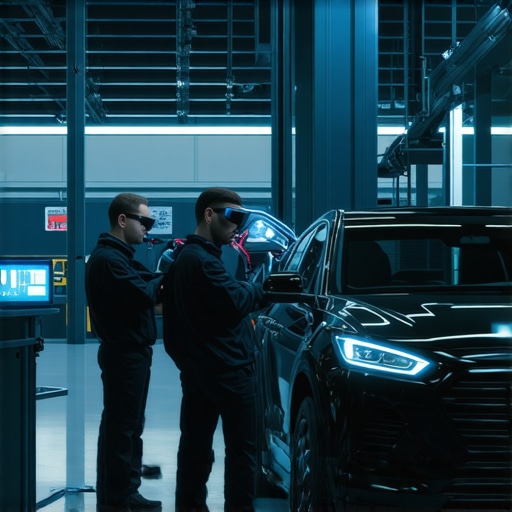
Progressive auto repair facilities are integrating Artificial Intelligence (AI) and Augmented Reality (AR) tools to revolutionize calibration procedures. AI algorithms process vast datasets to suggest optimal sensor realignment, predict potential system failures, and automate routine calibration checks, thereby minimizing human error. Meanwhile, AR overlays provide technicians with visual guides superimposed over actual vehicle components, enabling rapid identification and correction of misalignments, especially in intricate assemblies like ADAS modules. Embracing these technologies transforms calibration from a meticulous chore into a streamlined, highly accurate operation—paving the way for safer, more reliable vehicles on the road.
How Do Micro-Adjustments in Sensor Position Impact Overall Vehicle Safety?
Even fractional shifts in sensor positions, such as within lane departure warning or adaptive cruise control systems, can cause significant discrepancies in vehicle responses. These tiny misalignments distort the software algorithms’ perception of the environment, risking false positives or negatives that compromise safety. Skilled technicians employ precision calibration tools, including 3D mapping software and laser targets, to perform micro-adjustments, ensuring sensors accurately interpret real-world stimuli. Recognizing the criticality of these minute details underscores the importance of specialized training and sophisticated equipment in future-proofing automotive repairs.
Pushing the Limits of Calibration Accuracy Through Data Integration
In the pursuit of flawless vehicle operation, it is essential to unify mechanical checks with comprehensive electronic diagnostics. By integrating system maps, fault histories, and environmental variables, technicians can develop a holistic view that identifies subtle misalignments affecting multiple systems. Advanced diagnostic platforms enable simultaneous calibration of engine control modules, braking systems, and steering sensors, fostering a synchronized vehicle response profile. This multi-layered approach not only minimizes downtime but enhances diagnostic confidence—fundamental for complex repairs involving hybrid or autonomous vehicles.
Why Exceed OEM Calibration Guidelines to Achieve Superior Results
While following manufacturer-recommended calibration procedures is standard, pushing beyond baseline specifications can unlock higher performance and increased safety margins. For example, fine-tuning sensor thresholds under varying load conditions or environmental settings accounts for real-world variability, delivering a more resilient vehicle. This proactive stance necessitates deep technical knowledge, access to high-precision tools, and a willingness to innovate beyond traditional limits—traits that differentiate seasoned professionals from novices. Engaging with industry experts and continuous education in calibration advancements ensures your skill set evolves in tandem with vehicle complexity.
The Role of Continuous Skill Development Amid Rapid Technological Evolution
The rapid advancement in automotive sensor technology, software integration, and diagnostic tools mandates a paradigm shift in technician training. Attending manufacturer-led workshops, participating in specialized certification programs, and engaging with digital ecosystems foster expertise in emerging calibration methods. Moreover, collaborative learning platforms facilitate knowledge exchange on troubleshooting sophisticated systems, reducing guesswork and increasing repair accuracy. Staying ahead of technological curves is not optional but essential for maintaining industry relevance and delivering consistently safe, high-quality service.
How Can Technicians Prepare for the Calibration Demands of Future Vehicles?
Preparation hinges on ongoing education, strategic investment in cutting-edge diagnostic technology, and fostering partnerships with OEMs and component suppliers. Embracing simulation-based training modules allows technicians to master complex calibration sequences without risking real-world damage, accelerating skill acquisition. As vehicles integrate more autonomous features, understanding multi-system calibration—spanning mechanical, electronic, and software domains—becomes paramount. Regularly updating knowledge repositories and participating in industry forums provide valuable insights into evolving standards and innovative techniques, ensuring readiness for the challenges ahead.
Expert Clarity in Modern Auto Repair
Fellow professionals recognize that in today’s automotive landscape, surface-level fixes can no longer suffice. Mastery requires a keen eye for detail, especially in calibration and alignment processes that underpin safety and longevity. Innovations like laser-guided systems, AR overlays, and AI diagnostics are redefining what it means to be an expert mechanic. Embracing these tools and techniques positions your shop at the forefront of automotive excellence, ensuring trust and long-term client relationships.
Key Resources for Cutting-Edge Calibration
- Automotive Industry Insights: Offers comprehensive reports on calibration trends, including laser alignment advancements and sensor integration. By staying informed through this platform, you ensure your techniques remain current and effective.
- Manufacturer Certification Programs: Engage directly with OEMs through specialized training modules that cover the latest calibration sequences, software protocols, and safety standards essential for 2026 vehicle systems.
- Industry Digital Forums and Peer Networks: Share, learn, and troubleshoot with fellow experts, accelerating mastery over complex diagnostic challenges and calibration nuances.
Elevate Your Expertise for Safer Roads
The future of auto repair hinges on continuous improvement and adaptation. Recognizing the critical impact of precise hub-to-rotor indexing, sensor calibration, and system integration, advanced technicians are those who push boundaries beyond OEM guidelines. Bridging mechanical accuracy with electronic intelligence not only prevents recalls but also elevates your reputation. Engage actively with these insights, contribute your experiences, and keep your skills sharp — because the road to automotive mastery is paved with ongoing learning and unyielding commitment.
,