Elevating Automotive Care: The Interplay of Tune-Ups, Brake Systems, and Expert Auto Repair
In the realm of automotive maintenance, understanding the sophisticated mechanics behind routine tune-ups, brake service, and comprehensive auto repairs is essential for both technicians and discerning vehicle owners. A meticulous approach ensures safety, efficiency, and longevity, positioning the modern mechanic as a strategist rather than just a technician.
Deciphering the Nuances of Engine Tune-Ups and Their Critical Role in Performance
A well-executed tune-up encompasses more than replacing spark plugs or adjusting timing; it involves precise calibration of fuel injection systems, ignition coils, and emission components such as charcoal canisters and VVT systems. Advanced tune-up strategies leverage diagnostic data to optimize engine efficiency and prevent long-term damage.
Brake System Diagnostics: Beyond Surface-Level Inspection
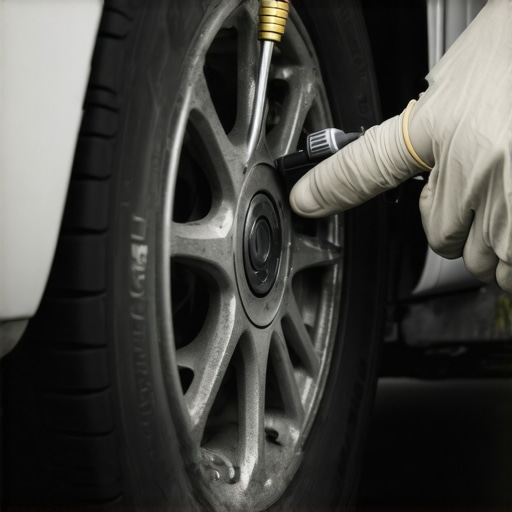
Modern brake service extends into complex diagnostics involving ABS modules, bushing assessments, and fluid analyses. Recognizing symptoms such as pedal kickback, which might be linked to valve bleed issues or sensor malfunctions, requires expert evaluation. Staying ahead of pad wear and rotor integrity can prevent costly repairs, as supported by industry standards outlined in authoritative sources like the National Institute for Automotive Service Excellence (ASE).
Unmasking the Layers of Auto Repair: From Routine Maintenance to Advanced Troubleshooting
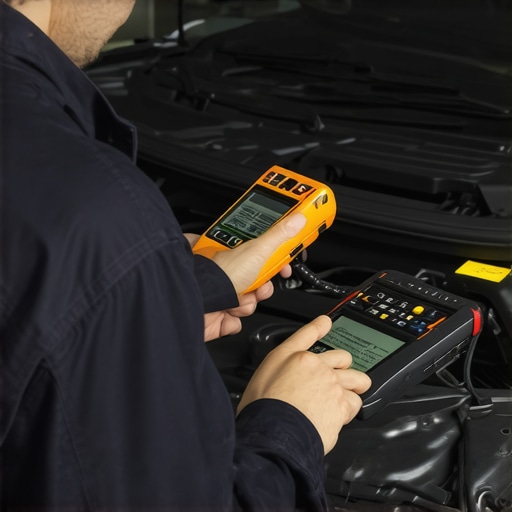
The evolution of auto repair emphasizes integrating data from OBD-II scanners, digital calipers, and high-precision sensors. Expert mechanics must not only identify apparent issues but also anticipate potential failures—such as engine hesitation caused by injector pulse irregularities or steering vibrations linked to torque sensor misreadings. This level of diagnostic depth necessitates ongoing knowledge of emerging automotive technologies.
What Are the Most Overlooked Indicators of a Failing Brake System in 2026?
Vehicle owners should be vigilant about subtle cues like uneven pad wear, caliper seizing, or abnormal noises that often precede brake failure. Recognizing early warning signs through expert inspection can save lives and prevent expensive repairs.
For insights into advanced diagnostic techniques and to contribute your professional expertise, explore our guide for maximizing mechanic consultations.
Remember, partnering with a skilled mechanic equipped with cutting-edge tools and comprehensive knowledge guarantees your vehicle’s optimal performance and safety. Embrace continuous learning and stay informed about the latest auto repair trends to maintain a competitive edge.
Refining Your Approach to Routine Tune-Ups and Critical System Checks
Effective vehicle maintenance demands more than sporadic inspections; it requires a strategic routine that incorporates detailed diagnostics and understanding of evolving automotive technologies. A key aspect is recognizing how modern tune-up strategies now extend beyond traditional parts replacement to include software updates and sensor calibrations, ensuring optimal engine performance and fuel efficiency.
Spotting Hidden Warning Signs in Brake Systems Before They Escalate
Braking systems are complex, integrating electronic sensors, hydraulic components, and mechanical parts. While obvious symptoms such as squealing or soft pedals are familiar, subtle cues—like a gradual increase in stopping distance or an unusual vibration—often go unnoticed by vehicle owners. Advanced diagnostics, including digital caliper measurements and ABS module scans, empower technicians to preempt failures. Industry authorities, like the National Institute for Automotive Service Excellence (ASE), highlight that early detection significantly reduces repair costs and enhances safety.
How Can Modern Auto Repair Surpass Traditional Techniques to Anticipate Failures?
Today’s auto repair landscape emphasizes predictive maintenance—using data analytics and sensor inputs to forecast potential issues before they manifest physically. This proactive mindset challenges the conventional reactive approach, fostering longevity and reliability. For instance, monitoring injector pulse patterns can reveal early signs of engine hesitation, while torque sensor inaccuracies might lead to steering shake detection. Equipping technicians with tools like high-precision oscilloscopes and real-time diagnostics transforms the repair process into a preventive, rather than corrective, effort.
Are There Overlooked Diagnostic Techniques That Can Save Thousands in Repairs?
Absolutely. Techniques such as ionization testing and ECU voltage analyses provide insights that standard scans might miss. These methods can uncover elusive problems like concealed wiring faults or software misalignments, which often cause intermittent failures. Continuing education on these advanced diagnostics helps mechanics deliver precise repairs and build trust with clients. To deepen your understanding, explore industry standard guides and consider joining specialized training programs endorsed by organizations like ASE.
For more expert insights and to sharpen your diagnostic skills, visit our contact page and stay ahead in the competitive field of auto repair.
Leverage Data-Driven Diagnostics to Detect Hidden Brake System Anomalies
Modern vehicles are equipped with a multitude of electronic sensors and control modules that generate invaluable data streams. Implementing advanced diagnostic tools, such as real-time ABS module monitoring and data acquisition systems, allows technicians to identify subtle patterns indicative of impending brake failure. For instance, analyzing brake pedal sensor variance over numerous stops can reveal calibration issues that are not immediately apparent through visual inspection. Harnessing machine learning algorithms on large datasets further enhances predictive accuracy, enabling proactive maintenance schedules that minimize downtime and repair costs.
Innovative Brake Material Technologies That Extend Service Intervals
Recent breakthroughs in friction material composites, including ceramic and carbon-ceramic brake pads, offer significant advantages over traditional semi-metallic formulations. These advancements result in reduced wear rates, superior heat dissipation, and lower brake fade under demanding conditions. For auto repair professionals, understanding the nuances of these materials is critical; they necessitate specific fitting procedures and wear monitoring protocols. Educating clients about the long-term cost savings and performance benefits of such high-tech solutions can forge stronger trust and foster loyalty.
What Are the Most Overlooked Indicators of a Failing Brake System in 2026?
Vehicle owners should be vigilant about subtle cues like uneven pad wear, caliper seizing, or abnormal noises that often precede brake failure. Recognizing early warning signs through expert inspection can save lives and prevent expensive repairs. Advanced diagnostics, like thermographic imaging, can reveal hot spots or uneven temperature distribution across rotors, which may indicate impending issues. Stay ahead by integrating multi-sensor data analysis into routine inspections, thus transforming brake maintenance from reactive to predictive.
For insights into cutting-edge diagnostic techniques and to contribute your professional expertise, explore our guide for maximizing mechanic consultations.
Remember, partnering with a skilled mechanic equipped with the latest tools and comprehensive knowledge guarantees your vehicle’s optimal performance and safety. Embrace continuous learning and stay informed about the latest auto repair trends to maintain a competitive edge.
Adopt Emerging Technologies for Enhanced Brake System Longevity
Integration of adaptive brake control systems, such as electronically controlled brake-force distribution and regenerative braking, demands a deeper understanding of vehicle dynamics and control algorithms. Diagnostic systems now must interpret signals from these complex modules to detect discrepancies that could signal degradation or impending failure. Implementing simulation-based testing environments enables technicians to model brake system responses under varied conditions, thus identifying vulnerabilities before real-world failures occur. This proactive approach not only enhances safety but also positions repair shops at the forefront of automotive technology mastery.
How Can Predictive Maintenance Shape the Future of Brake Repair?
Predictive maintenance leverages continual sensor data collection and advanced analytics to forecast component degradation well before failure. For example, analyzing brake fluid quality measurements over time, combined with caliper movement patterns, can preemptively flag issues such as fluid contamination or seal deterioration. These insights afford technicians the opportunity to perform targeted interventions, reducing unnecessary part replacements and enhancing overall system reliability. Embracing cloud-based diagnostic platforms and AI-driven algorithms will become indispensable tools for the vigilant auto repair professional.
Stay ahead by exploring specialized training in predictive analytics and sensor integration—investments that will redefine your service capabilities and ensure client safety in an increasingly connected automotive landscape.
Revolutionizing Routine Checks: Beyond Conventional Maintenance
In the rapidly evolving landscape of automotive technology, traditional maintenance approaches must be augmented with data-driven insights to optimize vehicle longevity. Implementing onboard diagnostic systems that continuously monitor engine parameters allows technicians to preemptively address issues before symptomatic manifestations occur, thereby drastically reducing downtime and repair expenses. Such proactive strategies demand comprehensive understanding of vehicle sensor ecosystems and their integration with cloud analytics platforms.
Decoding Complex Brake System Diagnostics for Peak Safety
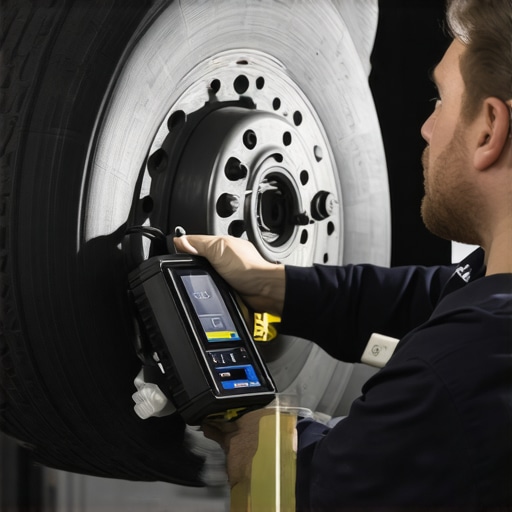
Modern brake systems are intricate assemblies featuring electronic stability controls, autonomous emergency braking, and integrated sensor networks. Detecting issues such as subtle caliper binding or sensor calibration drift necessitates high-precision diagnostic tools, including laser-based measurement systems and real-time ECU data correlation. Advanced knowledge of ABS module communication protocols and sensor validation techniques enable technicians to pinpoint failures at their inception, ensuring prompt interventions and maintaining optimal safety standards.
Can AI Transform Brake Repair and Maintenance in 2026?
Absolutely. Artificial intelligence algorithms capable of parsing vast datasets from vehicle fleets can identify emergent failure patterns and recommend precise maintenance actions. Leveraging machine learning to analyze brake wear metrics, temperature profiles, and sensor anomalies empowers mechanics to shift from reactive repairs to predictive servicing. This technological shift not only enhances safety margins but also offers competitive advantages in a saturated market.
What Cutting-Edge Diagnostic Methods Are Missing in the Industry?
Emerging techniques such as acoustic emission testing and infrared thermography provide early detection of internal pad delaminations or rotor defects that evade standard inspections. Furthermore, integrating nanotechnology-based sensors within brake components offers real-time health status, revolutionizing maintenance paradigms. Cultivating expertise in these avant-garde diagnostics positions professionals at the forefront of automotive innovation.
For specialists eager to deepen their diagnostic acumen and integrate these advancements, engaging with industry-leading research papers and specialized training modules—endorsed by entities such as SAE International—is highly recommended.
Enhancing Tune-Up Efficacy with Intelligent Calibration
Advanced engine management now relies heavily on adaptive calibration techniques, utilizing software updates and sensor recalibrations to fine-tune performance. Incorporating automotive simulation environments enables technicians to model fuel injection timing and ignition parameters under varying loads, facilitating personalized tuning that aligns with engine wear profiles and driving habits. Such precision tuning extends beyond mere efficiency, contributing to cleaner emissions and reduced operational costs.
Subtle Signs Indicating Early Brake Troubles
While overt signs like squeals or pedal pulsations are familiar, subtle cues such as a minor decrease in braking responsiveness or faint grinding sounds during light pressure often precede failure. Harnessing digital torque analyzers and sensor correlation tools allows experts to detect these faint signals, enabling timely interventions. Industry guidelines from organizations such as ASE emphasize that early detection significantly diminishes repair costs and enhances safety.
Uncover Hidden Potential in Complex Systems
Advanced diagnostic techniques, like ionization testing and infrared thermography, reveal internal component issues often missed by standard inspections, paving the way for proactive maintenance and cost savings.
Harness Cutting-Edge Tools for Better Diagnostics
Utilizing high-precision oscilloscopes and real-time data analytics transforms traditional auto repair into a predictive science, enabling technicians to foresee failures before they manifest.
Stay Ahead with Knowledge of Emerging Technologies
Embracing AI-driven analytics and sensor fusion allows for unparalleled accuracy in fault detection, setting professionals apart in a competitive landscape and ensuring optimal vehicle safety.
Refine Your Approach to Routine Maintenance
Incorporating continuous monitoring systems within vehicles allows for scheduled interventions based on real data, turning downtime into opportunities rather than setbacks.
Prevent Problems Before They Arise
Predictive maintenance, driven by data streams from vehicle sensors, shifts focus from reactive repairs to anticipatory service, significantly extending component life and enhancing reliability.
Empower Your Practice with Trusted Resources
- National Institute for Automotive Service Excellence (ASE): Offers industry standards, certifications, and ongoing education to elevate your repair skills.
- SAE International: Provides in-depth research and technical papers on automotive innovations and diagnostic advancements.
- AutoCare Association: Supports best practices, professional development, and innovation strategies in auto repair.
Shape the Future of Auto Maintenance
The modern auto repair landscape demands embracing technology, continuous learning, and strategic diagnostics. By integrating these high-level insights, technicians can deliver exceptional service and stay ahead of evolving automotive challenges. Your expertise is vital—engage with advanced resources, share your experiences, and lead the evolution of vehicle care.