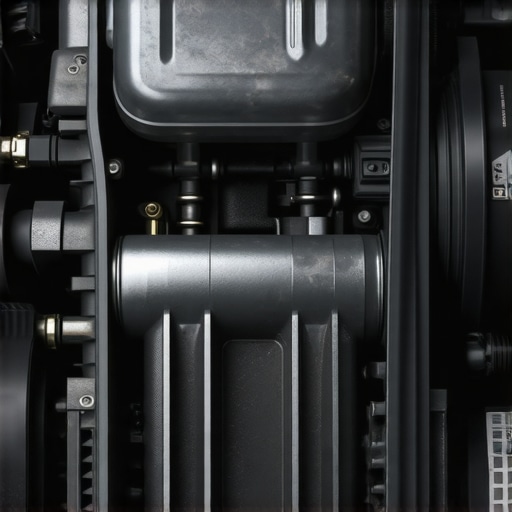
Unveiling Hidden Indicators: When Your Brake System Signals Trouble During Routine Repairs
The world of auto repair demands not just reactive fixes but proactive diagnostics. Amid routine tune-ups and maintenance, seasoned mechanics often observe subtle anomalies that hint at deeper issues within the brake system or engine components. Recognizing these nuanced signs can prevent costly repairs and ensure vehicle longevity.
Why Low-Frequency Vibration Is More Than Just a Jumpy Ride
An unexpected vibration during braking or acceleration may seem benign, but it often indicates uneven brake rotor warping or issues with wheel alignment. Advanced diagnostics reveal that such vibrations can be tied to caliper stickiness or worn-out brake pads, which require precise inspection during routine auto repair procedures.
What are the complex warning signs often misdiagnosed as minor nuisances?
While squealing brakes or soft pedal feel are common indicators, deeper issues like hydraulic system failures or ABS sensor malfunctions might lurk beneath surface symptoms. For instance, irregular pedal response can stem from hydraulic fluid contamination or electronic control unit glitches, which demand expert-level detection techniques.
Automotive Diagnostic Precision: Moving Beyond Basic Checks
Modern auto repair transcends simple visual inspection. Employing diagnostic tools such as OBD-II scanners and vibration analyzers grants mechanics an edge in identifying root causes. For example, engine misfires during a tune-up often relate to ignition coil faults that are easy to overlook without proper diagnostics.
How Can Professional Mechanics Enhance Vehicle Performance Post-Tune-Up?
Ensuring that a brake service is executed with precision involves verifying caliper alignment, rotor surface finish, and brake fluid condition. Advancing to fine-tuning of engine parameters—such as spark timing and fuel mixture—also plays a pivotal role. Industry leaders recommend periodic tune-up strategies to sustain peak performance.
To uphold the integrity of auto repair processes and stay ahead of emerging issues, professionals must continuously refine diagnostic mastery. For those interested in expanding their expertise, exploring comprehensive guides such as industry-backed repair tips can be invaluable.
Unearthing Root Causes: Why Surface Symptoms Often Masks Deeper Mechanical Issues
In the realm of auto repair, initial symptoms like squeaky brakes or engine hesitation are frequently mistaken for minor problems, but seasoned technicians know that these are often just the tip of the iceberg. Delving beneath surface clues through comprehensive diagnostics reveals underlying faults such as faulty sensors or worn-out actuators that, if left unaddressed, can lead to more extensive damage along with higher repair costs. Employing advanced diagnostic tools, including OBD-II scanning devices and vibration analysis, allows for precise identification of hidden issues, ensuring repairs are both effective and durable.
What Are the Nuanced Signs That Signal a Looming Mechanical Crisis?
While obvious indicators such as warning lights are helpful, subtle signs like irregular steering response, inconsistent idling, or unexpected fuel consumption often hint at complex, underlying issues. For example, excessive brake pedal travel may not simply relate to worn pads but could indicate a hydraulic system leak or master cylinder degradation. Recognizing these nuances requires a keen eye and mastery in diagnostic techniques, emphasizing the importance of ongoing technician education and the utilization of sophisticated testing methodologies.
How Can Modern Diagnostics Unlock Faster, More Accurate Repairs?
Modern diagnostic systems integrate multiple sensor data points, enabling a real-time snapshot of the vehicle’s health. These technologies drastically reduce guesswork, especially when dealing with intermittent faults like engine stalls or ABS malfunctions. More importantly, they empower mechanics to recommend targeted repairs, ultimately saving vehicle owners time and money. For in-depth insights on sharpening diagnostic skills, professionals are encouraged to explore resources such as industry guidelines for automotive diagnostics.
 tune-up precision.
Engaging in continuous professional development and utilizing cutting-edge diagnostic and calibration techniques set apart top-tier repair shops from the rest. Stay updated with industry-approved best practices and technological advancements to deliver results that stand the test of time and driving demands. Want to deepen your expertise? Dive into expert resources available at industry insights for auto technicians.
Harnessing Predictive Maintenance to Foresee Mechanical Failures
While reactive repairs address current issues, integrating predictive maintenance strategies transforms auto repair from a reactive art into a proactive science. By leveraging data analytics and real-time monitoring tools, technicians can anticipate component failures before symptoms manifest, thus minimizing downtime and repair costs. Modern vehicle systems equipped with telematics enable continuous health assessments—allowing experts to interpret sensor data and identify patterns indicating imminent failures, such as bearing wear or fluid degradation. This shift not only enhances customer satisfaction but also positions repair professionals as forward-thinking problem solvers.
Deciphering the Language of Diagnostic Trouble Codes for Complex Systems
Beyond the initial step of reading OBD-II codes, true mastery involves translating cryptic codes into comprehensive diagnoses. Advanced technicians interpret hexadecimal trouble codes in the context of vehicle history, operating conditions, and sensor data, piecing together the vehicle’s narrative. For example, a P0300 random misfire code, when correlated with fuel delivery and ignition system patterns, can reveal subtle issues like failing injectors or ignition coils. Developing this diagnostic fluency demands deep familiarity with manufacturer-specific codes and nuanced troubleshooting strategies outlined in industry-standard repair manuals like Mitchell1’s Repair Information System.
How does vehicle telematics data revolutionize traditional diagnostic approaches?
Telematics systems provide an expansive view of vehicle health, collecting real-time data on engine parameters, transmission status, and driver behavior. By integrating this data with diagnostic tools, mechanics can detect anomalies that static checks might overlook—such as transient electrical issues or intermittent sensor faults. This comprehensive insight accelerates diagnosis, reduces unnecessary disassembly, and informs precise repair actions. For an authoritative guide on implementing telematics in auto diagnostics, consult the latest industry whitepapers from organizations like SAE International, which emphasize data-driven maintenance models.

Optimizing Calibration Techniques to Achieve Pinpoint Accuracy
Calibration is often the bridge between effective repair and long-lasting performance. Whether it’s resetting a wheel alignment sensor or fine-tuning Electronic Stability Control (ESC) modules, precision calibration ensures systems perform as intended. Advanced calibration techniques involve using manufacturer-specific scan tools and following detailed procedural protocols—sometimes requiring environmental controls to eliminate variables. For instance, calibrating a radar-based adaptive cruise control system demands adherence to exact positioning and environmental conditions, as stipulated in OEM repair procedures. Mastery of these calibration subtleties can significantly extend component lifespan and vehicle safety.
Integrating Machine Learning for Intelligent Diagnostic Pathways
The advent of machine learning offers an unprecedented leap in auto diagnostics. By training algorithms on extensive vehicle data, repair systems can predict the likelihood of specific failures based on current sensor readings and historical trends. For example, machine learning models can alert technicians to impending brake system degradation with higher accuracy than traditional threshold checks. This intelligent approach enables personalized maintenance schedules, reduces guesswork, and enhances diagnostic precision. Leaders in automotive AI, such as DeepDriveAI, continue to pioneer these innovations—setting new standards for automotive diagnostics and repair accuracy.
What are the ethical and professional considerations when adopting AI-powered diagnostic tools?
While AI integration offers clear benefits, it raises questions regarding data privacy, diagnostic transparency, and technician accountability. Ensuring that AI systems are trained on diverse, unbiased datasets is critical to prevent misdiagnoses. Additionally, technicians must understand AI recommendations rather than accept them unquestioningly, preserving their critical thinking role. Maintaining transparency with vehicle owners about AI-assisted diagnostics fosters trust and aligns with professional ethics. For comprehensive insights, industry standards outlined by ISO/SAE 21434 provide guidance on cybersecurity and responsible AI implementation in automotive contexts.
Uncovering Hidden Failures With Cutting-Edge Diagnostic Technologies
In the realm of automotive repair, traditional inspection methods are increasingly supplemented—and sometimes replaced—by sophisticated diagnostic tools that provide unparalleled insights. Modern scan tools, combined with advanced data analytics, enable technicians to detect subtle anomalies indicative of underlying issues that often evade superficial examination. For example, integrating bidirectional control modules testing allows for proactive troubleshooting of complex systems like transmission control units or electronic stability systems, offering a nuanced view of vehicle health.
Is there a way to predict system failures before they jeopardize safety?
Absolutely. Predictive maintenance harnesses the power of sensor data and machine learning algorithms to forecast imminent problems with precision. This approach not only minimizes unexpected breakdowns but also optimizes repair schedules, saving costs and ensuring consistent vehicle performance. Organizations such as SAE International emphasize the importance of implementing predictive analytics platforms within service workflows to elevate preventative care, transforming auto repair into a data-driven science.
Harnessing Specialized Expertise to Decode Complex Error Codes
Decoding manufacturer-specific trouble codes requires more than basic knowledge; it demands a deep understanding of vehicle architecture, software protocols, and sensor interplays. Advanced technicians leverage databases like Alldata or Mitchell1 to cross-reference code patterns with vehicle-specific diagnostics, enabling precise fault localization. For instance, interpreting a P17E5 code in a hybrid vehicle involves analyzing high-voltage system nuances, which pure generic scans may overlook, underscoring the significance of expert-level familiarity.
Why Calibration Precise Alignment Is Non-Negotiable for Safety
Calibration extends beyond initial adjustments; it is vital for systems such as ADAS (Advanced Driver Assistance Systems) and emission control modules. Precision calibration, conducted using OEM-specific tools and environmental controls, ensures sensors like LIDAR, RADAR, and cameras function flawlessly. Misaligned calibrations can lead to false positives or system failures, posing risks on the road. Mastery in calibration techniques distinguishes proficient repair shops committed to safety and reliability.
Leverage AI for Intelligent Fault Prediction and Repair Optimization
Artificial Intelligence-driven diagnostic systems analyze vast datasets to identify patterns indicating a high probability of component failure. These systems facilitate targeted inspections and preemptive repairs, significantly reducing downtime and enhancing service quality. Pioneering firms like DeepMind are advancing this frontier, allowing auto repair professionals to implement predictive AI models that adapt and improve over time, elevating the standard of automotive diagnostics.
What responsibilities do technicians face when integrating AI into their diagnostic practices?
Technicians must remain vigilant regarding data security, algorithm transparency, and the potential for over-reliance on automated suggestions. Upholding professional integrity involves verifying AI recommendations through traditional diagnostics and maintaining a comprehensive understanding of vehicle systems. As AI tools become ubiquitous, ongoing education and adherence to industry standards are crucial to ensure these innovations serve as reliable aids rather than black-box solutions. Leaders in the field recommend engaging with resources like SAE’s guidelines on automotive AI ethics to navigate this evolving landscape responsibly.
#
Expert Insights & Advanced Considerations
Leverage Data-Driven Maintenance for Predictive Reliability
Integrating sensor analytics and machine learning enables mechanics to anticipate failures before they manifest, transforming auto repair from reactive to proactive care, reducing downtime and costs.
Refine Calibration Procedures to Maximize Safety
Precision calibration of sensors and control modules, using OEM protocols, ensures systems like ADAS function optimally, safeguarding drivers and extending component lifespan.
Utilize Comprehensive Diagnostic Tools for Deep Fault Analysis
Modern diagnostics involving bidirectional control and real-time data correlation uncover complex issues, such as subtle electronic control malfunctions, that traditional checks might miss.
Prioritize Continuous Training to Stay Ahead of Technological Advances
Ongoing education in emerging diagnostic techniques and evolving vehicle systems is essential for technicians aiming to deliver durable, high-quality repairs.
Implement Fleet-Wide Data Monitoring for Long-Term Insights
Monitoring multiple vehicles’ sensor data over time enables pattern recognition and preemptive repairs, optimizing maintenance schedules and vehicle performance.
Comments are closed.