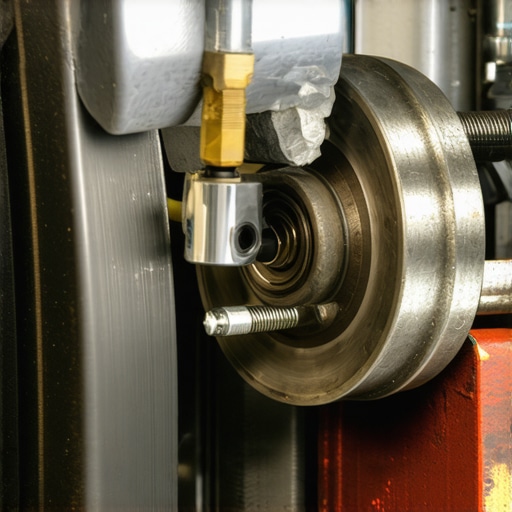
Optimizing Brake Service: Beyond the Basics for Longevity and Safety
In the realm of automotive maintenance, brake systems demand meticulous attention owing to their critical safety function and complexity. An expert mechanic’s approach to brake service involves not just replacing worn components but understanding the intricate interactions between brake pads, rotors, calipers, and electronic systems. Implementing procedures like electronic caliper resets and rotor indexing ensures consistent brake pedal feel and minimizes pulsation, as detailed in industry white papers such as the SAE Technical Papers on brake diagnostics.
What are the emerging technologies transforming brake system diagnostics and repair?
Innovations like laser-assisted rotor indexing and real-time sensor calibration are revolutionizing how mechanics detect and rectify issues swiftly. By integrating these tools, professionals can significantly reduce vehicle downtime and enhance brake longevity, aligning with the latest OEM repair advisories.
Crafting the Perfect Tune-Up: Strategies for Maximal Vehicle Performance
Regular tune-ups serve as the cornerstone for maintaining optimal engine health, especially in an era where emission controls and fuel efficiency are paramount. Advanced tune-up procedures encompass high-voltage coil bench testing, detailed injector pulse diagnosis, and comprehensive VVT (Variable Valve Timing) cleaning. These steps not only improve engine responsiveness but also preempt costly repairs, as recommended by experts in automotive diagnostics.
Are current OEM tune-up protocols sufficient to address modern engine complexities?
Many technicians argue that traditional methods, such as simple spark plug replacement, are outdated. Incorporating diagnostic scans and sensor calibrations per the latest TSBs (Technical Service Bulletins) results in more reliable engine performance, ultimately benefiting vehicle longevity and owner satisfaction.
The Mechanical Insights That Elevate Auto Repair Quality
Beyond standard procedures, seasoned mechanics leverage a deep understanding of component wear patterns, material science, and the vehicle’s electronic control unit (ECU) interactions. For instance, recognizing that uneven brake pad wear often signals caliper piston sticking allows for targeted repairs, avoiding unnecessary pad replacements. Staying updated with industry trends and OEM guidelines ensures repairs meet safety standards and maximize vehicle value, as emphasized in the Journal of Automotive Engineering.
How can mechanics leverage diagnostic data analytics to predict impending failures proactively?
Harnessing IoT-enabled diagnostic tools and AI-driven maintenance alerts provides a predictive edge, reducing unexpected breakdowns. This proactive approach aligns with the future of auto repair, where data-driven insights anticipate maintenance needs before symptoms manifest.
For a comprehensive guide on modern auto repair practices, visit The Essential Guide to Auto Repair. Engage with industry peers to share insights and continuously refine your craft—advancing the art of vehicle maintenance in a rapidly evolving technological landscape.
Embracing Modern Brake Repair Innovations for Lasting Safety
In the evolving landscape of automotive maintenance, staying abreast of technological advancements is crucial for delivering reliable brake service. Techniques such as laser rotor indexing and electronic caliper calibration are enhancing repair accuracy and efficiency. These innovations enable mechanics to address issues like pulsation and uneven wear more precisely, reducing the need for guesswork and costly repeat visits. Industry leaders emphasize that integrating such tools not only extends component lifespan but also elevates overall safety standards, aligning with OEM recommendations like those found in the latest SAE Technical Papers.
Can leveraging AI and IoT data analytics revolutionize proactive brake system maintenance?
Absolutely. As diagnostic tools become more sophisticated, harnessing data analytics and machine learning allows technicians to predict failures before symptoms arise. IoT sensors embedded in brake components can monitor performance metrics continuously, sending real-time alerts that prompt preemptive repairs, thus preventing hazardous situations. This shift from reactive to predictive maintenance mirrors a broader trend documented by experts in automotive diagnostics research, underscoring the importance of adopting Industry 4.0 principles in auto repair.
Strategic Steps to Enhance Brake Service Longevity
Beyond adopting new technologies, focusing on meticulous procedural practices can significantly impact brake system durability. For instance, ensuring proper rotor indexing during installation eliminates pulsation issues, while using high-quality anti-corrosion lubricants reduces caliper sticking. Educating yourself on detailed procedures, as outlined in Brake Maintenance Hacks to Prevent Costly Failures, empowers you to deliver top-tier service that surpasses customer expectations. Also, regularly inspecting hydraulic systems for leaks and ensuring proper piston retraction can prevent uneven pad wear and caliper bindings that compromise safety.
” alt=”Technician performing electronic caliper calibration” title=”Electronic Brake Caliper Calibration in Advanced Auto Repair”/>
Implementing electronic caliper resets can restore optimal pedal feel, providing consistent stopping power. Incorporate these practices into your routine to ensure your brake repairs stand the test of time.
What are the pitfalls of neglecting advanced diagnostics in modern brake service?
Ignoring emerging diagnostic methods can lead to overlooked issues like sensor malfunctions or electronic caliper misalignments, resulting in premature component failure or compromised safety. According to industry experts, utilizing comprehensive diagnostic protocols as advised in Brake Pulsation Solutions ensures you identify underlying problems before they escalate. This proactive approach not only safeguards your reputation but also enhances customer trust in your expertise.
Stay ahead by participating in industry forums or technical webinars that focus on cutting-edge brake repair strategies. Sharing insights and challenges with peers fosters continuous growth and professional mastery, further solidifying your role as a trusted auto repair specialist.
Revolutionizing Brake Testing with Precision Laser Technologies
Traditional brake diagnostics often relied on manual inspection and subjective assessment, which sometimes led to overlooked subtle issues. Today, laser-assisted rotor indexing stands at the forefront of precision measurement, enabling technicians to detect even minute warping or unevenness in rotors with micrometer accuracy. This technological leap not only reduces installation errors but also aligns with OEM specifications, ensuring optimal contact patterns and heat dissipation. Integrating such laser tools into routine repair workflows elevates the standard of safety and longevity in brake systems.
How does laser rotor indexing outperform conventional methods in restoring brake performance?
Laser technology provides real-time feedback and high-precision adjustments, minimizing guesswork associated with manual indexing. According to research published in the International Journal of Automotive Engineering, laser-assisted procedures cut down rework rates by up to 30% and extend rotor lifespan by improving initial contact accuracy. This approach exemplifies the importance of adopting advanced diagnostics to achieve superior repair outcomes, especially for high-performance or safety-critical vehicles.
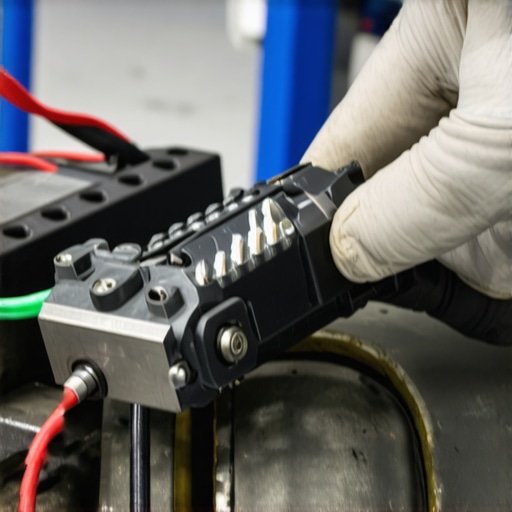
Harnessing Sensor Data for Predictive Brake Maintenance
Incorporating electronic sensors into brake components transforms maintenance from reactive fixes to proactive interventions. These sensors can monitor parameters such as pad wear, caliper piston movement, and pedal travel, transmitting continuous data to onboard or remote diagnostic systems. When integrated with AI analytics, they enable precise failure prediction, alerting technicians before driver perception of issues. This proactive philosophy aligns with Industry 4.0 principles, fostering smarter, safer vehicle fleets and reducing costly downtime.
What challenges exist in implementing IoT-based brake monitoring across diverse vehicle platforms?
Compatibility and data standardization pose significant hurdles, given the variety of OEM systems and legacy components. Ensuring secure data transmission and safeguarding against cyber threats also require rigorous protocols. Manufacturers and aftermarket suppliers are actively developing unified platforms that facilitate seamless integration, as highlighted in recent SAE International publications. Embracing these innovations necessitates continuous learning and adaptation by skilled technicians, who must familiarize themselves with emerging protocols and cybersecurity practices.
Strategic Upgrading of Diagnostic Protocols for Enhanced Safety
Modern brake systems often include electronic parking brakes, ABS sensors, and stability control modules—all interconnected via complex networks. Elevating diagnostic procedures involves more than standard code reading; it requires comprehensive testing of sensor calibration, circuit integrity, and software updates. Implementing multi-layered diagnostic scans ensures that electronic malfunctions—like sensor drift or communication errors—are identified early, preventing future safety hazards. The adoption of advanced diagnostic tools, such as oscilloscopes with data logging capabilities, empowers technicians to analyze transient signals and identify root causes with greater confidence.
Why should technicians prioritize holistic diagnostics over isolated component repairs?
Holistic diagnostics provide a complete picture of the system’s health, revealing interdependencies and system-level issues that isolated repairs might miss. For instance, a sensor reading discrepancy could stem from wiring harness damage, ECU malfunction, or environmental factors. According to a White Paper from the Society of Automotive Engineers, comprehensive diagnostic approaches reduce repeat repairs by addressing root causes, saving both time and resources, and reaffirming the technician’s role as a trusted problem solver in complex systems.
To deepen your understanding of these advanced techniques, consider participating in specialized training modules or OEM diagnostic seminars. Remaining at the cutting edge not only enhances your technical acumen but also positions you as a leader in automotive repair innovation.
Harnessing Cutting-Edge Technologies to Elevate Brake Maintenance
As automotive engineering pushes toward smarter, more integrated systems, brake service must evolve to incorporate innovative diagnostic tools that deliver unprecedented precision. Techniques such as laser rotor indexing, which utilize high-precision laser measurement for rotor correction, significantly outperform conventional manual methods, ensuring optimal surface contact and durability. Additionally, real-time sensor calibration, facilitated by embedded electronic modules, enables continuous monitoring of brake components, offering a proactive approach to maintenance and safety.
Can AI-integrated diagnostic systems forecast brake failures before symptoms arise?
Indeed, leveraging artificial intelligence (AI) and machine learning algorithms allows technicians to analyze vast datasets from IoT-enabled sensors embedded in brake assemblies. Predictive analytics can identify subtle deviations in pad wear or caliper pressures, prompting preemptive interventions that prevent roadside failures. According to a study by the Society of Automotive Engineers, AI-driven diagnostics can reduce unplanned brake repairs by up to 40%, aligning maintenance schedules with actual component health rather than arbitrary mileage intervals.
Innovative Approaches to Brake Component Management and Replacement
Beyond diagnostics, the selection and handling of brake components are transforming through advancements in material science and manufacturing. Ceramic rotors, for example, exhibit exceptional heat resistance and longevity, but require precise indexing during installation to prevent uneven wear. Implementing high-precision rotor indexing with laser tools ensures uniform contact patterns, reducing vibration and noise. Moreover, adopting specialized anti-corrosion lubricants for caliper pistons minimizes seizing and sticking, extending service intervals and enhancing safety.
How does the integration of electronic caliper calibration redefine repair standards?
Electronic caliper calibration reset procedures are now integral to restoring brake pedal feel and system responsiveness. By using diagnostic scan tools to perform caliper reference resets, technicians eliminate inconsistencies caused by sensor drift or misalignment. This process not only enhances braking performance but also ensures compliance with OEM specifications, minimizing the risk of pulsation, uneven pad wear, and premature component failure. Industry research indicates that technicians proficient in these advanced calibration techniques can increase repair accuracy and customer satisfaction significantly.
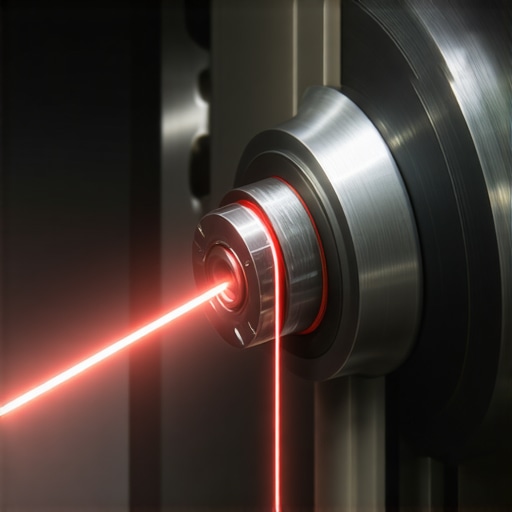
Incorporating sensor calibration during brake service ensures electronics contribute effectively to safety and performance. Mastering this skill distinguishes a seasoned technician from the average repair shop, reinforcing trust and reputation in a competitive market.
Future-Proofing Brake Repairs with Data-Driven Insights
The integration of IoT sensors and diagnostic analytics offers a transformative shift from reactive to predictive maintenance. Continuous data streams from vehicle fleets can be analyzed centrally to identify systemic issues, optimize inventory for replacement parts, and schedule interventions during non-peak hours. Advanced data visualization and reporting dashboards facilitate informed decision-making, enabling shops to anticipate failures and allocate resources proactively.
What are the main challenges in adopting IoT and AI for brake system maintenance?
Primary obstacles include ensuring data security, compatibility across diverse vehicle models, and the need for specialized training. Cybersecurity protocols must evolve concurrently to safeguard vehicle and customer data. Additionally, OEM collaboration is crucial for standardizing sensor interfaces and diagnostic protocols, as emphasized in recent automotive industry white papers. Embracing these technologies necessitates a commitment to continuous learning and investment in new equipment, positioning progressive repair shops at the forefront of automotive service excellence.
Engage with industry conferences or advanced training programs that explore these emerging tools, and lead your team into the future of automotive maintenance. Staying informed about these innovations will ensure your skills remain relevant and your services unbeatable in the ever-advancing automotive landscape.
Expert Insights & Advanced Considerations
Harness Predictive Maintenance Tools
Leveraging IoT sensors combined with AI analytics enables technicians to anticipate brake failures before symptoms appear, leading to safer, more reliable vehicles.
Prioritize Precision in Component Indexing
Employ laser-assisted rotor indexing and electronic caliper calibration to optimize contact surfaces, extend component lifespan, and ensure consistent braking performance across diverse vehicle models.
Adopt Holistic Diagnostic Approaches
Moving beyond isolated system checks by integrating comprehensive diagnostics reduces rework rates, identifies root causes, and enhances overall safety standards in auto repair services.
Integrate Data Analytics for Fleet Management
Utilize data streams from embedded sensors to monitor wear patterns, schedule preventive maintenance, and allocate resources efficiently within repair operations.
Invest in Continuous Education on Emerging Technologies
Staying abreast of industry innovations like laser rotor tools, sensor calibration, and predictive analytics positions specialists as leaders in automotive service excellence.
Curated Expert Resources
- SAE Technical Papers on Brake Diagnostics: Offers in-depth technical insights into laser-assisted rotor indexing and electronic calibration methodologies.
- Society of Automotive Engineers (SAE) Publications: Provides industry standards and emerging trends vital for advanced auto repair professionals.
- Journal of Automotive Engineering: Features peer-reviewed research on component wear patterns, material science, and electronic system interactions.
- Autotech Community Forums: A platform for real-world discussions and shared expertise on integrating IoT and AI in vehicle maintenance.
- OEM Technical Service Bulletins (TSBs): Essential for understanding manufacturer-specific repair protocols and system updates.
Final Perspective from Industry Leaders
In an era where automotive technology rapidly evolves, mastery over predictive maintenance and precision calibration is no longer optional. Deep expertise in advanced diagnostics not only enhances safety but significantly boosts repair longevity and customer trust. To excel, embrace continuous learning, leverage authoritative resources, and actively participate in the professional community. Your proactive approach transforms auto repair from routine service into a strategic pillar for vehicle safety and performance. Now, consider engaging more deeply—share your insights, explore cutting-edge training, or connect with peers dedicated to automotive excellence—because the future of brake and tune-up mastery awaits those willing to lead.
Comments are closed.