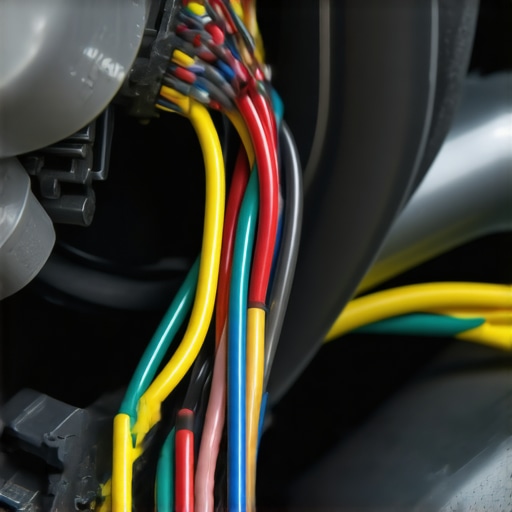
Deciphering the Enigma: Why Is Your Transmission Flashing False Slipping Codes?
In the realm of automotive diagnostics, technicians often encounter perplexing scenarios where transmission control modules (TCMs) signal slipping codes that are not corroborated by actual mechanical issues. This incongruity underscores the significance of understanding advanced electrical phenomena, such as grounding anomalies, which can produce false positives and complicate repair strategies. Recognizing the influence of ground integrity, especially the often-overlooked ground wiring, becomes crucial in ensuring accurate diagnoses and effective repairs.
The Hidden Ground Wire Culprit: A Subtle yet Critical Factor
One of the most elusive contributors to false slip codes is a ground ground wire—specifically the hidden or poorly maintained ground strap—that interferes with sensor signals. These disturbances can mimic genuine slipping events by causing erratic data transmission between sensors like the throttle position sensor (TPS) or vehicle speed sensors (VSS) and the TCM. Experts emphasize that a comprehensive wiring harness inspection, with particular attention to ground connections, can reveal underlying issues that are often dismissed as sensor failures or wear-related problems.
Amplification of Electrical Noise: When Ground Instability Mimics Mechanical Faults
Electrical noise generated by compromised grounding pathways can significantly distort sensor readings, leading to misinterpretation by diagnostic modules. According to a study published in the SAE International Journal of Vehicle Electronics, improved grounding practices can mitigate false fault codes that otherwise prompt unnecessary part replacements. The complex interplay between electrical noise susceptibility and signal processing underscores the criticality of maintaining pristine ground points for accurate diagnostics.
Best Practices for Diagnosing and Correcting Ground-Related False Slip Codes
Professionals recommend adopting a systematic approach: verify the continuity and integrity of ground wires, clean corrosion-prone contact surfaces, and ensure proper torque specifications are adhered to during repairs. Utilizing an oscilloscope to monitor sensor signals in real-time can help distinguish between genuine mechanical slip events and electrical anomalies. Furthermore, employing a digital multimeter to test voltage drops across ground pathways can alert technicians to hidden issues that cause erroneous slip codes.
Can Ground Wiring Repairs Prevent Unnecessary Transmission Replacements?
Addressing grounding issues proactively not only prevents false fault indications but also extends the lifespan of transmission components by avoiding unwarranted repairs. Recognizing the importance of meticulous wiring inspection as part of routine maintenance or troubleshooting efforts exemplifies applied expertise in auto repair. For in-depth guidance on ground wire diagnostics, refer to resources like brake maintenance practices that share relevant diagnostic analogies.
What advanced diagnostic techniques can reveal subtle grounding faults leading to false slipping codes?
Professionals increasingly utilize high-resolution oscilloscopes combined with dedicated vehicle network analyzers to detect transient electrical disturbances. These tools can isolate ground-related noise from genuine mechanical slips, enabling precise correction. Additionally, integrating remote data logging systems allows for monitoring electrical behaviors during real-world vehicle operation, providing insights into intermittent grounding anomalies that static tests might miss.
Engagement with expert communities and continuous education in electrical diagnostics are vital for auto technicians aiming to master such nuanced issues. Sharing observations and field experiences through platforms like our contact page fosters a collaborative approach toward solving complex automotive electrical problems.
Beyond the Basics: Can Small Grounding Flaws Cause Major Diagnostic Confusion?
Automotive technicians often operate under the assumption that visible sensor failures or worn components are the primary culprits when fault codes like false slip signals appear. However, advanced diagnostics reveal that minor grounding imperfections—such as loose or corroded ground straps—may be the unrecognized villains creating a web of electrical miscommunication. These seemingly insignificant issues can distort critical signals, leading to unnecessary transmission repairs and prolonged repair times. Incorporating thorough wire integrity assessments, including testing for parasitic resistance and verifying correct grounding procedures, becomes essential in avoiding misdiagnoses.
The Significance of Proper Grounding Techniques in Modern Vehicles
Ensuring optimal ground pathways is more than just a maintenance task—it’s a foundational aspect of reliable vehicle diagnostics. Modern electronics and sensor systems rely heavily on clean, stable ground references. Poor grounding can introduce electrical noise, which amplifies sensor inaccuracies and triggers false fault codes. As noted by industry experts, adhering to precise torque specifications and utilizing dedicated grounding points minimizes the risk of electrical interference. For complex systems, employing ground testing tools like high-precision oscilloscopes can detect subtle voltage fluctuations that run otherwise unnoticed, drastically improving diagnostic accuracy.
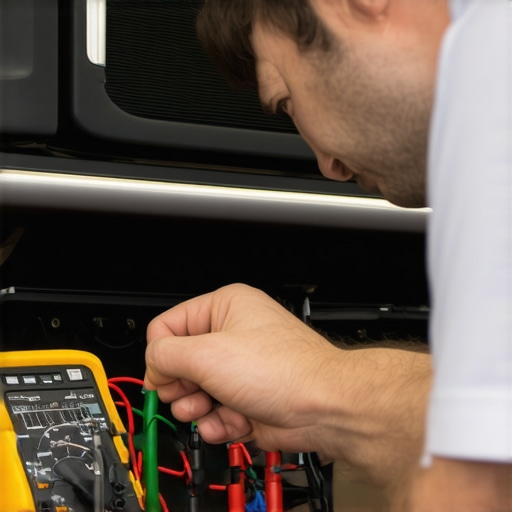
Understanding the nuanced role of grounding in preventing false slip codes underscores why comprehensive wiring diagnostics should be integral to every troubleshooting session. When sensors behave unpredictably, a meticulous inspection of ground connections can often uncover hidden issues, saving time and money. For practical guidance on establishing reliable ground paths, technicians should explore resources that emphasize the interplay between electrical stability and sensor performance, such as the detailed strategies outlined in auto repair myth-busting articles.
What Cutting-Edge Tools Are Changing the Game for Ground Fault Detection?
Emerging diagnostic technologies, including high-resolution oscilloscopes equipped with advanced filtering capabilities, empower technicians to distinguish between genuine mechanical faults and electrical anomalies. Combining these tools with vehicle network analyzers enables real-time monitoring of electrical signals under varying operating conditions. This approach allows for pinpointing transient grounding issues that static tests may overlook. Embracing such innovations requires ongoing training and community engagement—sharing insights and experiences through platforms like our contact page fosters collective expertise and accelerates problem-solving in complex electrical diagnostics.
In essence, maintaining pristine ground connections isn’t merely a preventive measure; it is a critical diagnostic strategy for safeguarding vehicle performance. By focusing on the electrical backbone, technicians can reduce diagnostic errors, optimize repair procedures, and extend the lifespan of transmission and sensor systems. Exploring comprehensive guides such as questions to ask your mechanic can further empower you to become a more discerning vehicle owner or repair professional.
Innovative Diagnostic Strategies Uncover Subtle Grounding Flaws
As automotive electronics become increasingly complex, the importance of precise grounding protocols cannot be overstated. Advanced diagnostic tools, such as time-domain reflectometers and impedance analyzers, allow technicians to detect minute irregularities in ground pathways. These instruments excel at identifying parasitic resistances or intermittent connections that traditional multimeters might overlook, thereby confirming suspicions of hidden grounding faults. Incorporating these cutting-edge techniques into routine diagnostics elevates troubleshooting accuracy, especially in cases where conventional methods yield inconclusive results.
How can modern impedance testing revolutionize ground fault detection?
Impedance testing provides a frequency-specific assessment of electrical pathways, exposing subtle variations that could compromise signal integrity. By analyzing the phase and magnitude of impedance across ground circuits, technicians gain insights into potential fault conditions—such as corroded contacts or loose connections—that manifest only under certain operational frequencies. Such detailed data, when interpreted alongside sensor performance logs, facilitates targeted repairs, minimizing guesswork and unnecessary part replacements.
Moreover, leveraging software-integrated diagnostics platforms enables real-time visualization of impedance spectra during vehicle operation. This holistic approach empowers technicians to pinpoint transient ground disturbances correlating with specific driving conditions or electrical loads, thus addressing root causes rather than symptoms. Embracing these sophisticated techniques fortifies the diagnostic arsenal against elusive ground faults that produce false slip codes and other misleading fault signals.
Integrating Machine Learning for Predictive Electrical Diagnostics
Beyond conventional hardware tools, artificial intelligence (AI) and machine learning (ML) are carving new paths in automotive electrical diagnostics. By analyzing vast datasets encompassing sensor signals, ground resistance patterns, and vehicle operating parameters, ML algorithms can identify anomalies indicative of impending grounding issues before they manifest as fault codes. This proactive approach transforms maintenance from reactive repairs to predictive interventions, significantly reducing downtime and repair costs.
For instance, data-driven models trained on diverse vehicle profiles can recognize unique electrical signature deviations suggestive of micro-fractures or corrosion in ground wires. Integrating these insights into diagnostic workflows enables technicians to perform targeted inspections, enhancing both efficiency and accuracy. As the automotive industry advances, embracing AI-powered diagnostics promises to elevate grounding troubleshooting to an entirely new discipline of precision engineering.
Addressing Environmental and Design Factors Influencing Ground Integrity
Environmental conditions—such as moisture, thermal cycling, and chemical exposure—play a pivotal role in ground wire degradation. Vehicles operating in harsh climates or off-road environments are especially susceptible to corrosion and insulation breakdown, which compromise ground pathways. Furthermore, vehicle design choices, including the use of improper materials or insufficient grounding points, can exacerbate electrical instability over time.
To mitigate these issues, manufacturers and technicians alike should prioritize environmental resilience in grounding strategies. Employing corrosion-resistant materials, adopting sealed grounding connections, and ensuring proper routing to avoid exposure to contaminants are fundamental practices. Regular inspections focusing on vulnerable areas, coupled with preventive measures like dielectric grease application and protective sheathings, extend the longevity of electrical grounds. Recognizing these external and design influences underscores that ground integrity is a continuously maintained asset—not a one-time fix.
Enhancing Grounding Robustness with Innovative Materials
The development and adoption of advanced materials—such as conductive polymers and nano-composite conductors—offer promising avenues for improving ground connection durability. These materials exhibit superior resistance to corrosion, thermal stress, and mechanical wear, making them ideal candidates for critical grounding applications in modern vehicles. Integrating such innovations into wiring harnesses and grounding strips can significantly reduce the incidence of parasitic resistances that lead to false fault codes.
Research by the National Institute of Standards and Technology (NIST) highlights the potential of nano-structured conductors in enhancing electrical stability. By leveraging these materials, designers can create grounding solutions capable of withstanding extreme conditions while maintaining low resistance and high reliability. Transitioning to these cutting-edge materials requires collaboration between OEMs, material scientists, and repair technicians, fostering a future where ground faults become even less probable and diagnostics more definitive.
Engage and Evolve: Building Expertise in Electrical Grounding Troubleshooting
The path to mastering intricate grounding diagnostics involves continuous learning and collaboration. Professionals are encouraged to participate in specialized training programs, attend industry conferences, and contribute to online forums dedicated to automotive electrical systems. Sharing real-world experiences, such as successful interventions in complex grounding scenarios, enriches collective knowledge and accelerates problem-solving capabilities.
Furthermore, developing a systematic troubleshooting checklist that incorporates emerging tools and techniques ensures consistency and thoroughness. As vehicle electrical architectures evolve, so must the skill set of technicians—embracing both foundational principles and innovative diagnostic methodologies. To deepen your understanding and stay ahead of common pitfalls, explore authoritative resources like SAE International’s technical publications on vehicle electrical systems and diagnostics.
The Electrical Nerve Center: How Proper Grounding Transforms Diagnostic Precision
In advanced automotive diagnostics, the subtleties of electrical grounding profoundly influence the accuracy of fault detection systems. When ground pathways are compromised—be it through corrosion, loose connections, or subpar design—the resulting electrical noise can mimic or obscure genuine mechanical issues like transmission slip faults. Recognizing the pivotal role of a vehicle’s grounding infrastructure is essential for technicians aiming to avoid diagnostic pitfalls and unnecessary repairs.
Beyond Surface Checks: Detecting Micro-Loops That Evade Ordinary Inspection
While visual inspections often reveal obvious corrosion or loosened grounds, the real challenge lies in identifying micro-loops—minute disconnections or subtle resistance variations invisible to the naked eye. Employing specialized tools such as micro-ohmmeters or advanced impedance analyzers enables experts to uncover these hidden faults, which subtly distort sensor signals and generate false slip codes. These nuanced issues underscore the necessity of leveraging high-precision diagnostics in leading-edge auto repair practices.
How Do Electrical Noise and Ground Loops Cause Diagnostic Confusion?
Electrical noise generated by ground loops—situations where multiple grounds create unintended current paths—can significantly impair sensor signals like throttle position or vehicle speed. In such cases, the TCM receives erratic data, erroneously indicating slipping conditions. According to a comprehensive study published in the IEEE Transactions on Vehicular Technology, optimizing ground integrity is vital to minimize electromagnetic interference and ensure signal fidelity, thereby preventing false fault codes from clouding diagnostic conclusions.
Innovate Your Inspection Arsenal with Advanced Ground Testing Techniques
To transcend conventional methods, technicians are turning to cutting-edge diagnostic equipment: frequency-domain reflectometers, impedance spectrometers, and real-time network analyzers. These tools facilitate detection of transient grounding issues that manifest only under specific operational loads. Integrating such technologies into regular diagnostic routines enhances the ability to pinpoint insidious grounding faults, ultimately reducing diagnostic ambiguity and repair cycles.
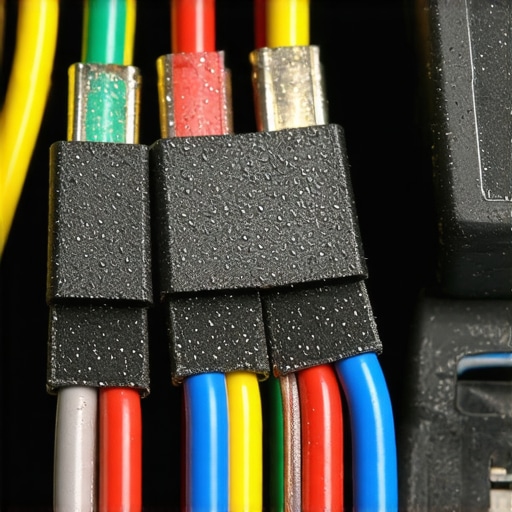
Implementing high-fidelity ground testing not only clarifies the root causes of false slip codes but also elevates the standard of safety and reliability in automotive repair. Mastery of these sophisticated techniques empowers technicians to confidently address electrical anomalies, safeguarding vehicle longevity and driver assurance. For a deeper dive into these diagnostic innovations, explore resources like SAE International’s technical papers on vehicle electrical systems.
Why Stress-Test Ground Connections to Prevent Diagnostic Mysteries?
Subjecting ground pathways to dynamic testing—such as applying controlled voltage pulses or simulating environmental stressors—can reveal vulnerabilities that static inspections overlook. This proactive approach ensures that ground integrity holds under real-world conditions, not just ideal laboratory scenarios. Such rigorous testing routines, aligned with manufacturer specifications, are instrumental in preempting electrical disturbances that cause false fault indications.
Bridging Material Science and Diagnostics for Ground Resilience
Advances in conductive materials—like nano-coatings and flexible printed circuits—offer durable solutions for maintaining low-resistance, corrosion-resistant ground connections. Implementing these innovations within wiring harnesses and grounding points markedly enhances electrical stability, especially in demanding environments. Collaborations between material scientists and automotive engineers are driving this evolution, promising vehicles with inherently more reliable electrical architectures that simplify diagnostics and reduce false alarms.
Empowering Technicians Through Continuous Learning and Community Exchange
Mastery of ground fault diagnostics hinges on ongoing education and experience sharing. Connecting with industry forums, participating in specialized training, and reviewing case studies on complex grounding issues cultivate a deeper understanding of nuanced electrical behaviors. Platforms such as SAE’s technical resource networks facilitate a collaborative learning environment, ensuring technicians stay at the forefront of diagnostic innovation and best practices.
How Can Integration of AI and Data Analytics Revolutionize Ground Fault Predictions?
Emerging applications of artificial intelligence and machine learning analyze extensive datasets—including sensor signals, environmental conditions, and historical fault patterns—to predict potential grounding failures before they manifest as fault codes. These predictive diagnostics enable preemptive maintenance, minimizing vehicle downtime and unraveling complex electrical interactions that traditionally challenge even seasoned technicians. Embracing such analytical tools signifies a transformative shift toward smarter, more reliable vehicle health management.
Environmental Factors’ Quiet Impact on Ground Reliability
Factors such as moisture infiltration, thermal cycling, and chemical exposure subtly deteriorate ground connections over time, especially in vehicles subjected to harsh conditions. Implementing protective measures—like sealed connections, corrosion-resistant coatings, and strategic routing to avoid contaminant exposure—fortifies the electrical backbone. Routine assessments that consider environmental influences play a crucial role in maintaining consistent sensor performance and diagnostic clarity.
The Future of Grounding Materials: Nano-Enhanced Conductors
Progress in material science yields nano-structured conductors capable of resisting wear, corrosion, and thermal stress, revolutionizing ground connection durability. These ultra-reliable conductors ensure stable electrical paths even in demanding automotive environments, drastically reducing the incidence of parasitic resistance issues that generate false fault codes. Collaborations between industries are paving the way for this next-generation grounding infrastructure, promising a future with fewer electrical anomalies and more straightforward diagnostics.
The Path Forward: Developing a Mastery in Ground Diagnostics
Achieving excellence in electrical grounding troubleshooting requires a commitment to continuous education, embracing innovative tools, and sharing insights within the professional community. Building a comprehensive diagnostic approach that integrates traditional testing with advanced impedance analysis, environmental assessments, and predictive analytics positions technicians as true experts capable of resolving intricate electrical puzzles efficiently. Explore ongoing training programs and technical publications to solidify your expertise and contribute to elevating industry standards.
Expert Insights & Advanced Considerations
Prioritize Ground Circuit Integrity for Accurate Diagnostics
Ensuring the stability and cleanliness of ground connections is fundamental in electronics troubleshooting, especially when false slip codes appear. A thorough inspection of ground straps, corrosion, and contact surfaces can reveal hidden faults that standard sensor testing may overlook, making this a non-negotiable step in advanced diagnostics.
Utilize High-Resolution Oscilloscopes to Detect Transient Ground Noise
High-fidelity oscilloscopes enable technicians to visualize electrical signals in real-time, distinguishing between genuine mechanical slips and electrical noise caused by ground disturbances. These insights guide precise repairs, preventing unnecessary component replacements and enhancing diagnostic confidence.
Incorporate Impedance Analyzers to Uncover Micro-Loops
Impedance testing can identify parasitic resistances and micro-loops invisible to traditional multimeters. By pinpointing these subtle faults, professionals can address issues that are quietly corrupting sensor signals, thus eliminating false fault codes at their source.
Implement Environmental Stress Testing for Long-Term Ground Stability
Applying controlled environmental stresses, such as thermal cycling and moisture exposure, can uncover weaknesses in ground connections before they cause diagnostic errors. Regularly stress-testing grounding points ensures sustained electrical stability across a vehicle’s lifespan.
Leverage AI and Data Analytics for Predictive Ground Fault Detection
Machine learning algorithms analyze vast datasets to identify patterns indicating impending ground-related issues. These predictive models enable preemptive maintenance, reducing downtime and avoiding false slip warnings caused by unseen electrical degrading factors.
Curated Expert Resources
- SAE International Journal of Vehicle Electronics – Offers cutting-edge research on electrical noise mitigation and grounding best practices, vital for diagnostic precision.
- IEEE Transactions on Vehicular Technology – Provides in-depth studies on electrical interference and ground loop effects impacting sensor data accuracy.
- Automotive Electronics Masterclass by Industry Leaders – An online course compiling hands-on techniques and case studies in ground fault detection and repair.
- National Institute of Standards and Technology (NIST) Publications – Technical guidelines on advanced impedance testing methods applicable to automotive grounding systems.
- Industrial and Automotive Sensor Signal Integrity Resources – Offers insights into maintaining sensor accuracy through robust grounding and shielding strategies.
Final Perspective Crafted by an Industry Veteran
Detecting false slip codes requires an elevated understanding of the vehicle’s electrical backbone, notably the grounding systems that serve as its silent foundation. As electronic systems become increasingly sophisticated, so must our diagnostic approaches—embracing high-resolution tools, predictive analytics, and meticulous environmental testing. Mastery of these advanced elements empowers technicians to eliminate the guesswork from troubleshooting and uphold the highest standards in automotive repair. For those committed to excellence, engaging with authoritative sources such as auto repair myth-busting articles and industry technical publications will cement your expertise and keep you ahead in this complex field.
Comments are closed.