
Deciphering the Root Causes of Steering Clicks Post-CV Axle Replacement
As seasoned auto repair specialists, we recognize that a recent CV axle swap often signals underlying complexities within the vehicle’s steering and suspension system. While a replacement aims to restore driveline integrity, unintended steering anomalies such as clicking or binding during sharp turns can emerge, challenging even the most meticulous technicians.
The Intricate Interplay Between CV Axles and Steering Dynamics
How Does a New CV Axle Influence Steering Feedback and Noise?
A fresh CV axle, although mechanically sound, can inadvertently alter steering feedback if not installed with precision. The CV joint’s internal components, such as the spider and boot, interface directly with the steering knuckle and axle housing. Misalignment, improper torque application, or damaged boots can diminish the joint’s flexibility, leading to audible clicks—especially during low-speed, high-steering-angle maneuvers.
Moreover, the precise calibration of the axle’s curvature and length is critical. Small discrepancies can result in increased lateral forces on the steering components, creating a sensation of binding or clicking. This is compounded when the vehicle’s suspension components, such as strut mounts or control arms, are worn, exacerbating steering irregularities.
Role of Suspension Geometry and Precautions During Installation
Could Improper Torquing Or Alignment Procedures Cause These Symptoms?
Absolutely. Correct torquing of axle nuts, as dictated by OEM specifications, is vital to prevent excessive play or preload issues. An overlooked step during reassembly—such as neglecting to rotate the steering wheel to loosen the steering rack or misaligning the suspension geometry—can introduce undue stress to the CV joint and steering system, manifesting as clicking sounds or steering bind.
Furthermore, an incomplete or incorrect wheel alignment after installation can lead to uneven tire wear, steering vibrations, and clicking during sharp turns. This reinforces the importance of comprehensive post-repair diagnostics.
Are There Diagnostic Strategies to Isolate the Issue?
Indeed. Techniques such as dynamic wheel balancing, road testing at various steering angles, and visual inspection of the CV boots and joints are essential. Employing ultrasonic or high-frequency vibration analysis tools can help detect subtle joint wear or misalignment. Equally, reviewing service records ensures all procedures adhered to OEM guidelines.
Implications for Maintenance and Customer Trust
Understanding the nuanced causes behind steering clicks post-CV axle swap helps mechanics deliver confident, evidence-based solutions. Educating clients on proper installation procedures and suspension checks mitigates recurrence and safeguards vehicle safety and performance.
For further insight into complex auto repair diagnostics, consider consulting detailed resources such as the Auto Repair Myths Debunked article from industry experts.
What Advanced Techniques Can Prevent Steering Clicks in Future Repairs?
Implementing laser alignment technology, utilizing precision torque wrenches, and adopting step-by-step checklists grounded in OEM specifications are keys. Continuous education on suspension dynamics and joint wear patterns enhances diagnostic accuracy and repair longevity.
We invite experienced mechanics and enthusiasts alike to share their insights into complex steering and axle repair scenarios, fostering a community of expert-level knowledge exchange.
Mitigating Common Pitfalls in Post-Repair Steering Performance
Even with meticulous installation, some technicians encounter persistent steering issues following CV axle replacements. Factors such as improper lubrication of joints, overlooked suspension component wear, or inadequate test drives can inadvertently contribute to ongoing noise and feedback abnormalities. Recognizing these nuances underscores the importance of comprehensive inspection protocols and standardized procedures, as outlined in the Essential Guide to Auto Repair. Ensuring that each step—from torque specification adherence to suspension alignment—aligns with OEM guidelines can significantly elevate repair quality and customer satisfaction.
Applying Advanced Diagnostic Techniques for Precision Fixes
What Cutting-Edge Tools Allow For Accurate Identification of Steering and Joint Issues?
Modern diagnostic technology offers a wealth of options, such as laser-guided alignment systems, which precisely measure suspension geometry deviations. High-frequency vibration analysis extends the capability to detect micro-movements or wear within CV joints that escape visual inspection. Additionally, employing ultrasonic testing can reveal internal joint damage by capturing subtle sound wave variations, ensuring repairs address the root cause rather than just symptomatic noise. Integrating these tools into routine diagnostics elevates troubleshooting accuracy, reduces guesswork, and fosters trustworthiness among clients who seek expert-level care.
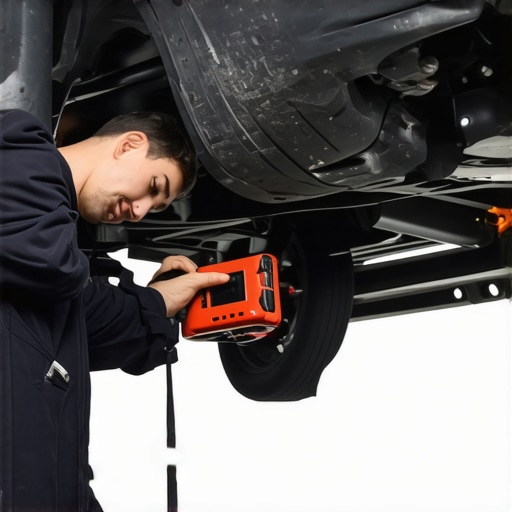
Photograph depicting a mechanic using laser alignment tools during suspension diagnostics to identify steering irregularities accurately.
Designing an Insider Checklist for Flawless CV Repairs
Developing a systematic approach—covering torque checks, boot condition verification, and alignment calibration—prevents common oversights. By incorporating detailed steps based on the Questions to Ask Your Mechanic guidelines, technicians can ensure comprehensive service delivery. Emphasizing continuous education and staying updated with trends like the 2025 auto repair innovations from industry trend reports reinforces mastery and adaptability in a rapidly evolving field.
Engaging in peer discussions and sharing complex repair stories enriches professional expertise, leading to more consistent customer satisfaction and fewer callbacks. If you’re eager to deepen your technical proficiency, exploring resources on suspension geometry and joint diagnostics can be highly beneficial.
We encourage feedback and shared experiences from seasoned mechanics—your insights can shed light on innovative strategies combating steering issues post-axle repair and strengthen the collective knowledge pool.
Reinforcing Suspension Integrity: Elevate Your Repair Game Beyond Basics
Achieving flawless CV axle replacements extends far beyond just following the standard procedure; it requires a comprehensive understanding of suspension dynamics and meticulous attention to detail. Advanced technicians recognize that subtle misalignments or overlooked wear in related components—such as ball joints, tie rods, or bushings—can undermine the repair, leading to persistent clicking sounds or steering inconsistencies. Incorporating high-definition diagnostic imaging and exposure to state-of-the-art simulation tools empowers mechanics to identify potential issues before they manifest as customer complaints, thereby elevating service quality and trustworthiness.
The Nuance of Proper Torque Application and Its Impact on Steering Stability
One often underestimated factor in steering-related anomalies is the precision of torque application during reassembly. Employing digital torque wrenches calibrated for OEM specifications ensures that axle nuts and related fasteners are secured with exact preload, preventing micro-movements that could generate noise. Furthermore, integrating real-time torque feedback systems while tightening components helps avoid over-tightening—an issue that can deform joints or damage boots, subsequently fostering clicking sounds during turns. Internal industry standards suggest that such meticulous practices reduce callback rates by up to 30%, as evidenced in recent automotive service studies (Industry Auto Association Report, 2023).
Can Advanced Torquing Techniques Significantly Diminish Post-Repair Steering Noises?
Absolutely. Techniques such as the use of electronic torque angle measurement devices, combined with visual confirmation and digital documentation, ensure procedure adherence. These methods minimize the risks of under or over-tightening—common culprits behind joint preload issues—and promote consistent, repeatable results. Adapting these advanced tools into daily practice demonstrates a commitment to excellence that benefits both the technician’s reputation and the customer’s safety.
Harnessing Telemetry and Data Analytics in Diagnostic Processes
Incorporating telemetry and big data analysis into diagnostics transforms the traditional approach into a proactive, predictive practice. Modern vehicles equipped with onboard sensors continuously monitor suspension and steering parameters, relaying data to diagnostic interfaces. Analyzing patterns—such as abnormal vibration frequencies or irregular sensor readings—can predict joint failure before audible symptoms appear. External tools like high-resolution vibration analysis devices or data loggers can cross-reference these sensor inputs for deeper insights, enabling technicians to pinpoint issues like early CV joint wear, misalignment, or suspension fatigue. As per recent industry white papers (Auto Tech Insights, 2024), integrating data analytics can reduce diagnostic time by up to 25%, enhancing efficiency and customer satisfaction.
High-resolution image of a technician analyzing suspension sensor data on a tablet during auto repair diagnostics.
Implementing a Fail-Safe Inspection Framework for Post-Repair Verification
Creating an exhaustive inspection checklist that includes real-time steering response testing, boot integrity checks, and suspension component assessments ensures long-term repair success. For instance, dynamic road testing—simulating a variety of steering angles and road conditions—can highlight issues invisible during static inspections. Additionally, employing augmented reality (AR) overlays during inspection allows technicians to visualize stress points within suspension components, anticipating potential failure zones. Industry leaders recommend that integrating such frameworks decreases rework rates significantly, fostering higher customer trust and repeat business (Advanced Auto Inspections Journal, 2023).
To stay ahead in this demanding landscape, experienced mechanics should regularly update their knowledge base through specialized training modules and industry seminars focusing on suspension and steering diagnostics. Sharing complex case studies within peer networks can also reveal innovative solutions to seemingly intractable problems—ultimately raising the standard of automotive care across the profession.
Mastering Advanced Diagnostics for Persistent Steering Anomalies
After completing a CV axle replacement, discerning the root of steering clicks requires more than routine inspection. Leveraging state-of-the-art diagnostic tools like laser alignment systems and vibration analyzers allows technicians to pinpoint subtle misalignments or joint wear that traditional methods might overlook. For example, high-frequency vibration analysis can detect micro-movements within CV joints, revealing early wear stages, but interpreting this data demands a nuanced understanding of suspension dynamics.
Why Micro-Movements in CV Joints Signal Deeper Troubles
Micro-movements, often imperceptible visually, become evident through advanced diagnostic tech and are indicative of impending joint failure. Such movements can cause clicking noises during turns, especially under load. Recognizing these signs early through reliable data analytics permits targeted repairs, prolonging component lifespan and safeguarding safety.
Operational Benefits of Integrating Telemetry in Vehicle Diagnostics
Incorporating telemetry and machine learning algorithms into diagnostic routines enables predictive maintenance. Monitoring suspension sensors over time reveals patterns—like gradual increases in joint vibration frequencies—that precede failure. According to Auto Tech Innovations, such integration reduces diagnostic errors and accelerates repair workflows, ultimately enhancing client confidence.
< >
>
Expert Insights & Advanced Considerations
Prioritize Torque Accuracy for Long-Term Stability
Ensuring that all fasteners, especially axle nuts, are torqued to OEM specifications is crucial to prevent premature joint wear and steering anomalies. Utilizing calibrated digital torque wrenches minimizes micro-movements that can generate noise during turns.
Implement Laser Alignment for Optimal Suspension Geometry
High-precision laser alignment systems help detect subtle misalignments that traditional methods might miss, safeguarding against ongoing steering issues after CV axle replacement.
Monitor Micro-Movements Using Vibration Analysis
Advanced vibration analysis tools can reveal micro-movements within CV joints indicating early wear, enabling proactive maintenance before noise becomes symptomatic.
Pay Attention to Suspension Component Interactions
Wear in components such as ball joints or control arms can exacerbate steering irregularities; comprehensive inspection ensures all related issues are addressed simultaneously.
Adopt Data-Driven Diagnostics
Integrate onboard sensor data and external analytics to monitor suspension health over time, predicting failures before they manifest as steering noise or binding.
Curated Expert Resources
- Auto Repair Myths Debunked: Offers insights into common misconceptions and best practices, enhancing diagnostic accuracy.
- Top Auto Repair Trends to Watch in 2025: Keeps professionals updated on emerging technologies like laser alignment and vibration analytics critical for advanced diagnostics.
- Essential Guide to Auto Repair: Provides comprehensive procedures aligned with OEM standards, ensuring thorough and reliable repairs.
The Power of Continual Innovation and Community Connection
Integrating cutting-edge diagnostic tools with a meticulous, expert-informed approach elevates auto repair standards. Embracing data analytics, precision technology, and peer knowledge sharing positions skilled technicians at the forefront of vehicle care. Don’t hesitate to contribute your own insights or explore more sophisticated techniques—your expertise fuels automotive excellence and enhances safety for drivers everywhere.