The Hidden Dynamics of Engine Idle Quality Post-Spark Plug Replacement
Maintaining optimal engine idle smoothness is a complex interplay of various systems working in harmony. When a mechanic replaces spark plugs and the vehicle’s idle remains rough, it often indicates underlying issues that transcend mere component substitution. Understanding these intricacies requires a nuanced approach rooted in professional auto repair expertise, leveraging insights from reputable industry sources such as the Auto Repair Myth Busting white paper.
Analyzing the Impact of Ignition System Interdependencies on Idle Stability
Could Improperly Seated Spark Plugs Disrupt Engine Synchronization at Idle?
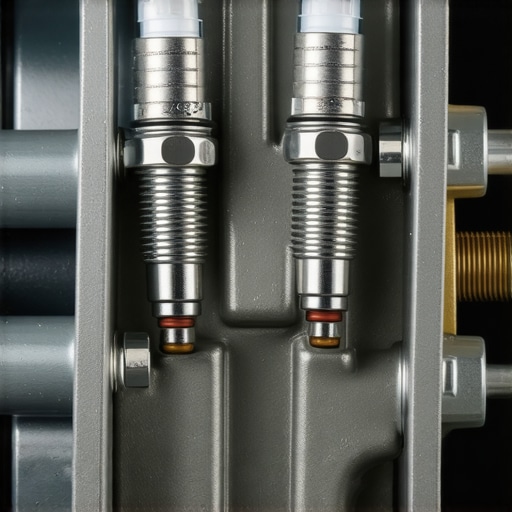
One common oversight during spark plug installation involves improper seating or torque application, which can cause misfires or combustion inconsistencies. These issues directly affect the engine’s ability to establish a stable idle, especially in engines with complex ignition systems like GDI (Gasoline Direct Injection) engines. Advanced diagnostics using oscilloscopes and ignition wave analysis can help pinpoint such misalignments, ensuring precise engine timing and combustion efficiency.
The Critical Role of Fuel Delivery and Sensor Calibration
Beyond ignition components, fuel system integrity and sensor calibration significantly influence idle quality. Each replacement of spark plugs presents an opportunity for the mechanic to verify the integrity of the fuel injectors, oxygen sensors, and the throttle body. An overlooked aspect might be the need to recalibrate sensors or clear adaptive memory in the engine control unit (ECU), which is essential for engines that utilize adaptive fuel mapping algorithms. For authoritative guidance, refer to Choosing a Skilled Mechanic.
Engine Load Variability and Electronic Control Module Tuning
Modern vehicles incorporate sophisticated electronic control modules (ECMs) that dynamically adjust engine parameters based on load, temperature, and other inputs. After spark plug replacement, a mismatch between the ECM’s learned parameters and the physical state of the engine can cause rough idle. This often requires a professional reset or reprogramming of adaptive learning tables, which may be overlooked during routine service. Recognizing these subtleties underscores the importance of a highly skilled mechanic equipped with specialized diagnostic tools.
Addressing Mechanical and Vacuum System Anomalies
Mechanical issues such as vacuum leaks, worn piston rings, or intake manifold gasket failures could be the core reason for continued rough idling. Since vacuum integrity is critical for smooth engine operation at idle, a detailed inspection involving smoke tests or manifold pressure measurements is essential. These meticulous evaluations exemplify the depth of expertise necessary to resolve complex idle issues that surface post-spark plug replacement.
Are Your Spark Plugs the Only Culprit? Advanced Troubleshooting Questions
In professional auto repair, it is vital to ask: Are the spark plugs the root cause, or do they merely reveal deeper system irregularities? Master mechanics often test for correct ignition timing, verify fuel system performance, and inspect for mechanical wear before deeming a spark plug replacement successful. Such thorough diagnostics prevent recurring idle problems and foster long-term vehicle reliability. For further insight into comprehensive auto diagnostics, see Auto Repair Cost-Saving Tips.
Exploring these layers of complexity highlights the necessity of expert intervention, particularly when a seemingly simple spark plug replacement does not resolve idle roughness. Vehicle owners and professionals alike must recognize that each component interacts within a larger ecosystem, where neglecting subtle system nuances can result in persistent performance issues. For those seeking to advance their understanding, consider consulting specialized automotive diagnostics courses or industry standards outlined by organizations such as SAE International.
Engagement with experienced technicians and continuous education in the latest repair techniques are keys to mastering problem resolution in complex engine systems. If you are a professional technician or enthusiast aiming to elevate your diagnostic skills, share your insights or inquire about advanced training opportunities on our Contact Us page.
Why Engine Tune-Up Precision Matters More Than You Think
When addressing rough idle symptoms post-spark plug replacement, many overlook the importance of proper engine tuning. Fine-tuning involves more than replacing parts; it requires ensuring that the engine’s electronic and mechanical systems are calibrated for optimal harmony. For example, resetting adaptive learning values in the engine control unit (ECU) can dramatically improve idle stability. To learn effective strategies, visit Tune-Up Strategies.
The Hidden Impact of Intake System Residues
Residual dirt, carbon deposits, or oil residues in the intake manifold can subtly influence engine airflow, causing irregular combustion and rough idling. Cleaning these components during service can prevent misalignments that manifest as idle fluctuations. Employing advanced cleaning techniques, such as aerosolized intake cleaners, can be beneficial. Recognizing these nuanced impacts is essential for comprehensive diagnostics, as highlighted in authoritative sources like Auto Repair Myth Busting.
Could a Dirty Throttle Body Be the Undoing of Your Idle Performance?
The throttle body regulates air intake to the engine, and buildup of carbon or grime here can cause asymmetrical airflow, leading to rough idle. Regular inspection and cleaning of this component should be part of advanced diagnostic procedures. Notably, electronic throttle bodies often have adaptive learning features that require a reset after cleaning. For detailed guidance, check Questions to Ask Your Mechanic.
Are There Hidden Sensors Sabotaging Your Idle Stability?
Many vehicle owners assume that faulty spark plugs cause all misfires or rough idles, but sensor malfunctions—such as a failing MAF or coolant temperature sensor—can produce similar symptoms. These sensors inform the ECU about engine conditions; if they send inaccurate data, the engine may struggle to establish a steady idle despite new spark plugs. Advanced diagnostic tools can identify sensor faults beforehand, preventing unnecessary part replacements. For authoritative insight, consider reviewing Auto Repair Cost-Saving Tips.
Engaging in comprehensive diagnostics that extend beyond basic component replacements reduces the risk of recurring idle issues. For those dedicated to mastering auto diagnostics, exploring industry standards outlined by SAE International offers invaluable knowledge. If you want to improve your troubleshooting skills or share your experiences, visit our Contact Us page for expert advice or to connect with industry peers.
Fine-Tuning Engine Parameters to Restore Idle Precision
Achieving optimal idle stability after spark plug replacement often necessitates a meticulous review of engine tuning parameters. Modern vehicles leverage adaptive control algorithms that learn and refine engine operation during driving cycles. When these systems detect discrepancies—such as slight misfires or uneven combustion—they adjust fuel delivery, ignition timing, and idle speed accordingly. However, such adaptations can sometimes become maladaptive if prior conditions were persistently problematic, requiring a professional reset of adaptive tables. Engaging in a comprehensive reprogramming session using manufacturer-specific diagnostic tools can realign engine performance, ensuring that the vehicle’s electronic systems support smooth idling and overall efficiency. Expert-level diagnostics may also involve inspecting adaptive learning history stored within the ECU, which can reveal persistent irregularities that need addressing before recalibration. This process underscores the importance of using high-precision scan tools and software to achieve a harmonized engine control environment.
Integrating Vacuum System Diagnostics in Complex Engine Repairs
Vacuum integrity plays a pivotal role in maintaining engine stability, especially when subtle leaks remain undetected post-installation of new spark plugs. Advanced vacuum testing techniques, such as smoke testing and pressure decay assessments, are invaluable in pinpointing small leaks that may have been overlooked. For instance, even minor cracks in the intake manifold gasket or deteriorations in vacuum hoses can create inconsistencies in air-fuel mixture proportions, leading to rough idling or stalling. Modern diagnostic equipment—with high-resolution pressure sensors—enables technicians to observe real-time vacuum fluctuations, facilitating precise repairs. Understanding the complex interplay between vacuum pressure, sensor feedback, and engine airflow underscores the necessity for highly skilled diagnostics, particularly in vehicles with emission control systems that incorporate multiple vacuum-controlled actuators. For further insight, consult the detailed procedures outlined in SAE International’s Service Technology Standard J1450, which provides standardized methodologies for vacuum diagnostics in contemporary engines.
Enhancing Engine Synchronization Through Precision Tuning Techniques
Achieving impeccable idle stability after spark plug installation involves more than surface adjustments; it demands meticulous synchronization of engine components. High-level tuning programs leverage manufacturer-specific calibration protocols to fine-tune fuel maps, ignition timing, and idle speed controls. Implementing these advanced strategies ensures the engine’s electronic control unit (ECU) adapts appropriately to new spark plugs, minimizing misfires and rough idling episodes. Incorporating real-time data from dynamometers or advanced simulation tools can help technicians calibrate the engine for optimal harmony, pushing performance boundaries beyond standard procedures.
Decoding Sensor Feedback Anomalies That Sabotage Idle Smoothness
Beyond replacing physical components, a crucial layer of diagnostics revolves around sensor accuracy. Sensors such as the Mass Air Flow (MAF), Manifold Absolute Pressure (MAP), and coolant temperature sensors provide critical data to the ECU; inaccuracies here can manifest as persistent rough idle, despite new spark plugs. Deploying sophisticated diagnostic scanners allows for real-time monitoring of sensor signals, revealing deviations that might not be apparent during visual inspection. Calibration or replacement of malfunctioning sensors is often the key to restoring seamless engine operation, emphasizing the importance of understanding sensor behaviors at a circuit level as outlined by SAE standards.
Advanced Combustion Dynamics and Their Impact on Idle Optimization
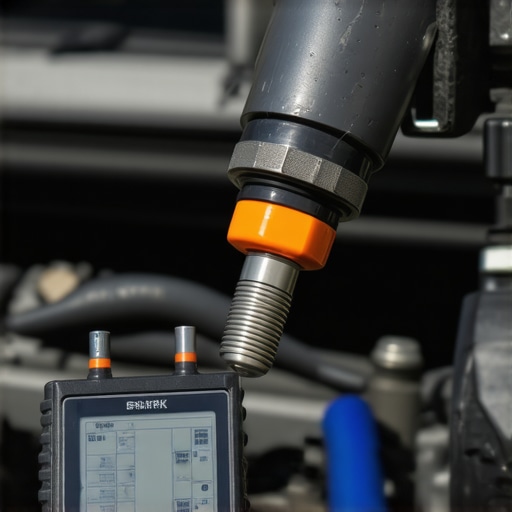
The science of combustion control extends into the realm of in-cylinder pressure mapping and laser diagnostics, offering insights into the micro-events influencing idle quality. Slight variations in combustion chamber pressures or burn durations can destabilize idle performance, especially in high-performance or turbocharged engines. Employing techniques such as cylinder pressure analysis or high-speed imaging helps experts diagnose subtle irregularities, fostering targeted interventions that elevate engine smoothness to new levels. These methods demand specialized equipment and expert interpretation, aligning with industry-leading research from organizations like SAE International.
Aligning Mechanical Integrity with Electronic Precision for Peak Performance
Acknowledging that mechanical wear—such as piston ring degradation or valve seat erosion—may subtly influence idle stability is vital. Incorporating non-invasive imaging techniques, like endoscopic inspection or ultrasonic testing, allows for early detection of internal wear without extensive disassembly. Coupled with electronic diagnostics, these procedures facilitate a holistic approach to engine restoration, ensuring mechanical endurance supports electronic calibrations. Integrating these diagnostic modalities epitomizes a comprehensive strategy rooted in the duality of mechanical and electronic system mastery, as emphasized by automotive industry standards.
Challenging Assumptions: Is Your Diagnostic Approach Missing the Mark?
Seasoned technicians recognize that persistent idle issues often have roots beyond the immediately apparent. Questioning assumptions—such as the spark plugs being solely responsible—is fundamental. Advanced troubleshooting may involve verifying ECU adaptive learning records, inspecting wiring harness integrity, or conducting flow bench tests for airflow obstructions. Modern vehicles with continually evolving electronics call for an analytical mindset and deep familiarity with diagnostic workflows. Adopting a systematic approach rooted in industry-best practices, as detailed by SAE guidelines, can transform persistent issues into resolvable conditions, leading to heightened vehicle reliability.
Make the Most of Cutting-Edge Diagnostic Technology
Investing in high-resolution scan tools, step-by-step reprogramming software, and sensor simulation devices empowers technicians to pinpoint complex idle stability problems efficiently. Harnessing these tools enables the precise recalibration of engine parameters—and in some cases, reversing maladaptive learning behaviors—resulting in smoother idling and better fuel economy. For professionals eager to stay ahead, continuous education through manufacturer training and industry seminars on the latest diagnostic innovations provides a significant edge. Connect with industry experts and access the most advanced diagnostic techniques by exploring resources available through SAE International’s certification programs and technical standards.
Leadership in Auto Diagnostics and Maintenance Strategies
Prioritize System-Level Diagnostics to Uncover Hidden Issues
Rather than focusing solely on individual components like spark plugs, proactive mechanics adopt a holistic approach, examining interdependent systems—fuel delivery, sensors, vacuum lines, and electronic controls—that collectively influence idle stability. Integrating comprehensive testing tools enables high-precision diagnostics and reduces repeat repairs, fostering long-term reliability.
Leverage Technological Advances for Accurate Calibration
Advanced scan tools and ECU programming software allow technicians to recalibrate engine sensors and adaptive learning tables, aligning system behaviors with physical modifications. Skilled calibration minimizes rough idling episodes, ensuring the vehicle performs optimally post-repair.
Assess Mechanical Components for Subtle Wear
Mechanical intricacies, such as intake manifold leaks or valve timing irregularities, often escape cursory inspections. Using non-invasive imaging and leak detection technologies can reveal these hidden issues before they manifest as idle problems, emphasizing the importance of mechanical-electronic synchronization.
Avoid Complacency—Think Beyond the Obvious
Persistent rough idle after spark plug changes signals an underlying systemic problem, not merely a component replacement. Experts advocate a layered troubleshooting process, meticulously validating each system stage—fuel, sensors, ignition, and mechanical integrity—before declaring the repair complete.
Trusted Resources for Deepening Your Auto Repair Knowledge
- SAE International Standards: Offering industry-grade guidelines on vehicle diagnostics, calibration, and safety standards—an essential for serious practitioners.
- Auto Repair Myth Busting: Clarifies misconceptions about common repairs and highlights essentials often overlooked, such as sensor calibration and vacuum integrity.
- Mechanic Training Courses: Specialized programs that provide in-depth instruction on latest diagnostic tools and system interactions, elevating troubleshooting capabilities.
- Industry Certifications and Workshops: Opportunities to stay current with emerging technologies and repair best practices, ensuring your expertise remains sharp and relevant.
Elevate Your Diagnostic Approach for Lasting Results
The interplay of engine systems demands a nuanced understanding and expert-level diagnostic skills. By moving beyond superficial fixes and embracing a system-oriented mindset, automotive professionals can resolve idle inconsistencies more thoroughly and prevent future misfires. If you’re committed to refining your technical expertise, exploring advanced training resources and staying connected with industry standards positions you to excel in complex vehicle repairs. For ongoing insights and professional networking, consider engaging with our Contact Us page—your gateway to automotive mastery.