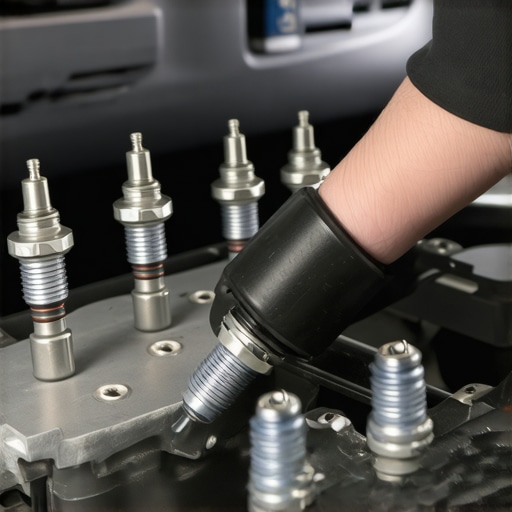
Mastering the Art of Diagnosing Persistent Misfire Codes Beyond the Basic Coil Replacement
In advanced auto repair, particularly within the realm of engine management and ignition systems, dealing with stubborn misfire codes presents a complex challenge that requires a nuanced understanding of vehicle electronics, fuel delivery, and sensor diagnostics. While replacing ignition coils is a common remedy, there are scenarios where codes persist despite new coils, indicating deeper underlying issues that demand expert-level troubleshooting techniques.
Why Are Your Misfire Codes Resistant Despite Fresh Coils?
One primary diagnostic pitfall involves overlooking the integrity of associated components such as spark plugs, wiring harnesses, or grounding points. For instance, degraded spark plugs can inhibit proper ignition even with new coils, emphasizing the importance of examining diagnostic insights from seasoned mechanics. Furthermore, circuit-related issues like poor grounding or damaged wiring can create false misfire signals, leading to misdiagnosis if not thoroughly inspected.
Electronics and Fuel System Interplay in Persistent Misfires
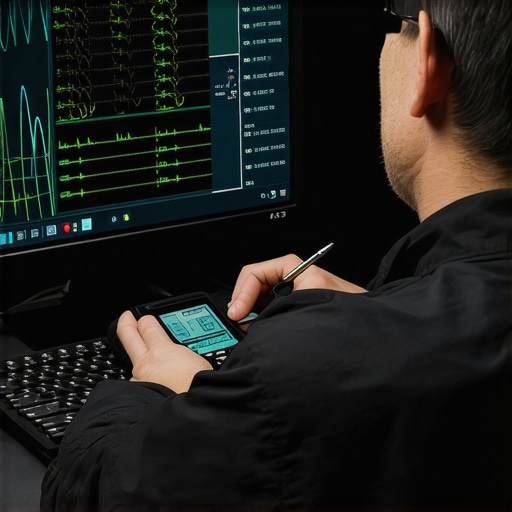
The complexity escalates when considering the role of fuel injectors, mass airflow sensors, or coolant temperature sensors. These elements influence combustion stability; thus, their malfunction can mimic ignition faults. Advanced techniques, such as using lab-grade oscilloscopes to verify coil trigger signals or performing voltage drop tests on wiring, are essential for accurate diagnostics.
Is Your Diagnostic Approach Missing Key Clues?
Often, technicians rely heavily on fault codes without correlating live data or component testing, which can obscure the root cause. For example, a faulty crankshaft position sensor might trigger misfire codes, but without testing, the true culprit remains hidden. Incorporating data from smart communication with experienced technicians can illuminate subtle issues that perpetuate engine misfires.
Enhancing Troubleshooting Strategies for Persistent Misfire Codes
Adopting a holistic diagnostic workflow is paramount. This involves verifying the integrity of ignition components, conducting comprehensive wiring inspections, and utilizing advanced scan tools capable of live data logging. Moreover, recognizing the significance of vacuum leaks, EGR valve faults, or PCM (powertrain control module) glitches can differentiate between superficial fixes and deep-rooted problems.
What Advances in Automotive Diagnostics Are Transforming Troubleshooting Reliability?
Emerging diagnostic tools such as high-resolution oscilloscopes, infrared thermal imaging, and vehicle-specific ECU programming interfaces are revolutionizing the ability to identify elusive faults. The integration of these technologies into routine diagnostics can dramatically improve the accuracy of resolving persistent misfire issues without unnecessary part replacements.
Maintaining awareness of evolving trends, such as predictive maintenance algorithms and sensor diagnostics, enables mechanics to preempt failures before they manifest as misfire codes. For professionals seeking to refine their diagnostic acumen, exploring in-depth resources like future industry trends is beneficial.
If you’re committed to excellence in auto repair, sharing your insights or querying experts about complex misfire diagnostics can elevate service quality and customer satisfaction. Dive into our comprehensive guides on tune-up strategies or brake service secrets to stay ahead in your field.
Moving Beyond Surface-Level Diagnostics for Deep-Rooted Misfire Issues
In the quest for pinpoint accuracy, experienced technicians recognize that persistent engine misfires often stem from intricate interactions within the vehicle’s electronic control systems. Merely replacing spark plugs or coils may provide temporary relief but fall short of addressing underlying causes such as PCM (powertrain control module) anomalies, sensor integration issues, or unrecognized electrical faults. Embracing advanced diagnostic protocols, including real-time data logging with high-fidelity scopes and ECU reprogramming, empowers mechanics to uncover hidden faults that standard scans might miss.
How Can Modern Diagnostic Tools Uncover Hidden Engine Puzzles?
Innovative devices like dynamic oscilloscopes and thermal imaging cameras enable technicians to observe ignition coil trigger signals, wiring integrity, and component temperature variation simultaneously. For example, thermal cameras can reveal intermittent grounding problems or coil overheating that conventional tools overlook. A recent study published by the SAE International Journal underscores how integrating these high-tech tools significantly reduces diagnostic time and increases accuracy, particularly in complex misfire scenarios.
Is Your Troubleshooting Approach Unlocking All Potential Clues?
Relying solely on fault codes without correlating live data streams, sensor waveforms, and component testing creates blind spots. For instance, a failing camshaft position sensor might cause subtle timing errors that lead to misfires, yet if the sensor’s waveform isn’t monitored during engine operation, the fault remains undetected. Learning to interpret detailed waveforms and understanding the vehicle’s engine cycles can help uncover such elusive issues, as highlighted in the mechanic’s diagnostic checklist.
Incorporating AI and Predictive Analytics into Troubleshooting
The future of auto diagnostics hinges on smart algorithms capable of analyzing vast datasets from multiple sensors to predict failures before symptoms manifest. Machine learning models trained on thousands of vehicle data points can identify subtle anomalies indicative of impending coil failures, wiring degradation, or PCM faults. Exploring these emerging trends, as discussed in the industry outlook for 2025, positions technicians to adopt proactive maintenance strategies that mitigate persistent misfire risks.
By leveraging cutting-edge diagnostic technology and embracing a data-driven approach, auto repair professionals can elevate their troubleshooting precision, reduce unnecessary parts replacements, and enhance vehicle reliability. Sharing insights or seeking expert guidance on complex diagnostics can foster continuous growth and excellence in automotive service. For advanced guidance, consider exploring comprehensive resources on professional communication and diagnostic collaboration.
Harnessing Multi-Parameter Data Analysis for Fault Isolation
Accurate diagnosis of persistent misfire issues demands an analytical approach that synthesizes data from multiple sensors and modules. Techniques such as data overlay analysis—where live signals from ignition coils, injectors, and sensor waveforms are simultaneously monitored—enable technicians to identify latent faults hidden within complex interactions. This methodology surpasses traditional single-signal testing, revealing discrepancies that could signify wiring anomalies, control signal delays, or sensor calibration drifts. Integrating these insights into diagnostic routines allows for a more precise pinpointing of root causes, reducing trial-and-error replacements and fostering long-term vehicle reliability.
Deep Dive into ECU Reprogramming and Firmware Integrity
Modern engine control units (ECUs) are not static entities; they can be reprogrammed to optimize performance or address software malfunctions that contribute to misfire symptoms. Firmware corruption or outdated calibration maps may distort ignition timing or fuel delivery, causing misfires that evade basic diagnostics. Proactive reprogramming with manufacturer-specific tools ensures that ECU algorithms are aligned with the latest updates, bug fixes, and calibration settings. It’s crucial to verify firmware integrity through checksum validation and to be aware of potential cybersecurity concerns associated with ECU reprogramming, as detailed in reports by the SAE International. This step can often resolve issues that traditional hardware diagnostics overlook, particularly when combined with thorough wiring and sensor evaluations.
How Do You Validate Sensor Data in Real-Time to Ensure Diagnostic Accuracy?
Validating sensor data during active engine cycles is fundamental to accurate diagnostics. Employing high-speed oscilloscope measurements, coupled with engine simulation during diagnostic scans, allows technicians to watch how signals fluctuate under real-world conditions. For example, waveform analysis of the camshaft and crankshaft sensors helps confirm timing accuracy, which directly influences ignition and injection coordination. Additionally, leveraging software that automates waveform pattern recognition expedites the detection of anomalies, especially in intricate systems with multiple variable inputs. This approach is supported by research from SAE International, emphasizing how advanced waveform interpretation can significantly reduce diagnostic time and improve fault resolution success rates.
Integrating Predictive Maintenance and AI-Driven Diagnostics
The evolution of automotive diagnostics is increasingly embracing predictive analytics powered by machine learning algorithms. By continuously analyzing data streams from sensors and control modules, these systems can forecast component failures, including coil degradation or wiring wear, before critical symptoms manifest. For instance, AI models trained on vehicle operation patterns can identify subtle signs such as slight voltage drops or waveform distortions that precede misfire events, enabling preventive maintenance strategies. This proactive approach not only enhances vehicle uptime but also transforms service philosophy from reactive repairs to anticipatory interventions, as detailed in industry trend reports from AutosCare Hub. Embracing these technologies positions modern repair facilities at the forefront of innovation, offering clients more reliable and cost-effective solutions.
For technicians aiming to deepen their diagnostic proficiency, exploring training modules on AI integration, sensor fusion algorithms, and real-time data analysis tools is highly recommended. Engaging with manufacturers’ technical bulletins and participating in industry webinars can further expand one’s diagnostic toolkit, emphasizing the importance of continuous learning in mastering complex engine management systems. As you evolve your troubleshooting framework, remember that combining hardware testing with software analytics remains the most effective path to resolving even the most stubborn misfire codes—paving the way for automotive repair excellence.
Unearthing Hidden Electrical Interferences That Sabotage Ignition Performance
While conventional diagnostics focus on component integrity, emergent research indicates that electromagnetic interference (EMI) within vehicle wiring harnesses can disrupt ignition signals, causing stubborn misfire codes despite fresh coils. The deployment of directional EMI probes and spectrum analyzers allows technicians to identify and mitigate these sub-visible disturbances, which often escape standard oscilloscope analysis. Recognizing these subtle electromagnetic anomalies can be transformative in high-stakes diagnostic situations, especially in high-voltage ignition systems experiencing intermittent faults.
Predictive Sensor Failure Through Data Fusion
Unique to modern diagnostics is the ability to analyze sensor data streams collectively—known as data fusion—to forecast impending failures. By correlating minute variations in coolant temperature, manifold pressure, and oxygen sensor outputs over time, technicians can identify patterns indicating sensor drift or degradation ahead of codes activating. Advanced diagnostic platforms integrating machine learning algorithms interpret these multi-source signals, enabling preemptive interventions and reducing diagnostic dead-ends. Implementing such data fusion strategies requires a meticulous setup but considerably boosts diagnostic confidence and vehicle uptime.
How Do Voltage Drop Tests Reveal Intermittent Grounding Issues?
Traditional visual inspection often misses intermittent electrical faults; however, targeted voltage drop testing can reveal subtle grounding problems impacting ignition coil performance. By measuring voltage differentials across wiring and component grounds under varying load conditions, technicians can pinpoint high-resistance connections causing inconsistent coil triggering. This method sharpens diagnostic precision, especially when misfire codes persist despite new components. Incorporating real-time voltage monitoring during engine operation enhances the detection of these elusive electrical loopholes, which standard resistance tests may overlook.
Leveraging Firmware Analytics to Prevent Unrecognized ECU Software Malfunctions
Recent developments suggest that anomalies in ECU firmware—such as corrupted calibration maps or corrupted firmware modules—can trigger persistent misfiring patterns, often misdiagnosed as hardware faults. Advanced firmware integrity checks, including checksum validation and forensic analysis of ECU logs, enable technicians to detect and rectify corrupt software states. Firmware reprogramming should be approached as critically as hardware diagnostics, especially given the risks of undetected software inconsistencies propagating misfire issues.
Deep Waveform Analysis for Diagnosing Subtle Ignition Timing Malfunctions
High-fidelity waveform capture offers granular insight into ignition timing precision and coil trigger consistency. By employing ultra-fast sampling oscilloscopes coupled with specialized analysis software, technicians can identify phase delays, dwell anomalies, or trigger voltage fluctuations that standard scans might dismiss. This level of scrutiny is especially vital in vehicles with complex coil configurations or variable timing controls, where timing discrepancies may be the root cause of misfire codes that appear resistant to traditional fixes. Mastery of waveform interpretation transforms troubleshooting accuracy and fosters long-term engine reliability.
The Promise of Autonomous Diagnostics through Artificial Intelligence Integration
Looking ahead, AI-powered diagnostic systems are poised to revolutionize automotive repair by synthesizing multi-parametric sensor data, historical fault patterns, and repair outcomes. These intelligent platforms can recommend targeted testing sequences, predict component failures, and even suggest software updates proactively. Embedding AI within diagnostic tools not only accelerates fault identification but also reduces human error, elevating service quality. Embracing such innovations requires a commitment to ongoing technical education, but the payoff—fewer unresolved misfire issues and increased customer trust—is well worth the investment.
By integrating electromagnetic interference detection, multi-sensor data fusion, electrical testing nuances, and AI-driven analytics, forward-thinking mechanics can elevate their diagnostic acumen. This comprehensive approach pushes beyond the superficial, revealing complex root causes and fostering professional mastery. For those eager to stay at the forefront of auto repair innovation, engaging with industry-leading training modules and technical webinars on these emerging topics is essential. Sharing insights and collaborating with fellow experts will ensure that complex misfire remedies become routine successes rather than elusive challenges.
Expert Insights That Define the Future of Troubleshooting
Don’t Rely Solely on Fault Codes
Advanced diagnostics demand more than scanning for error codes. Integrating live data analysis, waveform interpretation, and component testing provides a comprehensive picture, enabling precise fault localization and reducing unnecessary part replacements.
Embrace Cutting-Edge Tools for Clarity
High-resolution oscilloscopes, thermal imaging, and ECU reprogramming interfaces allow technicians to visualize electrical and thermal anomalies in real time, uncovering hidden issues that standard equipment might miss.
Correlate Sensor Data for Better Diagnosis
By analyzing multiple sensor streams through data fusion, mechanics can identify subtle patterns indicative of approaching failures, facilitating preemptive actions that prevent persistent misfire codes.
Stay Ahead with Firmware Integrity Checks
Ensuring ECU firmware is current and uncorrupted is critical. Firmware reprogramming, combined with checksum validation, can resolve issues caused by software anomalies that hardware tests overlook.
Leverage Predictive Analytics for Proactive Maintenance
Machine learning algorithms analyze operational data over time, predicting failures before they manifest as diagnostic trouble codes. Incorporating AI into diagnostics enhances reliability and customer trust.
Trusted Resources for a Diagnostic Edge
- SAE International Publications: Offers in-depth technical papers on emerging diagnostic technologies and methodologies.
- Manufacturers’ ECU Reprogramming Guides: Essential for understanding firmware updates, calibration procedures, and security protocols.
- Technical Forums and Webinars: Platforms like AutosCareHub enable continuous learning from industry experts and peers.
Elevate Your Diagnostic Practice
Mastering complex misfire issues requires a multilateral approach that blends experienced intuition with technological innovation. By integrating live data analysis, advanced tools, and AI-driven insights, you position yourself at the forefront of automotive repair excellence. Engage with industry resources, share your insights, and continually refine your skills—your reputation as a top-tier mechanic depends on it. For further mastery, explore our comprehensive guides on maintaining peak vehicle performance and diagnostic best practices.
Comments are closed.