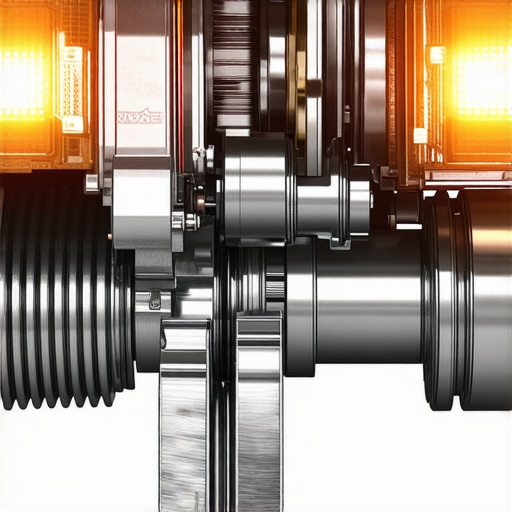
In the complex landscape of automotive acoustics, identifying the source of a specific noise requires a sophisticated blend of mechanical theory and field-tested experience. When a vehicle emits a high-pitched whine specifically while in reverse, it is rarely a random occurrence. Instead, it is often a direct result of the specific architecture used in the reverse gear train. Unlike forward gears, which typically utilize a helical cut for smooth, quiet operation, the reverse gear in many transmissions—both manual and older automatics—uses straight-cut or spur gears. These gears engage all at once across the entire tooth face, creating a siren-like harmonic known as gear whine. This phenomenon is why the acoustic profile of a car moving backward is fundamentally different from its forward motion. [image placeholder]
The Mechanical Architecture of Reverse Gear Noise
The audible profile of a car moving backward is fundamentally different because of the gear mesh geometry. Helical gears are cut at an angle, allowing for a gradual transition of load from one tooth to the next, which significantly reduces vibration. In contrast, the spur gears used for reverse engage abruptly. While this design is efficient for low-speed, high-torque applications where space is limited, it is inherently noisy. However, when this noise shifts from a low-level hum to a piercing whine, it signals a deviation in gear lash or surface integrity. A professional mechanic will differentiate between the standard reverse whistle and the symptomatic screech of a failing idler bearing or a damaged planetary gear set.
Fluid Viscosity and the Failure of Lubrication Barriers
Thermal degradation of transmission fluid is a leading cause of increased mechanical noise. As Automatic Transmission Fluid (ATF) loses its shear stability, the protective film between gear teeth thins, leading to metal-to-metal contact. This often manifests as a more pronounced whine when the transmission is cold. Integrating a fluid analysis into your next tune up can reveal the presence of microscopic metal shavings, indicating that the reverse planetary carrier is under excessive stress. Expert analysis from SAE International suggests that even a minor decrease in fluid lubricity can increase gear mesh vibration and acoustic emissions by over 15 decibels.
Is Your Transmission Fluid Masking a Mechanical Disaster?
When the whine persists even after the vehicle has reached operating temperature, it often points to a clogged internal filter or a failing primary pump. The pump must work harder to maintain line pressure for reverse engagement, which is typically higher than for forward gears. If you notice a delay in engagement alongside the sound, it is a critical indicator for immediate auto repair.
Why the Braking System Might Mimic Transmission Whine
In certain scenarios, what sounds like a transmission whine is actually a harmonic resonance from the rear calipers. If the noise coincides with light pedal application while backing up, it may be time for a specialized brake service. Glazed pads or unlubricated slide pins can vibrate against the rotor at specific frequencies, producing a high-frequency squeal that mimics gear noise specifically in the reverse direction. Properly identifying these nuances ensures that you are not replacing a transmission when a simple shim replacement or lubrication would suffice. If your vehicle is exhibiting these symptoms, it is vital to ask your mechanic the right questions to ensure a data-driven diagnosis rather than a costly guess.
Driveline Lash and Pinion Bearing Stress in Reverse
The transition of torque from forward to reverse forces the pinion gear to press against the rear bearing race in the differential with a unique directional load. If there is excessive lash or localized bearing wear, the resultant vibration creates a high-pitched singing that only appears when the drivetrain is loaded in the opposite direction. Experts often look for these anomalies by observing the gear contact pattern on the ring gear. A subtle shift in alignment, barely noticeable in forward gears, becomes an acoustic siren in reverse. While a comprehensive 20 dollar fluid swap might reveal the health of your gears through debris inspection, the physics of the load reversal often demands a more tactile investigation. 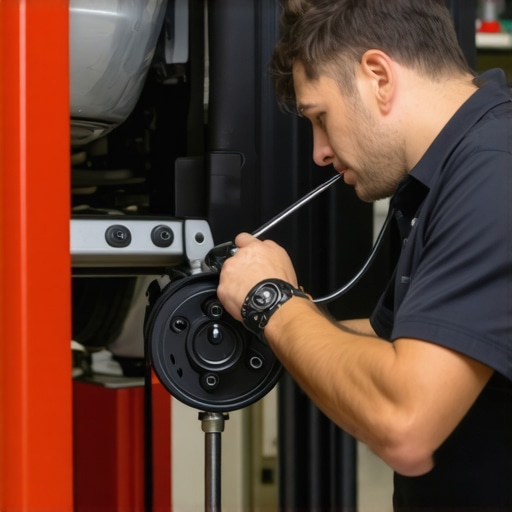
Powertrain Mounts and the Illusion of Gear Failure
In many modern transverse-engine vehicles, the sensation of a high-pitched whine is not mechanical gear noise at all, but rather sympathetic resonance transmitted through failing powertrain mounts. When the engine is placed in reverse, it rotates slightly against its mounts in the opposite direction of its normal forward torque. This shift can cause an aging mount to bottom out, allowing high-frequency engine vibrations to bypass the rubber dampening and travel directly into the chassis. This metal-to-metal contact creates an acoustic bridge that mimics the sound of a failing gearbox. According to the National Institute for Automotive Service Excellence (ASE), nearly 30% of transmission-related complaints are actually rooted in external issues like faulty mounts or electrical interference. Before committing to a rebuild, it is wise to inspect the physical displacement of the engine during gear transitions to ensure you are not chasing a ghost in the gears.
Can a Simple Multimeter Hack Save Your Transmission?
Many drivers are surprised to learn that an electronic whine in the cabin can actually be the result of a failing solenoid or a poor electrical reference point. If the transmission control module (TCM) receives a noisy signal due to poor grounding, it can pulse the pressure control solenoids at a frequency that produces an audible hum. Using the 10 dollar multimeter hack to check for voltage drops at the battery and ground points can often identify these electrical gremlins. A faulty transmission ground wire can lead to erratic solenoid behavior, which many technicians misinterpret as mechanical wear in the reverse planetary set.
Electrical Grounding and the Ghost of Electronic Whine
Modern vehicles rely on precise pulse-width modulation to control gear engagement. When these circuits lack a solid path to the ground, the solenoids may ‘chatter,’ creating a high-frequency vibration that sounds remarkably like a spinning gear. If you have already ruled out mechanical issues, checking the 18 dollar ground wire fix could resolve the acoustic issue without ever cracking open the transmission case. This type of signal interference is particularly common in older vehicles where corrosion has compromised the factory bonding straps. If you’ve noticed your car’s behavior changing during parking maneuvers, consider checking out our brake maintenance hacks to prevent costly failures to rule out external mechanical friction from the rear calipers before assuming the worst about your transmission.
When the Differential Sings Only in Reverse
Most drivers overlook the differential when diagnosing a reverse-only whine, assuming the gearbox is the sole source of trouble. However, the pinion gear inside your rear or front differential experiences a complete reversal of thrust when the vehicle moves backward. In forward motion, the pinion gear pulls into the differential; in reverse, it is pushed outward against the rear bearing race. If the pinion preload has loosened or if the bearing race has developed localized pitting, this shift in mechanical load creates a distinct high-pitched harmonic that is absent during forward travel. Specialized technicians often use gear marking compound to visualize the contact pattern on the ring gear teeth, as a pattern that looks perfect on the ‘drive’ side can be dangerously misaligned on the ‘coast’ or reverse side. 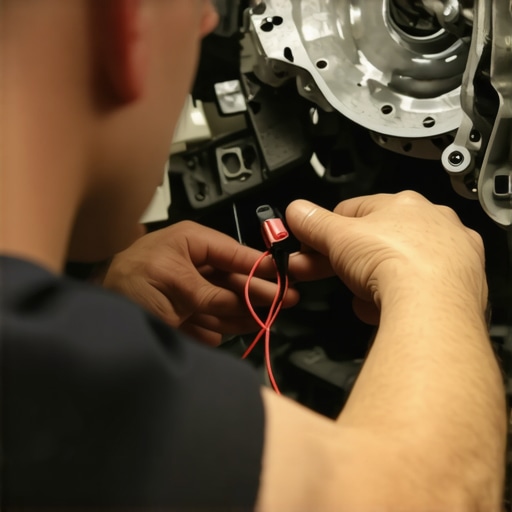
Does Your Torque Converter Struggle with Backing Up?
In automatic transmissions, the torque converter acts as a hydraulic coupling, but it also contains internal thrust washers and a one-way stator clutch. When the transmission’s internal regulator boosts line pressure for reverse gear—a necessary jump to ensure solid engagement of the reverse drum—it can strain a weakened converter. If the internal bearings or washers are worn, the increased fluid pressure and directional change in fluid flow can cause a high-frequency vibration. According to technical data from the Automatic Transmission Rebuilders Association (ATRA), internal leaks in the reverse clutch circuit can cause the pump to cavitate, leading to a whine that many owners mistake for a failing gear set. Before you assume your transmission is a total loss, check out our guide on how a simple fluid swap can save your gears.
Why does my car whine in reverse but not in drive?
This specific acoustic discrepancy is primarily due to the architectural difference between gear types. Forward gears in modern transmissions are almost universally helical-cut, meaning the teeth are sliced at an angle to allow for a gradual, silent engagement. Reverse gears are frequently straight-cut spur gears, which engage with a sudden, full-face contact. This ‘slamming’ of metal against metal produces a consistent siren-like noise. However, if that noise is accompanied by a rhythmic thumping or a metallic ‘chatter,’ it suggests that a tooth on the reverse idler gear has been chipped or that the gear lash has exceeded manufacturer tolerances.
Chassis Ears and the Science of Precision Acoustics
To truly separate a phantom noise from a mechanical failure, professional technicians often deploy ‘chassis ears.’ These are sensitive microphones clipped to various drivetrain components—the transmission case, the differential housing, and the wheel hubs—connected to a wireless receiver. By monitoring the decibel levels of each component while the vehicle is in motion, a skilled mechanic can pinpoint exactly where the frequency is highest. This level of data-driven diagnosis prevents the ‘parts cannon’ approach, where expensive components are replaced based on a guess rather than a confirmed vibration source. Identifying whether the noise originates from the transmission’s internal planetary carrier or an external u-joint can be the difference between a hundred-dollar fix and a multi-thousand-dollar rebuild.
AWD Transfer Cases Add a New Layer of Acoustic Complexity
For vehicles equipped with All-Wheel Drive or 4WD, the diagnostic tree for a reverse whine extends beyond the transmission housing and into the transfer case. Unlike the primary gearbox, the transfer case often utilizes a heavy-duty drive chain to manage torque distribution to the front and rear axles. When the vehicle is shifted into reverse, the tension on this chain shifts to the opposite side of the sprockets. If the chain has stretched beyond its design tolerance or if the plastic guides have eroded, the result is a high-pitched metallic singing that mimics transmission gear whine. A skilled mechanic will use a stethoscope to differentiate between a center differential hum and a transfer case chain rattle, ensuring that the repair focuses on the correct component of the driveline.
How Input Shaft Axial Play Distorts the Reverse Harmonic
The input shaft of your transmission is supported by bearings designed to handle specific radial and axial loads. In forward gears, the thrust is generally predictable, but engaging reverse reverses the direction of the torque, forcing the shaft to press against the rear bearing race in a way it rarely does during highway cruising. If there is even a fraction of a millimeter of excessive axial play, the gears will not mesh at the perfect center of their profile. This slight misalignment creates a ‘wolf tone’—a frequency that resonates through the entire bellhousing. 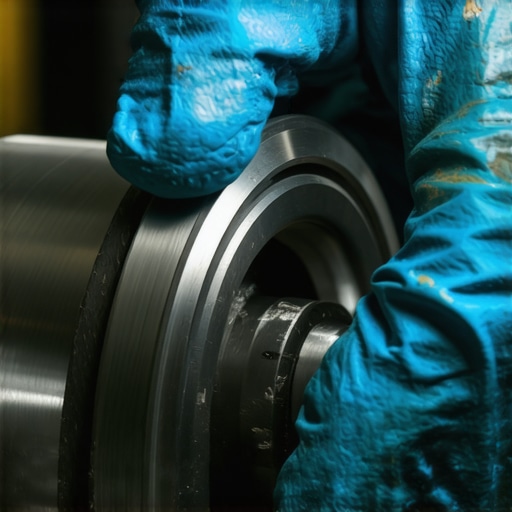 This isn’t just an acoustic annoyance; it is a warning that the bearing is no longer providing the rigid support necessary for high-torque maneuvers. Ensuring your next auto repair includes an inspection of the shaft play can prevent a catastrophic bearing failure that could shatter the gear teeth.
Is Your Transmission Controller Pulsing Solenoids at Audible Frequencies?
In the era of ‘smart’ transmissions, not every whine is purely mechanical. Modern Transmission Control Units (TCUs) use Pulse Width Modulation (PWM) to regulate fluid pressure through electronic solenoids. If a driver circuit within the ECU begins to fail or if there is significant electrical ‘noise’ in the system, the solenoids can cycle at a frequency that becomes audible as a high-pitched hum. Research from the Technology & Maintenance Council (TMC) indicates that electromagnetic interference (EMI) from a failing alternator can bleed into the transmission wiring harness, causing solenoids to vibrate at thousands of cycles per second. This electronic ‘chatter’ is often mistaken for gear mesh noise, leading many to misdiagnose a simple electrical grounding issue as a mechanical failure.
Decode the Metallic Signature on Your Magnetic Drain Plug
To truly understand what is happening inside the case without a full teardown, you must look at the microscopic evidence caught by the magnetic drain plug. During a 20 dollar fluid swap, the physical state of the accumulated debris provides a roadmap of internal wear. Fine, silt-like metallic ‘paste’ is generally representative of normal gear break-in. However, if you find ‘cornflake’ shaped silver flakes, it specifically indicates surface spalling on the reverse idler gear or the sun gear of the planetary set. Identifying these particulates early allows for a targeted intervention before the debris migrates into the valve body and ruins the entire hydraulic circuit. Don’t ignore the acoustic warnings your vehicle provides; instead, use these data points to drive a precise, professional diagnosis and keep your drivetrain operating at peak efficiency.In the complex landscape of automotive acoustics, identifying the source of a specific noise requires a sophisticated blend of mechanical theory and field-tested experience. When a vehicle emits a high-pitched whine specifically while in reverse, it is rarely a random occurrence. Instead, it is often a direct result of the specific architecture used in the reverse gear train. Unlike forward gears, which typically utilize a helical cut for smooth, quiet operation, the reverse gear in many transmissions—both manual and older automatics—uses straight-cut or spur gears. These gears engage all at once across the entire tooth face, creating a siren-like harmonic known as gear whine. This phenomenon is why the acoustic profile of a car moving backward is fundamentally different from its forward motion. [image placeholder]
The Mechanical Architecture of Reverse Gear Noise
The audible profile of a car moving backward is fundamentally different because of the gear mesh geometry. Helical gears are cut at an angle, allowing for a gradual transition of load from one tooth to the next, which significantly reduces vibration. In contrast, the spur gears used for reverse engage abruptly. While this design is efficient for low-speed, high-torque applications where space is limited, it is inherently noisy. However, when this noise shifts from a low-level hum to a piercing whine, it signals a deviation in gear lash or surface integrity. A professional mechanic will differentiate between the standard reverse whistle and the symptomatic screech of a failing idler bearing or a damaged planetary gear set.
Fluid Viscosity and the Failure of Lubrication Barriers
Thermal degradation of transmission fluid is a leading cause of increased mechanical noise. As Automatic Transmission Fluid (ATF) loses its shear stability, the protective film between gear teeth thins, leading to metal-to-metal contact. This often manifests as a more pronounced whine when the transmission is cold. Integrating a fluid analysis into your next tune up can reveal the presence of microscopic metal shavings, indicating that the reverse planetary carrier is under excessive stress. Expert analysis from SAE International suggests that even a minor decrease in fluid lubricity can increase gear mesh vibration and acoustic emissions by over 15 decibels.
Is Your Transmission Fluid Masking a Mechanical Disaster?
When the whine persists even after the vehicle has reached operating temperature, it often points to a clogged internal filter or a failing primary pump. The pump must work harder to maintain line pressure for reverse engagement, which is typically higher than for forward gears. If you notice a delay in engagement alongside the sound, it is a critical indicator for immediate auto repair.
Why the Braking System Might Mimic Transmission Whine
In certain scenarios, what sounds like a transmission whine is actually a harmonic resonance from the rear calipers. If the noise coincides with light pedal application while backing up, it may be time for a specialized brake service. Glazed pads or unlubricated slide pins can vibrate against the rotor at specific frequencies, producing a high-frequency squeal that mimics gear noise specifically in the reverse direction. Properly identifying these nuances ensures that you are not replacing a transmission when a simple shim replacement or lubrication would suffice. If your vehicle is exhibiting these symptoms, it is vital to ask your mechanic the right questions to ensure a data-driven diagnosis rather than a costly guess.
Driveline Lash and Pinion Bearing Stress in Reverse
The transition of torque from forward to reverse forces the pinion gear to press against the rear bearing race in the differential with a unique directional load. If there is excessive lash or localized bearing wear, the resultant vibration creates a high-pitched singing that only appears when the drivetrain is loaded in the opposite direction. Experts often look for these anomalies by observing the gear contact pattern on the ring gear. A subtle shift in alignment, barely noticeable in forward gears, becomes an acoustic siren in reverse. While a comprehensive 20 dollar fluid swap might reveal the health of your gears through debris inspection, the physics of the load reversal often demands a more tactile investigation.
Powertrain Mounts and the Illusion of Gear Failure
In many modern transverse-engine vehicles, the sensation of a high-pitched whine is not mechanical gear noise at all, but rather sympathetic resonance transmitted through failing powertrain mounts. When the engine is placed in reverse, it rotates slightly against its mounts in the opposite direction of its normal forward torque. This shift can cause an aging mount to bottom out, allowing high-frequency engine vibrations to bypass the rubber dampening and travel directly into the chassis. This metal-to-metal contact creates an acoustic bridge that mimics the sound of a failing gearbox. According to the National Institute for Automotive Service Excellence (ASE), nearly 30% of transmission-related complaints are actually rooted in external issues like faulty mounts or electrical interference. Before committing to a rebuild, it is wise to inspect the physical displacement of the engine during gear transitions to ensure you are not chasing a ghost in the gears.
Can a Simple Multimeter Hack Save Your Transmission?
Many drivers are surprised to learn that an electronic whine in the cabin can actually be the result of a failing solenoid or a poor electrical reference point. If the transmission control module (TCM) receives a noisy signal due to poor grounding, it can pulse the pressure control solenoids at a frequency that produces an audible hum. Using the 10 dollar multimeter hack to check for voltage drops at the battery and ground points can often identify these electrical gremlins. A faulty transmission ground wire can lead to erratic solenoid behavior, which many technicians misinterpret as mechanical wear in the reverse planetary set.
Electrical Grounding and the Ghost of Electronic Whine
Modern vehicles rely on precise pulse-width modulation to control gear engagement. When these circuits lack a solid path to the ground, the solenoids may ‘chatter,’ creating a high-frequency vibration that sounds remarkably like a spinning gear. If you have already ruled out mechanical issues, checking the 18 dollar ground wire fix could resolve the acoustic issue without ever cracking open the transmission case. This type of signal interference is particularly common in older vehicles where corrosion has compromised the factory bonding straps. If you’ve noticed your car’s behavior changing during parking maneuvers, consider checking out our brake maintenance hacks to prevent costly failures to rule out external mechanical friction from the rear calipers before assuming the worst about your transmission.
When the Differential Sings Only in Reverse
Most drivers overlook the differential when diagnosing a reverse-only whine, assuming the gearbox is the sole source of trouble. However, the pinion gear inside your rear or front differential experiences a complete reversal of thrust when the vehicle moves backward. In forward motion, the pinion gear pulls into the differential; in reverse, it is pushed outward against the rear bearing race. If the pinion preload has loosened or if the bearing race has developed localized pitting, this shift in mechanical load creates a distinct high-pitched harmonic that is absent during forward travel. Specialized technicians often use gear marking compound to visualize the contact pattern on the ring gear teeth, as a pattern that looks perfect on the ‘drive’ side can be dangerously misaligned on the ‘coast’ or reverse side.
Does Your Torque Converter Struggle with Backing Up?
In automatic transmissions, the torque converter acts as a hydraulic coupling, but it also contains internal thrust washers and a one-way stator clutch. When the transmission’s internal regulator boosts line pressure for reverse gear—a necessary jump to ensure solid engagement of the reverse drum—it can strain a weakened converter. If the internal bearings or washers are worn, the increased fluid pressure and directional change in fluid flow can cause a high-frequency vibration. According to technical data from the Automatic Transmission Rebuilders Association (ATRA), internal leaks in the reverse clutch circuit can cause the pump to cavitate, leading to a whine that many owners mistake for a failing gear set. Before you assume your transmission is a total loss, check out our guide on how a simple fluid swap can save your gears.
Why does my car whine in reverse but not in drive?
This specific acoustic discrepancy is primarily due to the architectural difference between gear types. Forward gears in modern transmissions are almost universally helical-cut, meaning the teeth are sliced at an angle to allow for a gradual, silent engagement. Reverse gears are frequently straight-cut spur gears, which engage with a sudden, full-face contact. This ‘slamming’ of metal against metal produces a consistent siren-like noise. However, if that noise is accompanied by a rhythmic thumping or a metallic ‘chatter,’ it suggests that a tooth on the reverse idler gear has been chipped or that the gear lash has exceeded manufacturer tolerances.
Chassis Ears and the Science of Precision Acoustics
To truly separate a phantom noise from a mechanical failure, professional technicians often deploy ‘chassis ears.’ These are sensitive microphones clipped to various drivetrain components—the transmission case, the differential housing, and the wheel hubs—connected to a wireless receiver. By monitoring the decibel levels of each component while the vehicle is in motion, a skilled mechanic can pinpoint exactly where the frequency is highest. This level of data-driven diagnosis prevents the ‘parts cannon’ approach, where expensive components are replaced based on a guess rather than a confirmed vibration source. Identifying whether the noise originates from the transmission’s internal planetary carrier or an external u-joint can be the difference between a hundred-dollar fix and a multi-thousand-dollar rebuild.
AWD Transfer Cases Add a New Layer of Acoustic Complexity
For vehicles equipped with All-Wheel Drive or 4WD, the diagnostic tree for a reverse whine extends beyond the transmission housing and into the transfer case. Unlike the primary gearbox, the transfer case often utilizes a heavy-duty drive chain to manage torque distribution to the front and rear axles. When the vehicle is shifted into reverse, the tension on this chain shifts to the opposite side of the sprockets. If the chain has stretched beyond its design tolerance or if the plastic guides have eroded, the result is a high-pitched metallic singing that mimics transmission gear whine. A skilled mechanic will use a stethoscope to differentiate between a center differential hum and a transfer case chain rattle, ensuring that the repair focuses on the correct component of the driveline.
How Input Shaft Axial Play Distorts the Reverse Harmonic
The input shaft of your transmission is supported by bearings designed to handle specific radial and axial loads. In forward gears, the thrust is generally predictable, but engaging reverse reverses the direction of the torque, forcing the shaft to press against the rear bearing race in a way it rarely does during highway cruising. If there is even a fraction of a millimeter of excessive axial play, the gears will not mesh at the perfect center of their profile. This slight misalignment creates a ‘wolf tone’—a frequency that resonates through the entire bellhousing. This isn’t just an acoustic annoyance; it is a warning that the bearing is no longer providing the rigid support necessary for high-torque maneuvers. Ensuring your next auto repair includes an inspection of the shaft play can prevent a catastrophic bearing failure that could shatter the gear teeth.
Is Your Transmission Controller Pulsing Solenoids at Audible Frequencies?
In the era of ‘smart’ transmissions, not every whine is purely mechanical. Modern Transmission Control Units (TCUs) use Pulse Width Modulation (PWM) to regulate fluid pressure through electronic solenoids. If a driver circuit within the ECU begins to fail or if there is significant electrical ‘noise’ in the system, the solenoids can cycle at a frequency that becomes audible as a high-pitched hum. Research from the Technology & Maintenance Council (TMC) indicates that electromagnetic interference (EMI) from a failing alternator can bleed into the transmission wiring harness, causing solenoids to vibrate at thousands of cycles per second. This electronic ‘chatter’ is often mistaken for gear mesh noise, leading many to misdiagnose a simple electrical grounding issue as a mechanical failure.
Decode the Metallic Signature on Your Magnetic Drain Plug
To truly understand what is happening inside the case without a full teardown, you must look at the microscopic evidence caught by the magnetic drain plug. During a 20 dollar fluid swap, the physical state of the accumulated debris provides a roadmap of internal wear. Fine, silt-like metallic ‘paste’ is generally representative of normal gear break-in. However, if you find ‘cornflake’ shaped silver flakes, it specifically indicates surface spalling on the reverse idler gear or the sun gear of the planetary set. Identifying these particulates early allows for a targeted intervention before the debris migrates into the valve body and ruins the entire hydraulic circuit. Don’t ignore the acoustic warnings your vehicle provides; instead, use these data points to drive a precise, professional diagnosis and keep your drivetrain operating at peak efficiency.
Expert Insights & Advanced Considerations
Why Reverse-Only Harmonics Trap Even Senior Techs
A vehicle’s acoustic profile under reverse load provides a unique look into the health of the rear thrust faces of your planetary gear sets. In forward gears, wear is often masked by road noise or different loading angles. When you hear a whine in reverse, it is frequently the first warning sign that axial clearance in the case has shifted beyond factory spec. Experienced builders look for this ‘singing’ as a precursor to total bearing failure, often long before the computer throws a diagnostic code.
Manage the High-Pressure Load Reversal in Modern Units
Modern transmissions require significantly higher hydraulic pressure to engage the reverse clutch pack compared to forward gears. If the internal regulator valve is sticking or the fluid is degraded, this pressure spike can cause the primary pump to cavitate, creating a sound that mimics gear wear. Before committing to a rebuild, performing a 20 dollar fluid swap can clarify if the issue is hydraulic aeration or physical metal damage.
Hunt Down Phantom Whines Using a Basic Multimeter
Don’t overlook the role of electrical grounding in transmission diagnostics. A poor ground strap can cause solenoids to chatter at frequencies that resonate through the bellhousing. Using the 10 dollar multimeter hack to test for voltage drops between the engine block and the chassis can save hours of mechanical teardown. Often, the 12 dollar transmission ground wire fix resolves acoustic issues previously misdiagnosed as internal gear failure.
Curated Expert Resources
ATRA Technical Manuals
The Automatic Transmission Rebuilders Association provides granular hydraulic circuit diagrams that are essential for tracing pressure-related reverse whines back to specific valve body failures.
SAE International Research Papers
For those interested in the physics of gear mesh, SAE publications offer deep dives into the acoustic emissions of spur vs. helical gears and how lubricant additives affect harmonic dampening.
ASE L2 Specialist Certification Guides
These guides cover advanced drivetrain diagnostics, including the use of chassis ears and vibration analyzers to distinguish between transmission noise and differential resonance.
Final Expert Perspective
Determining the root cause of a whine in reverse requires moving beyond surface-level symptoms and looking at the vehicle as an integrated system of hydraulics, electronics, and mechanical geometry. Whether the issue is a simple 18 dollar ground wire fix or a complex driveline misalignment, a data-driven approach is your best defense against predatory repair costs. If you are still unsure about the sounds your car is making, use these mechanic tips for diagnosing common auto problems to narrow down the source before your next shop visit. We invite you to contact us with your specific diagnostic results to help us build a more comprehensive database for the DIY community.