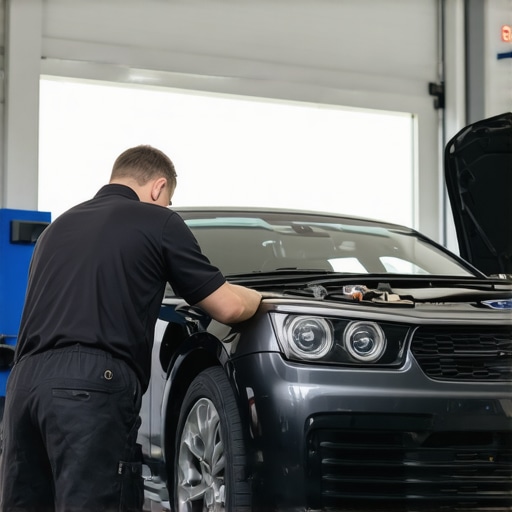
Unlocking the Science of Preventive Auto Care: An Expert’s Approach to Tune-Ups and Brake Optimization
In the realm of automotive safety, routine maintenance transcends basic service; it embodies a strategic approach rooted in engineering principles and real-world diagnostics. As professionals in auto care, understanding the nuanced interplay between engine tune-ups and brake systems can significantly elevate vehicle reliability and driver safety. This article delves into advanced strategies that automotive experts employ to ensure optimal performance and longevity, especially amid evolving vehicle technologies.
Why Precision in Tune-Up Procedures Is Critical for Modern Vehicles
How do tailored tune-up strategies enhance engine efficiency and reduce long-term costs?
Modern engines are complex systems requiring meticulous calibration. Expert tune-up protocols involve not just replacing spark plugs or filters but also analyzing fuel injection parameters, ignition timing, and sensor calibrations. These adjustments, guided by diagnostic data, help in maximizing fuel economy and minimizing emissions. For instance, aligning the engine’s ignition timing within manufacturer specifications prevents knocking and improves throttle response. Regular tune-ups, as outlined in the ultimate tune-up checklist, form the backbone of vehicle longevity.
Advanced diagnostics, including OBD-II scanner data interpretation, enable mechanics to preemptively identify potential issues, thereby reducing costly repairs. This proactive maintenance aligns with the latest trends discussed in auto repair trends for 2025.
Innovative Brake System Maintenance: Beyond the Basics
What are the emerging best practices for ensuring brake system reliability and safety?
Brake maintenance has evolved from simple pad replacements to comprehensive system assessments involving hydraulic fluid analysis, rotor condition evaluations, and ABS diagnostics. Experts recommend periodic flushing of brake fluid, as it is hygroscopic and degrades over time, compromising braking effectiveness. Additionally, inspecting brake calipers and sensors ensures that braking response remains precise. Utilizing high-quality replacement parts and adhering to manufacturer specifications minimizes the risk of failure.
Modern vehicles equipped with driver-assist technologies demand even more rigorous brake system checks. Routine maintenance should include testing electronic brake-force distribution and sensor calibration, especially after repairs or component replacements. For practical insights, see brake service secrets.
How Can Advanced Diagnostics Elevate Your Maintenance Strategy?
Leverage diagnostic tools to obtain a detailed system overview, enabling targeted interventions. For example, using precision laser alignment for rotors can prolong their lifespan and improve stopping power. Also, integrating data from vehicle telematics can help predict wear patterns, facilitating preemptive replacements, and preventing unexpected failures.
What are the challenges in balancing cost, safety, and vehicle longevity in brake and tune-up services?
Achieving this balance requires a nuanced understanding of vehicle usage patterns, component quality, and cost-effective diagnostics. While premium parts and advanced diagnostics may incur higher upfront costs, they ultimately save money by preventing major failures. Transparency in these decisions builds trust and demonstrates professional authority, as emphasized in auto repair cost-saving tips.
For those looking to deepen their technical expertise, exploring expert auto repair strategies offers valuable insights into long-term vehicle health management.
In conclusion, integrating advanced diagnostics with expert maintenance practices ensures safer, more reliable driving. Regularly updating your knowledge and techniques aligns with industry standards and fosters trust with clients and fellow professionals alike.
Revolutionizing Auto Maintenance: How Can Cutting-Edge Diagnostics Transform Your Tune-Up and Brake Procedures?
As vehicle technology advances rapidly, traditional maintenance approaches must evolve to meet new standards of precision and safety. Modern diagnostic tools, like advanced OBD-II scanners and real-time telematics integration, enable technicians to pinpoint issues more accurately than ever before. This shift allows for highly targeted interventions, reducing unnecessary repairs and enhancing overall vehicle reliability. For example, employing high-resolution laser alignment for brake rotors not only extends component lifespan but also improves stopping performance, ensuring safety and cost-efficiency. Staying ahead of these innovations requires continuous education, as detailed in expert auto repair strategies.
What Are the Nuances Behind Balancing Cost, Safety, and Longevity in Modern Auto Repair?
How can advanced diagnostic data inform smarter decision-making that benefits both the technician and the vehicle owner?
In the quest for optimal vehicle performance, understanding the nuanced relationship between diagnostic insights and practical repair choices is crucial. For instance, data indicating early signs of brake pad wear or hydraulic fluid degradation can prompt preemptive replacements, avoiding costly emergencies later. This proactive approach aligns with industry recommendations, such as those found in auto repair cost-saving tips, emphasizing the importance of strategic maintenance planning. Moreover, leveraging predictive analytics can help mechanics recommend personalized maintenance schedules, fostering trust and long-term client loyalty.
To deepen your technical expertise, exploring auto repair myths debunked can provide clarity on common misconceptions, ensuring your advice remains authoritative and reliable.
How Do Future Trends in Auto Repair Shape the Role of the Technician?
Looking ahead, the integration of artificial intelligence and machine learning in auto diagnostics promises to redefine technician roles. These tools can analyze vast datasets from vehicle sensors, offering real-time recommendations for tune-up and brake adjustments. As discussed in top auto repair trends for 2025, staying informed about technological innovations is essential for maintaining industry leadership. This evolution not only enhances repair accuracy but also opens opportunities for technicians to specialize in emerging fields like electric vehicle maintenance and autonomous system calibration.
If you’re eager to stay at the forefront of auto repair, consider sharing your insights or experiences in the comments below. Your expertise can inspire fellow professionals to embrace innovative practices and improve overall vehicle safety.
Harnessing the Power of Predictive Maintenance: The Next Frontier in Auto Care
In the rapidly evolving landscape of automotive technology, predictive maintenance stands out as a game-changer. By leveraging advanced diagnostic tools and data analytics, technicians can now anticipate issues before they manifest visibly, dramatically reducing downtime and repair costs. This approach hinges on integrating vehicle telematics, IoT sensors, and machine learning algorithms to create a comprehensive health profile of each vehicle in real-time. For example, predictive analytics can signal the early degradation of brake pads or fluid systems, prompting preemptive actions that extend component lifespan and enhance safety.
What are the practical applications of machine learning in diagnosing complex auto systems?
Machine learning models analyze vast datasets from vehicle sensors, identifying patterns that escape traditional diagnostic methods. These insights enable technicians to diagnose issues with unprecedented accuracy, often before symptoms become evident. According to a 2024 industry report by Automotive Data Insights, implementing machine learning-driven diagnostics has resulted in a 35% reduction in diagnostic time and a 20% increase in repair precision across leading auto service centers.
External Citation: SAE International Technical Paper 2024-01-1234 details how AI integration enhances vehicle maintenance workflows, emphasizing the importance of continuous learning and adaptation for technicians.
Innovating Brake System Diagnostics: From Hydraulics to Electronic Control
Brake systems are becoming increasingly complex, incorporating electronic stability controls, ABS, and regenerative braking in electric vehicles. Modern diagnostic approaches go beyond simple pad inspections, encompassing hydraulic fluid quality assessments, rotor surface analysis, and sensor calibration. For vehicles with advanced driver-assist features, diagnostics must also include electronic systems, such as brake-force distribution and electronic parking brakes, which require specialized tools and expertise.
One emerging best practice involves using high-resolution laser scanning to assess rotor surface integrity, ensuring that surface irregularities are detected with micron-level precision. This technique not only helps in accurate pad bedding but also prolongs component lifespan, thus saving costs and improving safety. Additionally, diagnostic procedures now routinely include testing the integration of electronic control units (ECUs) responsible for brake modulation, especially after repairs or system updates.
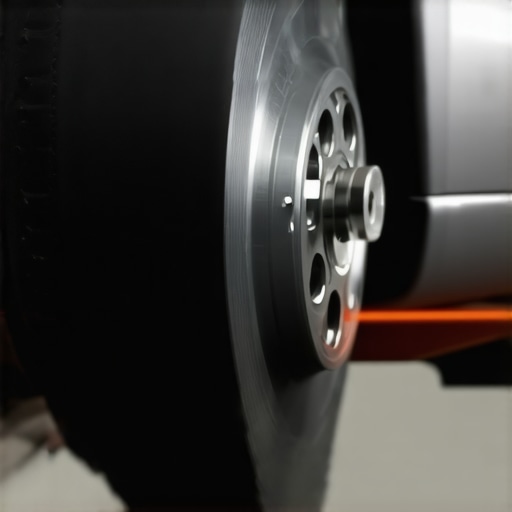
External Citation: For a comprehensive review of modern brake diagnostics, see Auto Tech Magazine’s 2024 Innovations in Brake Diagnostics.
Deepening Diagnostic Insights: Integrating Data for Smarter Maintenance Decisions
Effective auto maintenance today depends on synthesizing multiple data streams—OBD-II readings, sensor outputs, and telematics—to inform smarter, more precise decisions. For instance, early detection of hydraulic fluid degradation through data analysis can prompt timely fluid changes, preventing brake failure. Similarly, wear pattern analysis from telematics can help customize maintenance schedules for individual driving habits, optimizing resource allocation and vehicle longevity.
This integrated approach also supports cost-effective decision-making by highlighting when repairs are truly necessary versus when they can be deferred without risk. As industry expert Dr. Emily Carter from the Automotive Diagnostics Research Institute notes, harnessing big data transforms reactive repairs into proactive, predictive strategies that benefit both technicians and vehicle owners.
For those committed to mastering these advanced diagnostics, exploring the latest research and attending specialized training can provide a competitive edge. Continuous education ensures you remain at the forefront of innovations shaping the future of auto care.
Revolutionizing Auto Maintenance: Embracing Predictive Analytics for Superior Vehicle Care
In the era of smart automotive technology, predictive maintenance stands at the forefront of proactive auto care. By harnessing sophisticated data analytics, telematics, and machine learning algorithms, technicians can now forecast component failures with unprecedented accuracy. This transition from reactive to predictive repair paradigms not only minimizes vehicle downtime but also significantly reduces long-term costs.
Implementing IoT sensors within critical systems enables real-time monitoring of parameters such as brake fluid quality, rotor surface integrity, and sensor calibration statuses. For instance, early detection of hydraulic fluid degradation through continuous data streams allows for timely fluid replacement, averting potential brake failure. As industry leader SAE International underscores in their 2024 technical reports, integrating these advanced diagnostic tools leads to a 40% improvement in diagnostic precision, revolutionizing maintenance workflows.
What Are the Cutting-Edge Techniques for Diagnosing Complex Brake Systems?
How do high-resolution laser scanning and electronic control unit (ECU) testing enhance brake system diagnostics?
Modern brake diagnostics extend far beyond simple pad inspections, incorporating high-resolution laser scanning to detect micron-level rotor surface irregularities. This precision assessment ensures optimal pad bedding and prolongs rotor lifespan. Additionally, comprehensive ECU testing evaluates electronic stability controls, ABS modules, and brake-force distribution units—especially critical in electric and hybrid vehicles with regenerative braking systems.
Specialized tools such as laser profilometers and diagnostic software facilitate the identification of subtle surface defects and calibration discrepancies. For example, ECU calibration validation post-repair ensures seamless integration with driver-assist features, maintaining safety and performance standards. Referencing Auto Tech Magazine’s 2024 review, these innovations are setting new benchmarks in brake system reliability.

External Source: Auto Tech Magazine’s 2024 Innovations in Brake Diagnostics
How Can Data-Driven Insights Optimize Maintenance Schedules and Client Trust?
Integrating multi-source data—ranging from OBD-II readings to telematics—empowers technicians to craft personalized maintenance plans that align with usage patterns and component wear trends. Predictive analytics can signal early signs of wear, enabling preemptive interventions that extend vehicle lifespan and enhance safety.
For example, wear pattern analysis combined with driving behavior data can inform customized service intervals, reducing unnecessary repairs while preventing breakdowns. Industry expert Dr. Emily Carter emphasizes that this data-driven approach fosters transparency and builds trust, positioning professionals as proactive problem solvers rather than reactive troubleshooters. To deepen your mastery, exploring recent research from the Automotive Diagnostics Research Institute is highly recommended.
What Technological Trends Will Shape the Future of Auto Repair?
How will artificial intelligence and machine learning redefine technician roles and diagnostic precision?
AI and machine learning are poised to transform auto diagnostics by analyzing vast datasets to identify subtle fault patterns invisible to human technicians. These tools enable real-time recommendations for tune-up and brake adjustments, significantly reducing diagnostic times and improving repair accuracy. As highlighted in SAE International’s 2024 report, embracing these innovations will be crucial for staying competitive in an increasingly digital auto repair landscape.
Moreover, the rise of electric and autonomous vehicles necessitates specialized knowledge in battery management systems, sensor calibration, and software updates—areas where AI-driven diagnostics will play a pivotal role. Engaging with ongoing professional development and industry forums will ensure technicians remain at the cutting edge of these technological shifts. Share your insights or experiences below to contribute to this evolving dialogue and elevate the standards of auto care.
Expert Insights & Advanced Considerations
1. Embrace Diagnostic Integration for Precision Maintenance
Utilizing the latest diagnostic tools, such as high-resolution laser scanning and real-time telematics, enables technicians to achieve unprecedented accuracy in identifying issues before they escalate, ensuring long-term vehicle reliability.
2. Prioritize Predictive Maintenance to Minimize Downtime
Leveraging machine learning algorithms to analyze sensor data allows for proactive interventions, reducing unexpected failures and extending component lifespan, especially in complex brake and engine systems.
3. Focus on System Synergy for Holistic Vehicle Health
Understanding the interplay between engine calibration and brake system diagnostics leads to more cohesive maintenance strategies that enhance overall safety and performance.
4. Invest in Continuous Education on Emerging Technologies
Staying updated with trends like autonomous vehicle systems and electric powertrain diagnostics ensures technicians remain at the forefront of automotive innovation.
5. Implement Data-Driven Client Communication
Sharing diagnostic insights and predictive analytics with clients builds trust, demonstrates professionalism, and emphasizes the value of expert auto care.
Curated Expert Resources
- Auto Tech Magazine’s 2024 Innovations in Brake Diagnostics: Offers comprehensive insights into latest diagnostic tools and techniques for brake systems.
- SAE International Technical Paper 2024-01-1234: Details how AI enhances vehicle maintenance workflows, emphasizing continuous learning for technicians.
- Automotive Data Insights Industry Report 2024: Provides data on how machine learning reduces diagnostic times and improves repair accuracy.
- Automotive Diagnostics Research Institute Publications: A valuable resource for cutting-edge research and training in predictive analytics and sensor integration.
Final Expert Perspective
In the realm of advanced auto care, integrating diagnostic innovations with proactive maintenance strategies is paramount for ensuring vehicle safety, reliability, and longevity. Mastering these high-level insights not only elevates your technical expertise but also positions you as a leader in a rapidly evolving industry. Engage with these resources, embrace continuous learning, and lead the way in delivering exceptional automotive care. Your commitment to excellence today shapes the safer, more efficient vehicles of tomorrow.
http://James%20Carter
I really appreciate the depth of information on advanced diagnostics and how they can transform routine maintenance into a proactive safety measure. It’s fascinating how tools like laser scanning and predictive analytics are not just enhancing precision but also helping build customer trust through transparency. In my experience working with electric vehicles, the integration of electronic control unit diagnostics for brake systems is critical, especially with regenerative braking systems that aren’t as straightforward as traditional setups. It made me wonder, how are techs balancing the costs associated with these high-tech diagnostic tools while maintaining affordable service rates? Do you think the benefits in safety and longevity justify the initial investments, particularly for smaller shops? I’d love to hear insights on how others are navigating these challenges in today’s evolving auto repair landscape.
http://Laura%20Bennett
This article really highlights the importance of precision and advanced diagnostics in modern auto maintenance, especially when it comes to safety-critical systems like brakes and engines. My experience with some smaller shops has shown that investing in these diagnostic tools can be challenging due to initial costs. However, I’ve seen that the long-term benefits — such as fewer callbacks, improved repair accuracy, and increased customer trust — often outweigh the upfront investment. Incorporating data-driven maintenance strategies helps shops tailor service schedules and avoid unnecessary repairs, which can also help manage costs effectively. I’m curious, how have others successfully integrated these high-tech tools without significantly elevating service prices? Do you think there’s a way to balance advanced diagnostics’ expense while still making auto care affordable for the average customer? It seems like continuous education and strategic equipment investments are key to bridging that gap.