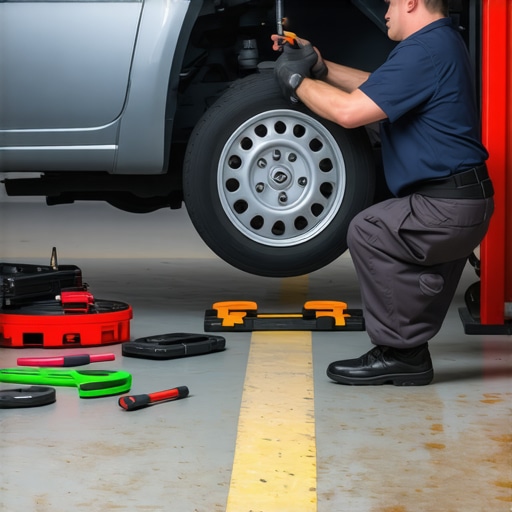
Elevating Vehicle Safety Through Advanced Brake System Maintenance
In the realm of auto repair, ensuring the optimal condition of your brake system is paramount for safeguarding lives and maintaining vehicle longevity. As automotive professionals, we recognize that a proactive approach to brake maintenance not only prevents costly failures but also enhances overall driving safety. This article delves into expert-level strategies, innovative practices, and critical insights that elevate brake system care from routine to exceptional.
Decoding the Complexities of Brake System Diagnostics
Understanding the nuanced signs of brake system deterioration requires a mastery of diagnostic protocols. Modern vehicles feature sophisticated sensor arrays and electronic stability controls that provide real-time data on brake performance. Skilled technicians leverage diagnostic tools such as OBD-II scanners and brake wear sensors to detect subtle issues before they manifest as safety hazards. For instance, uneven brake pad wear often signals underlying caliper problems or uneven rotor surfaces, necessitating precise inspection techniques.
Implementing Precision Maintenance for Longevity and Safety
Regularly scheduled brake inspections, coupled with meticulous component replacement, form the backbone of expert maintenance. High-quality brake pads, rotors, and calipers should be selected based on vehicle load and driving conditions. Moreover, advanced practices like brake fluid flushing using DOT 3, DOT 4, or DOT 5.1 fluids—evaluated through refractometers—ensure the hydraulic system remains free of moisture contamination that can lead to corrosion and failure. Adopting a holistic maintenance schedule informed by manufacturer specifications and real-world usage data is crucial for sustained safety.
Innovative Technologies Transforming Brake Care
Emerging technologies such as regenerative braking systems and adaptive brake force distribution are redefining maintenance paradigms. Electric and hybrid vehicles rely heavily on regenerative braking, which requires specialized inspection routines to monitor system health and battery integration. Additionally, experts utilize laser-scanning tools to measure rotor runout with micron-level precision, ensuring optimal contact surfaces. Staying abreast of these innovations enables technicians to anticipate system failures and advise clients on necessary upgrades or repairs.
Expert Tips for Effective Brake Service Efficiency
Maximizing service efficiency involves strategic planning, including inventory management of genuine parts and advanced training in brake system nuances. Utilizing digital inspection reports with embedded images enhances client understanding and trust. Furthermore, employing high-precision torque wrenches during caliper installation guarantees proper clamp load, preventing uneven pad wear or caliper binding. These meticulous practices, combined with continuous education, reinforce the technician’s authority and commitment to safety.
What Are the Critical Factors in Preventing Brake System Failures in High-Performance Vehicles?
High-performance vehicles demand an elevated level of maintenance due to intense operational stresses. Critical factors include heat dissipation management—using specialized brake cooling kits—and regular monitoring of brake fluid boiling points. Upgrading to ceramic brake pads can provide better heat resistance and reduced fade. Additionally, routine inspection of brake lines for cracks or leaks and ensuring proper bleeding procedures prevent air ingress that compromises hydraulic pressure. Consulting reputable sources such as the SAE International standards ensures maintenance practices align with industry-leading protocols. For further insights, explore the comprehensive guidelines on brake maintenance from SAE’s technical papers.
If you seek to elevate your expertise further, consider exploring our auto repair cost-saving tips or contact our specialists for tailored advice. Continuous professional development and adherence to evolving standards are vital for maintaining trust and safety on the roads.
Advanced Brake System Diagnostics for Peak Performance
Modern vehicles are equipped with complex brake systems that demand sophisticated diagnostic approaches. Beyond traditional visual inspections, experts now utilize tools such as ultrasonic testing and laser measurement devices to detect microscopic imperfections and rotor runout deviations. These techniques enable technicians to identify issues like uneven pad contact or warping at a micron level, which significantly impact braking efficiency and safety. Staying current with diagnostic innovations, such as those recommended by industry leaders like SAE International, ensures that maintenance practices meet the highest standards of reliability and safety.
Strategic Component Selection for Long-Term Reliability
Choosing the right brake components is crucial for durability and safety. High-performance vehicles especially benefit from ceramic brake pads, which offer superior heat resistance and reduced brake fade under intense conditions. Upgrading rotor materials to composites or ventilated designs can enhance heat dissipation, prolonging service life. Incorporating advanced lubricants and anti-seize compounds during assembly prevents seizing and ensures smooth operation. For optimal results, consult trusted sources like industry experts’ auto repair tips that emphasize selecting quality parts tailored to specific driving demands.
Can Your Brake Maintenance Routine Survive High-Stress Conditions?
High-performance and heavy-duty vehicles face extreme operational stresses that challenge standard maintenance routines. Critical considerations include managing heat buildup through upgraded cooling systems, routine fluid testing for boiling point integrity, and inspecting brake lines for cracks or leaks more frequently. Implementing routine bleed procedures with high-quality brake fluids ensures hydraulic system integrity. Upgrading to ceramic or carbon-ceramic pads can dramatically improve heat resistance and fade resistance under high loads. To ensure your maintenance practices align with the latest standards, refer to guidelines from reputable organizations such as SAE International, which set industry-wide benchmarks for high-stress brake systems.
If you’re eager to elevate your expertise, explore our auto repair cost-saving tips or reach out to our specialists for tailored advice. Continuous learning and adherence to evolving industry standards are essential for maintaining trust and safety on the roads.
Mastering High-Performance Brake Maintenance for Ultimate Safety and Reliability
In the high-stakes world of automotive safety, mastering the intricacies of brake system maintenance for high-performance vehicles is a skill that separates the average technician from the true expert. These vehicles, often pushed to their limits, demand an elevated level of vigilance, precision, and knowledge. From managing extreme heat to ensuring hydraulic integrity under stress, every aspect of maintenance must be meticulously executed to guarantee safety and longevity.
How to Prevent Brake Fade During Intensive Driving Conditions
Brake fade, the decline in braking efficiency caused by overheating, is a critical concern for high-performance vehicle owners and technicians alike. To combat this, it is essential to implement advanced cooling strategies such as installing dedicated brake cooling ducts, ventilated rotors, and high-performance brake pads with superior thermal properties. Regularly monitoring the temperature of brakes during test drives or inspections can help identify early signs of overheating. Additionally, upgrading to ceramic or carbon-ceramic pads can significantly reduce fade, thanks to their exceptional heat resistance. Incorporating data from infrared thermography allows technicians to visualize heat distribution across brake components, facilitating targeted interventions that prevent catastrophic failure during demanding driving conditions.
Are Brake Fluid Boiling Points Sufficient for Extreme Conditions?
When it comes to high-performance braking, the quality and condition of brake fluid are paramount. Brake fluids like DOT 4 and DOT 5.1 are formulated to withstand higher temperatures, but under extreme conditions, they can still reach their boiling point, leading to vapor lock and brake failure. Regular testing using a refractometer or boiling point tester ensures the fluid remains within safe limits. For vehicles subjected to intense use, upgrading to high-temperature brake fluids with higher dry and wet boiling points is advisable. Moreover, thorough bleeding procedures, adhering to manufacturer torque specifications, and replacing fluid at recommended intervals are essential practices to maintain hydraulic system integrity under stress.
Expert Strategies for Monitoring and Enhancing System Durability
Long-term reliability in high-performance brake systems hinges on proactive monitoring and strategic component upgrades. Ultrasonic testing and laser measurement tools are invaluable for detecting early signs of rotor warping or cracks that could compromise safety. Upgrading to high-quality, ventilated, or slotted rotors enhances heat dissipation, while ceramic pads reduce wear and minimize dust. Employing anti-seize compounds during assembly prevents seizing and facilitates easier future maintenance. Continuous education on emerging materials and technologies, such as carbon-ceramic composites, ensures technicians can recommend and implement the most effective solutions for demanding applications.
What Are the Key Considerations for Upgrading High-Performance Brake Systems?
Upgrading high-performance brake systems requires a nuanced approach that considers vehicle dynamics, driving habits, and environmental factors. Key considerations include selecting components with appropriate thermal ratings, ensuring compatibility with existing suspension and wheel setups, and understanding the impact of weight addition or reduction on overall vehicle balance. Consulting authoritative sources like SAE International’s technical standards provides a framework for selecting and installing upgrades to ensure compliance and safety. For further insights, industry white papers and case studies from leading aftermarket manufacturers offer valuable guidance on achieving optimal performance without sacrificing reliability.
If you’re committed to elevating your expertise in high-performance brake maintenance, explore our auto repair cost-saving tips or connect with our specialists for tailored advice. Staying ahead of technological advancements and adhering to industry standards is essential for safeguarding your clients and reputation.
Mastering the Art of Brake System Fine-Tuning for Extreme Driving Conditions
High-performance vehicles subjected to rigorous conditions demand meticulous attention to brake system calibration. This involves precise balancing of thermal management, hydraulic integrity, and material resilience. Advanced techniques such as employing thermographic imaging during dynamic testing reveal hotspots and potential failure zones, enabling technicians to implement targeted cooling enhancements and component upgrades. A deep understanding of material science, including the properties of carbon-ceramic composites and their behavior under stress, allows for predictive maintenance strategies that preempt catastrophic failures.
Why Do Brake Rotors Warp and How Can You Prevent It
Rotor warping remains a prevalent issue in high-stress scenarios, often caused by uneven heat distribution, improper torque application, or inferior materials. To combat this, the adoption of ventilated and slotted rotors coupled with high-quality brake pads is essential. Regularly employing ultrasonic thickness measurement and laser rotor runout analysis ensures that deformations are detected early, facilitating timely replacements. Implementing controlled cooling protocols post-usage and adhering to manufacturer torque specifications further prolong rotor lifespan and maintain braking consistency.
What Are the Best Strategies for Upgrading Brake Components for Performance Vehicles?
Enhancing brake performance involves selecting components with superior thermal characteristics, such as carbon-carbon or carbon-ceramic rotors, and high-friction brake pads tailored to specific driving profiles. Compatibility with existing suspension and wheel setups must be verified to prevent adverse effects on vehicle dynamics. Consulting authoritative sources like SAE International standards provides a framework for safe and effective upgrades. Incorporating modern anti-seize compounds during assembly reduces seizing issues, ensuring smooth future maintenance and consistent performance.

Visualize the heat distribution across high-performance brake rotors during intense braking, illustrating the importance of thermal management strategies.
Innovative Approaches to Hydraulic System Durability
Hydraulic integrity is the backbone of reliable braking, especially under extreme loads. Utilizing high-temperature brake fluids with elevated dry and wet boiling points, such as DOT 5.1, minimizes vapor lock risks. Regular testing with refractometers and implementing advanced bleed procedures using pressure-assisted systems ensure hydraulic consistency. Furthermore, the integration of electronic brake force distribution (EBD) modules enhances system responsiveness and reduces uneven wear, prolonging component life and ensuring safety.
How Can Data-Driven Diagnostics Revolutionize Brake Maintenance?
The advent of sensor fusion and telematics has transformed traditional diagnostic routines. Data analytics from real-time monitoring systems allow technicians to predict failures before symptoms manifest, optimizing maintenance schedules. Incorporating AI-driven pattern recognition in diagnostic software enables early detection of anomalies such as microfractures or irregular pad contact. This proactive approach not only enhances safety but also reduces downtime and repair costs, elevating the standard of brake system management.
What Are the Emerging Materials That Promise to Redefine Brake System Longevity?
Research into novel materials like graphene-enhanced composites and nanostructured ceramics indicates promising avenues for future brake system durability. These materials offer exceptional heat resistance, reduced weight, and increased wear life. Industry-leading laboratories and research institutions, such as the Department of Energy’s Oak Ridge National Laboratory, are pioneering these innovations. Staying abreast of such developments enables technicians and engineers to anticipate the next wave of high-performance, long-lasting brake solutions.
If you’re committed to pushing the boundaries of brake system excellence, explore our auto repair cost-saving tips or contact our specialists for tailored, cutting-edge advice. Continuous professional development is vital for maintaining a competitive edge in this evolving field.
Leverage Cutting-Edge Diagnostics for Optimal Brake Safety
Utilize ultrasonic testing and laser measurement devices to detect microscopic rotor imperfections, ensuring precise maintenance and avoiding safety hazards. Staying current with diagnostic innovations like AI pattern recognition enhances reliability and safety in brake service.
Prioritize Material Science for Long-Lasting Performance
Incorporate advanced materials such as graphene-enhanced composites and nanostructured ceramics to boost durability and heat resistance. Collaborate with suppliers and research institutions to stay ahead of emerging technologies that redefine brake longevity and performance.
Implement Data-Driven Maintenance Protocols
Integrate sensor fusion and telematics to monitor brake system health in real-time. Predictive analytics enable preemptive repairs, reducing downtime and preventing failures, ultimately elevating your service quality and client trust.
Upgrade Components with Industry-Standard Practices
Choose high-performance rotors like carbon-ceramic variants and friction-optimized pads, ensuring compatibility with vehicle dynamics. Follow industry standards from SAE International for installation and maintenance to guarantee safety and compliance.
Enhance Cooling and Hydraulic Systems for Extreme Conditions
Adopt dedicated cooling ducts, ventilated rotors, and high-temperature brake fluids like DOT 5.1. Regular testing and proper bleeding procedures maintain hydraulic integrity, essential for vehicles operating under strenuous conditions.
Curated Resources for Deep Expertise
- SAE International Standards: The definitive source for industry best practices and technical specifications for brake systems.
- Department of Energy’s Materials Research: Pioneering developments in high-performance brake materials with exceptional heat resistance and longevity.
- Automotive Engineering Journals: Cutting-edge research articles on innovative brake technologies and diagnostic tools.
- OEM Technical Service Bulletins: Manufacturer-specific guidelines for component upgrades and maintenance procedures.
Final Reflection: Elevate Your Brake Maintenance Strategy
In the realm of brake system maintenance, integrating expert insights and advanced strategies ensures safety, durability, and customer confidence. Embracing new diagnostics, materials, and data analytics transforms routine service into a proactive, precision-driven process. For professionals committed to excellence, continuous learning and adherence to industry standards are the keys to long-term success. Engage with trusted industry resources and stay at the forefront of technological innovation to deliver top-tier results. Your commitment to mastery not only enhances vehicle safety but also solidifies your reputation as a leader in auto repair.
http://Emily%20Johnson
Reading through this article, I appreciate the focus on the advanced diagnostic techniques like ultrasonic testing and laser measurement devices. These tools seem essential for identifying microscopic imperfections that could lead to brake failure if left unchecked. In my experience working with high-performance vehicles, incorporating infrared thermography has been a game-changer for visualizing heat hotspots during testing, which helps in preemptive maintenance. One challenge I often face is ensuring proper adherence to torque specifications during component assembly, as uneven torque can contribute to rotor warping over time. Have others found specific methods or tools that help maintain torque accuracy in their service shops? Overall, staying updated with industry standards like SAE International is crucial for delivering reliable brake repairs, especially under demanding conditions.
http://Michael%20Anderson
This article provides a comprehensive overview of the importance of advanced diagnostic tools in brake system maintenance. I’ve found that integrating ultrasonic testing with laser measurement devices really helps pinpoint issues like rotor warping early on, which is crucial for high-performance vehicles that endure extreme braking conditions. From my experience, one often overlooked aspect is the importance of proper brake bedding procedures after component replacements; inadequate bedding can lead to uneven pad contact and premature wear. Do others have recommendations on best practices for bedding brakes in a busy shop environment? Also, I agree that continuous training and staying aligned with SAE standards are essential for maintaining high service quality. It’s fascinating how emerging materials like graphene composites promise longer-lasting, heat-resistant brakes—what’s your take on their real-world durability so far? Overall, combining innovation with meticulous procedures seems key to achieving optimal safety and longevity.