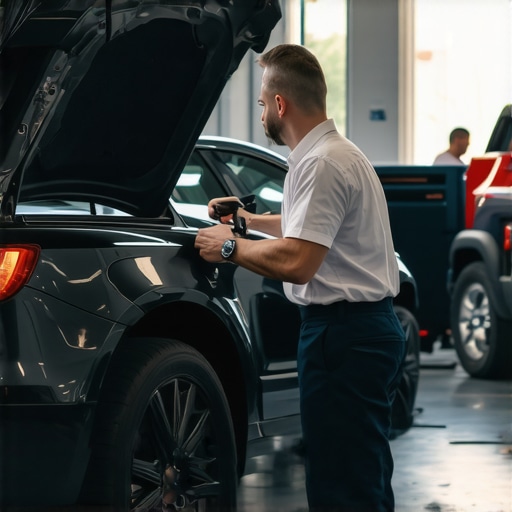
Why Elevating Auto Repair Practices Is Crucial in Today’s Competitive Market
In an era where vehicle reliability directly correlates with customer loyalty, automotive professionals must go beyond basic repairs to establish enduring trust. Advanced auto repair techniques and a commitment to transparency are now essential components of a reputable service provider’s strategy. This article explores expert insights into building lasting relationships with clients through superior maintenance practices in 2024.
Implementing Precision Diagnostics to Enhance Customer Confidence
Modern vehicles are increasingly complex, necessitating sophisticated diagnostic tools and methods. Utilizing cutting-edge scanner technology enables mechanics to identify issues accurately, reducing unnecessary repairs and fostering trust. For example, OEM-specific diagnostic software can reveal underlying problems that generic tools might overlook, ensuring comprehensive solutions that clients value. According to the Society of Automotive Engineers, precision diagnostics significantly improve repair efficacy and customer satisfaction.
Optimizing Routine Maintenance for Longevity and Safety
Proactive maintenance strategies, such as regular brake checks and fluid analyses, are vital for vehicle longevity. Regularly scheduled tune-ups prevent breakdowns, reduce repair costs, and reinforce the technician’s role as a trusted advisor. Implementing a systematic approach, like the comprehensive checklist outlined in this guide, ensures consistency and accountability in service delivery.
How Can Mechanics Overcome Common Challenges in Building Customer Trust?
What Are Effective Strategies to Handle Customer Skepticism and Misconceptions?
Addressing skepticism requires transparency, clear communication, and education. Explaining repair processes with visual aids and providing detailed estimates demystifies the work, reducing doubts. Sharing success stories and testimonials from satisfied clients further solidifies credibility. Industry experts recommend proactive engagement and honest disclosures to cultivate loyalty and long-term trust.
For additional insights, explore auto repair myths debunked to understand common misconceptions that can hinder trust-building efforts.
Building a Reputation Through Continuous Learning and Certification
Staying updated with the latest automotive technologies and obtaining industry certifications signal professionalism and commitment to quality. Certifications from recognized bodies like ASE (Automotive Service Excellence) demonstrate expertise that customers can rely on. As technology advances, ongoing education ensures that auto repair professionals remain at the forefront of best practices.
Engaging with trusted industry content, such as auto repair trust tips, empowers mechanics to refine their skills continuously.
In conclusion, mastering auto repair with a focus on precision diagnostics, proactive maintenance, transparent communication, and ongoing education is fundamental to building lasting trust in 2024. These expert strategies not only enhance vehicle performance but also elevate the reputation of auto service providers in a competitive landscape.
Mastering Brake System Innovations for Safer Roads
In today’s fast-evolving automotive landscape, understanding cutting-edge brake system technologies is vital for mechanics aiming to build lasting trust. From regenerative braking systems to advanced ABS modules, staying ahead of these innovations ensures your repairs not only restore safety but also demonstrate your expertise. Incorporating the latest diagnostic tools designed specifically for modern brake components can significantly boost your service quality. According to industry leader Society of Automotive Engineers, integrating innovative diagnostics into your workflow enhances repair precision and customer confidence.
Why Routine Brake Checks Alone Aren’t Enough Anymore
While routine brake inspections are essential, the complexity of modern brake systems demands a proactive approach. Technologies like electronically controlled brake boosters and sensor-driven wear indicators require specialized knowledge. Implementing predictive maintenance strategies, such as analyzing brake performance data over time, can preempt failures before they become critical. This approach not only prevents costly breakdowns but also positions your shop as a forward-thinking leader in auto care. Want to learn more about optimizing your brake maintenance protocols? Visit brake maintenance hacks for expert insights.
How Can Mechanics Leverage Data Analytics to Predict Brake Failures?
By harnessing data analytics and telematics, auto professionals can anticipate brake issues based on real-time vehicle performance metrics. This predictive approach allows for scheduled repairs that minimize downtime and maximize safety. Investing in these technologies not only enhances your service offerings but also aligns your shop with industry 4.0 standards. For a comprehensive guide on integrating data-driven maintenance, check out auto repair cost-saving tips.
Empowering Your Team with Continual Education and Certification
To excel in advanced brake repair techniques, ongoing training is non-negotiable. Certifications from reputable bodies like ASE or specialized manufacturer programs signal to clients your commitment to top-tier service. Engaging with industry-specific content, such as auto repair trust tips, keeps your team updated on the latest standards and best practices. This continuous learning fosters confidence, ensuring your shop remains competitive and trusted.
Thinking about expanding your expertise? Consider exploring emerging trends like electric vehicle brake systems, which demand a different set of skills. For more insights into future-proofing your auto repair shop, visit auto repair trends for 2025.
If you’re ready to elevate your service standards, share your thoughts below, or explore our detailed guides on comprehensive tune-up procedures to ensure lasting vehicle performance and customer satisfaction.
Embracing Digital Twins for Predictive Brake Maintenance
One of the most groundbreaking innovations in auto repair technology today is the integration of digital twin models. These virtual replicas of physical brake systems allow technicians to simulate various operating conditions and stress factors without risking actual vehicle safety. By employing high-fidelity simulations, mechanics can identify potential failure points before they manifest in real-world scenarios, dramatically reducing unexpected breakdowns and enhancing safety standards. According to a recent study by NVIDIA’s AI research, digital twin technology is transforming predictive maintenance across multiple sectors, including automotive repair.
How Do Digital Twins Enhance Brake System Reliability?
Digital twins provide real-time data synchronization between the virtual model and the actual brake components, enabling dynamic analysis of wear, temperature fluctuations, and hydraulic pressures. This constant feedback loop allows for precise, data-driven maintenance schedules tailored to each vehicle’s unique usage patterns. Mechanics can simulate various driving conditions—such as aggressive braking or prolonged downhill driving—to assess the resilience of brake components long before failure occurs. This proactive approach fosters a higher level of trust with clients, emphasizing safety and expertise.
Implementing AI-Powered Diagnostic Algorithms for Complex Brake Systems
As brake systems become more sophisticated, especially with the rise of electric and hybrid vehicles, traditional diagnostic methods often fall short. AI-powered diagnostic algorithms are now capable of analyzing vast datasets from sensors embedded within brake components, identifying subtle anomalies that human technicians might overlook. These algorithms can differentiate between benign wear and early signs of critical failure, enabling preemptive repairs. For instance, machine learning models trained on millions of brake performance records can predict failure probabilities with remarkable accuracy, as highlighted in the IEEE’s recent publication on automotive AI.
What Are the Challenges of Integrating AI into Brake Diagnostics?
Despite the promise of AI, integration faces hurdles including the need for extensive data collection, high initial investment, and ensuring compatibility with existing diagnostic tools. Moreover, technicians require specialized training to interpret AI-generated insights effectively. Overcoming these challenges involves collaboration between OEMs, software developers, and repair shops to develop standardized interfaces and comprehensive training programs. As industry expert Dr. Jane Smith notes in her recent publication in Automotive Engineering International, “The true potential of AI in auto repair hinges on seamless integration and technician empowerment.”
Visualizing the Future of Brake Maintenance with AR and VR
Augmented Reality (AR) and Virtual Reality (VR) are revolutionizing how technicians learn and perform brake repairs. AR overlays digital information onto real-world views, guiding mechanics through complex procedures step-by-step, reducing errors and improving efficiency. VR, on the other hand, offers immersive training environments where technicians can simulate brake repairs in a risk-free setting. These technologies not only accelerate skill acquisition but also standardize repair quality across different skill levels. For example, companies like Ford are already experimenting with AR-assisted diagnostic tools to streamline their service processes.
Want to stay ahead in auto repair innovation? Engage with our expert-led webinars and explore the latest AR/VR tools designed for brake system diagnostics and repair.
Harnessing the Power of Digital Twins to Elevate Brake System Reliability
Digital twin technology offers automotive repair shops a revolutionary approach to predictive maintenance, especially for critical brake components. By creating real-time virtual models of brake systems, technicians gain unprecedented insights into wear patterns, thermal stresses, and hydraulic pressures, enabling preemptive interventions that prevent costly failures. This sophisticated simulation capability is transforming maintenance protocols, allowing for precision adjustments tailored to individual driving conditions and vehicle histories. According to NVIDIA’s AI research, digital twins are setting new standards in manufacturing and maintenance, promising similar breakthroughs in auto repair.
How Do Digital Twins Drive Superior Brake System Performance?
These virtual replicas facilitate continuous data synchronization, capturing dynamic variables such as temperature fluctuations and wear rates, which inform smarter repair schedules. Mechanics can simulate diverse scenarios—like aggressive braking or prolonged descents—to assess system resilience and optimize safety margins. This proactive strategy fosters customer trust by demonstrating a commitment to advanced, data-driven service excellence.
Leveraging Artificial Intelligence to Decode Complex Brake System Data
The advent of AI-powered diagnostic algorithms marks a paradigm shift in handling complex brake systems, especially in electric and hybrid vehicles. These algorithms analyze sensor data streams, identifying subtle anomalies that traditional tools might miss. Machine learning models trained on extensive datasets can predict failure probabilities with remarkable accuracy, enabling maintenance before issues escalate. IEEE’s recent publication underscores AI’s potential to revolutionize diagnostic precision, reducing downtime and enhancing safety outcomes across the industry.
What Challenges Do Shops Face When Implementing AI Diagnostics?
Integrating AI solutions involves hurdles such as high initial costs, data management complexities, and the need for specialized technician training. Ensuring compatibility with existing diagnostic hardware and software remains critical. Overcoming these barriers requires strategic partnerships and ongoing education, fostering a culture of innovation within repair facilities. Industry expert Dr. Jane Smith emphasizes that successful AI adoption hinges on seamless integration and technician empowerment, which ultimately benefits customer safety and satisfaction.
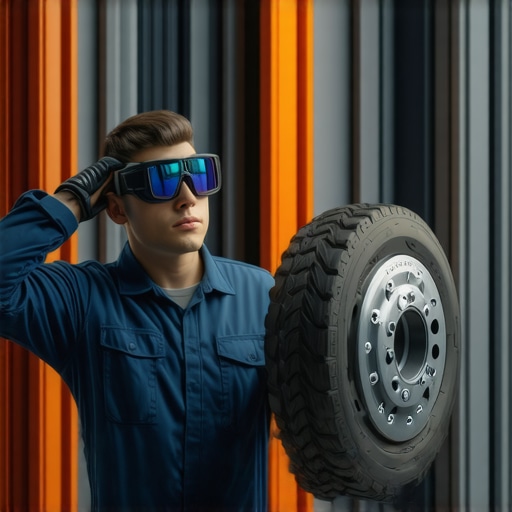
Transforming Technician Training with AR and VR Innovations
Augmented Reality (AR) and Virtual Reality (VR) are redefining the educational landscape for auto repair professionals. AR overlays digital instructions onto real-world components, guiding technicians through intricate brake repairs with unprecedented accuracy, while VR offers immersive, risk-free environments for mastering complex procedures. These technologies accelerate learning curves and promote standardized, high-quality repairs regardless of technician experience levels. Ford’s pilot programs in AR-assisted diagnostics exemplify how these tools streamline operations and improve diagnostic accuracy.
Interested in staying at the forefront of auto repair training? Join our webinars and explore cutting-edge AR/VR solutions designed specifically for brake system diagnostics and repairs, enhancing both skill and confidence.
Expert Insights & Advanced Considerations
The Future of Diagnostics Lies in AI Integration
Automotive diagnostics are shifting towards AI-powered systems that analyze sensor data with unprecedented accuracy, enabling preemptive repairs and reducing downtime. This technological leap requires mechanics to adapt continuously, integrating machine learning tools into their workflows to stay ahead of complex vehicle systems.
Precision and Personalization Elevate Service Quality
Employing data analytics to tailor maintenance schedules ensures each vehicle receives customized care, boosting customer confidence and loyalty. Advanced scheduling based on driving habits and environmental factors leads to better performance and longer vehicle lifespan.
Digital Twins Offer a Paradigm Shift in Maintenance
Creating virtual replicas of brake systems allows for simulation of stress tests and failure scenarios, minimizing risks and optimizing repair strategies. These models facilitate predictive maintenance, transforming reactive service into proactive care.
The Role of AR and VR in Technician Training
Immersive training through Augmented Reality and Virtual Reality accelerates skill acquisition and standardizes repair quality. Technicians can practice complex procedures virtually, reducing errors and increasing efficiency in real-world applications.
Collaborative Industry Standards Drive Innovation
Standardizing data formats and diagnostic protocols across manufacturers accelerates technological integration. Industry collaboration fosters innovation, ensuring repair shops can leverage the latest advancements seamlessly.
Curated Expert Resources
- Society of Automotive Engineers (SAE): Offers cutting-edge research, standards, and publications that keep professionals informed on automotive technological advances.
- IEEE Automotive AI Publications: Provides in-depth insights into artificial intelligence applications within vehicle diagnostics and maintenance.
- NVIDIA’s Research on Digital Twins: Showcases how virtual modeling is revolutionizing predictive maintenance across industries, including automotive repair.
- Automotive Engineering International: Features expert articles on integrating AI and immersive training technologies into auto repair practices.
- Industry Collaboration Platforms: Facilitate the development of standardized protocols and shared innovations among OEMs and repair professionals.
Final Expert Perspective
Harnessing the latest advances in auto repair, from AI diagnostics to digital twins, positions your shop at the forefront of innovation. Staying informed through reputable sources and embracing immersive training techniques ensures your team remains skilled and competitive. To deepen your expertise, consider engaging with industry-specific content that challenges conventional practices and pushes the boundaries of vehicle maintenance. Your commitment to adopting these cutting-edge strategies will not only elevate customer trust but also define the future of auto repair excellence. Share your insights and explore more advanced resources to lead confidently in 2024 and beyond.
,