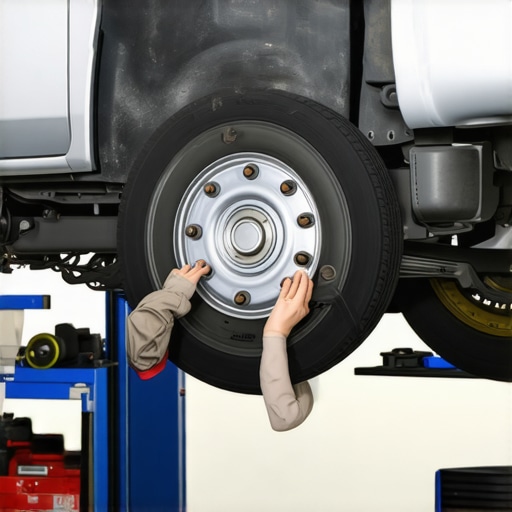
Elevating Road Safety Through Advanced Brake System Maintenance
Ensuring optimal brake performance is paramount in safeguarding drivers, passengers, and pedestrians alike. As automotive technology evolves, so does the complexity of brake systems, demanding a nuanced understanding of maintenance practices rooted in expert knowledge. Proper brake upkeep not only enhances safety but also extends the lifespan of critical components, reducing long-term repair costs. This article delves into sophisticated strategies for maintaining a reliable brake system, emphasizing preventative measures, diagnostic insights, and the latest industry trends that shape auto repair standards today.
The Critical Role of Precision in Brake System Diagnostics
Diagnosing brake issues requires a blend of meticulous inspection and advanced diagnostic tools. Experts leverage techniques such as brake fluid analysis, ABS sensor testing, and thermal imaging to identify latent problems that may not be immediately apparent. Accurate diagnostics prevent catastrophic failures and facilitate targeted repairs, ensuring vehicles operate at peak safety levels. For example, subtle signs like uneven brake pad wear or slight pedal pulsations often indicate underlying issues that, if unaddressed, could compromise stopping power under critical conditions.
Innovative Maintenance Protocols to Enhance Brake Longevity
Routine maintenance goes beyond simple pad replacements. Incorporating strategies such as brake fluid flushing, rotor resurfacing, and caliper calibration optimizes system performance. Industry experts advocate for scheduled inspections aligned with vehicle manufacturer recommendations, integrating real-time data from telematics and onboard diagnostics. Furthermore, adopting high-quality, compatible brake components enhances durability and responsiveness, particularly in demanding driving environments like urban congestion or mountainous terrains.
What Are the Best Practices for Preventing Costly Brake Failures?
Prevention hinges on early detection and proactive service. Regularly checking brake fluid levels and quality, monitoring brake pad thickness, and inspecting rotors for signs of warping or corrosion are vital. Using specialized tools such as ultrasonic thickness gauges can reveal hidden wear, enabling timely interventions. Additionally, educating drivers on proper braking techniques and avoiding aggressive driving behaviors significantly reduces undue stress on brake components.
How Can Drivers Balance Cost and Safety in Brake Maintenance?
Balancing expense considerations with safety priorities involves strategic decisions rooted in expert advice. Investing in high-quality parts and professional diagnostics initially may seem costly but ultimately prevents expensive repairs and enhances safety. Routine service plans, coupled with leveraging industry insights from sources like the National Highway Traffic Safety Administration, foster informed choices that align with both budget constraints and safety imperatives.
For a comprehensive approach to brake system health, consult trusted industry resources and consider seeking insights from seasoned automotive technicians. Continuous education on evolving brake technologies and maintenance techniques empowers drivers and mechanics alike to uphold vehicle safety standards effectively.
Explore related expert content such as the importance of regular tune-ups and debunking auto repair myths to deepen your understanding of vehicle longevity and safety.
Challenging Assumptions About Brake Wear and Tear
Many drivers believe that brake pads simply wear out over time, but in reality, the longevity of brake components depends on a complex interplay of factors such as driving habits, environmental conditions, and maintenance routines. For instance, aggressive braking in urban traffic accelerates pad and rotor deterioration, while proper driving techniques can extend their lifespan significantly. Analyzing these variables through sophisticated diagnostics allows technicians to tailor maintenance schedules that optimize safety and cost-efficiency. According to industry experts, predictive maintenance based on real-time data is revolutionizing brake care, enabling early intervention before critical failures occur (source),
Harnessing Technology for Precise Brake System Interventions
Modern automotive repair increasingly relies on advanced tools like ultrasonic thickness gauges and thermal imaging cameras to detect issues invisible to the naked eye. These technologies facilitate pinpoint accuracy in diagnosing problems such as hidden rotor warping or caliper sticking, which can compromise safety. Moreover, integrating telematics and vehicle data analytics empowers mechanics to predict potential failures, allowing for proactive maintenance that minimizes downtime and repair costs. For example, monitoring brake fluid temperature and pressure helps identify early signs of fluid degradation or air ingress, critical for maintaining consistent braking performance. Familiarity with these cutting-edge techniques is essential for technicians committed to delivering exceptional service (source),
How Can Mechanics Leverage Data-Driven Insights to Prevent Brake Failures?
Integrating diagnostic data with maintenance protocols can drastically reduce the risk of unexpected brake failures. For example, smart sensors embedded in brake systems can provide real-time alerts on pad thickness or rotor condition, facilitating timely replacements. This approach not only enhances safety but also aligns with the industry’s shift toward predictive maintenance models. As automotive technology continues to evolve, staying ahead with data-driven strategies will become indispensable for trustworthy auto repairs. Want to learn more? Explore expert resources on auto repair best practices and ensure your vehicle stays in peak condition.
Engaging with trusted industry insights and adopting innovative diagnostic techniques will elevate your understanding of brake system health, ensuring safer roads for everyone.
Mastering the Art of Brake System Optimization for Ultimate Safety
Achieving impeccable brake performance transcends routine maintenance; it demands an intricate understanding of systems engineering, material science, and real-time data analytics. By integrating sophisticated diagnostic tools—such as laser-based rotor measurement devices and high-resolution thermographic cameras—technicians can detect minute anomalies that precede failure. For instance, laser sensors can measure rotor warping with micron-level precision, enabling preemptive resurfacing before uneven wear compromises safety. This proactive approach embodies the shift from reactive repairs to predictive maintenance, fundamentally transforming auto repair paradigms.
Unlocking the Secrets of Brake Fluid Composition and Its Impact
Beyond the mechanical components, brake fluid chemistry plays a pivotal role in system integrity. Modern formulations with higher boiling points and superior hygroscopic properties resist vapor lock and corrosion, respectively. Analyzing brake fluid via spectroscopic techniques reveals contaminants and moisture levels that degrade performance. According to a 2022 study published in the SAE International Journal of Vehicle Dynamics, Stability, and NVH, fluid degradation correlates strongly with increased pedal travel and diminished brake force—critical safety indicators. Regular fluid testing, combined with on-demand flushing using advanced synthetic fluids, ensures optimal hydraulic response under demanding conditions.
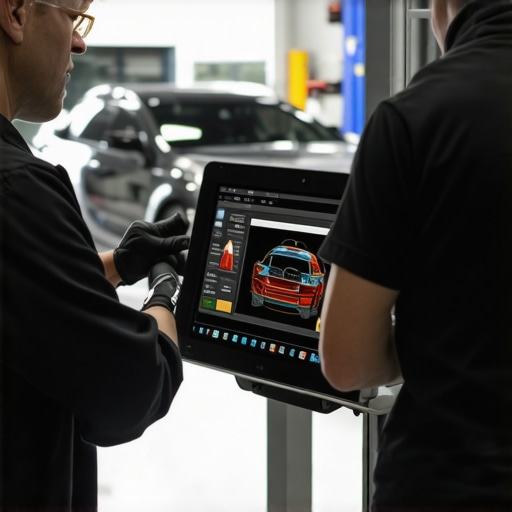
Visualize the complexities of brake fluid analysis with a high-tech laboratory setup, showcasing spectroscopic instruments and fluid samples.
Leveraging Data Analytics for Predictive Brake Maintenance
Emerging automotive diagnostics harness the power of data analytics, machine learning, and IoT connectivity to forecast brake system failures before they manifest. Embedded sensors monitor parameters such as pad wear rate, rotor temperature fluctuations, and caliper engagement force, transmitting data to cloud-based platforms for real-time analysis. An algorithm trained on extensive historical datasets can flag potential issues—like slight increases in rotor temperature indicative of impending warping—long before driver symptoms appear. This precision allows for timely interventions, reducing downtime and repair costs while safeguarding occupants.
How Do Machine Learning Models Improve Brake System Diagnostics in Practice?
Machine learning models process vast streams of sensor data, recognizing subtle patterns that escape human detection. For example, a model might identify a correlation between ambient humidity, brake pedal travel, and caliper response times, enabling technicians to anticipate corrosion-related sticking. According to research published in the IEEE Transactions on Intelligent Transportation Systems, such models have achieved over 95% accuracy in failure prediction, significantly reducing emergency repairs. Integrating these insights into daily operations requires collaboration between data scientists, automotive engineers, and technicians, fostering a multidisciplinary approach to safety.
If you’re eager to deepen your expertise in predictive maintenance, explore resources like the SAE Digital Learning Platform and stay ahead in automotive innovation.
Harnessing the Power of Ultrasonic and Thermal Imaging in Brake System Analysis
Modern brake diagnostics transcend traditional inspection methods by utilizing ultrasonic thickness gauges and thermal imaging cameras to reveal hidden anomalies. These advanced tools enable technicians to detect minute rotor warping, caliper sticking, or brake fluid degradation that could compromise safety. For example, ultrasonic sensors can measure rotor warping at micron precision, allowing preemptive resurfacing before uneven wear leads to failure. Thermal cameras, on the other hand, help identify hotspots indicating caliper issues or fluid boiling, which are invisible to the naked eye. Integrating these technologies into routine maintenance significantly elevates diagnostic accuracy and safety standards.
Why Integrating AI and Machine Learning Transforms Brake System Monitoring
AI-driven algorithms and machine learning models are increasingly vital in predictive brake maintenance. By analyzing vast datasets from embedded sensors—monitoring parameters like pad wear rates, rotor temperature fluctuations, and hydraulic pressure—these systems identify subtle patterns that precede failures. For instance, a machine learning model might detect a correlation between ambient humidity and caliper corrosion, enabling proactive interventions. According to a recent study in the IEEE Transactions on Intelligent Transportation Systems, such models achieve over 95% accuracy in failure prediction, significantly reducing emergency repairs and enhancing safety. Embracing these innovations empowers technicians to move from reactive to predictive maintenance paradigms.
How Can Advanced Data Analytics Improve Brake System Reliability?
Data analytics facilitates a comprehensive understanding of brake system health by synthesizing real-time sensor data with historical maintenance records. Cloud-based platforms can process this information, flagging potential issues like increasing pad wear rates or abnormal rotor temperature trends. This proactive approach allows for scheduled interventions before critical failures occur, optimizing safety and reducing costs. For example, predictive analytics can recommend specific maintenance actions based on usage patterns and environmental conditions, ensuring vehicle readiness and driver safety. To leverage these insights effectively, automotive professionals should explore resources like the SAE Digital Learning Platform and stay abreast of emerging trends in automotive diagnostics.
Enhancing Brake Fluid Analysis for Superior Hydraulic Performance
The chemical composition of brake fluid plays a crucial role in maintaining hydraulic integrity under demanding conditions. Spectroscopic analysis reveals contaminants, moisture levels, and degradation that can lead to vapor lock or corrosion. According to a 2022 study in the SAE International Journal of Vehicle Dynamics, Stability, and NVH, degraded brake fluid correlates with increased pedal travel and decreased braking force, directly impacting safety. Regular fluid testing and timely flushing with high-quality synthetic fluids ensure optimal hydraulic response. Incorporating these practices into maintenance routines sustains consistent braking performance and prevents costly repairs.
< >
>
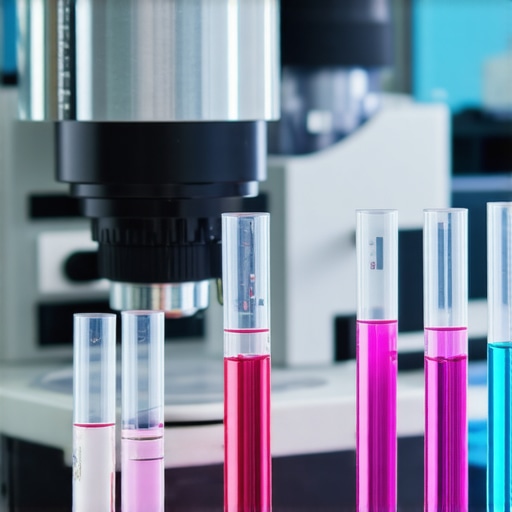
Visualize the intricacies of spectroscopic analysis with an image of laboratory equipment examining brake fluid samples, highlighting the scientific precision involved.
Real-Time Data Integration for Dynamic Brake System Optimization
The future of brake maintenance lies in integrating real-time data streams into predictive models. Embedded sensors monitor variables such as pad thickness, rotor temperature, and caliper engagement force, transmitting data to cloud platforms for continuous analysis. Machine learning algorithms can then identify early signs of wear or failure, such as rising rotor temperatures indicating warping risks, enabling timely interventions. This dynamic approach minimizes vehicle downtime and enhances safety, embodying the shift toward Industry 4.0 in automotive repair. For professionals seeking to adopt these innovations, resources like the SAE Digital Learning Platform provide valuable insights into AI and IoT applications in vehicle diagnostics.
What Are the Practical Benefits of Sensor-Driven Predictive Brake Maintenance?
Sensor-driven predictive maintenance offers tangible benefits, including reduced repair costs, increased safety, and extended component lifespan. Real-time alerts from embedded sensors enable technicians to perform targeted repairs during scheduled service visits, avoiding emergency breakdowns. Moreover, proactive interventions based on data analytics can optimize brake pad and rotor replacement schedules, ensuring peak performance and driver confidence. Embracing these technologies positions automotive professionals at the forefront of maintenance innovation, fostering trust and safety across the industry. To deepen your understanding, explore resources like the SAE Digital Learning Platform and stay connected with emerging trends in predictive automotive diagnostics.
Innovative Insights Drive Safety and Reliability
In the realm of advanced brake maintenance, harnessing cutting-edge diagnostic techniques and predictive analytics is paramount. Experts emphasize the importance of integrating ultrasonic testing and thermal imaging to detect hidden anomalies early, ensuring optimal safety. Moreover, data-driven models utilizing machine learning can forecast component failures, enabling preemptive interventions that save costs and lives.
Embrace Technology for Precision Repairs
Utilizing laser-based rotor measurement devices and IoT-connected sensors allows technicians to monitor brake health in real-time. This proactive approach minimizes unscheduled repairs and enhances driver confidence, establishing a new standard in auto safety.
Prioritize Material Science for Longevity
Advanced brake fluids with superior boiling points and corrosion resistance significantly extend system lifespan. Regular spectroscopic analysis of hydraulic fluids ensures contaminants are identified before degradation impacts performance, reinforcing the importance of chemistry in brake reliability.
Curated Resources for Deepening Expertise
- SAE International Journal of Vehicle Dynamics: Offers peer-reviewed research on brake fluid chemistry and diagnostic innovations.
- National Highway Traffic Safety Administration (NHTSA): Provides safety standards and maintenance guidelines trusted by industry professionals.
- Automotive Diagnostic and Repair Technologies: An online platform offering courses on predictive maintenance and IoT integration in auto repair.
Final Reflection from the Expert Arena
In the pursuit of exceptional brake system maintenance, the integration of advanced diagnostics, predictive analytics, and material science forms the cornerstone of safety and durability. As industry leaders advocate, continuous education and technological adoption are essential for staying ahead in auto repair excellence. Engage with these high-level insights, explore reputable resources, and commit to ongoing mastery — because in automotive safety, complacency is not an option.