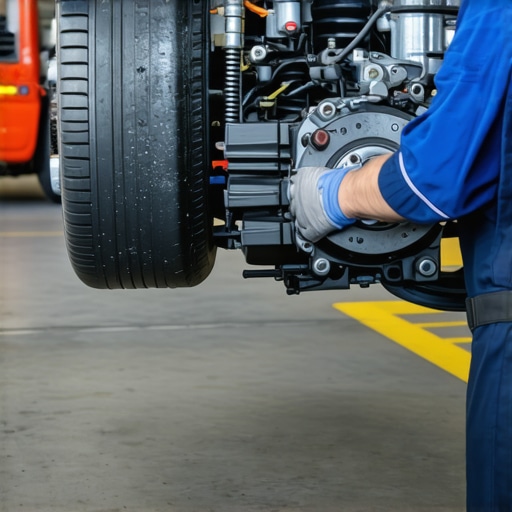
Elevating Brake Service: The Cornerstone of Automotive Safety
Ensuring the reliability of a vehicle’s braking system is paramount for safety and performance. As automotive technology advances, so do the complexities of brake maintenance and tune-up strategies. Expert mechanics now leverage sophisticated diagnostic tools and a deep understanding of brake dynamics to prevent costly failures and enhance driver confidence.
Innovative Approaches to Brake Inspection and Maintenance
Routine brake inspections should transcend basic pad checks. Advanced techniques involve ultrasonic testing of rotors, precise brake fluid analysis, and the assessment of caliper piston functionality. These methods allow for early detection of wear and corrosion, which are often invisible to the naked eye but critical for long-term reliability. Regularly referencing trusted resources such as industry expert insights can refine maintenance schedules and reduce unexpected breakdowns.
Optimizing Brake Components for Longevity and Safety
Strategic component selection, including high-performance brake pads and rotors designed for specific driving conditions, can significantly affect safety outcomes. Expert-driven recommendations emphasize the importance of using OEM parts or high-quality aftermarket equivalents. Additionally, proper bedding-in procedures for new brake components ensure optimal contact surfaces and prevent uneven wear, ultimately extending service intervals and trustworthiness.
How can mechanics accurately diagnose subtle brake system issues before failure occurs?
Detecting early signs of brake issues requires a combination of advanced diagnostic tools and expert intuition. For instance, interpreting brake pedal pulsations, abnormal noises, or slight pulling during braking can point to underlying problems such as uneven pad wear or caliper sticking. Employing data from vehicle-specific diagnostic software and correlating it with physical inspections enhances accuracy. Regular training on emerging brake technologies and staying updated with the latest industry trends is essential for mechanics aiming to provide lasting safety.
Building Trust Through Transparent Communication and Expert Advice
Clear, jargon-free explanations of brake service procedures foster customer trust and promote proactive maintenance. Sharing insights from reputable sources like the expert guides can empower vehicle owners to understand the importance of routine tune-ups and timely repairs, reducing the likelihood of accidents caused by neglected brake systems.
For those interested in elevating their auto repair expertise, exploring comprehensive guides such as the ultimate tune-up checklist is highly recommended. Sharing professional insights and engaging with industry forums can also foster a community dedicated to automotive safety excellence.
Refining Brake Diagnostics to Prevent Last-Minute Failures
Accurate diagnosis of brake system issues before they escalate is a skill that distinguishes top-tier mechanics. While visual inspections are essential, integrating advanced diagnostic tools such as brake fluid testers, ultrasonic rotor analyzers, and caliper pressure sensors enables technicians to uncover hidden faults. These methods can detect early-stage corrosion, uneven pad contact, or subtle piston sticking—issues that often lead to catastrophic failures if left unaddressed. Staying current with evolving diagnostic technology, as recommended in trusted industry resources like industry expert insights, ensures that maintenance strategies are both precise and proactive.
Leveraging Data for Predictive Brake Maintenance
Predictive maintenance is transforming how mechanics approach brake care. By analyzing data trends—such as pedal feel, temperature fluctuations, and brake performance logs—technicians can forecast potential failures. This data-driven approach reduces downtime and enhances safety, aligning with the broader industry move towards smart diagnostics as outlined in top industry trends. Implementing telematics and vehicle-specific diagnostic software helps mechanics customize maintenance schedules, ensuring that brake components are serviced only when truly necessary, thus maximizing both safety and cost-efficiency.
What are the most overlooked signs of brake system degradation that experts rely on?
Many vehicle owners and even some technicians overlook subtle indicators like a slight change in pedal travel, intermittent squeaks, or a vague steering pull during braking. These signs often precede more serious issues such as caliper failure or rotor warping. An expert understanding of these nuances, combined with regular use of diagnostic tools, can dramatically improve early detection. For instance, interpreting minor pedal pulsations with the help of specialized equipment can reveal uneven pad deposits or caliper piston corrosion early enough for effective intervention. Regularly consulting authoritative sources like expert guides can elevate a mechanic’s diagnostic acumen and prevent costly repairs.
If you’re eager to deepen your understanding of advanced brake diagnostics, exploring comprehensive resources such as the ultimate tune-up checklist can provide valuable insights. Engaging with professional forums and industry seminars also fosters a community dedicated to cutting-edge automotive safety practices.
Mastering the Art of Fine-Tuned Brake Diagnostics to Prevent Catastrophic Failures
In the realm of automotive safety, the ability to diagnose subtle brake system anomalies before they escalate is a mark of true expertise. Modern vehicles are equipped with a multitude of sensors and diagnostic interfaces that, when interpreted correctly, can reveal hidden faults. For example, a slight increase in pedal travel or inconsistent pedal feel can indicate early-stage caliper piston corrosion or uneven pad wear, respectively. Utilizing diagnostic tools such as electronic brake force distribution (EBD) sensors and brake fluid pressure testers allows technicians to quantify these issues with precision.
Advanced diagnostic techniques also involve analyzing data from vehicle telematics systems. By tracking parameters like brake temperature profiles during different driving conditions, mechanics can identify abnormal heat buildup that predisposes rotors and pads to premature wear. Moreover, ultrasonic rotor analyzers can detect subsurface cracks and corrosion deposits invisible to the naked eye, providing a comprehensive picture of the brake system’s health. As highlighted by the SAE International Journal of Passenger Cars — Mechanical Systems, integrating sensor data with predictive analytics significantly enhances early fault detection capabilities.
How does the integration of real-time data transformation revolutionize brake maintenance?
Real-time data processing enables technicians to implement predictive maintenance strategies that shift from reactive repairs to proactive interventions. By continuously monitoring brake performance indicators such as pedal responsiveness, temperature fluctuations, and pressure consistency, it becomes possible to forecast potential failures weeks before they occur. This approach reduces roadside breakdowns and enhances safety, aligning with Industry 4.0 principles of smart diagnostics. For instance, algorithms that analyze trend deviations in brake fluid pressure can flag caliper piston sticking or seal failures, prompting scheduled repairs before the issue manifests as a safety hazard.
Implementing such systems requires a robust understanding of data analytics and vehicle-specific diagnostic software, as well as staying current with technological advancements documented in industry-leading publications like IEEE Transactions on Vehicular Technology. The future of brake diagnostics undoubtedly hinges on seamless data integration and machine learning-driven insights, which together promise unprecedented levels of safety and reliability.
Uncovering Hidden Signs of Brake Deterioration That Often Go Unnoticed
Many vehicle owners and technicians overlook subtle signs that precede major failures. For example, minor pulsations in the steering wheel during braking can suggest uneven rotor deposits or caliper piston sticking. Similarly, intermittent squeaks may be caused by glazing on brake pads or debris lodged between rotor and pad surfaces—issues that, if caught early, can be resolved with minimal cost. Other overlooked indicators include a vague or spongy brake pedal, which often signifies air in the brake lines or compromised master cylinder seals.
Expert-level diagnostics involve correlating these symptoms with detailed component inspections and utilizing specialized equipment like brake force testers and piston pressure gauges. Additionally, regular analysis of brake fluid samples for moisture content and contamination—per standards set by the National Technical Testing and Certification Authority—helps prevent corrosion and seal degradation that can silently undermine brake performance.
By sharpening diagnostic acumen and leveraging authoritative technical resources, mechanics can detect early degradation signs and extend the lifespan of brake components while safeguarding vehicle occupants. For those committed to automotive excellence, embracing continuous education through advanced training programs and industry seminars remains essential for maintaining an edge in brake system diagnostics.
Unveiling the Hidden World of Brake System Anomalies
In the pursuit of automotive perfection, top-tier mechanics recognize that subtle, often overlooked signs can herald impending brake failures. These include minute pedal pulsations, irregular squeals, or a gentle steering pull—each whispering warnings that demand expert interpretation. Understanding these nuances enables preemptive action, preventing costly repairs and enhancing safety.
Harnessing Cutting-Edge Diagnostic Technologies
Modern brake diagnostics transcend traditional visual inspections. Engineers now employ ultrasonic rotor analyzers, electronic caliper pressure sensors, and brake fluid testers to uncover subsurface cracks, corrosion deposits, and moisture contamination. These tools provide quantifiable data, allowing for precise fault localization and early intervention.
Integrating Sensor Data with Predictive Analytics
The latest industry advancements involve amalgamating real-time sensor inputs with sophisticated analytics platforms. By continuously monitoring parameters such as brake temperature, pressure consistency, and pedal travel, technicians can identify deviations indicative of caliper piston sticking or pad glazing. This proactive approach shifts maintenance from reactive to predictive, significantly reducing roadside failures.
Expert Strategies for Detecting the Unseen
Expert diagnosticians employ a multifaceted approach: correlating subjective symptoms with objective data, conducting detailed component inspections, and leveraging vehicle-specific diagnostic software. Regular analysis of brake fluid moisture levels, in accordance with standards from the National Technical Testing and Certification Authority, helps prevent corrosion-related issues that silently deteriorate brake performance.
How does integrating machine learning refine brake maintenance insights?
Machine learning algorithms analyze vast datasets from vehicle telematics, uncovering patterns and predicting failures before symptoms manifest. This technological leap enables technicians to plan maintenance precisely, minimize downtime, and elevate safety standards by anticipating issues like caliper seal failures or rotor warping based on historical trends.
To stay ahead in this rapidly evolving field, professionals should explore detailed resources such as IEEE Transactions on Vehicular Technology and participate in ongoing training programs. Embracing these innovations will ensure your expertise remains at the forefront of automotive safety and reliability.
Early Warning Signs That Escape the Ordinary
Commonly missed indicators include slight increases in pedal travel, sporadic squeaks, or minimal steering deviations—each offering clues to caliper piston corrosion, uneven pad deposits, or rotor warping. Diagnosing these symptoms early, with specialized tools like brake force testers and piston pressure gauges, allows for targeted repairs that extend component lifespan.
Consistent analysis of brake fluid quality, especially moisture content, as per industry standards, can reveal hidden corrosion risks. Mastering the art of early detection requires continuous education, familiarity with sensor data interpretation, and engagement with industry-leading publications and seminars.
The Future of Brake System Surveillance
Emerging technologies in brake diagnostics leverage real-time data streams and machine learning to revolutionize vehicle maintenance. Smart systems monitor brake performance continuously, alerting technicians to anomalies like abnormal heat buildup or pressure fluctuations. This seamless data integration facilitates timely interventions, dramatically reducing the likelihood of catastrophic failures.
By adopting Industry 4.0 principles, mechanics can develop predictive maintenance protocols that optimize safety and operational efficiency. For instance, trend analysis of brake temperature profiles during various driving scenarios can identify pre-failure conditions, allowing for scheduled repairs before safety is compromised.
Why is real-time data transformation a game-changer for brake safety?
Transforming raw sensor data into actionable insights empowers mechanics to preempt failures, reducing emergency repairs and enhancing overall vehicle safety. This approach exemplifies the shift toward intelligent, data-driven automotive maintenance—an evolution that promises to redefine industry standards and customer trust.
Leverage Precision Diagnostics for Ultimate Safety
Employ cutting-edge tools like ultrasonic rotor analyzers and brake force sensors to detect subsurface cracks and uneven pad contact early. These technologies enable mechanics to pinpoint issues before they escalate, ensuring vehicle safety and reducing costly repairs.
Incorporate Data Analytics for Predictive Maintenance
Utilize vehicle telematics and pressure trend analysis to forecast potential failures. Integrating machine learning algorithms can identify patterns indicating caliper seal degradation or rotor warping, allowing preemptive repairs that save time and enhance safety.
Prioritize Continuous Education on Emerging Brake Technologies
Stay updated with the latest diagnostic advancements and industry trends through specialized training and authoritative publications like the SAE International Journal. This commitment ensures diagnostic accuracy and maintains a competitive edge in automotive safety.
Adopt a Holistic Approach to Brake System Evaluation
Combine visual inspections with sensor data interpretation and fluid quality analysis. Regularly testing brake fluid moisture levels, in line with standards from the National Technical Testing and Certification Authority, helps prevent corrosion and seal deterioration that silently compromise performance.
Integrate Real-Time Data for Immediate Insights
Implement real-time monitoring systems that track brake temperature, pressure, and pedal responsiveness. This approach facilitates immediate diagnostics, enabling technicians to address issues proactively and prevent catastrophic failures.
Curated Resources for Advanced Brake Diagnostics
- SAE International Journal of Passenger Cars — Mechanical Systems: Offers in-depth research on sensor integration and predictive analytics for brake systems.
- Industry-specific diagnostic software platforms: Provide vehicle-specific data analysis to enhance fault detection precision.
- Technical seminars and workshops from automotive associations: Offer hands-on experience with the latest diagnostic tools and methodologies.
Expert Reflection
Advanced brake diagnostics represent the pinnacle of automotive safety strategy. By integrating precision tools, predictive analytics, and continuous learning, mechanics can elevate their diagnostic capabilities, ensuring vehicles perform reliably and safely for years to come. Staying at the forefront of these innovations not only reduces costs but also builds unparalleled trust with clients. For professionals eager to deepen their expertise, engaging with authoritative resources and industry seminars is essential. Embrace these strategies today to set new standards in brake system reliability and safety.