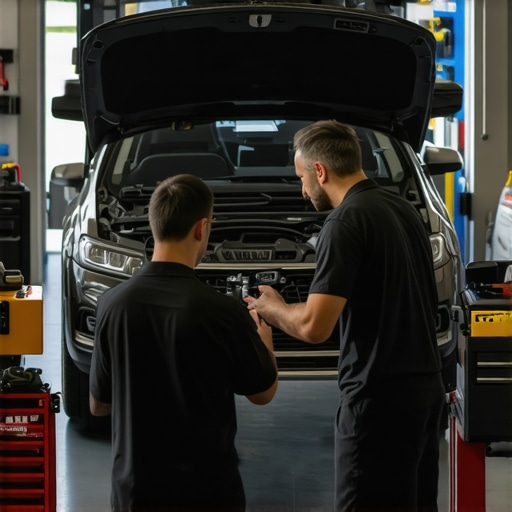
The Critical Role of Expert Maintenance in Extending Vehicle Lifespan
Maintaining a vehicle for long-term safety and reliability demands a nuanced understanding of automotive systems. Professional auto repair practices, rooted in industry expertise, are essential for preserving vehicle integrity over years of service. Skilled mechanics leverage advanced diagnostic tools and evidence-based procedures to identify issues before they escalate, ensuring optimal performance and safety.
How Advanced Diagnostics Drive Preventive Auto Care
Modern vehicles are equipped with complex electronic systems that require expert diagnosis beyond basic inspection. Utilizing tools like OBD-II scanners and live data analysis enables mechanics to detect subtle faults that could compromise safety. This proactive approach minimizes costly repairs and reduces the risk of breakdowns, contributing to long-term dependability.
Strategic Component Replacement and System Optimization
Expert auto repair emphasizes the importance of timely component replacement—such as brake systems, suspension parts, and engine components—based on manufacturer guidelines and real-world wear patterns. Replacing parts before failure occurs prevents safety hazards and maintains driving confidence. Furthermore, system optimizations like precise wheel alignments and calibrated brake adjustments enhance vehicle handling and safety margins.
Incorporating the Latest Trends in Auto Repair Technology
Industry advancements, including electric vehicle servicing techniques and eco-friendly repair materials, are transforming auto maintenance. Staying informed about these trends allows professionals to implement innovative solutions that improve vehicle longevity and environmental sustainability. For example, experts now recommend specific battery management protocols that extend EV battery life, a crucial aspect of long-term safety.
Quality Parts and Genuine Fluids as Pillars of Reliability
Using high-quality, OEM-specification parts and authentic fluids is fundamental to expert auto repair. These components are engineered to exacting standards, ensuring compatibility and durability. This attention to detail sustains vehicle performance, reduces the likelihood of failure, and supports long-term safety.
What Are the Most Overlooked Aspects of Vehicle Preservation?
Addressing Common Gaps in Routine Maintenance
Many drivers underestimate the importance of regular fluid analysis, comprehensive inspections, and software updates. These overlooked aspects are vital for early detection of potential issues, especially in modern, technologically advanced vehicles. Regular professional check-ups can identify red flags like abnormal tire wear patterns or subtle brake performance declines, which might otherwise escape notice until critical failure occurs.
For those interested in deepening their understanding of expert auto repair practices, exploring resources like auto repair cost-saving tips from industry experts can be invaluable. Sharing insights and experiences with trusted mechanics fosters a collaborative approach to vehicle longevity.
In conclusion, long-term vehicle safety is rooted in expert maintenance strategies that blend traditional craftsmanship with cutting-edge technology. Regular, informed interventions by skilled professionals sustain vehicle performance and safeguard occupants, making professional auto repair an investment in peace of mind for every driver.
Uncover Hidden Risks in Routine Maintenance
While many drivers adhere to basic service schedules, some overlook critical aspects such as professional software updates and detailed inspections. These overlooked elements are often the first indicators of potential failures in modern vehicles, especially with the increasing reliance on electronic systems. For instance, manufacturers release firmware updates that improve system stability and security—skipping these updates can leave your vehicle vulnerable to glitches that compromise safety. Regular expert diagnostics can reveal subtle issues like sensor misalignments or software bugs that, if left unchecked, might escalate into costly repairs. To deepen your understanding of how professional auto care can prevent such problems, explore auto repair tune-up tips for lasting trust.
Why Precision Matters in Component Calibration
Many assume that replacing worn-out parts is sufficient, but the true measure of expert repair lies in system calibration. For example, a brake system that isn’t calibrated correctly can lead to uneven wear and diminished safety, especially during emergency stops. Skilled mechanics employ specialized tools to ensure components like brake pads, wheel alignments, and suspension systems are finely tuned. These adjustments not only enhance safety but also optimize fuel efficiency and vehicle handling. Such precision prevents premature component failure, saving money over the vehicle’s lifespan. Considering the importance of calibration, how often should you have your vehicle’s systems professionally tuned to ensure optimal performance? The answer varies based on driving habits and vehicle type, but consulting trusted resources like industry expert auto repair cost-saving tips can provide valuable insights.
What Expert Techniques Can Detect Subtle Vehicle Issues Before They Escalate?
Advanced diagnostic techniques, such as laser alignment and electronic sensor testing, allow mechanics to catch problems that traditional inspections might miss. For instance, subtle wheel misalignments can cause uneven tire wear and poor handling, which often go unnoticed until a critical failure occurs. Expert mechanics utilize these precise tools to identify and correct even minor deviations, extending component life and ensuring safety. This proactive approach exemplifies how top-tier auto repair professionals prevent minor issues from turning into emergencies. Do you know if your mechanic uses the latest diagnostic equipment? If not, it might be time to consider a consultation with specialists who prioritize cutting-edge technology. To find a trusted expert, visit how to choose a skilled mechanic you can trust.
If you’re eager to learn more about maintaining your vehicle’s systems for maximum reliability, sharing your experiences or asking questions in the comments can foster a community of informed drivers. Remember, consistent, expert care is the cornerstone of vehicle longevity and safety.
Harnessing Cutting-Edge Calibration Methods to Elevate Vehicle Safety
Calibration is the unsung hero of expert auto repair, often overlooked by vehicle owners but critical for ensuring optimal performance. Precision calibration of braking systems, steering alignment, and electronic sensors guarantees that every component functions harmoniously, reducing wear and enhancing safety margins. Advanced calibration techniques involve laser-guided tools and real-time data analytics, which allow technicians to fine-tune systems with extraordinary accuracy. This meticulous process not only prevents premature component failure but also extends the lifespan of crucial parts, offering a significant return on investment for vehicle owners.
How High-Tech Diagnostics Uncover the Subtlest Mechanical Anomalies
Traditional inspections can miss nuanced issues lurking beneath the surface, especially in modern vehicles laden with electronic control units (ECUs). Sophisticated diagnostic tools like oscilloscopes, thermal imaging, and 3D laser alignment systems allow mechanics to detect anomalies before they manifest as costly repairs or safety hazards. For instance, subtle sensor misalignments or minute wiring faults can cause drivability issues that are easily missed without these advanced tools. Mechanic expertise combined with such technology creates a proactive maintenance ethos, transforming auto repair from reactive to preventive care.

Image Prompt: Technicians using laser alignment equipment on modern vehicle suspension, detailed focus, high-tech repair shop environment.
Addressing Complex Electrical System Challenges through Expert Knowledge
Modern vehicles are increasingly dependent on intricate electrical systems that demand specialized understanding. Diagnosing and repairing issues like short circuits, module communication errors, or software glitches require deep expertise and sophisticated equipment. For example, a minor software bug in the engine control module might cause drivability problems that are subtle yet impactful. Expert technicians employ protocols such as firmware flashing, circuit tracing, and system reprogramming to resolve these issues effectively. Staying current with manufacturer updates and industry innovations ensures that repairs are durable and aligned with the latest safety standards.
Why Integrating Data-Driven Maintenance Strategies Benefits Longevity
Data analytics is transforming auto maintenance, allowing professionals to predict failures based on historical and real-time data. By analyzing patterns such as engine temperature fluctuations, oil quality metrics, and sensor performance, technicians can implement targeted interventions. This approach minimizes unnecessary repairs, reduces downtime, and enhances vehicle safety. For example, predictive analytics can signal impending alternator failure, prompting proactive replacement instead of waiting for complete breakdowns. Embracing these strategies requires a combination of expert knowledge and data literacy, positioning auto repair as a precision science rather than guesswork.
What Advanced Technologies Are Setting New Standards in Auto Repair?
Emerging innovations such as augmented reality (AR) repair guidance, AI-driven diagnostic algorithms, and 3D printing of replacement parts are revolutionizing the industry. AR overlays detailed repair instructions onto real-world views, reducing errors and training time. AI systems can analyze diagnostic data to suggest optimal repair sequences, improving efficiency. Meanwhile, 3D printing enables rapid manufacturing of specialized tools or parts, decreasing turnaround times. Staying informed about these trends empowers auto repair professionals to deliver unparalleled service, ensuring vehicle longevity and occupant safety. To explore these innovations further, consult authoritative sources like SAE International’s latest research on automotive tech.
If you’re passionate about maintaining your vehicle with expert precision, engaging with industry forums, attending workshops, or consulting with specialized technicians can deepen your understanding. Remember, continuous learning and technological adaptation are essential for safeguarding your investment and ensuring safety on the road.
Harnessing Precision Calibration to Maximize Safety and Durability
Ensuring every component of a vehicle functions harmoniously requires meticulous calibration. Advanced laser-guided tools enable technicians to fine-tune systems like steering, brakes, and electronic sensors with unrivaled accuracy. This process not only prevents premature wear but also enhances safety margins, offering a significant return on investment for vehicle longevity. Proper calibration minimizes the risks associated with misaligned systems, which can cause unpredictable handling or system failures under critical conditions.
How Do Sophisticated Diagnostic Tools Detect Hidden Mechanical Flaws?
Modern diagnostic equipment like thermal imaging cameras, oscilloscopes, and 3D laser alignment systems reveal subtle issues invisible to conventional inspections. For example, thermal imaging can identify overheating components, indicating potential electrical faults or failing bearings. Oscilloscopes analyze sensor signals, catching irregularities that might cause drivability problems. These tools empower technicians to address problems proactively, preventing costly breakdowns and ensuring optimal vehicle performance over its lifespan.
What Are the Cutting-Edge Methods for Diagnosing Complex Electrical Problems?
Diagnosing electrical anomalies in today’s vehicles involves techniques such as circuit tracing with advanced multimeters, firmware analysis, and communication network testing. For instance, a minor software glitch in an engine control module could lead to erratic behavior. Experts utilize reprogramming tools and system reflash techniques to resolve these issues effectively. Staying updated with the latest manufacturer firmware updates and industry innovations ensures that repairs are durable, safe, and aligned with current standards. Consult resources like SAE International’s research on automotive diagnostics for more insights.
Adopting Data Analytics to Predict and Prevent Failures
Integrating data-driven strategies transforms auto maintenance from reactive to predictive. By analyzing real-time sensor data—such as engine temperature, oil condition, and vibration patterns—technicians can identify potential failures before they manifest. For example, early detection of alternator wear through predictive analytics allows timely replacement, avoiding roadside breakdowns. This approach requires expertise in data interpretation and familiarity with industry-specific software, making it a hallmark of high-level auto repair practices.
Why Is Continuous Education Vital for Auto Repair Professionals?
The automotive industry’s rapid technological evolution demands ongoing learning. Mastery of emerging trends like augmented reality repair guides, AI-powered diagnostics, and 3D printing of parts ensures technicians remain at the forefront of innovation. For example, AR assists mechanics in complex repairs by overlaying instructions directly onto the vehicle, reducing errors and accelerating turnaround times. Staying engaged with industry forums, workshops, and specialized training is essential for delivering top-tier service and safeguarding vehicle longevity.
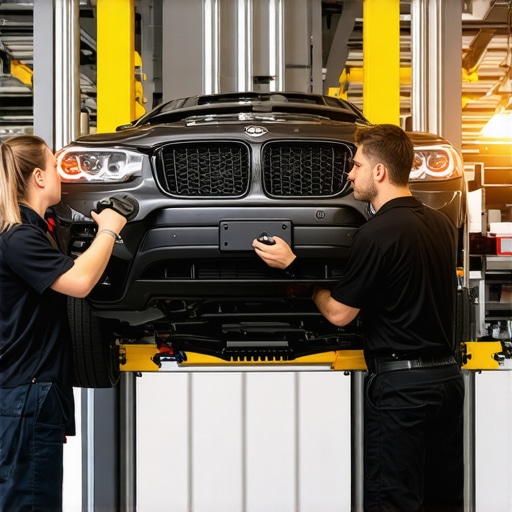
Image Prompt: Technician using laser calibration equipment on vehicle’s braking system, high-tech workshop environment, detailed focus.
Handling Modern Electrical Systems with Expert Precision
Modern vehicles feature intricate electrical architectures that require specialized diagnostic and repair skills. Troubleshooting issues like communication errors between modules or software malfunctions involves tools such as firmware flashers, circuit tracers, and system reprogrammers. For example, resolving a subtle ECU glitch might involve reloading firmware or replacing specific modules. Keeping up-to-date with manufacturer updates and industry standards ensures repairs are both reliable and compliant with safety regulations.
Leveraging Technological Innovation to Elevate Maintenance Standards
Emerging technologies like augmented reality, AI-driven analytics, and 3D printing are setting new benchmarks in auto repair. AR overlays detailed instructions onto real-world environments, reducing errors. AI algorithms analyze vast diagnostic data to suggest optimal repair sequences, enhancing efficiency. Meanwhile, 3D printing enables quick fabrication of specialized tools or parts, minimizing downtime. Engaging with these innovations allows professionals to deliver superior, future-proof services that extend vehicle lifespan and occupant safety. Discover more about these trends at SAE International.
Elevate Maintenance with Industry Wisdom
Only seasoned professionals can truly unlock the secrets to extending your vehicle’s lifespan. Skilled mechanics employ cutting-edge diagnostic tools and evidence-based techniques to detect issues early, preventing costly repairs and ensuring safety. Their expertise transforms routine service into strategic preservation, safeguarding your investment for years to come.
Precision Calibration Is a Game Changer
Fine-tuning systems like brakes, steering, and sensors with advanced laser tools isn’t just about performance—it’s about safety and durability. Proper calibration minimizes component wear and prevents unpredictable handling, especially during emergencies. Regular calibration sessions tailored to your driving habits can significantly enhance your vehicle’s reliability.
Leverage Data for Proactive Care
Modern vehicles generate a wealth of data—when interpreted correctly, it predicts failures before they happen. By analyzing real-time sensor inputs and historical trends, experts can plan maintenance that prevents breakdowns. This predictive approach transforms auto care from reactive to strategic, streamlining costs and maximizing safety.
Curated Resources for Deep Expertise
- SAE International: Leading industry research and standards on automotive diagnostics and repair techniques.
- Automotive Service Association (ASA): Trusted guidelines and best practices for professional auto maintenance.
- Manufacturers’ Technical Service Bulletins: Critical updates that inform calibration and repair protocols.
- National Institute for Automotive Service Excellence (ASE): Certification standards ensuring mechanic expertise.
Final Reflection from the Industry Experts
In the realm of auto maintenance, the fusion of expert knowledge and technological innovation is paramount. Mastering advanced diagnostics, precision calibration, and data-driven strategies positions professionals to deliver unmatched vehicle safety and longevity. For vehicle owners committed to safeguarding their investment, engaging with trusted specialists and leveraging authoritative resources is a step toward peace of mind. Share your insights or ask questions—your proactive engagement fuels the evolution of high-quality auto care.
http://James%20Carter
This article highlights the vital importance of expert maintenance and how incorporating advanced diagnostics can significantly延长车辆使用寿命. I’ve seen firsthand how timely component replacement, especially with high-quality OEM parts, reduces long-term costs and enhances safety. I particularly appreciate the focus on system calibration, which many car owners overlook but is crucial for optimal performance and fuel efficiency. In my own experience, regular laser alignment and sensor calibration have prevented unexpected handling issues, keeping my vehicle running smoothly. Given how complex modern electronic systems have become, do you think routine software updates should be emphasized even more in maintenance schedules? I’d love to hear how other drivers approach balancing routine checks and advanced diagnostics to stay ahead of potential problems.