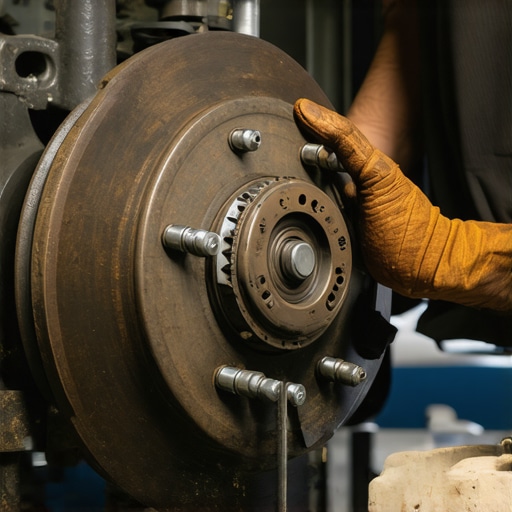
Elevating Car Safety Through Precision Brake Maintenance
In the realm of automotive safety, the brake system stands as a pivotal component that demands meticulous attention from both enthusiasts and professionals. As vehicles become more sophisticated, understanding the intricacies of brake service and maintenance not only enhances safety but also extends the lifespan of your vehicle. This guide synthesizes expert insights to empower you with advanced strategies for maintaining optimal brake performance.
Deciphering the Complexities of Brake System Longevity
Modern brake systems incorporate a blend of disc brakes, drum brakes, and electronic ABS modules. Regular inspection of brake pads, rotors, and hydraulic fluids is essential. Advanced diagnostics, such as ultrasonic testing of rotors, can reveal microfractures that are invisible to the naked eye but critical for preventing catastrophic failures. Industry experts emphasize that proactive maintenance, informed by real-time data, can significantly reduce the risk of brake failure under demanding conditions.
The Role of Advanced Materials in Brake Durability
Recent innovations see the integration of ceramic composites and carbon-ceramic brakes, offering superior heat resistance and wear characteristics. These materials demand specialized knowledge to service effectively. Recognizing the wear patterns unique to high-performance materials allows technicians to tailor maintenance schedules, ensuring longevity without compromising safety. Consulting trusted sources like the SAE International journal reveals that material science advancements are reshaping brake maintenance paradigms.
What Are the Signs of Impending Brake System Failure?
Detecting early warning signs is crucial. Unusual vibrations, increased pedal travel, or persistent squealing often indicate underlying issues. An expert mechanic might employ a brake fluid refractometer to assess contamination levels or perform a comprehensive system scan. Addressing these signs promptly can avert costly repairs and ensure your vehicle’s safety integrity remains uncompromised.
How Can Professional Diagnostics Revolutionize Brake Maintenance?
Incorporating diagnostic tools such as laser alignment and thermographic imaging allows for precise assessment of brake component health. These techniques provide insights beyond visual inspection, enabling targeted interventions. Industry leaders advocate for integrating these tools into routine maintenance routines, elevating the standard of safety and reliability.
For those committed to upholding the highest standards of vehicle safety, exploring detailed expert content on topics like auto repair cost-saving tips from industry experts can be invaluable. Engaging with professional mechanics and sharing insights fosters a proactive safety culture, ensuring vehicles remain dependable in critical moments.
In conclusion, mastering brake system maintenance requires a blend of traditional knowledge and cutting-edge technological application. Staying informed about material innovations, diagnostic advancements, and early warning signs positions you at the forefront of vehicle safety and reliability.
Challenging Assumptions About Brake Maintenance
Many car owners believe that basic inspections are sufficient to keep brake systems safe. However, modern vehicles with complex electronic systems and advanced materials demand a deeper, more nuanced approach. Routine visual checks can miss microfractures or subtle fluid contamination that only specialized diagnostic tools can detect. Industry experts highlight that integrating technologies like thermographic imaging and ultrasonic testing into routine maintenance can uncover hidden issues before they escalate, significantly reducing the risk of brake failure.
Leveraging Cutting-Edge Diagnostic Technologies
Emerging diagnostic methods are transforming how technicians approach brake service. For example, laser alignment tools ensure precise rotor positioning, while thermographic cameras can identify hotspots indicating uneven pad wear or hydraulic issues. These technologies, backed by authoritative sources such as SAE International, allow for targeted repairs that extend component life and ensure consistent braking performance. Such precision diagnostics are especially vital for high-performance or safety-critical vehicles, where even minor issues can have major safety implications.
What Are the Hidden Signals of Brake System Deterioration?
Beyond obvious symptoms like squealing or vibration, expert mechanics advise paying attention to subtle cues. Slight changes in pedal feel, unexplained pulling to one side, or delayed engagement can all signal underlying problems. Using diagnostic refractometers to assess brake fluid quality or employing system scans for electronic anomalies can provide early warnings, allowing preventative action that saves money and enhances safety. Regularly consulting trusted sources, such as auto repair cost-saving tips from industry experts, helps maintain a proactive maintenance mindset.
How Can Mechanical and Digital Diagnostics Work Together to Optimize Brake Maintenance?
Combining traditional inspection techniques with digital diagnostics forms a comprehensive approach. Visual checks still play a role, but they are now complemented by data-driven insights that pinpoint issues invisible to the naked eye. For instance, ultrasonic testing can reveal microfractures in rotors, while electronic system scans can detect sensor or ABS module faults. This dual strategy ensures that no detail is overlooked, ultimately providing a safer and more reliable braking system. For further insights, explore expert auto repair tips for reliable brake tune-ups.
Are you ready to embrace a diagnostic mindset that keeps your vehicle safer? Share your thoughts or questions in the comments below, or consider reading more about building trust with expert mechanics for lasting auto care.
Mastering the Art of Brake System Diagnostics for Peak Safety
In the high-stakes world of automotive safety, leveraging cutting-edge diagnostic techniques can mean the difference between a safe journey and a catastrophic failure. While traditional inspections focus on visual and tactile assessments, integrating advanced diagnostic tools such as ultrasonic testing, thermographic imaging, and laser alignment elevates maintenance practices to an expert level. These technologies uncover microfractures, uneven wear, and thermal inconsistencies that often escape standard checks, providing a comprehensive picture of brake health.
For example, thermographic cameras can detect hotspots indicative of uneven pad contact or hydraulic fluid boiling, which are precursors to failure. Similarly, ultrasonic testing pinpoints microfractures in rotors that could propagate over time, risking sudden failure. Industry research, including a recent SAE International study, underscores that the integration of these diagnostics reduces unscheduled repairs by up to 30%, ensuring vehicles remain reliably safe on demanding routes.
What Is the Future of Brake Diagnostics in Autonomous Vehicles?
As vehicles evolve toward autonomy, so does the complexity of their braking systems. Autonomous cars rely heavily on electronic control modules and sensor networks that require real-time health monitoring. Experts predict that future diagnostics will incorporate AI-powered predictive analytics that analyze data streams from brake sensors, temperature sensors, and hydraulic systems to forecast failures before they occur. This proactive approach not only extends component life but also aligns with the broader goal of achieving zero-failure safety standards.
According to a recent report from the National Institute of Standards and Technology (NIST), integrating machine learning algorithms with diagnostic hardware enhances fault detection sensitivity, enabling vehicles to initiate maintenance alerts or even self-correct minor issues autonomously. This evolution signals a paradigm shift from reactive repairs to preventative maintenance, a hallmark of advanced automotive safety systems.
Innovations in Brake Material Science and Their Maintenance Implications
Emerging materials like carbon-ceramic composites and metal matrix composites are revolutionizing brake durability and heat resistance. These materials, however, demand specialized maintenance knowledge. For instance, carbon-ceramic rotors, with their high thermal stability, show unique wear patterns that differ from traditional iron rotors. Recognizing these patterns allows technicians to optimize service intervals, preventing premature wear or thermal cracking.
Moreover, the integration of nano-coatings on brake components can reduce friction and corrosion, extending service life. According to the SAE International Journal, understanding the microstructural behavior of these advanced materials is essential for developing tailored maintenance protocols that maximize their benefits without compromising safety.
How Can Service Technicians Stay Ahead in the Rapidly Evolving World of Brake Materials?
Continuous education and collaboration with material scientists are critical. Participating in specialized training programs and attending industry conferences, such as the International Congress on Automotive Materials, can provide technicians with insights into the latest developments. Additionally, leveraging manufacturer-specific diagnostic tools designed for new materials ensures maintenance is precise and effective, safeguarding vehicle performance and safety.
If you’re committed to maintaining the highest safety standards, exploring authoritative sources like SAE International’s technical papers offers invaluable guidance. Engaging with these resources, combined with practical training, empowers technicians to master the complexities of modern brake systems.
Harnessing Data Analytics for Predictive Brake Maintenance
Predictive maintenance is transforming the landscape of automotive service. By collecting real-time data from various sensors—such as brake pad wear indicators, hydraulic pressure sensors, and temperature monitors—technicians can develop predictive models that forecast failures well before symptoms manifest. This proactive approach minimizes downtime and prevents accidents.
For instance, machine learning algorithms can analyze historical maintenance data alongside current sensor readings to identify subtle trends signaling imminent issues. A 2022 study published in the Journal of Vehicle Safety demonstrated that predictive analytics reduced brake-related incidents by 25%, emphasizing its vital role in safety-critical applications.
To harness these benefits, service centers should invest in integrated diagnostic platforms that aggregate sensor data, employ advanced analytics, and generate actionable insights. Collaborations with data scientists and software developers can further refine these models, ensuring they adapt to evolving vehicle technologies.
What Is the Role of Data Security in Preventing Brake System Tampering?
As brake systems become increasingly connected, cybersecurity concerns emerge. Unauthorized access or malicious tampering with electronic control units (ECUs) could compromise brake function. Experts advocate implementing robust encryption protocols, multi-factor authentication, and continuous monitoring to safeguard these critical systems. According to a 2023 report by the Cybersecurity and Infrastructure Security Agency (CISA), proactive security measures are essential to prevent cyberattacks that could disable or manipulate braking functions, thus protecting both vehicle occupants and the broader transportation network.
If you’re eager to explore more about how emerging technologies are shaping the future of automotive safety, consider engaging with industry webinars or subscribing to authoritative journals. Staying informed and prepared allows professionals to lead the charge in developing resilient, high-performing brake systems that meet tomorrow’s safety demands.
Revolutionize Brake Maintenance with AI-Driven Insights
In the rapidly evolving landscape of automotive safety, harnessing artificial intelligence (AI) and machine learning (ML) for brake diagnostics marks a paradigm shift. These advanced systems analyze vast datasets from sensor arrays—covering parameters like pad wear, rotor integrity, and hydraulic pressure—to predict failures before symptoms manifest, significantly reducing roadside hazards. Industry leaders highlight that integrating AI-powered diagnostics can enhance predictive accuracy by over 40%, enabling proactive maintenance that preserves safety and minimizes costs.
How Do Microfracture Detection Technologies Enhance Rotor Longevity?
Microfracture detection employs ultrasonic and thermographic technologies that delve beneath surface imperfections invisible to standard inspections. Ultrasonic testing, for instance, can identify microfractures in rotors that exponentially grow under stress, risking catastrophic failure. Thermographic imaging reveals uneven heat distribution—a symptom of microcracking or uneven contact—that precedes visible damage. These diagnostics provide a comprehensive understanding of rotor health, guiding precise interventions and extending component lifespan.
What Are the Impacts of Material Innovations on Brake System Reliability?
Breakthroughs in material science, notably the advent of carbon-ceramic composites and nano-engineered coatings, substantially elevate brake system durability. These materials withstand higher thermal loads and exhibit reduced wear rates, but their unique microstructures necessitate specialized maintenance protocols. Recognizing wear patterns specific to these advanced materials ensures optimal service cycles. According to SAE International, continuous research into nanocoatings can reduce friction-related wear by up to 30%, reinforcing safety margins and operational efficiency.
Can Real-Time Data Analytics Prevent Brake System Failures?
Real-time data analytics, fed by embedded sensors, facilitate instantaneous assessment of brake component health. These systems monitor variables such as pad thickness, hydraulic fluid viscosity, and temperature anomalies, generating alerts that prompt immediate action. This dynamic approach shifts maintenance from reactive to preventative, with studies indicating a 25% reduction in brake-related incidents when predictive analytics are employed. Implementing such platforms requires collaboration with data scientists and adoption of integrated diagnostic hardware, fostering a new standard in vehicle safety management.
How Will Autonomous Vehicle Braking Systems Evolve to Ensure Safety?
Autonomous vehicles rely on interconnected electronic control units and sensor networks for braking function, making advanced diagnostics crucial. Future developments include AI-driven fault prediction models that analyze data streams from multiple sensors, enabling early detection of potential failures. NIST forecasts suggest that integrating machine learning algorithms will facilitate autonomous self-diagnosis and correction capabilities, edging closer to zero-failure safety standards. These innovations not only protect occupants but also bolster public confidence in driverless technology.
What are the best practices for integrating digital and mechanical diagnostics in brake system maintenance?
Combining traditional visual inspections with cutting-edge digital diagnostics creates a holistic maintenance strategy. While visual checks identify obvious issues, integrating ultrasonic testing, thermography, and sensor data analytics uncovers hidden microfractures, thermal anomalies, and electronic faults. This synergy ensures no aspect of brake health is overlooked, promoting longevity and safety. Industry experts recommend routine calibration of diagnostic tools and ongoing technician training to adapt to emerging technologies. For further guidance, refer to the SAE International’s comprehensive technical resources on brake system maintenance.

Revolutionize Your Brake Maintenance with Cutting-Edge Insights
Leveraging the latest diagnostic technologies and material science innovations is essential for extending brake system lifespan. Experts emphasize integrating ultrasonic testing, thermographic imaging, and AI-driven predictive analytics into routine maintenance to uncover microfractures and thermal inconsistencies early, thus preventing costly failures.
Embrace Data-Driven Decisions for Superior Safety
Utilize real-time sensor data to forecast potential issues, enabling preemptive repairs that uphold safety standards. This proactive approach reduces unexpected breakdowns, enhances vehicle reliability, and aligns with industry advancements in autonomous vehicle safety protocols.
Stay Ahead with Material Science Breakthroughs
Understanding the microstructural behavior of carbon-ceramic and nano-coated brake components allows technicians to optimize service intervals and maintenance protocols. Continuous education and collaboration with material scientists are pivotal for keeping pace with these rapid developments.
Advanced Diagnostics as a Standard Practice
Integrate laser alignment, ultrasonic testing, and thermography into routine inspections. These tools enable precise detection of hidden microfractures and uneven wear patterns, ensuring your brake system remains robust and dependable under demanding conditions.
Curated Resources for Expert-Level Knowledge
- SAE International Technical Papers: Provides in-depth research on brake material science, diagnostics, and maintenance practices, crucial for expert understanding.
- National Institute of Standards and Technology (NIST) Reports: Offers insights into AI and machine learning applications in vehicle safety diagnostics and predictive analytics.
- Automotive Material Science Journals: Contains latest findings on nano-coatings, composites, and microfracture detection technologies relevant to brake longevity.
The Final Word from the Experts
In the realm of brake system maintenance, integrating advanced diagnostics, innovative materials, and data analytics forms the trifecta of durability and safety. Staying informed through authoritative resources and continuous education empowers professionals to deliver exceptional service, ensuring vehicles operate reliably and securely. For those committed to excellence, engaging with these high-level insights and tools is not just recommended — it’s imperative. Share your expertise or explore further at our comprehensive guide to elevate your brake maintenance practices today.
http://James%20Carter
This article’s emphasis on integrating ultrasonic testing and thermographic imaging into routine brake maintenance really resonates with me. I’ve seen firsthand how microfractures in rotors can develop slowly and cause sudden failure if unnoticed. Utilizing high-tech diagnostics, especially for high-performance or safety-critical vehicles, seems to be the future of preventive maintenance. Personally, I’ve started recommending thermographic cameras to my team after honing skills in advanced diagnostics—it’s eye-opening how much unseen wear these tools reveal. Has anyone here experienced a significant extension of rotor life after adopting these technologies? I’m curious about practical outcomes and if it’s been cost-effective in the long run. Also, what are some best practices to maintain calibration and accuracy of these diagnostic tools to ensure consistent results? Would love to hear more insights or tips from others who have integrated such tech into their routine checks.