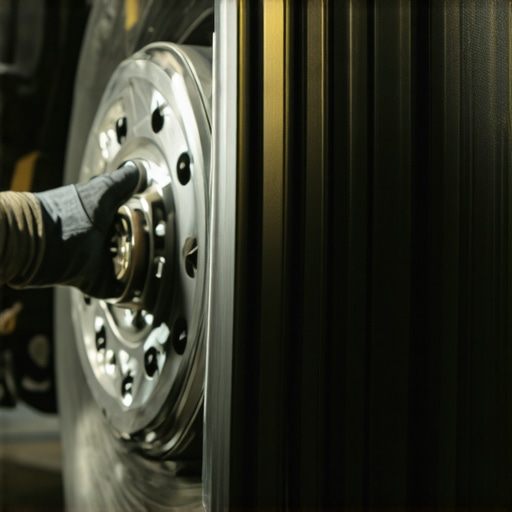
Elevating Brake System Longevity Amid Evolving Automotive Demands
In the rapidly advancing landscape of automotive technology, maintaining optimal brake system performance has become a nuanced endeavor that combines traditional practices with cutting-edge diagnostics. For professionals and enthusiasts alike, understanding the intricacies of proactive brake maintenance is essential for ensuring safety, reliability, and cost-efficiency in 2024. This guide delves into expert-recommended strategies that transcend basic service routines, emphasizing the importance of tailored interventions aligned with modern vehicle complexities.
The Imperative for Precision in Brake Inspection Protocols
Advanced brake systems, including regenerative and electronic brake assist technologies, demand meticulous inspection procedures. Regular assessment of brake pad thickness, rotor condition, and hydraulic integrity must now incorporate digital tools such as laser measurement and ultrasonic testing. These methods enable technicians to detect micro-cracks and uneven wear patterns that traditional visual inspections might overlook, ultimately extending service intervals and preventing catastrophic failures.
Strategic Application of Lubrication and Component Compatibility
Optimal brake performance hinges on correct lubrication of moving parts like caliper slides and anti-rattle clips. Experts stress the importance of selecting high-temperature, compatible lubricants that resist corrosion and thermal breakdown. Moreover, integrating OEM-approved replacement parts ensures that new components adhere to the vehicle’s design specifications, reducing the risk of uneven wear and rework.
Leveraging Data-Driven Diagnostics for Predictive Maintenance
Utilizing telematics and onboard diagnostic systems can provide real-time insights into brake system health. For instance, sensors detecting abnormal pedal travel or increased stopping distances should trigger preemptive servicing. By analyzing this data, professionals can shift from reactive repairs to predictive maintenance, minimizing downtime and enhancing customer trust.
What Are the Most Overlooked Indicators of Brake System Degradation That Require Immediate Attention?
Often, subtle signs such as faint squealing, vibration during braking, or a spongy pedal feel may be dismissed by drivers. However, these symptoms frequently indicate underlying issues like warped rotors, contaminated brake fluid, or worn-out calipers. Recognizing and addressing these early signs can prevent costly repairs and ensure compliance with safety standards.
To stay ahead in brake system care, technicians and vehicle owners should explore comprehensive resources such as auto-repair insights and participate in industry forums for sharing best practices. Engaging with trusted sources enhances expertise and fosters a culture of maintenance excellence.
For a deeper understanding of how to enhance brake longevity, consider reviewing advanced brake maintenance hacks that align with latest vehicle trends. Remember, proactive and informed maintenance not only safeguards your vehicle but also fortifies road safety for everyone.
Harnessing Technology for Smarter Brake Monitoring
In today’s automotive landscape, integrating digital tools into brake system diagnostics is no longer optional—it’s essential. Advanced diagnostic platforms incorporate features like ultrasonic testing and laser measurement to detect micro-cracks and uneven wear, which traditional inspections might miss. These innovations enable technicians to perform more accurate assessments, plan timely interventions, and extend brake component lifespans. As vehicle complexity grows, staying updated with emerging diagnostic technologies by consulting trusted industry sources, such as auto-repair insights, becomes vital for maintaining expertise and ensuring safety.
Choosing the Right Lubricants for Critical Components
Effective brake performance depends heavily on selecting compatible, high-temperature lubricants for caliper slides, anti-rattle clips, and other moving parts. Experts emphasize that using OEM-approved lubricants that resist thermal breakdown and corrosion can prevent issues like sticking calipers and uneven pad wear. Proper lubrication not only enhances braking efficiency but also reduces unnecessary maintenance costs. For practical guidance on applying lubricants correctly, refer to advanced brake maintenance hacks.
Adopting Predictive Maintenance with Telematics
Modern vehicles equipped with telematics systems generate real-time data on brake system health, alerting drivers and technicians to potential problems before failure occurs. Metrics such as pedal travel anomalies or increased stopping distances serve as early indicators of underlying issues like contaminated fluid or rotor warping. Leveraging this data allows for predictive maintenance, reducing roadside failures and enhancing vehicle reliability. Experts suggest consulting trusted sources like auto-repair strategies to implement these technologies effectively.
Can We Rely on Digital Diagnostics to Replace Traditional Brake Inspections?
While digital diagnostics offer unprecedented precision and early warning capabilities, they should complement—not replace—manual inspections. Visual checks remain critical for assessing rotor surface condition, pad wear, and fluid quality. Combining both approaches ensures a comprehensive understanding of brake health, leading to more accurate maintenance schedules and safer vehicles. Industry experts advocate for a balanced diagnostic protocol, as highlighted in auto-repair insights.
Share your thoughts or experiences with digital brake diagnostics in the comments below, and explore more expert tips at Auto Care Hub to keep your vehicle running at peak safety and reliability.
Mastering Brake System Diagnostics for Next-Level Vehicle Safety
In the realm of automotive maintenance, the evolution of brake technology necessitates an equally advanced diagnostic approach. Beyond traditional visual inspections, leveraging high-precision tools like laser measurement devices and ultrasonic flaw detectors enables technicians to uncover micro-defects and uneven wear patterns that often precede major failures. These innovations, supported by authoritative industry standards such as those from the Society of Automotive Engineers (SAE J4429), facilitate early intervention, significantly reducing repair costs and enhancing safety.
What are the cutting-edge diagnostics transforming brake maintenance?
Emerging diagnostic methods include infrared thermography to detect abnormal heat patterns indicative of pad or rotor issues, and acoustic emission testing that captures stress waves signaling micro-cracks. These methods, combined with data analytics platforms, allow for predictive maintenance models that forecast component lifespan with remarkable accuracy. As automotive systems become more integrated with IoT technologies, real-time remote monitoring of brake health is now feasible, allowing for timely alerts and interventions.
For industry professionals seeking authoritative insights, consult resources like SAE International’s publications on nondestructive testing and diagnostic standards, which set the benchmark for precision and reliability in automotive diagnostics.
Choosing the Optimal Lubricants for Complex Brake Assemblies
In-depth understanding of lubricant chemistry is critical for ensuring component longevity. High-temperature synthetic lubricants formulated with advanced polymer additives provide superior thermal stability and resistance to oxidation, which are essential for caliper slides and anti-rattle clips operating under extreme conditions. OEM-specific lubricant formulations are recommended, as they are rigorously tested to match vehicle-specific tolerances and performance requirements. Failure to use the correct lubricants can lead to issues such as caliper sticking, uneven pad wear, and increased noise, ultimately compromising braking efficiency.
Experts suggest consulting comprehensive guides like those published by the International Lubricants Standardization and Approval Committee (ILSAC) to select the best lubricants tailored to specific vehicle models and operational environments.
The Nuanced Role of Telematics in Predictive Brake Maintenance
Telematics systems now incorporate sophisticated algorithms that analyze data such as brake pedal pressure, vehicle speed, and deceleration rates. These metrics, when interpreted through machine learning models, enable the early detection of anomalies like contaminated brake fluid or rotor warping. The integration of such data into maintenance schedules shifts the paradigm from reactive to predictive, optimizing service intervals and reducing unexpected breakdowns.
Industry leaders recommend exploring platforms like Bosch’s IoT-based vehicle health management systems, which have demonstrated efficacy in fleet-wide brake system monitoring. Continuous data collection and analysis not only extend component lifespan but also build driver confidence and operational efficiency.
Can AI-driven diagnostics replace traditional brake inspections entirely?
While AI and digital diagnostics have revolutionized early defect detection, they are designed to complement rather than replace manual inspections. Visual and tactile assessments remain indispensable for evaluating rotor surface integrity, pad material condition, and fluid quality. The most effective maintenance protocols integrate automated data analysis with seasoned technician judgment, ensuring comprehensive safety assessments. According to SAE J3000 standards, combining these approaches results in more accurate diagnostics and safer vehicles.
Engage with industry forums and subscribe to technical journals such as SAE Technical Papers to stay abreast of evolving diagnostic technologies and best practices. Your proactive engagement ensures your expertise remains ahead of emerging challenges in brake system maintenance.
Leveraging Ultrasonic Testing to Detect Hidden Rotor Flaws
Ultrasonic flaw detection has become indispensable in modern brake system diagnostics, enabling technicians to identify micro-cracks and internal defects within rotors that escape visual inspection. This non-destructive testing method employs high-frequency sound waves to reveal subsurface anomalies, significantly reducing the risk of catastrophic failure and extending component lifespan. By integrating ultrasonic analysis into routine inspections, automotive professionals can proactively address issues before they manifest as safety hazards.
The Role of Infrared Thermography in Predictive Brake Maintenance
Infrared thermography offers a sophisticated means of monitoring brake component temperature patterns during operation. Abnormal heat signatures often indicate uneven pad wear, caliper sticking, or rotor warping—conditions that compromise braking efficiency. High-resolution thermal cameras allow for real-time assessment, facilitating early intervention and precise maintenance scheduling. This technology exemplifies how thermal imaging enhances diagnostic accuracy in high-stakes automotive repair environments.
Can AI Algorithms Outperform Human Judgment in Brake System Evaluation?
Artificial intelligence-driven diagnostic platforms analyze vast datasets from onboard sensors, identifying subtle patterns that may elude even seasoned technicians. Machine learning models can predict component degradation trajectories, enabling predictive maintenance that minimizes downtime and repair costs. While AI enhances diagnostic precision, it functions best when complemented by expert manual inspections, ensuring a holistic approach to brake health assessment. Industry standards from SAE International underscore the importance of integrating AI with traditional methods for optimal safety outcomes.
Interested in staying at the forefront of automotive diagnostics? Engage with professional forums or subscribe to SAE publications that detail the latest advancements in nondestructive testing and AI integration—your gateway to mastering next-generation brake maintenance strategies.
Innovative Lubricants Transform Caliper and Slide Performance
Advanced synthetic lubricants formulated with high-temperature resistant polymers significantly improve the longevity and reliability of caliper slides and anti-rattle clips. These lubricants resist thermal breakdown and corrosion, reducing caliper sticking and uneven pad wear. OEM-specific formulations ensure compatibility with diverse vehicle models, facilitating seamless application and optimal performance. Consulting authoritative sources such as the International Lubricants Standardization and Approval Committee (ILSAC) ensures adherence to the highest quality standards in lubricant selection.
Integrating IoT for Continuous Brake System Monitoring
Internet of Things (IoT) technology enables real-time monitoring of brake parameters through connected sensors and telematics systems. This integration allows fleet managers and technicians to receive instant alerts on issues like contaminated brake fluid or rotor deformation, facilitating maintenance before failure occurs. Predictive analytics derived from IoT data optimize service schedules, improve safety, and reduce operational costs. Leading platforms like Bosch’s vehicle health management systems exemplify how IoT is revolutionizing automotive diagnostics.
Are Digital Diagnostics a Complete Replacement for Traditional Brake Inspections?
While digital diagnostic tools provide unparalleled insights into micro-level defects and wear patterns, they should augment—rather than replace—manual inspections. Visual checks remain essential for assessing rotor surface condition, pad material integrity, and fluid quality. Combining high-tech analysis with experienced technician judgment ensures comprehensive safety assessments, aligning with industry standards such as SAE J3000. This balanced approach maximizes diagnostic accuracy and operational safety.
Join industry discussions or access technical journals like SAE Technical Papers to deepen your understanding of emerging diagnostic technologies—your commitment to continuous learning keeps your skills sharp and your vehicles safer.
Emerging Standards in Brake System Evaluation
The evolution of brake diagnostics is guided by standards such as SAE J4429 and J3000, which specify nondestructive testing protocols and performance benchmarks. Adhering to these standards ensures diagnostic consistency, reliability, and safety compliance across the automotive industry. As new materials and systems develop, ongoing updates to these standards are critical. Staying informed through authoritative sources like SAE International provides a competitive edge and reinforces your reputation as an expert in brake system maintenance.
Expert Insights & Advanced Considerations
Innovative Diagnostic Techniques Are Transforming Maintenance
Utilizing ultrasonic flaw detection and infrared thermography enables technicians to identify micro-cracks and abnormal heat patterns early, significantly reducing safety risks and extending component lifespan. These techniques, supported by industry standards, represent a leap forward in preventive maintenance strategies.
Precision Lubrication Keeps Brake Systems Running Smoothly
Choosing OEM-approved, high-temperature lubricants tailored for specific components like caliper slides and anti-rattle clips ensures optimal performance. Proper lubrication reduces sticking and uneven wear, leading to longer service intervals and enhanced safety.
Telematics and IoT Drive Predictive Maintenance
Real-time data from telematics systems allows fleet managers to monitor brake health proactively. Anomalies such as increased pedal travel or unexpected temperature rises can trigger preemptive interventions, minimizing downtime and costly repairs.
Integration of AI and Human Expertise Delivers Best Results
Artificial intelligence algorithms analyze sensor data for early fault detection, but they should complement traditional manual inspections. Combining both approaches provides a comprehensive understanding of brake system health, ensuring maximum safety and reliability.
Advanced Materials and Technologies Are Setting New Standards
Emerging materials like carbon-ceramic rotors and synthetic lubricants with enhanced thermal stability are reshaping maintenance paradigms. Staying informed through authoritative sources ensures adoption of best practices aligned with technological progress.
Curated Expert Resources
- SAE International Publications: Industry-leading standards for nondestructive testing and diagnostics, essential for maintaining cutting-edge expertise.
- International Lubricants Standardization and Approval Committee (ILSAC): Provides rigorous guidelines on lubricant chemistry, ensuring optimal compatibility and performance.
- Industry Forums and Technical Journals: Platforms like SAE Technical Papers offer insights into emerging diagnostic tools and AI integration, fostering continuous professional development.
Final Expert Perspective
In the realm of brake maintenance, embracing advanced diagnostic methods and predictive analytics is no longer optional—it’s a necessity for staying ahead in automotive care. The integration of cutting-edge materials, IoT, and AI not only enhances safety but also drives efficiency and trust. As a professional, engaging with authoritative resources and continually refining your expertise ensures your skills remain at the forefront of this evolving field. Explore these resources, contribute your insights, and lead the way in modern brake system management—your commitment to excellence safeguards countless journeys ahead.