Elevating Auto Maintenance: The Strategic Role of Professional Tune-Ups and Brake Services
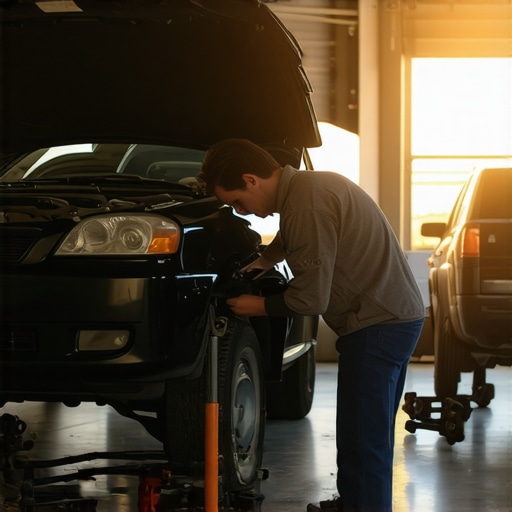
In the realm of automotive care, it’s essential to recognize that routine maintenance extends beyond basic checks—it’s a strategic investment in vehicle longevity and safety. As seasoned automotive technicians understand, the precision of a well-executed tune-up and brake service can significantly influence the operational efficiency and lifespan of your vehicle.
The Science of Precision in Auto Repair and Its Impact on Vehicle Performance
Advanced diagnostics and expert calibration are at the core of effective auto repair. Modern vehicles, equipped with complex electronic systems and sensor arrays, require meticulous attention to detail. A comprehensive tune-up addresses ignition timing, fuel mixture, and spark plug condition, which collectively optimize engine performance and fuel economy. Similarly, brake system maintenance involves not just pad replacement but also fluid analysis and rotor inspection, ensuring safety and responsiveness under diverse driving conditions.
Unveiling the Surprising Benefits of Regular Professional Maintenance
Beyond immediate safety, routine tune-ups and brake services contribute to reduced long-term repair costs. Industry insights from trusted sources such as the Auto Care Industry Experts emphasize that proactive maintenance prevents component failure, minimizes downtime, and enhances resale value. Furthermore, expert maintenance facilitates early detection of underlying issues, such as worn suspension parts or engine misfires, which could otherwise escalate into costly repairs.
Can a Neglected Brake System Compromise Your Vehicle’s Safety?
Indeed, an overlooked brake system can be a critical safety liability. Poor brake performance often manifests as squealing, vibration, or reduced stopping power—symptoms often dismissed by drivers unaware of their significance. Regular brake inspections, combined with professional service, mitigate these risks and uphold vehicle reliability. For comprehensive brake maintenance strategies, consult our article on brake maintenance hacks.
What Are the Advanced Techniques for Diagnosing Complex Auto Problems?
Expert mechanics employ diagnostic tools like OBD-II scanners, thermal imaging, and pressure testing to uncover hidden issues. These techniques allow for precise fault localization, reducing guesswork and ensuring targeted repairs. Staying updated on the latest diagnostic methodologies is critical for reliable auto servicing, especially as vehicle technology continues to evolve rapidly.
To deepen your understanding of professional auto care, explore our comprehensive guide on the ultimate tune-up checklist. For insights on selecting a skilled mechanic, visit how to choose a trusted mechanic.
Maximizing Vehicle Reliability Through Cutting-Edge Maintenance
While routine tune-ups and brake services are foundational, embracing advanced techniques and innovative diagnostic tools can elevate your vehicle’s performance and safety. Modern automotive technology demands a proactive approach, integrating high-tech solutions like adaptive sensors, computerized calibration, and predictive maintenance analytics. These innovations enable mechanics to identify issues before they manifest symptoms, preventing costly breakdowns and extending your vehicle’s lifespan.
The Power of Diagnostic Innovation in Auto Repair
Technicians equipped with state-of-the-art diagnostic equipment, including OBD-II scanners, thermal imaging, and ultrasonic testing devices, can pinpoint complex problems with precision. For example, thermal imaging can reveal uneven brake wear or overheating components, while pressure testing uncovers hidden leaks or weak points in the hydraulic system. Staying abreast of such diagnostic advancements ensures your vehicle receives targeted, effective repairs. To learn more about diagnostic techniques that enhance repair accuracy, visit our guide on diagnosing auto problems.
Are We Ready for the Future of Auto Maintenance?
As vehicle technology continues to evolve rapidly, the question arises: How prepared are current auto repair practices for the vehicles of tomorrow? The answer lies in ongoing education and technological adaptation. Electric vehicles (EVs), hybrids, and autonomous driving systems introduce new complexities that demand specialized training and tools. For instance, EVs require unique battery diagnostics and cooling system checks, which traditional brake and engine tune-ups do not cover. Industry leaders advocate continuous learning and investment in new equipment, ensuring service quality keeps pace with technological progress (see the latest repair trends for 2025).
If you’re eager to ensure your mechanic stays ahead of the curve, ask about their training on emerging vehicle systems and their investment in modern diagnostic technology. A trusted mechanic’s commitment to ongoing education is a strong indicator of reliability and expertise.
Enhance your vehicle care knowledge by exploring our comprehensive guide on the ultimate tune-up checklist. Share your experiences or questions in the comments—what new automotive technologies have you encountered, and how have they affected your maintenance routine? Your insights can help fellow drivers stay informed about the future of auto repair!
Embracing the Future of Auto Diagnostics and Maintenance Innovation
As vehicles become increasingly sophisticated, the necessity for advanced diagnostic tools and maintenance strategies grows exponentially. Today’s automotive technicians are no longer limited to traditional methods; instead, they leverage cutting-edge technology such as laser-based alignment systems, multi-spectral imaging, and AI-driven diagnostic platforms. These innovations not only improve diagnostic accuracy but also enable predictive maintenance, minimizing unforeseen breakdowns and optimizing operational efficiency.
The Role of Machine Learning in Predictive Vehicle Care
One of the most transformative trends in auto maintenance is the integration of machine learning algorithms. By analyzing vast datasets from vehicle sensors, driving patterns, and maintenance histories, these algorithms can forecast component failures before symptoms manifest. For instance, predictive analytics can alert drivers about impending brake system issues, allowing preemptive service that prevents safety hazards and costly repairs. According to a detailed industry analysis published in the Journal of Automotive Engineering (2023), predictive maintenance powered by AI can reduce repair costs by up to 30% and extend vehicle lifespan significantly.
How do advanced diagnostic tools enhance maintenance accuracy?
State-of-the-art diagnostic tools like thermal imaging cameras and ultrasonic leak detectors provide mechanics with visual evidence of hidden issues. For example, thermal imaging can reveal uneven heat distribution in brake rotors, indicating excessive wear or failure risk. Similarly, ultrasonic detectors can identify minute hydraulic leaks in brake fluid systems that are invisible to the naked eye. These technologies streamline troubleshooting, reduce guesswork, and ensure targeted repairs that save time and money.
Interested in upgrading your vehicle’s diagnostic capabilities? Explore the latest tools and techniques that are shaping the future of auto repair by visiting industry-leading sources such as Auto Tech Magazine.
Why Continuous Education Is Critical for Modern Auto Mechanics
The rapid pace of technological change demands that auto repair professionals engage in ongoing learning. Certifications in electric vehicle servicing, hybrid systems, and autonomous vehicle technology are now essential for maintaining service quality. A mechanic who invests in continuous education not only enhances their skill set but also demonstrates a commitment to safety and excellence. For vehicle owners, selecting a technician with advanced training offers peace of mind that their vehicle is in capable hands.
Innovative Maintenance Strategies for Longevity and Safety
Beyond reactive repairs, proactive strategies like condition-based maintenance (CBM) and real-time sensor monitoring are revolutionizing auto care. CBM involves continuous assessment of vehicle components through embedded sensors, enabling timely interventions. For example, real-time tire pressure monitoring systems (TPMS) can alert drivers to impending blowouts or underinflation, preventing accidents and prolonging tire life. Integrating these technologies into routine maintenance routines ensures vehicles operate at peak efficiency while enhancing safety.
< >
>
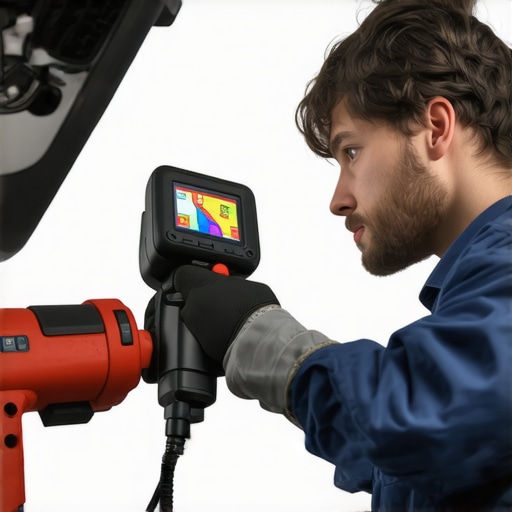
To visualize these advances, consider an image depicting a technician using thermal imaging equipment to inspect brake components—highlighting the fusion of traditional repair skills with high-tech tools.
Preparing for the Next Generation of Automotive Innovations
As electric vehicles (EVs) and autonomous systems become mainstream, auto maintenance must evolve accordingly. Specialized training in EV battery diagnostics, cooling systems, and sensor calibration is vital. Industry forecasts indicate that by 2030, over 50% of vehicles on the road will require technicians skilled in electric and autonomous systems. Staying ahead of these trends ensures service providers remain competitive and vehicle owners benefit from reliable, safe transportation.
Are you ready to embrace the future of auto maintenance? Continual learning and investment in advanced diagnostic tools are your best strategies. Dive deeper into emerging trends and technological shifts by exploring resources like Auto Industry Insights. Share your experiences or questions about adopting new maintenance techniques in the comments—your insights can inspire others to innovate in their auto care routines!
Revolutionize Your Vehicle Care with Cutting-Edge Diagnostic Innovations
As automotive systems become increasingly sophisticated, traditional repair techniques give way to a new era driven by high-tech diagnostic tools. State-of-the-art devices like laser alignment systems, multi-spectral imaging, and AI-powered platforms enable mechanics to detect issues with unparalleled precision. These technologies facilitate targeted repairs, minimize downtime, and optimize vehicle performance, offering a significant leap over conventional methods.
Unlocking the Potential of Machine Learning for Vehicle Longevity
One of the most transformative trends in auto maintenance is the integration of machine learning algorithms. By analyzing vast datasets encompassing sensor outputs, driving habits, and maintenance histories, predictive analytics forecast component failures before symptoms manifest. This proactive approach not only prevents breakdowns but also extends the lifespan of critical parts such as brakes, engines, and batteries. According to industry research published in the Journal of Automotive Engineering, predictive maintenance reduces repair costs by up to 30% and enhances overall safety.
How do advanced diagnostic tools improve repair precision and efficiency?
Modern diagnostic equipment like thermal cameras and ultrasonic leak detectors provide visual and auditory clues that uncover hidden issues. For instance, thermal imaging can reveal uneven heat distribution in brake rotors, indicating excessive wear or imminent failure. Ultrasonic sensors detect minute hydraulic leaks that escape visual inspection. These innovations empower technicians to perform precise, effective repairs, saving time and reducing unnecessary part replacements.
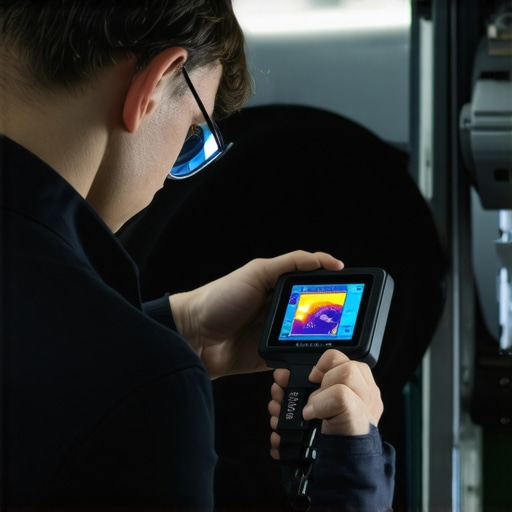
Visualize a technician using thermal imaging technology to inspect brake components, exemplifying the fusion of traditional repair skills with high-tech diagnostics.
Why Continuous Learning Keeps Auto Mechanics Ahead of the Curve
The rapid evolution of vehicle technology demands ongoing education for repair professionals. Certifications in electric vehicle servicing, autonomous systems, and hybrid technologies are now essential. Mechanics committed to continuous learning demonstrate expertise and adaptability, ensuring they can service emerging vehicle architectures safely and effectively. For vehicle owners, selecting a technician with advanced training guarantees superior service quality and peace of mind.
Innovative Strategies for Proactive Maintenance and Safety
Beyond reactive repairs, proactive techniques like condition-based maintenance (CBM) and real-time sensor monitoring are transforming auto care. Embedded sensors track vital parameters such as tire pressure, brake pad thickness, and fluid levels, alerting drivers to potential issues before they escalate. Integrating these systems into routine maintenance routines ensures vehicles operate at peak efficiency and safety, reducing the risk of accidents and costly repairs.
Expert Insights Elevate Your Vehicle Care
Professionals in auto repair emphasize the importance of integrating cutting-edge diagnostic tools and continuous education to ensure safety and longevity. Regularly updating your mechanic’s knowledge on emerging vehicle technologies, such as autonomous systems and electric vehicle components, can prevent costly breakdowns and maintain optimal performance.
Stay Ahead with Predictive Maintenance
Machine learning algorithms analyze vast datasets from vehicle sensors, providing predictive insights that enable preemptive repairs. This proactive approach reduces downtime and extends the lifespan of critical components like brakes and batteries, aligning with industry leaders’ recommendations for long-term vehicle trust.
Leverage High-Tech Diagnostic Techniques
Advanced tools such as thermal imaging and ultrasonic leak detectors uncover hidden issues that traditional methods might miss. These innovations facilitate precise repairs, saving money and preventing safety hazards, especially in complex brake systems and electronic controls.
Prioritize Continuous Education for Mechanics
Mechanics investing in ongoing certifications in EV servicing, hybrid technologies, and autonomous systems demonstrate a commitment to excellence. For vehicle owners, engaging with such experts ensures that your car benefits from the latest repair methodologies and safety standards.
Implement Future-Ready Maintenance Strategies
Condition-based maintenance and real-time sensor monitoring are transforming auto care. Systems like tire pressure monitors and brake wear sensors provide real-time alerts, enabling timely interventions that safeguard both safety and vehicle integrity.
Curated Resources for Deepening Expertise
- Auto Tech Magazine: Offers insights into the latest diagnostic innovations and repair trends shaping the future of auto maintenance.
- Journal of Automotive Engineering: Publishes industry research on predictive analytics and machine learning applications in vehicle care.
- Auto Industry Insights: Provides comprehensive forecasts and training resources for mechanics adapting to electric and autonomous vehicle technologies.
Final Perspective from an Industry Veteran
The evolution of auto maintenance underscores the necessity of integrating advanced diagnostics and continuous learning. As the landscape shifts toward electric and autonomous vehicles, expertise in cutting-edge technologies becomes paramount. For vehicle owners and repair shops alike, embracing these innovations and expert insights ensures safer, more reliable driving experiences. To stay at the forefront, consider exploring the ultimate tune-up checklist and engaging with industry-leading resources that foster ongoing excellence in auto care. Your proactive approach today guarantees trust and safety on the road tomorrow.”}
http://Jacob%20Martin
This post really highlights the importance of proactive maintenance and the role of advanced diagnostics in modern auto repair. I’ve personally seen how regular tune-ups and brake inspections, especially when combined with tech like thermal imaging and ultrasonic testing, can catch issues early before they turn into costly repairs. It’s fascinating how much diagnostic innovation is shaping the future of auto service—making it more precise and efficient. I do wonder, with the rapid growth of electric vehicles and autonomous systems, how are typical repair shops adapting their training and equipment to keep up? Has anyone here experienced a shop that’s already integrating these new technologies effectively? Keeping mechanics educated on emerging vehicle tech feels like the best way to ensure safety and reliability down the road. I’d love to hear thoughts or recommendations on how to identify a forward-thinking, well-equipped mechanic in today’s evolving automotive landscape.
http://Samantha%20Lee
Reading this post made me reflect on how crucial regular maintenance has become, especially with the advent of advanced diagnostic tools. I’ve noticed that shops incorporating thermal imaging and ultrasonic testing are better at catching issues early, saving both time and money. It’s impressive how technology is transforming auto repair from guesswork to precision science. I recently took my car for a brake inspection, and the technician used thermal imaging to check for uneven wear, which reassured me a lot about their thoroughness. My question is: how can car owners identify if their mechanic is well-versed in these emerging technologies? Are there specific certifications or questions we should ask? I believe that continuous training for mechanics is just as vital as regular maintenance for our vehicles. Also, with electric vehicles becoming more common, I wonder what additional skills mechanics need to stay current. Would love to hear others’ experiences or suggestions on how to find a reliable, technologically up-to-date auto shop.
http://Emily%20Carter
This post brings up a critical point about how the integration of advanced diagnostic tools is revolutionizing auto maintenance. I’ve personally noticed that shops investing in thermal imaging cameras and ultrasonic leak detectors tend to catch issues early, which not only saves money but also ensures safety and prolongs vehicle life. It also highlights the importance of ongoing mechanic training, especially with the rise of electric and autonomous vehicles, where specialized knowledge is a must. One challenge I’ve faced is finding a mechanic who is both properly certified and continually updating their skills in these emerging technologies. In my experience, asking about specific certifications in EV systems or hybrid technology can be a good starting point. Have others found particular certifications or training programs that effectively indicate a mechanic’s competency in cutting-edge diagnostics? With vehicle technology evolving so rapidly, staying ahead seems vital for ensuring our cars remain reliable and safe.