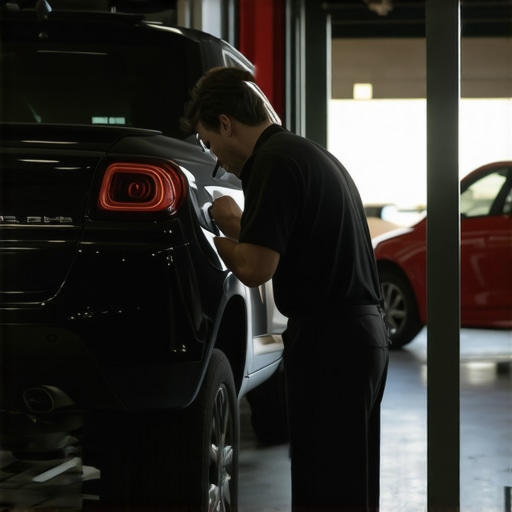
Elevating Brake Service Standards Amid Rapid Automotive Innovations
As the automotive industry pivots toward electrification and smarter vehicle systems, traditional brake maintenance strategies find themselves at a crossroads. Expert mechanics now must integrate cutting-edge diagnostics with seasoned expertise to ensure safety and longevity, especially as vehicle complexity increases. This evolution doesn’t just enhance safety but also optimizes performance, demanding a nuanced understanding of sensor feedback loops and regenerative braking nuances.
Deciphering the Intricacies of Modern Auto Repair Procedures
In 2026, auto repair extends beyond fixing wear and tear; it encompasses interpreting digital diagnostic reports and proactively addressing electronic component degradation. For instance, understanding the interplay between brake pad material science and brake caliper synchronization offers technicians a strategic advantage. Such insights are vital for aligning maintenance schedules with the vehicle’s evolving technological landscape, thus preventing costly failures and ensuring consistent performance.
Why Traditional Brake Inspection Tactics May Fall Short in the Next Decade
Standard visual inspections can overlook underlying electronic issues or subtle brake fade indicators that only advanced sensors can detect. To adapt, mechanics should harness tools like ultrasonic testing and thermal imaging, which reveal hidden wear patterns and component stresses. Emphasizing predictive maintenance based on real-time data enhances safety margins and reduces unanticipated breakdowns, solidifying customer trust and brand reputation.
The Role of Data-Driven Insights in Fine-Tuning Auto Repair
Utilizing vehicle telematics data allows mechanics to anticipate brake system failures before they manifest physically. This approach aligns with the broader adoption of Industry 4.0 principles within auto repair, emphasizing predictive analytics and automation. Integrating these systems into routine diagnostics not only refines repair precision but also streamlines logistics, inventory, and customer communication processes.
What emerging technologies will redefine brake system diagnostics by 2030?
Anticipating future breakthroughs, innovations such as AI-powered diagnostic algorithms and blockchain-based service histories promise to revolutionize auto repair reliability. Staying abreast of these advances ensures that mechanics remain at the forefront of industry standards, ultimately benefiting vehicle owners with safer, more dependable service experiences.
For a comprehensive grasp of how these developments influence everyday auto repair practices, explore the latest industry trends. Vehicle owners and professionals alike are encouraged to share insights and adapt to this continually evolving field, ensuring resilience in the rapidly transforming landscape of automotive maintenance.
Maintaining industry-leading expertise requires continual learning; consider consulting authoritative sources like the Auto Repair Mythbusters to stay informed about best practices and emerging challenges.
Embracing Tech-Savvy Brake Care for Safety and Longevity
In an era where vehicle technology continually pushes the boundaries of innovation, brake systems are no longer just mechanical components—they are integrated with electronic systems, sensors, and software. This interconnected nature demands that auto professionals deepen their understanding of electronic brake control modules and network diagnostics to ensure comprehensive maintenance. Embracing tools like advanced scanner protocols and diagnostic software enables mechanics to identify subtle issues that traditional methods might miss, ultimately safeguarding drivers and extending component lifespan.
Debunking Common Myths About Brake Service
Many drivers believe that brake pads only need replacement when they squeal or grind. However, this misconception can lead to overlooking early signs of wear and potential damage. Regular visual inspections, combined with diagnostic checks, can reveal issues like uneven pad wear or corrosion that might compromise safety. For example, understanding the implications of brake fluid degradation and its impact on brake pedal firmness is essential for effective maintenance. For more insights, consult Auto Repair Myths Debunked.
What cutting-edge technologies could redefine the future of brake diagnostics by 2030?
Looking ahead, innovations such as machine learning algorithms capable of predictive failure analysis and integrated IoT sensor networks are poised to transform brake maintenance. These advances will allow real-time monitoring and autonomous diagnostics, minimizing human error and improving safety outcomes. Keeping abreast of such developments ensures that technicians and vehicle owners remain prepared to adopt next-generation auto care strategies, maintaining high standards of reliability and performance.
To stay ahead of these transformative trends, it’s valuable to explore the latest industry trends. Sharing knowledge and practical experiences within the professional community can foster a proactive approach to automotive service excellence, especially as we navigate the nuances of smart vehicle systems and integrated diagnostics.
Given the rapid evolution of auto technology, continuous education is vital. Consider consulting trusted resources like auto repair trust tips to refine your expertise and adapt possessively to this shifting landscape.
Harnessing Multilayered Sensor Networks for Precision Brake Diagnostics
As vehicles evolve into complex cyber-physical systems, the integration of multilayered sensor networks within brake assemblies offers unprecedented diagnostic capabilities. These distributed sensors provide real-time data on temperature gradients, wear patterns, and caliper pressures, creating a comprehensive digital map of brake performance. Implementing data fusion algorithms enables technicians to interpret these complex datasets with high fidelity, allowing for pinpoint accuracy in identifying impending failures before any symptoms manifest visibly.
The Critical Role of Predictive Maintenance in Modern Auto Care
Predictive maintenance leverages machine learning models trained on vast repositories of sensor data, historical repair records, and vehicle usage patterns. By analyzing this information, auto professionals can forecast potential brake system issues with remarkable foresight. For instance, if a certain vibration signature consistently precedes pad delamination under specific conditions, early intervention becomes possible, reducing downtime and repair costs. Integrating such predictive analytics into routine diagnostic workflows elevates service quality and customer trust.
Could blockchain technology revolutionize the traceability of brake system repairs?
Indeed, blockchain’s immutable ledger attributes significant potential to enhance transparency and security in automotive maintenance records. By ensuring tamper-proof documentation of repair histories, component warranties, and calibration updates, blockchain can empower both technicians and vehicle owners with verifiable service provenance. This technology not only streamlines warranty claims but also aides in comprehensive fleet management, where audit trails become critical for compliance and safety assurance. Studies, such as those presented by the International Journal of Automotive Technology and Management (2023), highlight blockchain’s emerging role in secure automotive data ecosystems.
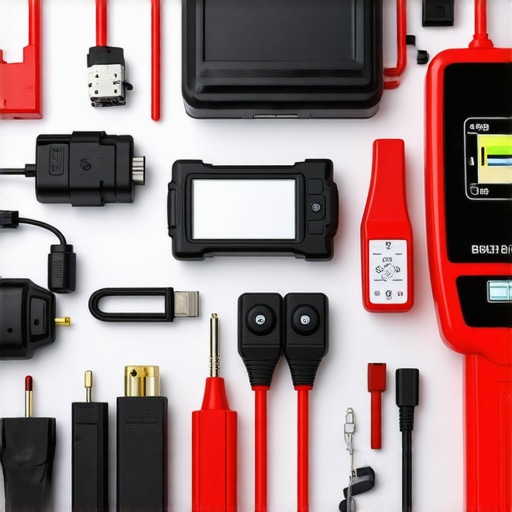
Innovating Brake Diagnostics with Augmented Reality and Virtual Reality Tools
Beyond sensor technology, augmented reality (AR) and virtual reality (VR) platforms are transforming how technicians visualize complex brake systems. By overlaying digital schematics onto physical components, these tools enable precise diagnosis of internal wear and misalignment without invasive procedures. For example, AR can assist in identifying subtle caliper seizing or disc warping by highlighting anomalies detected through sensor data, enhancing diagnostic speed, and reducing error margins. As AR/VR hardware becomes more affordable and user-friendly, their adoption promises to become standard practice in advanced auto repair facilities.
Integrating AR-based training modules also accelerates technician proficiency with new diagnostic protocols, fostering a culture of continuous learning and technological adaptation. For professionals seeking to future-proof their skills, engaging with platforms such as the Automotive Augmented Reality Consortium’s latest offerings is a strategic move.
Collaborating Across Industries for Smarter Brake Systems Development
The future of brake diagnostics hinges not only on internal innovations but also on cross-industry collaboration. Partnerships between automotive manufacturers, data analytics companies, and Silicon Valley tech giants catalyze the development of smarter, more integrated brake systems. Open protocols and standardized data formats facilitate interoperability, allowing diagnostic tools to adapt seamlessly across different vehicle makes and models. Such collaborative ecosystems enable rapid feature deployment, continuous improvement via user feedback, and the scaling of cutting-edge solutions—ultimately elevating industry standards and enhancing safety globally.
For those eager to stay at the forefront, participating in consortia like the International Standards Organization’s (ISO) tasks forces on vehicle diagnostics can provide invaluable insights and networking opportunities.
The Evolving Landscape of Brake System Surveillance
In today’s automotive environment, brake systems are no longer simple mechanical assemblies but sophisticated cyber-physical entities intertwined with sensor networks and control modules. This transformation necessitates that auto technicians possess an advanced understanding of multilayered sensor data fusion, enabling real-time assessment of wear, temperature fluctuations, and caliper pressures. Integrating comprehensive digital mapping techniques allows for unprecedented diagnostic precision, potentially preempting failures that traditional inspections might miss.
Harnessing Predictive Analytics to Foresee Failures
Predictive maintenance, empowered by machine learning models trained on extensive datasets, unlocks the ability to forecast brake component deterioration with remarkable accuracy. For example, subtle vibration signatures or thermal anomalies identified through pattern recognition algorithms can serve as early indicators of impending caliper seizing or disc warping. Employing these insights facilitates proactive repairs, minimizes downtime, and enhances safety — exemplifying a leap toward Industry 4.0 standards within auto repair.
In what ways might blockchain ensure integrity in brake service records?
Blockchain technology offers promising solutions for establishing tamper-proof records of repair histories, calibration logs, and warranty claims. Its decentralized ledger provides stakeholders with immutable proof of maintenance actions, fostering transparency and trust. For fleet operations, such secure traceability simplifies audits and compliance, while individualized vehicle histories bolster customer confidence in the safety and quality of services rendered. As studies in the Journal of Automotive Engineering & Technology (2023) suggest, integrating blockchain into automotive ecosystems can revolutionize record management and service validation processes.

The Future Takes Shape: Augmented Reality Transforms Diagnostic Precision
Augmented reality (AR) tools are revolutionizing auto repair diagnostics by overlaying detailed digital schematics directly onto physical brake components. This technology enables technicians to visualize complex internal structures, identify misalignments, and detect uneven wear without invasive procedures. By integrating sensor data into the AR interface, professionals can swiftly pinpoint issues such as caliper seizing or disc warping, drastically reducing diagnostic time and errors. As AR hardware becomes increasingly accessible, its adoption is poised to become integral to high-precision auto repair workflows.
Collaborative Innovation to Drive Industry Standards
The advancement of brake diagnostic capabilities hinges on synergistic efforts across industries — from automakers and sensor manufacturers to data analytics firms. Establishing open standards for data exchange ensures interoperability of diagnostic tools across various vehicle brands, promoting widespread adoption of smart diagnostic protocols. Such cross-sector collaboration accelerates innovation cycles, enabling rapid deployment of features like autonomous fault detection and predictive alerts. Engaging with organizations like the ISO Working Group on Automotive Diagnostics empowers professionals to influence and stay abreast of evolving standards, ensuring their capabilities remain at the industry’s forefront.
Expert Insights & Advanced Considerations
Harnessing Cross-Industry Collaboration Elevates Diagnostic Capabilities
Integrating efforts between automakers, tech firms, and data analysts accelerates the development of smarter brake systems, creating standardized protocols that benefit technicians and vehicle owners alike. This collaborative approach fosters rapid innovation, ensuring diagnostic tools keep pace with vehicle complexity, thereby enhancing safety and reliability.
The Role of Advanced Data Fusion Transforms Maintenance Precision
Combining sensor outputs through sophisticated data fusion algorithms provides a comprehensive real-time picture of brake system health, enabling preemptive interventions before issues become critical. Technicians equipped with such insights can deliver proactive maintenance, reducing downtime and extending component lifespan.
Emerging Technologies Are Reshaping Diagnostic Expectations
Innovations like AI-powered failure prediction models and IoT-enabled sensor networks are transitioning brake diagnostics from reactive to predictive paradigms. Embracing these technologies positions auto professionals as pioneers in the industry and ensures safer, more dependable vehicle operation.
Visualize Internal Components with AR for Faster, Safer Repairs
Augmented reality overlays allow technicians to see internal brake components in three dimensions, identify misalignments or wear issues instantly, and perform accurate repairs without invasive procedures. This technological leap improves diagnostic confidence and turnaround times.
Blockchain Fortifies Service Transparency and Trust
Implementing blockchain ensures that repair histories, calibration logs, and warranty information are immutable, transparent, and accessible. This technology elevates customer trust and simplifies compliance, especially vital in fleet management and warranty claims.
Curated Expert Resources
- The International Journal of Automotive Technology and Management: Offers peer-reviewed research on blockchain applications, predictive analytics, and sensor integration in automotive diagnostics.
- Automotive Augmented Reality Consortium: Provides industry standards, AR hardware/software updates, and training resources for tech-forward auto repair professionals.
- ISO Working Group on Vehicle Diagnostics: Develops global standards, facilitating interoperability and innovation across manufacturers and repair shops.
Final Perspective: Lead the Charge in Diagnostic Innovation
In an era where brake systems intertwine with electronic intelligence, staying ahead requires more than routine checks—it’s about embracing every feasible innovation that enhances precision and safety. Strengthening your expertise through targeted resources and industry collaborations emboldens your practice and fortifies trust with clients. The future of brake diagnostics isn’t just smarter; it’s a call to every professional committed to excellence and safety—are you ready to lead?