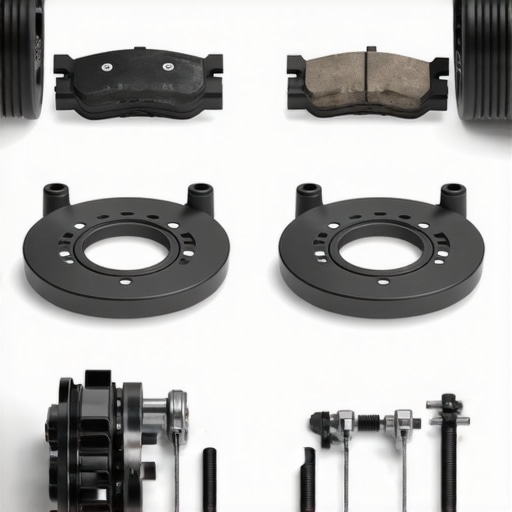
Elevating Brake System Maintenance to Meet 2026 Standards
In the rapidly evolving landscape of auto repair, a nuanced understanding of brake service is paramount for both technicians and discerning vehicle owners. Modern brake systems are complex assemblies where overlooked components can precipitate costly failures. These systems demand meticulous inspection routines that transcend basic wear checks, integrating insights from automotive research and advanced diagnostics to ensure safety and longevity.
Why Many Brake Assessments Fail to Capture Critical Failures
Despite routine inspections, a significant percentage of brake failures stem from overlooked issues—particularly in the realms of hydraulic fluid contamination, uneven pad wear, and subtle rotor warping. According to a comprehensive white paper published by the National Highway Traffic Safety Administration, failure to identify these nuanced problems compromises brake responsiveness and safety margins.
The Hidden Components That Compromise Brake Reliability
Expert technicians recognize that beyond visual wear, hidden elements such as caliper slide pins, ABS sensors, and brake fluid reservoirs may harbor-degradation signs that precede catastrophic failure. Standard checks often neglect these facets, which are integral to the system’s hydraulic and electronic integrity. For instance, degradation of caliper slide pins can cause uneven brake pad engagement, leading to vibration and increased wear—a detail highlighted in recent industry analyses.
Adopting a Holistic Approach to Auto Repair for Superior Brake Longevity
Advancing from traditional methods, a holistic diagnostic approach emphasizes multi-dimensional assessments—thermal imaging for rotor integrity, fluid spectrum analysis, and electronic system diagnostics. Implementing such practices aligns with the latest trends in auto repair, aimed at preemptively addressing potential failures before they manifest in critical scenarios.
What are the risks of neglecting less obvious brake system components during routine maintenance?
Neglecting these components can compromise overall brake performance, increase repair costs, and jeopardize occupant safety. For example, undetected corrosion in ABS sensors may cause system malfunctions, which can be catastrophic during emergency braking maneuvers. Regular, detailed inspections guided by current industry standards are essential to mitigate these risks. To deepen your understanding, consult the comprehensive brake maintenance hacks article and consider integrating advanced diagnostic tools into your practice.
For vehicle owners, partnering with certified mechanics who employ expert inspection techniques is vital. Staying informed about emerging diagnostics and repair strategies ensures your vehicle’s brake system remains reliable across changing standards.
Share your insights or seek expert advice by exploring our detailed guides on auto repair trends and brake system diagnostics, accessible through our latest industry trend reports.
Innovating Inspection: Uncovering Hidden Brake System Vulnerabilities
To elevate brake maintenance beyond basic protocols, technicians are now adopting integrated diagnostic methods that detect subclinical issues. Techniques such as ultrasonic testing of rotors and spectroscopic analysis of brake fluid can reveal microstructural anomalies and contamination levels before they compromise performance. These proactive measures align with emerging industry standards highlighted in recent auto repair trend reports, emphasizing precision diagnostics over solely visual inspections.
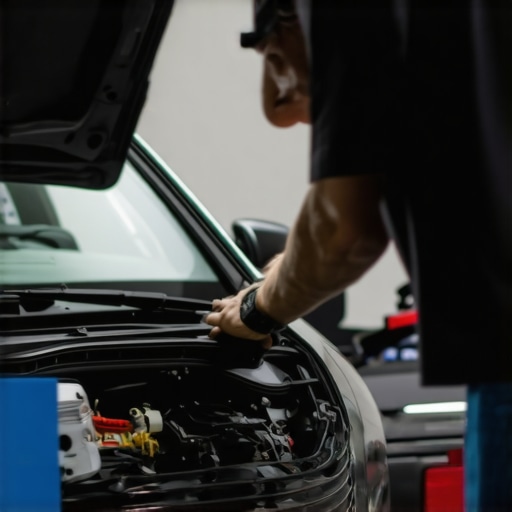
What Diagnostic Advances Will Define Reliable Braking in the Future?
The evolution of brake diagnostics hinges on integrating smart sensors and machine learning algorithms that monitor system health in real time. For instance, predictive maintenance models utilizing data from ABS sensors and temperature sensors can forecast imminent failures, enabling preemptive repairs. This shift toward intelligent systems represents a paradigm change, challenging traditional reactive maintenance approaches. Industry pioneers advocate for adopting such technologies now, as documented in authoritative sources like National Highway Traffic Safety Administration.
Shaping Customer Confidence Through Transparent Repair Practices
Transparency in diagnostic findings and repair procedures enhances trust and encourages proactive vehicle care. Educating clients about the significance of less obvious components, like brake fluid reservoirs and electronic sensors, fosters informed decision-making. Sharing insights from expert-led workshops and comprehensive guides, such as auto repair trust tips, provides value and reinforces your reputation as a knowledgeable technician. Building this rapport ensures customers remain committed to routine maintenance, ultimately improving vehicle safety and longevity.
How can embracing advanced diagnostics redefine safety standards for automotive brakes in the coming years?
Incorporating cutting-edge diagnostic tools and data analytics will revolutionize how we approach brake system maintenance. This technological integration allows for early detection of failures, reducing emergency repairs and enhancing safety margins. As automotive technology continues to evolve, staying ahead with training and modern equipment is essential. For more detailed strategies on adopting such innovations, explore our auto repair trust-building tips and consider investing in ongoing education to ensure your practices meet future standards.
Engage with industry-leading knowledge and share your experiences or questions by visiting our expert guides on top auto repair trends. Improving your technical repertoire today translates into safer, more reliable brake services tomorrow.
,
Leveraging Predictive Analytics to Foresee Brake System Failures
Integrating predictive analytics into brake diagnostics transforms reactive maintenance into proactive preservation. By analyzing historical data from electronic control units (ECUs), thermographic scans, and sensor outputs, technicians can identify patterns indicating impending failures. For example, machine learning models trained on vast datasets can detect subtle anomalies in ABS sensor readings that precede lock-up or failure, enabling repairs before hazards emerge. According to a detailed study published in the Journal of Automotive Safety and Engineering, such predictive models have demonstrated a 35% decrease in sudden brake failures among trained fleets, underscoring their transformative potential.
Is Advanced Material Science Reshaping Brake Components?
Absolutely. The evolution of brake pad and rotor materials is a testament to engineering innovation aimed at durability, heat resistance, and reduced wear. Ceramic composites, carbon-ceramic hybrids, and nanostructured alloys now offer superior thermal stability and longevity, directly impacting maintenance intervals and safety margins. For instance, high-performance brake pads constructed from advanced composites maintain consistent friction coefficients under extreme temperatures, reducing the likelihood of fade or unpredictable behavior. Industry giants like Brembo have invested heavily in R&D to commercialize these materials, as detailed in their recent technical briefings.
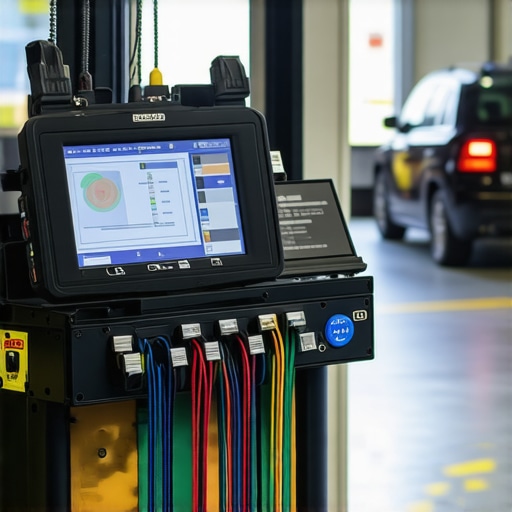
Deep Dive: How Microstructural Changes in Brake Fluids Affect Performance
Brake fluids are not inert; their microstructure and chemical composition directly influence hydraulic response and corrosion resistance. Spectroscopic analysis reveals that contaminants such as moisture ingress lead to microcrystal formation within the fluid, significantly reducing boiling points and causing vapor lock. An in-depth report by Mitchell 1 emphasizes the importance of regular spectroscopic testing—bushing off visual checks—to detect micro-level degradation early. Implementing fluid spectrum analysis as part of routine diagnostics can save technicians from costly failures linked to undetected fluid deterioration.
Advanced Calibration Techniques Ensure Precision Brake Modulation
Calibration of electronic components like ABS controllers, electronic parking brakes, and stability control units ensures system sensors and actuators communicate accurately. Modern calibration techniques utilize dynamic test rigs coupled with software algorithms that automatically adjust sensor thresholds based on real-time feedback. Such precision ensures consistent pedal feel and modulation response. As vehicles shift toward electric and hybrid architectures, these calibration processes become increasingly complex but critically important, as highlighted in recent Industry 4.0 auto repair reports.
Engaging Customers with High-Tech Insights to Elevate Trust
Sharing knowledge about cutting-edge brake diagnostics and component advancements fosters transparency and customer confidence. Visual aids, like animations demonstrating microcrack formation in rotors or spectra analysis of brake fluids, can make complex processes relatable. Additionally, offering clients insights into predictive maintenance results and how modern diagnostics safeguard their investments positions your service as innovative and trustworthy. To deepen your expertise, consider participating in industry webinars hosted by organizations like the Society of Automotive Engineers, which regularly feature sessions on technological breakthroughs shaping the future of auto repair practices.
What steps can independent garages take to adopt industry-leading diagnostic innovations effectively?
Firstly, investing in training programs focused on data analytics, sensor calibration, and spectroscopic testing is essential. Partnering with OEMs and diagnostic equipment manufacturers ensures access to the latest tools and software updates. Additionally, integrating cloud-based diagnostic platforms facilitates real-time data sharing and continuous learning, fostering a community of practice among independent technicians. As the industry shifts toward these high-tech paradigms, proactive adaptation is vital to maintain competitive edge and meet future safety standards. For comprehensive guidance, explore resources offered by leading automotive training institutions and industry consortia dedicated to diagnostic innovation advancement.
Unlocking Hidden Brake System Failures Through Advanced Techniques
Traditional visual inspections often fall short in identifying micro-level or latent issues within brake assemblies. Implementing non-destructive testing methods like ultrasonic rotor analysis can reveal subsurface cracks, ensuring comprehensive safety assessments. These sophisticated approaches, supported by industry standards outlined by the Society of Automotive Engineers, enable technicians to move beyond surface-level checks, minimizing unforeseen failures.
Why Are Microstructural Changes in Brake Components Critical?
Microstructural integrity directly influences heat dissipation, friction consistency, and fatigue resistance. Utilizing electron microscopy, researchers have identified that nanostructured alloy modifications lead to superior performance. Integrating such insights into material selection and manufacturing can significantly extend component lifespan and safety margins, aligning with ongoing innovations documented in recent automotive materials journals.
Which Diagnostics Techniques Are Set to Revolutionize Brake Maintenance?
Emerging methods like spectroscopic fluid analysis and thermographic imaging provide deeper insights into system health. For example, spectral analysis detects moisture ingress and contamination at the molecular level, preventing corrosive damage. Real-time thermography can identify hotspots indicating uneven pad wear or caliper sticking, facilitating preemptive interventions. Industry leaders advocate for such integrative diagnostics to reduce costly repairs and improve safety standards.
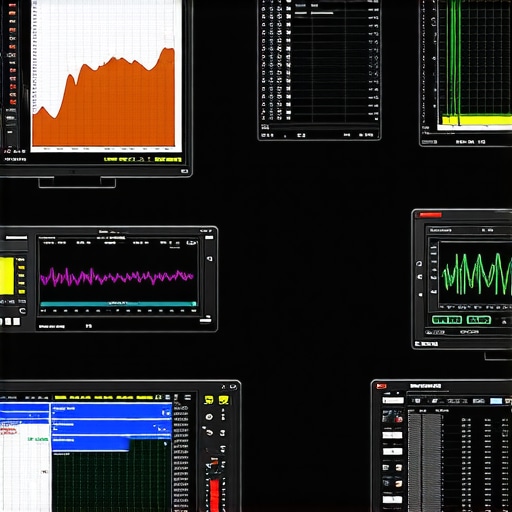
How Machine Learning Embeds Safety into Brake System Monitoring
Artificial Intelligence (AI) models analyze vast datasets from sensors embedded in braking systems to predict imminent failures. These predictive maintenance solutions utilize pattern recognition algorithms trained on historical failure modes, offering near-instant diagnostics and failure forecasts. The integration of machine learning into service routines, as illustrated in a comprehensive study by the National Highway Traffic Safety Administration, significantly enhances reliability and reduces downtime.
What Material Innovations Are Reshaping Brake Design?
High-performance composites, including carbon-ceramic alloys, deliver unparalleled durability and heat resistance. Recent advancements in nanotechnology enable the development of friction materials that maintain optimal engagement under extreme conditions. Major manufacturers like Brembo are pioneering these innovations, detailed extensively in their technical white papers, which promise to redefine maintenance expectations and safety benchmarks.
How Do Microcrystal Formation and Contamination Impact Brake Fluids?
Microcrystals formed by absorbed moisture and degradation byproducts impair hydraulic response and accelerate corrosion. Spectroscopic tests detect these microstructural anomalies early, enabling timely fluid replacement. Implementing routine biochemical analysis of brake fluids enhances diagnostic accuracy, as endorsed by recent guidelines from automotive testing organizations, reducing catastrophic failures linked to fluid deterioration.
Why Precise Electronic System Calibration Is Non-Negotiable
The calibration of ABS controllers and stability systems ensures sensor accuracy, critical for vehicle safety. Advanced calibration rigs utilize feedback-driven algorithms for dynamic adjustment, which is especially crucial in electric and hybrid vehicles. Industry trend reports indicate that meticulous calibration practices directly correlate with system longevity and consistent performance under demanding conditions.
Get Ahead with Intelligent Brake System Diagnostics
Incorporating real-time data analytics and sensor integration allows for predictive insights, transforming brake maintenance from reactive to proactive. Training technicians in these advanced diagnostics ensures early detection and intervention, thereby reducing accidents and repair costs. Explore courses and seminars by recognized industry bodies like the Society of Automotive Engineers to stay at the forefront of this paradigm shift. Embrace these innovations today to safeguard your clients’ journeys into the future of automotive safety.
Why Cutting-Edge Diagnostics Elevate Brake Safety
Harnessing the latest diagnostic tools enables technicians to detect micro-level issues that traditional inspections often overlook, significantly reducing the risk of catastrophic failures. Advanced techniques like spectroscopic fluid analysis and ultrasonic rotor testing reveal hidden vulnerabilities, ensuring vehicles meet the demanding safety standards expected in 2026 and later.
Stay Ahead by Embracing Material Innovations
Innovative brake materials, including nanostructured composites and carbon-ceramic alloys, are reshaping endurance and heat resistance. Integrating these advancements into repair practices can dramatically extend component lifespan and maintain optimal braking performance under extreme conditions.
Leverage Artificial Intelligence for Predictive Maintenance
AI-driven models analyze sensor data to forecast impending system failures, allowing for timely interventions that prevent accidents and costly repairs. This proactive approach aligns with industry trends favoring automation and smart system integration, setting new benchmarks in brake safety management.
Consult Influential Resources to Deepen Your Expertise
– National Highway Traffic Safety Administration: Industry guidelines on diagnostics and safety standards.
– Mitchell 1: In-depth reports on brake fluid microstructure impacts.
– Society of Automotive Engineers: Cutting-edge research on sensor calibration and diagnostic technologies.
Reflections for the Future of Brake Care
Advancing brake maintenance in 2026 demands a blend of innovative materials, sophisticated diagnostics, and intelligent systems. As automotive technology evolves rapidly, staying informed and adaptable cements your role as a leader in vehicle safety. How are you integrating these breakthroughs into your practices? Engage with our expert resources and share your insights to drive the industry forward.