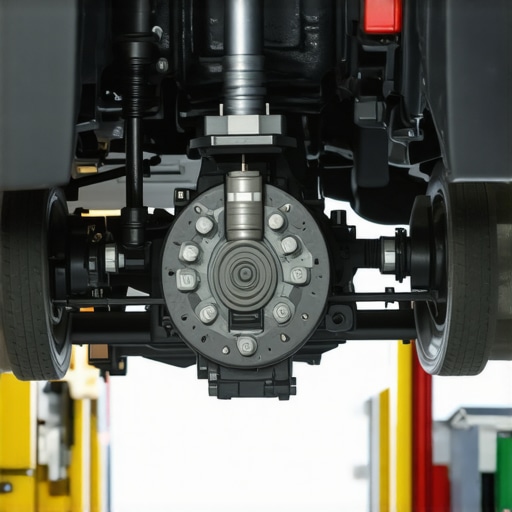
Mastering the Nuances of Hydraulic Actuator Calibration in 2026 Brake Systems
In the rapidly evolving landscape of automotive technology, brake systems have transitioned from purely mechanical constructs to sophisticated, electronically controlled networks. One of the critical components underpinning this transformation is the hydraulic actuator, whose precise calibration is paramount for ensuring safety, performance, and longevity.
The Significance of Hydraulic Actuator Reset in Advanced Brake Services
As vehicles become increasingly reliant on electronic stability and brake-by-wire systems, a comprehensive brake system maintenance now extends beyond basic pad replacement. Specifically, the hydraulic actuator’s reset is vital in restoring optimal brake pedal feel, ensuring accurate caliper operation, and preventing asymmetrical brake force distribution that could compromise safety.
Mechanics of Hydraulic Pressure Dynamics and Reset Procedures
Modern brake hydraulics operate through a complex interplay of sensors, electronic control units (ECUs), and hydraulic pistons. A misaligned or uncalibrated hydraulic actuator can disrupt pressure equilibrium, leading to issues like pedal fade or uneven wear. Implementing a hydraulic actuator reset involves bypassing the default calibration, often through specialized scan tools or aftermarket software, to synchronize the physical component with the vehicle’s ECU protocols.
Deciphering When a Hydraulic Actuator Reset Becomes Urgent
Is your brake system exhibiting inconsistencies that standard repairs cannot resolve?
Indicators such as pedal oscillations, delayed response, or warning lights related to brake fluid pressure should prompt immediate diagnostics. These symptoms often signal that the hydraulic actuator’s calibration is compromised, requiring a reset to re-establish calibration integrity and prevent costly repairs or safety hazards.
Expert Approaches to Ensuring Longevity and Safety
Professional auto repair shops emphasize the importance of including hydraulic actuator calibration as part of routine brake service best practices. Utilizing precise diagnostic tools and adhering to manufacturer procedures enhances system reliability. Furthermore, regular auto repair knowledge about hydraulic system updates ensures technicians remain proficient in executing these complex calibrations efficiently.
Incorporating hydraulic actuator resets into comprehensive brake maintenance fulfills the dual goal of performance optimization and prolongation of component lifespan. As vehicle complexity grows, so does the importance of staying ahead with expert-level understanding and application of these crucial procedures.
For those seeking detailed guidance, professional training programs and OEM-specific repair manuals offer invaluable insights into proper calibration techniques. Maintaining a dialogue with experienced mechanics and consulting authoritative sources like the Society of Automotive Engineers (SAE) can further deepen your technical mastery.
Remember, neglecting hydraulic correction procedures may not only lead to subpar braking performance but also increase the risk of failure during critical moments, ultimately endangering lives. Investing in expert calibration now ensures peace of mind and reinforces the trustworthiness of your vehicle’s safety systems.
Beyond the Basics: Embracing Digital Diagnostics for Hydraulic Systems
As automotive technology advances, traditional calibration methods give way to sophisticated digital diagnostic tools that enable precise hydraulic actuator adjustments. Modern scan software integrates real-time sensor data with manufacturer-specific algorithms, allowing technicians to perform comprehensive calibrations that adapt to the vehicle’s unique systems. This evolution is critical in the context of auto repair trends for 2025 and beyond, where digital integration ensures optimal brake performance and safety.
Creating a Calibration Framework: Prioritizing Accuracy and Consistency
Implementing a standardized calibration framework enhances both safety and efficiency. This involves a systematic approach: first, conducting a thorough diagnostic check, then executing the calibration with the latest OEM tools, and finally validating the process through road testing. Employing a calibration checklist reduces errors and ensures every step, from hydraulic pressure checks to sensor synchronization, is meticulously documented. For technicians committed to excellence, studying trusted brake system maintenance practices can refine their calibration techniques for long-term reliability.
Expert Insight: How Does Calibration Impact Brake System Longevity?
Calibration directly influences the lifespan of brake components and the overall system reliability. Properly calibrated hydraulic actuators maintain pressure accuracy, thereby minimizing uneven wear and reducing the risk of premature part failure. Industry experts emphasize that neglecting precise calibration accelerates deterioration of pads, rotors, and calipers, leading to costly repairs. A reputable resource, SAE International, highlights the importance of integrating advanced diagnostic procedures for long-lasting brake system performance. Prioritizing calibration as part of routine maintenance helps uphold safety standards and prolongs vehicle service life.
Could Overlooking Hydraulic Calibration Be Driving Your Vehicle into Dangerous Territory?
Many drivers underestimate the importance of calibration, assuming that brake pad replacement suffices. However, uncalibrated hydraulic actuators can compromise pedal feel, responsiveness, and safety, especially as vehicles incorporate more electronic controls. Recognizing subtle signs—like inconsistent pedal resistance or warning lights—can prevent potential system failures. Regular consultation with expert mechanics and leveraging OEM-specific tools enables early detection and correction, ultimately safeguarding your vehicle’s braking integrity. For more detailed insights, explore auto repair myths debunked to understand common misconceptions about brake maintenance.
If you’re interested in staying ahead of emerging brake system technologies, consider connecting with professional technicians through our contact page for personalized guidance and training.
Remember, as vehicles grow increasingly sophisticated, so does the importance of precise hydraulic system calibration. Mastering these procedures ensures safety, enhances vehicle performance, and extends the lifespan of critical brake components—no matter how complex the system becomes.
Implementing Advanced Hydraulic Calibration Algorithms for Precision Control
Modern brake systems leverage adaptive algorithms that dynamically adjust hydraulic parameters in real time, responding to sensor inputs and driving conditions. Incorporating predictive analytics, these algorithms foresee potential calibration drifts and auto-correct before noticeable symptoms manifest, significantly reducing downtime and enhancing safety. For instance, integrating machine learning models trained on extensive vehicle data can optimize hydraulic responses under varying loads, temperatures, and wear levels, transforming maintenance from reactive to proactive. This approach requires a deep understanding of control theory, sensor fusion, and embedded system programming, positioning technicians as both engineers and diagnosticians in the calibration process.
What role does sensor data play in refining hydraulic actuator performance?
Sensor data forms the backbone of real-time calibration adjustments. Accelerometers, pressure transducers, and temperature sensors feed continuous feedback into the control unit, enabling fine-tuning of hydraulic responses. High-fidelity sensors with minimal latency and noise are crucial for maintaining system integrity. Combining this data with vehicle dynamic models allows for sophisticated calibration strategies that adapt to individual driving patterns—ultimately leading to safer and more responsive braking technology. According to SAE International’s published standards on sensor integration in automotive systems, high-precision measurements directly correlate with improved actuator longevity and system consistency.

Visual diagram of sensor fusion in hydraulic system calibration, illustrating the interaction between pressure sensors, controllers, and actuators in real-time adjustments.
Transformative Hydraulic Calibration Techniques Shaping Modern Brake Diagnostics
As automotive engineers push the boundaries of brake system efficiency, innovative calibration methods are emerging that leverage cutting-edge control algorithms and sensor integration. By employing adaptive hydraulic calibration protocols, technicians can now achieve unprecedented levels of precision, ensuring optimal pressure regulation and pedal responsiveness across diverse operating conditions. These advancements are not merely incremental; they promise a paradigm shift in how brake systems are maintained and fine-tuned to meet the stringent safety standards of 2026 and beyond.
Can Integrated Digital Twins Revolutionize Hydraulic System Alignment?
Emerging research suggests that digital twin technology—virtual replicas of physical hydraulic systems—can simulate component behavior under various scenarios, enabling preemptive calibration adjustments. This approach facilitates a smoother calibration process by predicting pressure fluctuations, wear patterns, and sensor drift, allowing technicians to implement targeted corrections before issues manifest physically. Integrating such models with real-time sensor data creates a dynamic calibration environment, significantly reducing diagnostic time and enhancing system longevity. For authoritative insights on this frontier, consult SAE International’s latest publications on digital twins in automotive maintenance.
How does predictive analytics enhance the longevity of hydraulic actuators in brake systems?
Predictive analytics harness extensive vehicle data to identify patterns indicating impending calibration drifts or component degradation. By analyzing pressure cycles, temperature variations, and operational histories, predictive models forecast maintenance needs, facilitating early intervention. This proactive approach not only prevents sudden system failures but also extends the service life of critical hydraulic components, reducing overall repair costs. Industry leaders underscore the importance of integrating machine learning-based diagnostics to anticipate failures, as detailed in recent SAE reports on vehicle health monitoring systems.
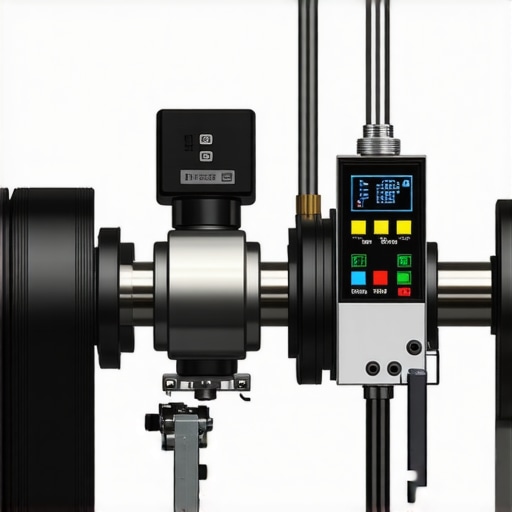
Illustration showing the integration of predictive analytics, sensor data, and actuator adjustments within a modern brake control module.
Expert Insights & Advanced Considerations
Prioritize Digital Integration for Superior Calibration Accuracy
Embracing cutting-edge digital diagnostic tools enhances the precision of hydraulic actuator calibration, reducing human error and enabling real-time system adjustments that adapt to dynamic conditions.
Leverage Predictive Analytics to Preempt System Failures
Implementing machine learning models rooted in vast vehicle data can forecast calibration drifts, allowing proactive maintenance that preserves brake system integrity and extends component lifespan.
Customize Calibration Protocols for Vehicle-Specific Needs
Recognizing that each vehicle has unique hydraulic response characteristics, tailored calibration routines—using OEM data and advanced algorithms—can optimize performance and safety outcomes.
Innovate with Digital Twins for Calibration Simulation
Developing virtual replicas of brake hydraulic systems enables simulation of various operational scenarios, facilitating preemptive adjustments and refined calibration strategies before physical implementation.
Curated Expert Resources
- SAE International Publications: Offers in-depth research and standards on sensor integration, control algorithms, and digital twin applications in automotive hydraulic systems, shaping best practices for calibration techniques.
- OEM Technical Manuals: Provide manufacturer-specific calibration procedures and diagnostic protocols essential for precise and compliant hydraulic actuator resets in 2026 models.
- Automotive Engineering Journals: Present advanced case studies and emerging trends in brake system diagnostics, emphasizing the integration of AI, machine learning, and predictive maintenance approaches.
Final Perspective from Industry Experts
The future of hydraulic actuator calibration in 2026 brake systems hinges on the mastery of digital diagnostics, predictive analytics, and customized protocols. Moving beyond traditional methods, professionals who harness these technological innovations will not only enhance safety and system longevity but also elevate the standards of auto repair excellence. Deepening your understanding through authoritative resources and embracing emerging calibration techniques ensures your expertise remains at the forefront of automotive innovation. For those committed to advancing their knowledge, engaging with professional communities and continuously exploring OEM updates is essential. Connect with us or explore the latest trends in auto repair to stay ahead in this evolving landscape.