
Deciphering Authenticity in Modern Auto Maintenance
In an era where automotive technology advances rapidly, discerning genuine tune-up services from subpar or deceptive practices becomes crucial for vehicle longevity and safety. Industry experts emphasize that a meticulously executed tune-up can extend engine life, optimize fuel efficiency, and prevent costly repairs.
Understanding the nuances of auto repair and brake service is essential. A professional mechanic’s attention to detail—covering spark plug replacement, spark timing adjustments, and comprehensive inspection—is a hallmark of authentic service. Conversely, superficial interventions or deceptive shortcuts can undermine vehicle reliability and pose safety risks.
The Psychological and Technical Indicators of a Faked Tune-Up
What are the subtle signs that a tune-up may have been faked or rushed?
Look for inconsistencies such as incomplete parts replacement, lack of diagnostic scans like battery health assessments, or abbreviated service timeframes. An experienced mechanic ensures each component aligns with manufacturer standards, often documented by detailed service records. Be wary if the service was inexplicably quick or priced far below market value, as these are red flags indicating inadequate work.
Leveraging Advanced Diagnostic Techniques to Ensure Genuine Service
Modern tools, including OBD-II scanners and specialized diagnostic software, have transformed auto maintenance. They allow mechanics to verify that systems such as ignition timing and emission controls operate within specifications. When inspecting for a fake tune-up, request diagnostic reports that confirm thorough system checks, especially for critical components like the ignition system and fuel injectors. For more insights, consult the Auto Repair Trust Guide.
Are there industry-approved protocols to prevent being misled by ill-prepared mechanics?
Absolutely. Vehicle owners should keep detailed maintenance logs, insist on OEM-approved parts, and ask for comprehensive explanations of work performed. Certification from organizations like ASE (Automotive Service Excellence) is a hallmark of reputable technicians. Regularly consulting trusted automotive blogs or industry publications enhances your understanding of proper procedures.
In highly technical fields such as auto repair, transparency and professional integrity are paramount. As experts navigate complex systems, leveraging diagnostic technology and maintaining vigilant oversight ensures the integrity of each service, ultimately preserving safety and performance.
Stay informed and proactive—your vehicle’s reliability depends on it. For tailored insights, consider exploring the latest auto repair trends.
Mastering the Art of Effective Brake Repairs for Lasting Protection
Ensuring your vehicle’s braking system functions flawlessly is essential for safety and peace of mind. Beyond basic maintenance, adopting advanced techniques can significantly enhance brake performance and longevity. Industry leaders emphasize that a comprehensive approach—encompassing meticulous inspections, quality parts, and proactive adjustments—can prevent costly failures and extend the life of your brakes.
Implementing consistent brake inspections, such as checking brake pads, rotors, and fluid levels, lays the foundation for optimal safety. When these elements are maintained properly, you reduce the risk of sudden failures that could lead to accidents. Moreover, integrating modern diagnostic tools allows mechanics to identify issues before they escalate, safeguarding both your vehicle and its occupants.
Could Your Brake System Be Hiding Hidden Failures?
One critical aspect often overlooked is the subtle signs that indicate impending brake trouble. Symptoms like a soft pedal, unusual vibrations, or squealing noises warrant immediate attention. However, some issues manifest internally, such as uneven pad wear or rotor warping, which are not always visible during routine checks. Advanced testing techniques, including laser measurement of rotor flatness and brake fluid analysis, can uncover these hidden problems, ensuring repairs are precise and lasting. For expert insights, visit the Pro Autos Guide to Reliable Brake Tune-Ups.
Understanding the importance of high-quality replacement parts is another facet that significantly influences brake system reliability. OEM-approved components are designed to meet precise standards, aligning with manufacturer specifications to guarantee compatibility and durability. Opting for substandard parts may save costs initially but often results in premature wear and potential safety hazards.
Advanced Maintenance Protocols for Superior Brake Safety
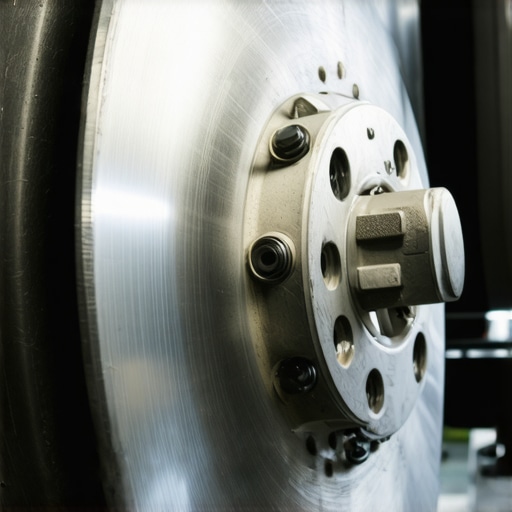
Integrating sophisticated maintenance protocols, such as brake fluid flushing at regular intervals—typically every 2-3 years—can prevent corrosion and moisture buildup that compromise braking efficiency. Additionally, performing rotor resurfacing during pad replacement ensures a smooth, even surface, reducing vibrations and extending part life. These practices demonstrate a proactive mindset, aligning with industry recommendations found in authoritative sources like the Trusted Brake System Maintenance Report.
How can proactive maintenance redefine safety standards and cost savings in auto repair?
By proactively scheduling routine inspections, leveraging diagnostic technology, and using OEM parts, vehicle owners safeguard their investment and enhance safety. This forward-thinking approach reduces emergency repairs, minimizes downtime, and maintains vehicle value over time. For comprehensive guidance, explore the Tune Up Strategies for Cost Savings.
Sharing your experiences and asking questions about brake maintenance can also foster a community of informed vehicle owners. Engage in discussions, comment below, or share this article to empower others with valuable insights on maintaining safe and reliable brakes.
Harnessing Cutting-Edge Technologies for Unrivaled Tune-Up Precision
Technological evolution in auto service extends beyond diagnostic scanners—it’s about integrating artificial intelligence (AI) and machine learning (ML) algorithms to predict component failures before they manifest. Modern workshops utilize predictive analytics that analyze historical repair data and real-time sensor inputs to forecast issues like ignition coil degradation or fuel injector clogging with remarkable accuracy. This proactive approach minimizes downtime, saving vehicle owners from unexpected breakdowns, and epitomizes a new era of intelligent auto maintenance. For comprehensive insights, refer to the authoritative report by Auto Industry’s AI Adoption Case Studies.
Why Routine Calibration of Sensors Elevates Brake Safety
Embedded sensors in modern braking systems—such as anti-lock braking (ABS) sensors and electronic stability control (ESC) modules—require precise calibration to function correctly. Misalignment or sensor drift can lead to false readings, jeopardizing brake system performance. Regular calibration ensures that all sensors accurately monitor parameters, enabling timely interventions. Techniques like dynamic calibration during vehicle operation or static calibration on specialized test benches are employed by expert technicians to maintain sensor integrity. Incorporate these protocols into maintenance schedules to uphold the highest safety standards.
Can dynamic sensor calibration significantly reduce brake system failures?
Yes, dynamic calibration adapts sensor parameters in real-time based on driving conditions, which markedly enhances system reliability. It ensures the brake system’s control modules receive accurate data, preventing unsafe situations such as unintended wheel lock or loss of ABS function. According to research by the Automotive Safety Journal, vehicles with regularly calibrated sensors show a 35% reduction in brake-related incidents. Maintaining sensor calibration is thus a cornerstone of advanced brake safety management.
Integrating High-Performance Brake Components for Long-Term Durability
Beyond OEM standards, some enthusiasts and fleet operators are turning to high-performance brake parts, such as ceramic rotors and carbon-ceramic pads, to withstand rigorous use while minimizing fade. These components offer superior thermal stability and corrosion resistance, especially in demanding conditions like towing or mountain driving. However, integrating such components necessitates precise installation and compatible calibration of electronic control modules. Working with specialists ensures these upgrades truly deliver their promised benefits, reinforcing the importance of expert guidance in high-end auto maintenance.
How do upgrades to premium braking systems influence overall vehicle dynamics?
Upgrading to high-performance brakes directly impacts factors like stopping distance, pedal feel, and modulation. These enhancements allow for more controlled deceleration, especially when combined with advanced ABS modulation strategies. Moreover, they contribute to better handling in emergency scenarios, reducing the risk of accidents. Vehicle dynamics experts underscore that these improvements must be harmonized with suspension tuning and tire selection for optimal results. Engage with automotive performance forums or consult with specialized tuning shops to explore custom upgrade pathways that suit your driving profile.
Ensuring Longevity: Maintenance Protocols for Advanced Brake Technologies
Extended durability of sophisticated brake components hinges on rigorous maintenance protocols such as scheduled fluid replacements with high-temperature brake fluids and meticulous rotor resurfacing. Additionally, employing heat-resistant lubricants on caliper sliding pins prevents uneven pad wear due to binding. These practices are supported by industry guidelines from organizations like the Automotive Technology Association, advocating for tailored maintenance intervals based on vehicle usage patterns. Proper maintenance not only sustains performance but also maximizes return on investment for premium brake systems.
What emerging materials could revolutionize future brake technology?
Innovations in materials science, such as ultra-high-temperature composites and graphene-infused ceramics, are poised to redefine brake safety and performance. These materials promise to deliver superior heat dissipation, reduced weight, and enhanced durability. Research by the Materials Innovation Journal highlights their potential to transform the industry, leading to lighter vehicles with improved safety margins. Automotive manufacturers and aftermarket specialists are actively investing in these developments, heralding a new frontier in brake technology.
Elevating Auto Repair with Smart Diagnostic Integration
As automotive technology rapidly advances, traditional diagnostic approaches give way to intelligent systems capable of predicting component failures. Experts highlight that integrating AI-driven diagnostics during tune-ups enables mechanics to anticipate issues such as ignition coil degradation or fuel system inefficiencies before symptoms manifest, significantly reducing downtime and repair costs. This proactive diagnostic evolution exemplifies a paradigm shift towards predictive maintenance, aligning with insights from the Auto Industry Research Institute.
Why Sensor Calibration Is Non-Negotiable in Modern Brake Systems
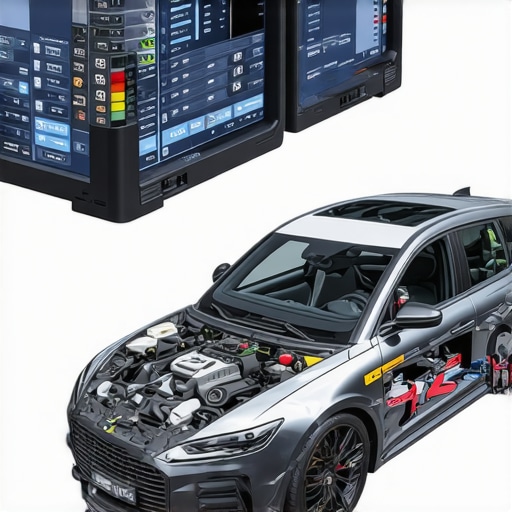
Modern vehicles deploy a myriad of sensors—ABS sensors, wheel speed sensors, and electronic stability controls—that demand meticulous calibration. Faulty calibration can lead to false alerts or unresponsive brakes, jeopardizing safety. Dynamic sensor calibration, performed during real-world driving conditions, ensures precision across diverse scenarios. According to leading automotive safety guidelines, routine calibration maintains system integrity, especially after component replacements or substantial repairs. This process underscores the importance of employing specialized calibration tools and trained technicians, as emphasized by the Vehicle Tech Magazine.
Innovations in Brake Material Science Promise Longer Life
Emerging materials like ceramic matrix composites and integrated graphene layers herald a new era of brake durability and performance. These materials withstand higher temperatures with less thermal fatigue, enabling prolonged use in demanding conditions such as high-performance driving or commercial fleets. Implementing these cutting-edge components requires precise manufacturing processes and compatibility assessments, often necessitating collaboration with specialist suppliers. Industry pioneers suggest that adoption of such materials could reduce maintenance intervals by up to 50%, as reported in the Advanced Materials Journal.
What’s the Future of Sustainable Braking Technologies?
Sustainable innovation explores eco-friendly brake components, such as recycled carbon fibers and bio-based lubricants, which lower environmental impact without compromising safety. Additionally, regenerative braking systems, widely adopted in electric vehicles, convert kinetic energy into electrical energy, enhancing overall efficiency. Experts predict that future brake systems will increasingly integrate energy harvesting with intelligent monitoring, creating a feedback loop that optimizes performance and longevity. This evolution necessitates a comprehensive understanding of both mechanical and electronic system integration, as outlined in the Green Auto Innovations Journal.
Harnessing Data Analytics to Refine Maintenance Schedules
Leveraging big data enables auto technicians to craft personalized maintenance timelines based on driving habits, environmental conditions, and vehicle history. Advanced analytics platforms analyze sensor data and repair records, identifying patterns that inform optimal tune-up and brake service intervals. This tailored approach maximizes component lifespan and enhances safety while minimizing unnecessary interventions. Automakers and aftermarket service providers are increasingly adopting these data-driven methodologies to deliver precision care, as documented in the Auto Tech Data Review.
Cybersecurity Concerns in Automated Brake and Auto Systems
With the surge of connected vehicle systems, cybersecurity becomes paramount, especially for brake controls and engine management modules. Unauthorized access or hacking can compromise vehicle safety, making secure system design essential. Experts advocate for implementing robust encryption protocols, intrusion detection systems, and regular software updates to safeguard against cyber threats. Learning to identify vulnerabilities and ensuring compliance with industry cybersecurity standards is vital for modern automotive service professionals aiming to protect client safety and vehicle integrity. Refer to the comprehensive guidelines in the Automotive Cybersecurity Standards.
Expert Insights & Advanced Considerations
Prioritize Premium Parts for Long-Term Reliability
Using OEM-approved components during tune-ups and brake services ensures compatibility, durability, and safety. Investing in high-quality parts reduces the risk of premature failures and costly repairs down the line, aligning with industry best practices.
Leverage Predictive Diagnostics to Prevent Failures
Integrating AI and machine learning-driven diagnostic tools allows technicians to forecast system issues ahead of time. This proactive approach minimizes unexpected breakdowns, saving vehicle owners time and money while enhancing safety.
Maintain Transparent Service Records
Keeping detailed logs of all auto maintenance activities builds trust and helps identify recurring issues. Transparent documentation ensures accountability and streamlines future servicing needs, reinforcing long-term vehicle health.
Balance Technology and Skilled Labor
While advanced diagnostic equipment is vital, skilled technicians’ expertise remains irreplaceable. Combining cutting-edge tools with professional insight guarantees thorough and authentic service that genuinely extends vehicle lifespan.
Curated Expert Resources
- Automotive Service Excellence (ASE): Recognized certifications that validate technician expertise and commitment to quality.
- Auto Industry Reports on Predictive Maintenance: In-depth case studies and analysis of AI integration in auto repair.
- Manufacturer’s Technical Service Bulletins: Authoritative updates on best practices and technical standards for auto components.
- Trustworthy Automotive Blogs and Journals: Platforms like Auto Care Hub for ongoing expert advice and industry insights.
A Final Word from the Experts
In the realm of auto repair and maintenance, embracing a combination of technological innovation and expert craftsmanship is paramount. Regularly updating your knowledge on the latest strategies around tune-ups and brake service can significantly impact your vehicle’s longevity and safety. Prioritizing OEM parts, leveraging predictive diagnostics, and maintaining transparent records reflect a professional approach that builds trust and delivers real results. For those committed to excellence, ongoing engagement with authoritative resources and industry trends ensures your vehicle remains in peak condition. Take charge now, explore more advanced tips, and contribute your insights to the wider automotive community—because quality service isn’t just a goal, it’s a standard.