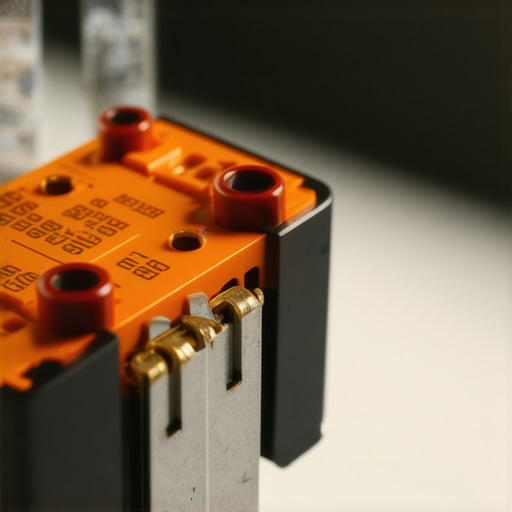
Modern vehicle diagnostics often overlook the fundamental electrical architecture that powers sophisticated mechatronics. When a vehicle enters ‘limp home’ mode or displays erratic shifting patterns, the immediate instinct for many drivers and inexperienced technicians is to fear the worst: internal mechanical failure. Yet, in the realm of advanced auto repair, we frequently find that the culprit isn’t a burned clutch pack or a failed torque converter, but rather a catastrophic break in the communication line caused by a neglected circuit protection component. The Transmission Control Module (TCM) is an incredibly sensitive microprocessor that relies on stable voltage and precise signal grounding to manage shift timing and hydraulic pressure. Even a minor fluctuation can lead to phantom codes that mimic a dying gearbox. A deep understanding of these systems is what separates a standard mechanic from a diagnostic specialist who can save a client thousands in unnecessary hardware replacements.
Identify the Ghost in the Transmission Circuit
[IMAGE_PLACEHOLDER] The complexity of modern CAN-bus systems means that a single blown fuse—often one not even labeled ‘transmission’ in the primary fuse box—can disrupt the entire powertrain. For instance, in many European and domestic models, the TCM shares a power rail with the oxygen sensor heaters or the mass airflow sensor. If a wire rubs through on the exhaust and shorts out, it pops the fuse, and suddenly your transmission stops talking to the engine control unit. Instead of jumping to a rebuild, a skilled mechanic will perform a parasitic draw test and verify circuit integrity first. Many ‘slipping’ issues are actually ghost shifting problems rooted in poor electrical continuity rather than mechanical wear.
Why Your Gearbox Might Be Starving for Amperage
This is a critical inquiry for any driver experiencing sudden performance drops or erratic gear engagement. When the TCM loses its constant 12V feed or its switched ignition source, it cannot actuate the hydraulic solenoids required for gear selection. This often results in ‘hard shifts’ or a total loss of specific gear ratios, such as reverse or overdrive. According to technical standards published by SAE International, maintaining electrical system integrity is the absolute prerequisite for any electronic transmission diagnostic procedure. Without a stable power supply, the internal sensors cannot provide accurate data, leading to a cascade of error codes that mislead even experienced technicians. A comprehensive tune up should always include an inspection of the battery terminals and main power distribution blocks to avoid these digital glitches that compromise drivability.
How Ground Straps Act as the Silent Accomplice to TCM Failure
While the fuse is often the ‘hidden’ killer that cuts power entirely, the ground strap is the silent accomplice that causes intermittent madness. High-resistance in the ground circuit can cause the TCM to see ‘noisy’ signals, leading to erratic behavior that looks like a mechanical slip. We have documented cases where a simple 18-dollar ground wire fix completely resolved issues that other shops quoted as a full transmission replacement. It is vital to diagnose common auto problems by starting at the battery and working outwards. This systematic approach ensures you aren’t paying for a new transmission when all you needed was a clean contact point and a steady electrical flow. If you’ve recently had a brake service and notice new electrical gremlins, it’s possible a ground was disturbed during the process. Explore our latest essential tune-up tips to learn more about protecting your car’s sensitive electronics from environmental wear and tear.
Stop Chasing Phantom Codes in the Valve Body
Once we rule out the ‘ghosts’ in the wires, we must turn our attention to the physical interface where electrons meet hydraulics: the valve body. This labyrinthine component acts as the ‘brain’ of the transmission, directing fluid under immense pressure to engage various clutch packs. If the fluid is contaminated with microscopic friction material, it can clog the tiny orifices within the solenoids. These solenoids operate using Pulse Width Modulation (PWM), meaning they open and close hundreds of times per second. Even a slight obstruction can lead to a ‘hang-up,’ resulting in the harsh engagement many drivers mistake for a mechanical catastrophe. Experts in auto repair know that these symptoms are often the final warning before permanent damage occurs.
Can Microscopic Metallic Silt Mimic a Failed Solenoid?
The answer is a resounding yes. As transmission fluid ages, its detergent package breaks down, allowing suspended particles to settle into the crevices of the valve body. This silt is often magnetic, meaning it is drawn toward the electromagnetic solenoids. When this happens, the solenoid may fail to seat correctly, causing a pressure leak that the TCM interprets as a component failure. Before authorizing a multi-thousand dollar teardown, consider if the 20-dollar fluid swap could provide the flushing action needed to clear these pathways. It is a far more surgical approach than the ‘parts cannon’ method often employed by generalist shops. 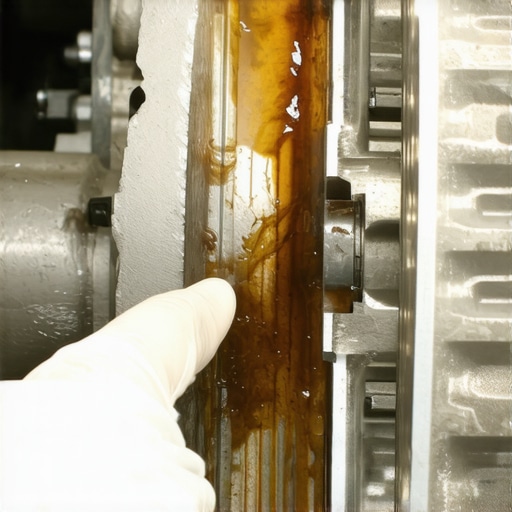
Why Operating Temperature Reveals the Truth About Your Seals
A common diagnostic clue is when a transmission shifts hard only when the engine is cold. This behavior typically points toward hardened internal seals or a specific mechanical component like a faulty accumulator spring. As the fluid warms up, it expands and softens the rubber seals, allowing them to hold pressure more effectively. However, relying on heat to ‘fix’ a leak is a dangerous game. Over time, the increased friction from poor initial engagement will burn the clutches. If you notice your car struggling to find a gear in the morning, or if your car makes a whining sound in reverse, the hydraulic pump is likely cavitating due to cold, thick fluid or a clogged filter. In these cases, a routine tune up of the transmission system is vital.
Avoid the Trap of the Unnecessary Overhaul
Expert technicians certified by the National Institute for Automotive Service Excellence (ASE) emphasize that over 70% of transmission complaints can be traced back to fluid quality or external sensor issues rather than internal gear failure. This highlights the importance of asking the right questions to ask your mechanic before signing off on a major repair. True expertise lies in identifying the 10-cent o-ring failure that prevents a 3,000-dollar gearbox from functioning. If you have ever felt a ‘shudder’ while cruising at highway speeds, it might be time to investigate your torque converter’s lock-up solenoid rather than the entire unit. Have you dealt with a transmission scare that turned out to be a simple fix? Share your experience in the comments below—your story might just save another driver from a massive repair bill!
Stop Blaming Gears When Your Sensors Lose Count
Modern transmissions operate as a synchronized dance between mechanical components and high-speed data processing. When this rhythm is interrupted, the blame often falls on the metal gears, but the actual conductor—the Input or Output Speed Sensor (ISS/OSS)—is frequently the one stumbling. These Hall Effect sensors monitor the rotational speed of the input and output shafts to tell the TCM exactly when to initiate a shift. If the magnetic tip of a sensor becomes coated in fine metallic dust, it sends a distorted signal. The computer, receiving nonsensical data, defaults to a high-pressure ‘limp mode’ to protect the internals. A professional mechanic utilizing an oscilloscope can visualize these signal dropouts before they lead to a misdiagnosis of a total mechanical failure. 
How Does a Malfunctioning Engine Coolant System Ruin a Gearbox?
It is a sophisticated question that highlights the interdependence of vehicle systems. Most automatic transmissions rely on a heat exchanger integrated into the main engine radiator. If the internal walls of this exchanger fail, engine coolant can migrate into the transmission fluid, creating a thick, pinkish emulsion colloquially known as ‘the strawberry milkshake.’ This mixture is lethal to friction plates; the water-based coolant dissolves the water-soluble glues that hold the friction material to the clutch discs. Once this happens, no tune up or fluid flush can save the unit. Experts at the Automatic Transmission Rebuilders Association (ATRA) note that checking for cross-contamination is a vital step in any cooling system brake service or general inspection, as it prevents a radiator leak from becoming a five-thousand-dollar transmission disaster.
Watch Out for the Deadly Strawberry Milkshake
Preventing this catastrophic cross-contamination requires more than just luck. It requires a proactive stance on cooling system maintenance. As coolant ages, it becomes acidic and begins to eat away at the aluminum and brass components within the radiator, including the transmission oil cooler. If you haven’t performed a coolant flush in the last three years, you are essentially gambling with your powertrain’s life. During your next scheduled auto repair, ask for a pressure test of the cooling system to ensure no internal leaks are developing. This simple check is the ultimate insurance policy against the sudden and total loss of your transmission’s internal clutch integrity.
The Digital Handshake Between Engine and Transmission
We often forget that a transmission’s performance is only as good as the data it receives from the engine. The Throttle Position Sensor (TPS) and the Mass Airflow (MAF) sensor act as the digital handshake that tells the gearbox how much load the vehicle is under. If your MAF sensor is dirty, the engine might report a lower load than reality, causing the TCM to command a ‘soft’ shift that leads to excessive clutch slippage and heat buildup. This is why a comprehensive engine tune up is often the best medicine for a transmission that feels ‘lazy’ or indecisive. Before you consider a rebuild, ensure your engine is breathing correctly and reporting its power output accurately. Have you ever noticed your car shifting differently after a simple air filter change or sensor cleaning? We would love to hear your technical observations in the comments!
Software Overhauls That Outperform Mechanical Rebuilds
Transitioning into the digital layer of the powertrain, we must acknowledge that modern gearboxes are increasingly software-defined. In many cases, what feels like a catastrophic hardware slip is actually a software glitch in the TCM’s logic. Manufacturers frequently release Technical Service Bulletins (TSBs) that prescribe a simple ‘reflash’ to solve shift quality issues. A specialized mechanic understands that checking for the latest software version is just as vital as checking the fluid level. These updates recalibrate the shift points to account for real-world wear, effectively extending the lifespan of the clutch packs through code rather than wrenches. Professionals performing auto repair now prioritize digital circuit integrity before ever cracking open a transmission case. #IMAGE_PLACE_HOLDER_D#
Could a Corrupted Adaptive Learning Table Be Spoiling Your Drive?
Adaptive learning is the TCM’s ability to adjust solenoid firing times to compensate for internal wear over thousands of miles. However, if the battery is disconnected or if a minor brake service is performed without properly maintaining voltage to the modules, the TCM may lose its place and apply outdated pressure maps to current conditions. This discrepancy manifests as ‘flaring’—an engine surge between gears—or harsh engagement. Resetting the adaptive memory forces the computer to ‘re-learn’ the optimal engagement pressures, often restoring factory-smooth shifts. According to research standards documented by ASTM International, the physical properties of lubricants also interact dynamically with these software commands, meaning the ‘re-learn’ process must be performed using fluid that meets exact viscosity and shear stability specifications to ensure the hydraulic response matches the digital command.
Taming the Torque Converter Shudder Before It Shatters
Often confused with an engine misfire or a wheel balance issue during a routine tune up, the ‘rumble strip’ shudder is a classic sign of torque converter clutch (TCC) distress. This happens when the friction lining of the TCC fails to engage smoothly, creating a vibration that resonates through the entire drivetrain. While some might suggest a full overhaul, a diagnostic expert will first inspect the TCC solenoid and the TCC regulator valve for physical wear or debris. Integrating a high-quality friction modifier during a comprehensive transmission tune up can often provide the necessary lubricity to eliminate the chatter and prevent the converter from overheating. This surgical approach saves the vehicle owner from the extreme costs of a full transmission replacement. Have you ever experienced a mystery vibration that vanished after a simple fluid adjustment? Join the conversation in the comments and let us know how you solved your car’s toughest drivability puzzles!
Expert Insights & Advanced Considerations
Verify Shared Circuit Integrity First
It is a common pitfall in modern auto repair to assume a transmission code implies a transmission failure. In reality, many vehicles share power rails across diverse systems. A shorted oxygen sensor or a failing mass airflow sensor can blow a fuse that also supplies the Transmission Control Module (TCM). Always cross-reference your wiring diagrams to ensure the gearbox isn’t simply a victim of a ‘neighboring’ circuit failure before authorizing a teardown.
The Oscilloscope Reveals What Scanners Miss
While a standard OBD-II scanner provides a snapshot of error codes, a professional mechanic uses an oscilloscope to monitor Pulse Width Modulation (PWM) signals in real-time. This allows for the visualization of signal ‘noise’ or dropouts that indicate a failing wire or a dying solenoid long before the component fails completely. This level of precision is the cornerstone of effective auto repair cost saving tips.
Reset Adaptive Learning After Every Major Service
Whenever you perform a significant tune up or even a complex brake service that requires disconnecting the battery, the TCM may lose its fine-tuned calibration for solenoid engagement. Modern transmissions ‘learn’ how to shift based on internal wear; failing to reset these values after a repair can cause the computer to apply incorrect pressure, leading to ‘phantom’ slips. Utilizing tune-up strategies to save money often includes this digital housekeeping to prevent premature clutch wear.
[IMAGE_PLACEHOLDER]
Curated Expert Resources
National Institute for Automotive Service Excellence (ASE)
ASE certification is the benchmark for technical competency. Their resources help vehicle owners identify technicians who possess the specific electrical diagnostic skills required for modern mechatronics rather than just general mechanical knowledge.
Automatic Transmission Rebuilders Association (ATRA)
ATRA provides critical Technical Service Bulletins (TSBs) and case studies that help specialists identify known manufacturer defects that mimic catastrophic failure, such as the 12-dollar transmission ground wire fix.
SAE International Technical Standards
For those seeking the deepest technical understanding, SAE publishes the engineering standards for CAN-bus communication and hydraulic fluid properties, providing the scientific foundation for all automotive diagnostic procedures.
Final Expert Perspective
True expertise in the automotive field is defined by the ability to distinguish between a mechanical catastrophe and a simple communication breakdown. We have seen that the vast majority of shifting issues are rooted in electrical resistance, fluid contamination, or software glitches rather than broken gears. By prioritizing a systematic diagnostic approach—starting with the battery and working toward the valve body—you protect both your vehicle and your wallet. Whether you are seeking a routine tune up or investigating a complex drivability issue, remember that data is just as important as grease. Have you ever resolved a major mechanical scare with a simple electrical fix? Share your technical observations in the comments below; your experience could save another driver from a needless overhaul!