The Delicate Feedback Loop of Engine Load and Shift Logic
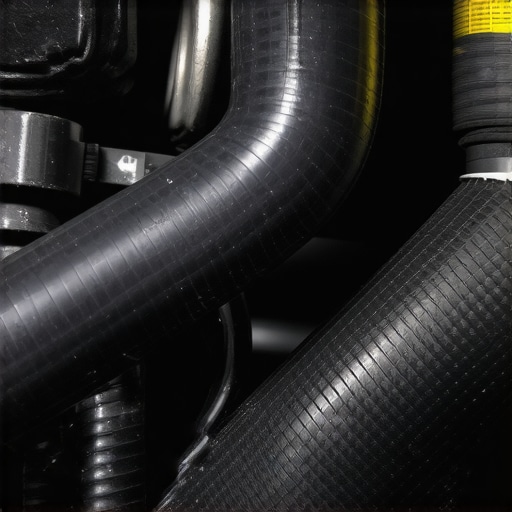
In the high-stakes world of automotive diagnostics, the most frustrating gremlins are those that mask themselves as catastrophic hardware failures. A vehicle that shifts into third gear at twenty miles per hour or exhibits a hunting behavior between ratios is often slated for a full gearbox rebuild by less meticulous shops. However, the architecture of shifting is fundamentally a response to engine load data. Whether through a vacuum modulator in vintage units or the Manifold Absolute Pressure (MAP) sensor in modern electronic drivetrains, the transmission relies on high-fidelity data to determine the precise moment for a gear change. When unmetered air enters the system through a leak, this communication breaks down, leading to what many interpret as phantom slipping or premature upshifting. This atmospheric interference effectively tricks the computer into thinking the vehicle is under a light load, forcing the transmission into its highest possible gear to conserve fuel, even as the engine begins to bog down under the actual weight of the vehicle.
Why does a hairline fracture in a plastic line cause a $3,000 diagnostic panic?
The panic originates from the uncanny similarity between vacuum-related shifting issues and internal mechanical wear. For instance, a leak in the vacuum modulator line on older transmissions can lead to high-pressure spikes or early shifts, perfectly mirroring the symptoms of a failing governor or a worn valve body. In electronic systems, a vacuum leak triggers lean-run conditions that alter the engine’s torque curve, indirectly affecting how the Transmission Control Module calculates shift points. According to the National Institute for Automotive Service Excellence (ASE), diagnosing the engine-side performance issues first is the cornerstone of professional drivetrain service. This prevents the unnecessary replacement of expensive assemblies when the actual fault is a simple atmospheric pressure imbalance. Often, a 7 dollar vacuum hose leak can be the sole reason a car feels like it belongs in the scrap yard.
The Invisible Path of Unmetered Air
Sophisticated diagnostic techniques go beyond simply spraying carb cleaner on hoses and waiting for an idle surge. A truly skilled mechanic will utilize live data streams to monitor fuel trims and MAP sensor frequency. A Short-Term Fuel Trim (STFT) that spikes at idle but stabilizes at higher RPMs is a classic indicator of an intake-side leak that is most prevalent when the throttle plate is closed—exactly when vacuum is highest. This high-level data analysis saves hours of labor and prevents the parts cannon approach to repair that plagues many independent shops. [IMAGE_PLACEHOLDER] If your vehicle is exhibiting these symptoms, analyze our expert-level diagnostic guide to ensure you aren’t paying for a transmission swap when a simple tune up and line inspection is all that is required. The interconnectivity of modern vehicle systems means that a failure in the emissions or intake system can manifest as a drivetrain error, making a comprehensive auto repair strategy essential for modern car owners. Do not let a minor air leak dictate the fate of your transmission; ensure your next brake service or oil change includes a cursory inspection of the vacuum routing to prevent these ghost shifts from occurring.
When a Rusted Ground Strap Mimics a Blown Gearbox
In the digital ecosystem of a modern vehicle, electricity is the lifeblood of logic. While mechanical wear is the primary suspect in shifting issues, the electrical return path—the ground—is often the real culprit. A compromised ground connection creates ‘noise’ in the circuit, which the Transmission Control Module (TCM) interprets as fluctuating sensor data. This can trigger erratic shifting or false error codes that suggest internal clutch failure. Savvy owners know that the 14 dollar ground strap fix can often resolve these ghost shifting problems without opening the transmission case. This phenomenon is particularly prevalent in regions where road salt accelerates corrosion on the chassis, quietly severing the clean communication between the engine and the gearbox. It is a prime example of why checking the basics is part of our most effective auto repair cost-saving tips.
Verify Your Voltage Before Condemning Your Valvetrain
Modern solenoid-operated transmissions are incredibly sensitive to voltage drops. If your alternator is under-charging or your battery is reaching the end of its chemical life, the solenoids may not have the power required to move the internal valves quickly or completely. This delay manifests as a ‘hard shift’ or a slip-bump sensation. Before authorizing a high-ticket teardown, a professional-grade diagnosis must include a charging system sweep. Using a 10 dollar multimeter hack to check for a dying battery can save you thousands. The Society of Automotive Engineers (SAE International) emphasizes that modern pulse-width modulated solenoids require precise voltage integrity to maintain the timing of hydraulic transitions. Without it, even a brand-new transmission will feel like it is failing.
Can a simple fluid swap actually fix a mechanical slip?
There is a common automotive myth that changing fluid in a high-mileage, slipping transmission will ‘finish it off.’ While it is true that fresh detergents can sometimes dislodge debris that was providing friction to worn clutches, the alternative is certain failure. In many cases, the friction properties of the old fluid have simply degraded to the point where they can no longer facilitate proper grip. A targeted 20 dollar fluid swap can often rescue a gearbox that is merely struggling with viscosity issues rather than physical disintegration. Furthermore, if you notice your transmission shifts hard only when the engine is cold, the problem is likely fluid-related or a sticky valve body, both of which are far more affordable than a replacement. Identifying these nuances requires the same precision used to diagnose a bad fuel pump or a failing sensor. Have you ever been quoted for a massive rebuild only to find out a simple sensor or ground wire was the actual fix? Share your diagnostic victories in the comments to help fellow drivers navigate these complex repairs.
Clean Your MAF Sensor Before Overhauling the Clutch Packs
While vacuum leaks are a common culprit for shifting woes, the Mass Air Flow (MAF) sensor is the silent conductor of the modern electronic powertrain. The Transmission Control Module (TCM) doesn’t just guess when to shift; it relies on a constant stream of data regarding how much air is entering the engine to calculate “calculated load.” If your MAF sensor is contaminated with oil from an aftermarket filter or simply coated in road dust, it will report a lower-than-actual airflow. This discrepancy causes the TCM to command lower line pressures because it “thinks” the engine is producing less torque than it actually is. The result? A soft, elongated shift that feels exactly like a slipping clutch pack. Before you commit to a $4,000 rebuild, a $10 can of specialized electronics cleaner and a thorough sensor inspection could restore your shift quality instantly.
Can a clogged exhaust actually trick you into thinking your transmission is dying?
It sounds counterintuitive, but a restricted exhaust system—usually a collapsing catalytic converter—can perfectly mimic a transmission that refuses to upshift. When exhaust gases are trapped, the engine’s volumetric efficiency plummets. As a driver, you instinctively press the accelerator harder to maintain speed, which the TCM interprets as a request for a downshift or a “hold” on the current gear. Because the engine cannot build RPMs against the backpressure, the vehicle stays stuck in a lower gear, leading many to believe the gearbox is “slipping” or “hanging.” According to technical data from the Auto Care Association, verifying engine breathing through a vacuum gauge or backpressure test is a critical step before any drivetrain teardown. If you’ve noticed a significant loss of power accompanied by “late” shifts, check our guide on advanced engine diagnostics before visiting a transmission specialist.
Identify the TCC Shudder Before It Destroys Your Torque Converter
Many drivers report a sensation akin to driving over a “rumble strip” when cruising at highway speeds, typically between 40 and 60 MPH. This is rarely a mechanical failure of the gear sets themselves; rather, it is Torque Converter Clutch (TCC) shudder. This occurs when the friction material on the internal lock-up clutch struggles to maintain a solid connection, often due to degraded fluid or a failing TCC PWM (Pulse Width Modulation) solenoid. This specific vibration is a nuanced symptom that requires a discerning ear. A brake service or tire balance won’t fix it, though many shops will try to sell you those first. Addressing this early with a targeted fluid swap containing highly friction-modified ATF can often resolve the shudder and extend the life of the unit by years.
Capture the Glitch: Why Standard Scanners Miss Intermittent Solenoid Failures
Relying solely on a generic OBD-II code reader is like trying to diagnose a heart murmur with a thermometer. Many intermittent shifting issues are caused by solenoids that are “lazy” rather than dead. These components may function correctly 95% of the time but fail when they reach a specific operating temperature. To catch these, an expert technician uses an oscilloscope to monitor the voltage and current waveforms in real-time. If the waveform shows a “pintle bump” that is out of spec, the solenoid is physically sticking, even if the computer hasn’t tripped a Check Engine Light yet. This level of precision is what separates a parts-changer from a diagnostic specialist. If your car is acting up only after an hour of driving, you need to leverage expert-level data logging to see what the TCM sees during the exact moment of the failure.
Stop Chasing Ghosts and Focus on the Thermal Expansion Trap
The interaction between thermal energy and hydraulic integrity is the final frontier of amateur diagnosis. As transmission fluid reaches operating temperatures—typically between 175°F and 225°F—the viscosity changes, and internal seals expand. A hardened internal D-ring or piston seal might hold pressure while cold, but as the rubber softens with heat, it allows internal ‘bleed-off.’ This results in a flare between gears only after twenty minutes of highway driving. Many owners assume the clutches are gone, but the physical friction material is often intact; it is the hydraulic application of that material that has failed.
Can a Faulty Wheel Speed Sensor Really Trigger a Transmission Fault Code?
The short answer is a definitive yes. In the interconnected architecture of modern vehicles, the Transmission Control Module (TCM) relies on the Anti-lock Braking System (ABS) to verify vehicle speed. If a wheel speed sensor produces an erratic signal—perhaps due to a cracked tone ring or metallic debris—the TCM may lose its ‘confidence’ in the vehicle’s actual velocity. To protect the mechanical internals, the computer may default to a ‘Limp Home’ mode, locking the transmission in second or third gear. This is a failsafe, not a mechanical failure. Before you let a shop drop the pan, ensure your ABS system is communicating clearly; a dirty sensor is a far cheaper fix than a refurbished planetary gear set.
Reset the Brain and Stop Your Gearbox from Learning Bad Habits
Modern shift logic isn’t static; it is adaptive. The TCM monitors ‘shift volume’ and ‘shift time’ constantly, adjusting solenoid duty cycles to ensure every transition remains buttery smooth as the vehicle ages. However, if you perform a significant repair—such as a fluid flush or a sensor replacement—without resetting the Adaptive Learning memory, the TCM will continue to apply old compensation strategies to new components. This leads to harsh engagement and ‘shift hunting.’ According to technical data from the National Highway Traffic Safety Administration (NHTSA), a significant percentage of consumer complaints regarding ‘transmission failure’ are actually resolved by simple software flashes or TSB-mandated updates to the TCM’s shift tables.
When the Cooling System Decides the Fate of the Clutches
We must also consider the ‘silent killer’: the internal transmission cooler located within the radiator. If the barrier between the engine coolant and the ATF breaches, you get the dreaded ‘strawberry milkshake’ effect. The glycol in the coolant dissolves the water-soluble glues holding the friction material to the clutch plates. Once this occurs, the transmission is on a very short fuse. Checking your coolant for signs of oil or your ATF for a milky appearance is a mandatory step in any high-level diagnostic routine. This is why a standard brake service or oil change should always include a fluid clarity check. If you suspect your vehicle is ‘holding’ gears or shuddering under light acceleration, consult our deep-dive into intermittent drivetrain glitches to verify your symptoms against known TSBs. Do not allow a lack of data to lead to a five-figure repair bill; verify the software and the cooling integrity first.
Expert Insights & Advanced Considerations
Heat Expansion Often Triggers Hidden Hydraulic Failures
Many DIYers and novice technicians make the mistake of diagnosing a transmission while it is still on the lift or just around the block. Real-world hydraulic failure often waits for the thermal expansion trap. As internal seals soften with rising temperatures, they lose the ability to hold pressure, leading to gear flares that simply do not exist when the car is cold. This is why a thorough brake service or fluid check should always be preceded by a full-temperature road test to simulate actual driving conditions.
Reset the Computer Before You Pull the Pan
Modern Transmission Control Modules (TCM) are adaptive. They learn the wear patterns of old clutches and adjust solenoid timing to compensate. If you fix a mechanical or sensor issue but fail to clear the adaptive memory, the vehicle will continue to shift as if it were still broken. Before committing to a costly rebuild, tune up your diagnostic strategy by ensuring the software is reset to factory baselines. This prevents the computer from applying old, bad habits to your new components.
Coolant in the ATF Kills Clutches Instantly
The dreaded strawberry milkshake occurs when the internal radiator cooler fails, mixing engine coolant with transmission fluid. Glycol is a powerful solvent for the water-soluble glue that holds friction material to the clutch plates. If you see milky fluid on the dipstick, the internal components are likely dissolving. This is why we recommend checking fluid clarity during every brake service efficiency check or routine oil change.
Curated Expert Resources
National Institute for Automotive Service Excellence (ASE)
This is the gold standard for technician certification in North America. Their resources help you find a mechanic you can trust by verifying that the professional under your hood has passed rigorous, industry-recognized testing on drivetrain logic and electronic diagnostics.
SAE International Technical Papers
For those who want to understand the deep physics of fluid dynamics and solenoid pulse-width modulation, SAE provides the raw data used by automotive engineers. It is the ultimate source for deep-dive technical knowledge that goes beyond standard repair manuals.
NHTSA Safety and Recall Database
Before assuming you have a unique mechanical failure, check the NHTSA database for Technical Service Bulletins (TSBs). Many catastrophic shifting issues are actually known software bugs with manufacturer-issued fixes. [IMAGE_PLACEHOLDER]
Final Expert Perspective
True diagnostic mastery requires looking past the obvious symptoms to find the atmospheric, electrical, or thermal root cause of a failure. Whether it is a 20 dollar fluid swap or a simple sensor cleaning, the most effective auto repair always begins with data analysis rather than a parts catalog. By verifying engine load data, ground integrity, and the software state, you protect your vehicle and your wallet from unnecessary major surgery. What was the ghost in your machine that turned out to be a simple fix? Join the conversation below and analyze our other diagnostic guides to keep your drivetrain running at peak performance.