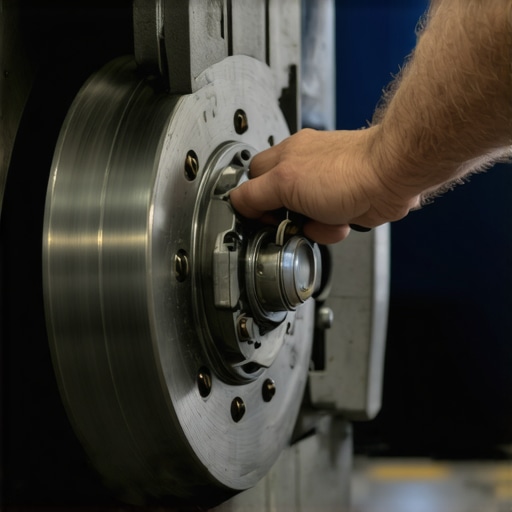
The High Cost of Hydraulic Stagnation
A sticky brake caliper represents more than just a minor annoyance; it is a critical efficiency parasitic loss that directly compromises vehicle dynamics and thermal management. In the world of professional auto repair, we often see drivers ignore the subtle pull to one side or the distinct smell of burning friction material until the damage is irreversible. When a caliper fails to retract properly, the constant contact between the pad and rotor generates a feedback loop of extreme heat. This localized thermal surge can lead to brake fluid boiling, pedal fade, and the eventual crystallization of the friction material. Utilizing effective brake service strategies early on can prevent the catastrophic failure of the entire corner assembly, saving both the rotor and the hub bearing from heat-induced fatigue.
Why do sliding pins seize even when the external dust boots look perfect?
The paradox of the seized caliper often lies within the microscopic environment of the slide pins. Even if the rubber boots appear intact, moisture can permeate the seal via capillary action during high-pressure car washes or deep-water fording. Once inside, this moisture reacts with the existing lubricant, often causing it to emulsify and lose its sheer strength. This leads to galvanic corrosion between the steel pin and the cast iron or aluminum bracket. As an experienced mechanic knows, the resulting oxide layer occupies more volume than the original metal, effectively ‘wedging’ the pin in place. This is why a simple visual inspection is insufficient; true brake maintenance hacks involve physically verifying the lateral float of the caliper at every tire rotation.
The Critical Intervention That Frees a Bound Caliper
The ‘simple move’ that saves a caliper isn’t hitting it with a hammer; it is the systematic restoration of the sliding interface. This involves removing the pins, scouring the bore with a wire brush, and applying a high-temperature, silicone-based ceramic lubricant. Unlike petroleum-based greases, which can cause rubber boots to swell and fail, silicone-based products maintain their viscosity under the extreme heat cycles typical of heavy braking. Integrating this caliper pin grease tip into your routine maintenance can extend the life of your pads by up to 50%. According to technical safety standards published by the National Highway Traffic Safety Administration (NHTSA), maintaining the integrity of the hydraulic foundation is paramount for vehicle stopping distances in emergency maneuvers. If you have noticed a decrease in fuel economy or a vehicle that doesn’t roll freely from a stop, it is time to investigate your calipers before the heat warps your expensive alloys. For those looking to master the art of vehicle longevity, I encourage you to share your own experiences with stubborn hardware or reach out to contribute your professional insights to our growing automotive community.
The Invisible Impact of Brake Pad Tapering
Even with the pins gliding smoothly, a frequently overlooked consequence of past caliper neglect is brake pad tapering. When a caliper is stuck or restricted for an extended period, the pressure isn’t distributed evenly across the friction surface. This results in a wedge-shaped wear pattern that compromises the contact patch and reduces overall stopping power. Simply slapping new pads onto a vehicle without addressing the root cause—or failing to realize the bracket itself might be warped from excessive heat—is a recipe for premature failure. Most DIY enthusiasts and even some hurried shops forget that the 8 brake shims most mechanics toss in the trash are actually vital for noise dampening and heat dissipation. Without these thin stainless steel plates, the piston makes direct contact with the pad backing, creating localized hot spots that can quickly re-seize the system and lead to a frustrating return of that familiar burning smell.
Why does the pedal still feel ‘wooden’ after a successful hardware restoration?
The culprit is often found inside the hydraulic circuit rather than the mechanical sliders. While we focus on the external sliding components, the hydraulic fluid behind the caliper piston is often the most neglected fluid in the entire vehicle. Brake fluid is hygroscopic, meaning it actively absorbs moisture from the atmosphere through the reservoir vent and microscopic pores in the rubber hoses. Over time, this moisture lowers the boiling point and creates internal corrosion within the caliper bore. According to technical data from the Society of Automotive Engineers (SAE), moisture content as low as 3% can reduce the boiling point of DOT 3 fluid by over 100 degrees Fahrenheit, leading to vapor lock during aggressive braking. If you have noticed why your fresh brake fluid turned black in less than a month, it is a clear sign of internal oxidation. This chemical sludge acts like sandpaper on the piston seals, eventually causing the very sticking issues you just tried to solve by greasing the pins.
The Critical Hub Interface Most People Ignore
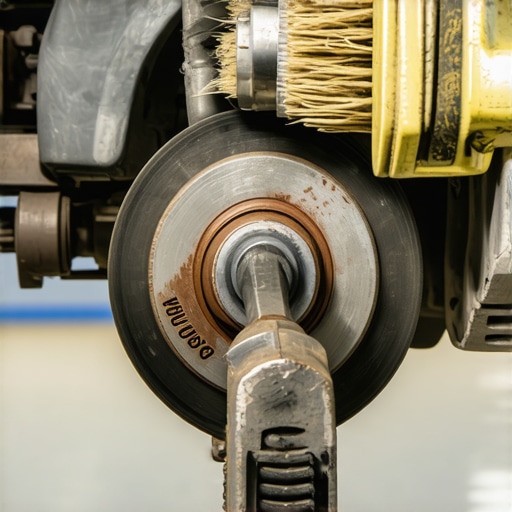
True stopping power depends on the rotor sitting perfectly flush against the wheel hub. Any amount of rust or scale between these two surfaces causes lateral runout—a subtle wobble that pushes the brake pads back into the caliper further than intended. This ‘knock back’ creates a low or spongy brake pedal and can lead to uneven pad wear that perfectly mimics a seized caliper. Performing the 10-minute hub scrub is the only way to ensure the rotor rotates on a true plane. When the internal bore of the caliper develops pits from rust, the square-cut seal can no longer effectively ‘roll’ the piston back when you release the pedal. This is the silent killer of fuel economy. Many drivers overlook this because they are focused on the 15 dollar sensor that fixes your rough idle, not realizing that a dragging brake is essentially like driving with the emergency brake partially engaged. The friction drag forces the engine to work harder, masking the benefits of any recent tune-up. We want to hear from you: have you ever encountered a ‘mystery’ brake pull that turned out to be something other than the caliper? Drop a comment below and help other drivers troubleshoot their stubborn braking systems.
Eliminate the ‘Warped Rotor’ Myth with Real-World Runout Data
While we often blame the caliper for heat-related issues, we must distinguish between a physical ‘warping’ of the metal and Disc Thickness Variation (DTV). DTV occurs when the rotor faces are no longer parallel, often caused by uneven transfer film deposition from a dragging pad. If you feel a rhythmic pulsation through the pedal, you aren’t feeling a bent rotor; you are feeling the caliper piston vibrating as it travels over varying thicknesses of friction material. This is why a proper brake service always involves using a dial indicator to measure lateral runout. Even 0.002 inches of deviation can result in catastrophic pedal feedback over time. If you have been struggling with a persistent shake that returns a month after a tune up, the culprit is likely a hub-to-rotor mating surface that wasn’t properly cleaned during the last install.
Can a Faulty ABS Solenoid Cause a Caliper to Stay Applied?
In modern vehicles, the path from the master cylinder to the caliper is no longer a straight line. It passes through the ABS Hydraulic Control Unit (HCU). If a solenoid valve inside the HCU sticks or fails to return to its home position, it can trap residual pressure in a single brake line, keeping that specific caliper partially engaged even after you lift your foot. This ‘ghost drag’ is one of the most frustrating issues for any mechanic to diagnose because the caliper, pins, and pads all appear healthy. According to the technical service manuals from Brembo, diagnostic procedures for these modern systems require checking live data streams from the pressure sensors to ensure the line pressure returns to zero when the pedal is released. The HCU contains a complex series of check valves and plungers that manage brake pressure during an intervention event. If debris from neglected, moisture-laden fluid finds its way into these tight tolerances, the results are unpredictable. We often find that vehicles equipped with Electronic Parking Brakes (EPB) are particularly susceptible to this, as the motor-on-caliper design introduces another layer of electronic failure. If the EPB motor doesn’t fully retract the internal ball screw, the pads will drag slightly, generating just enough heat to expand the piston and cause a secondary mechanical seizure.
Check the Flexible Lines Before Replacing Expensive Hard Parts
Before you condemn a caliper to the scrap bin, you must perform the ‘hose pinch’ test. Rubber brake hoses are constructed with internal layers that can delaminate over a decade of use. When this happens, a flap of internal rubber can act as a one-way check valve, allowing high-pressure fluid to reach the caliper but preventing it from returning to the reservoir. The caliper stays clamped, the pads smoke, and you assume the piston is seized. By briefly loosening the bleeder screw when the brake is stuck, you can determine the location of the blockage. If the wheel suddenly spins freely once the pressure is released, the problem is ‘upstream’ in the hose, not ‘downstream’ in the caliper. 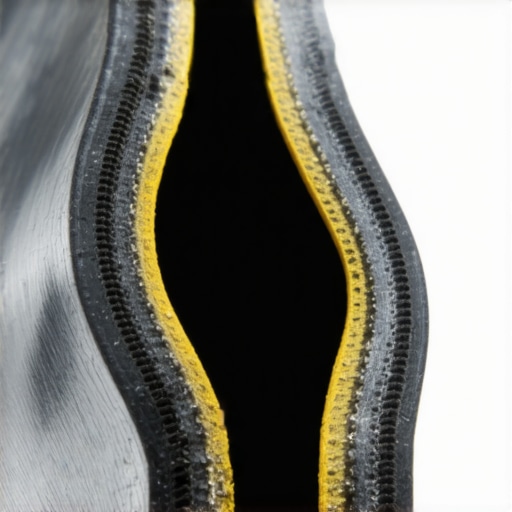 This distinction is the hallmark of professional auto repair, where we prioritize accurate diagnosis over the ‘parts cannon’ approach. High-performance silicone hoses are a common upgrade for those seeking to eliminate this failure point entirely, providing a firmer pedal feel and greater resistance to internal collapse during heavy track use or mountain towing. If you suspect your hoses are failing from the inside out, I’d love to hear about the symptoms you are seeing in the comments below, especially if you have transitioned to braided stainless lines or noticed improvements in pedal response.
Bypass the Guesswork: The Hidden Master Cylinder Internal Leak
While we often focus on the wheel-end components, the master cylinder remains the primary hydraulic conductor. Internal seal degradation can occur without a single drop of fluid touching the driveway—a phenomenon known as internal bypassing. In this scenario, the primary or secondary cup seals lose their ability to hold pressure against the cylinder walls, allowing fluid to sneak back into the reservoir during application. This is why a firm pedal at a stoplight might slowly sink toward the floorboard, even if the calipers are perfectly serviced. This specific failure mode demands immediate attention, as it signals the beginning of a total hydraulic circuit collapse. Expert auto repair requires a nuanced touch to identify these internal leaks before they lead to a complete loss of braking pressure.
Why does the brake pedal travel increase only when the engine is running?
This specific symptom usually points toward the vacuum booster or an issue with the brake pedal linkage ratio. On vehicles with vacuum-assisted power brakes, the booster multiplies the force from your foot. If the internal diaphragm has a hairline fracture or the check valve is failing, the boost levels become inconsistent. However, if the travel increases only under engine load, it often suggests a problem with how the master cylinder is reacting to the increased atmospheric pressure differential. High-level mechanic diagnostics involve isolating the booster from the master cylinder to determine if the ‘long’ pedal is a mechanical stroke issue or a hydraulic displacement problem. If you feel this variation, your booster might be nearing the end of its service life.
Set the Friction Layer for Maximum Bite
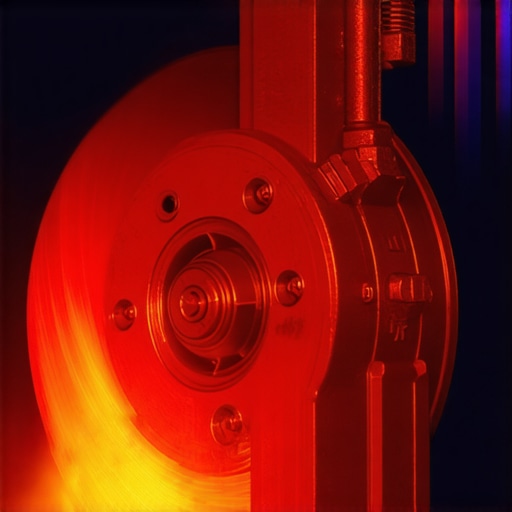
Installing new hardware is only 90% of the job; the final 10% happens on the road. Bedding-in, or burnishing, is the process of depositing a thin, uniform layer of friction material from the pads onto the rotor surface. Without this transfer film, you are essentially rubbing raw metal against raw ceramic or semi-metallic material, leading to localized ‘hot spots’ and the very DTV issues discussed previously. A proper bedding cycle involves a series of controlled decelerations—not full stops—from 60 mph down to 10 mph, allowing the system to reach a critical temperature without coming to a complete standstill. Stopping completely during this process can cause ‘pad imprinting,’ where a clump of material welds itself to the hot rotor, creating a permanent vibration.
As noted in technical briefs by the National Institute for Automotive Service Excellence (ASE), proper friction management is the difference between a brake job that lasts 50,000 miles and one that fails in 5,000. This thermal conditioning stabilizes the resin within the brake pad and ensures the coefficient of friction remains consistent across all operating temperatures. If you’ve ever noticed your brakes feeling ‘greasy’ or less effective immediately after a tune up, it’s likely because the bedding process was skipped. We want to know: do you have a favorite deserted road for bedding in your new brakes, or have you found a specific pad brand that requires a more aggressive heat cycle?
The Ghost in the Machine: How ESC Modulates Pressure Behind Your Back
Modern Electronic Stability Control (ESC) systems have the authority to apply individual brakes without any driver input to correct oversteer or understeer. This means your rear calipers might be working harder than you realize, especially if you have a heavy foot in the corners. If a steering angle sensor or a lateral G-sensor is slightly out of calibration, the computer may ‘drag’ a specific wheel to maintain the vehicle’s trajectory, leading to mystery heat and premature pad wear on just one corner. This is why a comprehensive inspection must include a scan of the ABS/ESC module for ‘soft’ codes that don’t trigger a dashboard light but indicate the system is intervening more often than necessary. Relying on traditional mechanical intuition alone is no longer enough; we must bridge the gap between the physical wrench and the digital diagnostic tool to keep modern braking systems at peak efficiency. Join the conversation in the comments and let’s refine our collective shop techniques together.
Expert Insights & Advanced Considerations
Stop Blaming the Metal for Pedal Pulsation
True rotor warping is an exceedingly rare phenomenon in modern metallurgy; what most drivers identify as a warped disc is actually uneven transfer film deposition or cementite formation. When a mechanic performs a high-quality brake service, they are not just replacing parts but managing the friction interface. If a hot pad remains clamped to a stationary rotor after a hard stop, it can leave a footprint of material that creates a thickness variation. For those struggling with a soft response, implementing the 11 master cylinder bench bleeding hack is often the only way to restore a rock-solid feel, especially if you have been wondering why your brake pedal feels spongy even after a professional bleed.
Silicone Lubrication Prevents Costly Rubber Swell
One of the most frequent errors in DIY auto repair is using petroleum-based grease on caliper slide pins. Petroleum causes the EPDM rubber boots to swell and eventually tear, allowing moisture to seize the pin. A professional-grade ceramic or silicone lubricant is the only choice for maintaining long-term lateral float. This small procedural detail ensures that your brake pads wear evenly and prevents the localized overheating that ruins a fresh tune up and leads to premature hardware failure.
#IMAGE_PLACEHOLDER_E#
The Internal Check Valve Hidden in Your Rubber Hoses
Before condemning a caliper as ‘seized,’ an expert technician will always check the flexible brake hose for internal delamination. Over time, the inner lining of the hose can collapse, acting like a one-way check valve that allows fluid to apply the brake but prevents it from returning to the reservoir. This creates a ghost drag that mimics a stuck piston. Identifying this early saves the driver from buying a caliper they didn’t need and is a hallmark of superior diagnostic skills.
Curated Expert Resources
To further refine your automotive knowledge, I recommend consulting these authoritative industry pillars. The National Institute for Automotive Service Excellence (ASE) offers the most comprehensive technical benchmarks for brake system theory and repair. For safety data and defect history, the NHTSA Recalls Database is an invaluable tool for identifying if your vehicle’s braking issues are part of a wider manufacturing trend. Additionally, Brembo’s Technical Guides provide world-class insights into friction coefficients and the science of thermal dissipation in high-performance braking systems.
Final Expert Perspective
Reliable stopping power is never the result of a single component; it is the product of a healthy hydraulic ecosystem and precise mechanical clearances. Whether you are performing a routine tune up or diagnosing a complex ABS fault, prioritizing the integrity of your fluid and hardware interfaces is non-negotiable. A thorough brake service remains the most vital safety procedure any owner can invest in. I encourage you to stay vigilant regarding the health of your system, particularly by investigating why your fresh brake fluid turned black in less than a month, as this is often the first warning of internal system decay. If you have encountered a stubborn braking mystery or have a tip from the shop floor, join the discussion below and let’s keep our roads safer through shared expertise.