Ensuring Safety and Efficiency Through Regular Brake Maintenance
Maintaining optimal brake performance is fundamental to vehicle safety and operational longevity. Regular brake service not only prevents unexpected failures but also extends the lifespan of critical components, reducing long-term costs. This proactive approach aligns with industry standards such as ISO 9001 for quality management and adheres to safety regulations that mandate periodic vehicle inspections. This article provides a comprehensive overview of why consistent brake maintenance is essential and explores the technical and practical aspects that vehicle owners and service providers must consider.
Identifying the Challenges of Neglected Brake Systems
Brake systems are subject to continuous wear and tear due to friction, environmental conditions, and driving habits. Over time, these factors lead to decreased braking efficiency, increased stopping distances, and potential safety hazards. Common issues include brake fade, rotor warping, and pad degradation, which if left unaddressed, can result in costly repairs or accidents. The challenge lies in timely detection and intervention, emphasizing the importance of routine inspections and maintenance schedules.
Why Is Regular Brake Service Critical for Vehicle Safety and Performance?
Regular brake service ensures that components such as pads, rotors, calipers, and hydraulic systems operate within optimal parameters. It minimizes the risk of brake failure during critical moments, especially in emergency braking scenarios. Proper maintenance also ensures compliance with local regulations and insurance requirements, which often stipulate periodic safety checks. For an in-depth understanding of effective brake strategies that extend component lifespan, refer to Brake Service Strategies That Save You Money and Extend Brake Life.
Establish a Maintenance Schedule
Assess Manufacturer Recommendations
Consult the vehicle’s owner manual or manufacturer guidelines to determine the recommended intervals for brake inspections and replacements, typically every 10,000 to 15,000 miles.
Implement Routine Inspections
Schedule biannual or annual brake inspections with a certified technician, especially before long trips or seasonal changes, to catch early signs of wear.
Conduct Detailed Brake System Checks
Inspect Brake Pads and Shoes
- Measure thickness using a micrometer or brake gauge, ensuring minimum thickness does not fall below 3mm for pads and shoes.
- Look for uneven wear patterns or cracks.
Examine Rotors and Drums
- Check for warping, scoring, or cracks.
- Use a dial indicator to measure rotor runout, maintaining tolerances within 0.05mm as per industry standards.
Evaluate Hydraulic Components
- Inspect brake fluid level and condition; replace if contaminated or over two years old.
- Check hydraulic lines for leaks, cracks, or swelling.
Replace and Repair Components Appropriately
Replace Worn Brake Pads and Shoes
Use OEM or high-quality aftermarket parts, ensuring compatibility and adherence to manufacturer specifications.
Resurface or Replace Rotors
If rotors are warped or scored beyond repair, replace them; resurfacing is an alternative if warping is minimal and within specifications.
Service Hydraulic System
Flush and replace brake fluid according to ISO 9001 standards, typically every 2 years, to prevent moisture buildup and ensure hydraulic integrity.
Utilize Diagnostic Tools and Testing Procedures
Employ Brake Lathe and Balancing Equipment
Use specialized tools to ensure rotors are within tolerance and balanced properly to prevent vibrations.
Perform Road Tests
Conduct controlled braking tests to confirm system responsiveness, pedal feel, and absence of noise or vibration.
Document Service Records for Compliance
Maintain detailed logs of inspections, repairs, and replacements to ensure traceability and compliance with safety regulations such as the Federal Motor Vehicle Safety Standards (FMVSS) or equivalent local legislation.
Risks of Overlooking Brake System Details
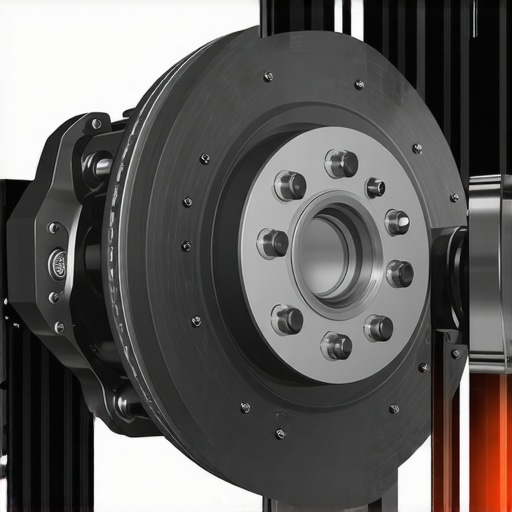
Even experienced technicians can fall into traps when diagnosing brake issues, especially if they rely solely on visual inspections without considering deeper system nuances. Common pitfalls include misdiagnosing brake pad wear when rotor warping is the actual culprit, or overlooking hydraulic contamination that causes pedal softness. Additionally, neglecting to consider environmental impacts like road salt or moisture can accelerate corrosion, leading to unpredictable brake performance. These overlooked factors can cause critical safety failures if not properly addressed during maintenance.
Compare Brake Service Methods
Method A involves traditional visual inspections combined with manual measurements and subjective assessments. It is cost-effective but can miss subtle issues such as internal hydraulic leaks or early-stage rotor warping. Method B leverages advanced diagnostic tools, including electronic brake analyzers and ultrasonic testing, providing a more comprehensive evaluation. While more expensive upfront, Method B significantly reduces the risk of oversight, ensuring that no problem goes unnoticed and enhancing long-term safety and reliability.
How Can You Resolve Conflicts Between Brake Noise and Performance?
If you notice brake squeal despite recent pad replacement, the issue might stem from improper installation, uneven pad seating, or rotor surface irregularities. First, confirm that the pads are correctly installed, with proper lubrication on contact points. Next, perform a bedding-in process to ensure uniform pad-to-rotor contact. If noise persists, inspect rotors for uneven wear or warping, and consider resurfacing or replacing them. Addressing these conflicts early can prevent further damage and maintain optimal braking performance.
Common Mistakes That Compromise Brake Safety
One of the most frequent errors amateurs make is neglecting hydraulic fluid quality, which can lead to brake fade or failure under heavy use. Another mistake is ignoring uneven pad wear, often caused by caliper sticking or misalignment, resulting in reduced braking efficiency and rotor damage. Also, many overlook the importance of torque specifications during component reassembly, risking loose parts that can cause vibrations or leaks. These pitfalls emphasize the need for meticulous attention during maintenance to uphold safety standards.
Navigating the Complexities of Brake System Variability
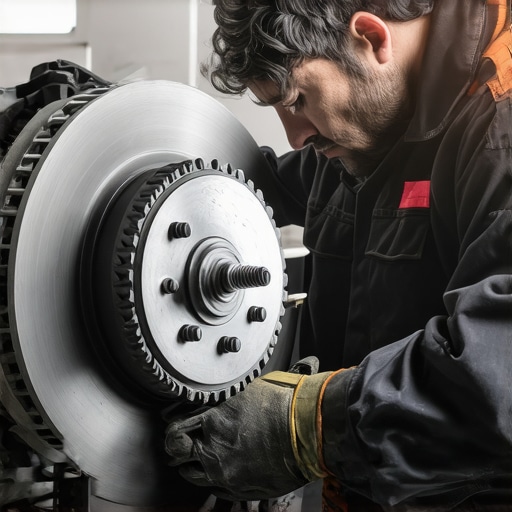
Vehicle models and driving conditions introduce nuances that can complicate brake maintenance. For instance, high-performance cars may have specialized rotors and calipers requiring precise torque and specific lubricants, while older vehicles might suffer from corrosion-related issues that standard procedures don’t address adequately. It’s essential to tailor maintenance practices to the vehicle’s particular needs, incorporating manufacturer recommendations and industry standards such as ISO 9001 for quality assurance. Recognizing these nuances helps prevent costlier repairs down the line and sustains vehicle safety.
Planning for Long-Term Savings and Safety
Adopting a strategic approach to brake maintenance involves not only adhering to manufacturer schedules but also integrating predictive analytics and condition-based monitoring. Implementing these advanced strategies enables fleet managers and individual vehicle owners to anticipate issues before they become costly repairs, thereby optimizing safety and reducing downtime. This proactive mindset aligns with the evolving landscape of automotive safety standards and regulatory requirements, which increasingly emphasize preventive maintenance.
Maximizing Return on Investment with Strategic Maintenance
Investing in high-quality parts, cutting-edge diagnostic tools, and trained technicians yields significant long-term benefits. While the initial expenditure may seem higher, the reduction in emergency repairs, downtime, and safety incidents offers a compelling ROI. According to a 2023 market forecast, the global vehicle maintenance market is expected to grow at a CAGR of 5.2%, reflecting increased demand for sophisticated, cost-effective maintenance solutions
Is Investing in Premium Brake Solutions Worth It
Premium brake components and diagnostic equipment often come with higher upfront costs, but they provide enhanced durability, better performance, and faster diagnostics. These benefits translate into lower total ownership costs and improved safety margins over the vehicle’s lifespan. Conducting a cost-benefit analysis tailored to your fleet size or driving habits can clarify the financial advantages of upgrading to premium solutions.
Leveraging Advanced Tools and Software
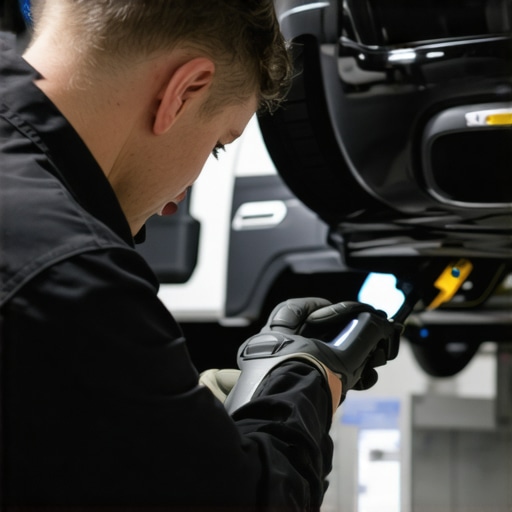
Modern maintenance relies heavily on integrated software platforms that facilitate scheduling, record-keeping, and real-time diagnostics. Fleet management systems such as Fleetio, Samsara, or OEM-specific diagnostic tools enable continuous monitoring of brake system health, alerting operators to potential issues before failure. These tools help scale maintenance efforts efficiently, ensuring consistent safety standards across multiple vehicles or locations.
Building a Maintenance Ecosystem for Sustainability
Creating a comprehensive maintenance ecosystem involves training staff, establishing partnerships with certified service providers, and investing in data-driven decision-making processes. This ecosystem supports regular audits, continual improvement, and compliance with evolving safety regulations. The result is a resilient maintenance strategy that sustains vehicle safety, maximizes asset lifespan, and ensures regulatory adherence.
Adapting to Emerging Trends and Regulations
As automotive technology advances, regulations are tightening around safety, emissions, and component durability. Trends like electric vehicles and autonomous systems introduce new maintenance challenges requiring specialized tools and expertise. Staying ahead of these trends by adopting innovative diagnostic solutions and updating maintenance protocols ensures long-term compliance and safety, positioning your operation as a leader in vehicle safety management.
<
Technical Questions on Brake Maintenance
What are the key indicators of brake system deterioration that might be missed during visual inspections?
Indicators such as subtle vibrations during braking, unusual noises, or a soft pedal feel can suggest internal hydraulic leaks, rotor warping, or pad misalignment that visual inspections alone might overlook. Employing diagnostic tools enhances detection accuracy.
How does brake fluid contamination affect overall braking performance?
Contaminated brake fluid can lead to moisture buildup, reducing hydraulic pressure and causing brake fade or failure, especially under heavy use. Regular fluid replacement, typically every 2 years, mitigates this risk.
What are the advantages of ultrasonic testing for brake rotor inspection?
Ultrasonic testing provides precise detection of internal cracks and thickness variations, allowing technicians to identify issues before surface symptoms manifest, thus preventing unexpected failures.
Can advanced diagnostic tools prevent costly brake repairs?
Yes, tools like electronic brake analyzers and brake lathe devices allow for early problem detection and precise component assessment, reducing the likelihood of costly repairs and enhancing safety.
How often should fleet vehicles undergo comprehensive brake system audits?
Fleet vehicles should be inspected biannually or after every 20,000 miles, whichever comes first, to ensure ongoing safety and compliance with industry standards.
Industry Standards & References
- ISO 9001: Quality management systems emphasizing process consistency and continuous improvement, vital for maintaining high safety standards in brake maintenance.
- Federal Motor Vehicle Safety Standards (FMVSS): Regulatory benchmarks that vehicles must meet, including specific requirements for brake system performance and inspections.
- SAE International Guidelines: Technical standards for automotive engineering, including brake system diagnostics and repair procedures.
Adhering to these standards ensures compliance, enhances safety, and promotes best practices in brake maintenance.
Maximizing ROI with Brake System Precision
Implementing rigorous inspection protocols, leveraging advanced diagnostic tools, and training staff ensures vehicle safety and reduces long-term costs. By proactively addressing issues, you prevent breakdowns, extend component lifespan, and maintain regulatory compliance. This strategic approach guarantees that your maintenance investments translate into operational efficiency and safety excellence. For tailored advice, consult with industry experts or certified service providers to optimize your brake maintenance strategy.
},