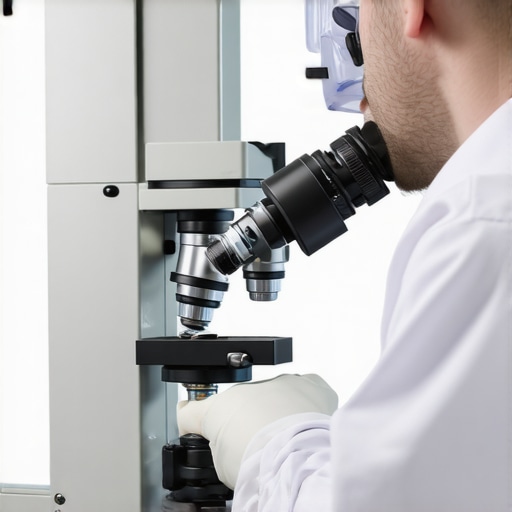
Ensuring Optimal Brake Performance through Advanced Fluid Analysis in 2026
In the evolving landscape of automotive safety, the significance of precise brake maintenance cannot be overstated. As vehicles become more technologically sophisticated, maintenance protocols such as brake fluid testing must advance beyond traditional visual inspections. The necessity for a detailed copper fluid test during 2026 brake services embodies this progression, facilitating early detection of corrosion and preventing catastrophic failures.
The Nuanced Role of Copper in Brake Fluid Durability
Cupronickel alloys, commonly used in automotive components, can serve as indicators of corrosion levels within brake systems. When brake fluid interacts with metallic components, especially under the high-temperature conditions of braking, the release of copper ions signifies material degradation that could compromise safety. Implementing a dedicated copper test during service enables mechanics to quantify corrosion levels with precision, aligning with industry standards such as those outlined by the Society of Automotive Engineers (SAE).
Expert Insights into the Limitations of Conventional Brake Fluid Checks
Traditional methods often rely on visual color or smell to assess fluid health, which are inadequate for early corrosion detection. Advanced analytical approaches, like inductively coupled plasma mass spectrometry (ICP-MS), facilitate the detection of trace copper levels that otherwise elude standard tests. Automotive professionals emphasizing these techniques underscore their role in preemptive maintenance strategies, especially considering that knowing when to seek brake service is evolving into a matter of sophisticated diagnostics rather than simple symptom observation.
How a Copper Test Enhances Overall Brake System Longevity
By integrating copper fluid analysis into routine inspections, mechanics can assess corrosion propensity within calipers, brake lines, and master cylinders. Early intervention based on these analytical results extends component lifespan, reduces potentially costly repairs, and maximizes safety. Knowledge from expert writings suggests that proactive diagnostics—such as deploying such tests—are integral to high-trust auto repair practices, especially with the increased complexity of hybrid and electric vehicles impacting brake material endurance.
What Are the Practical Challenges and Future Directions of Copper Testing in Brake Services?
Can Copper Fluid Tests Become Standard Practice in All Service Centers by 2026?
This question reflects ongoing industry debates regarding the feasibility, cost-effectiveness, and skill requirements of conducting advanced diagnostics broadly. Currently, specialized equipment and trained personnel are necessary, which may limit widespread adoption. However, the compelling benefits in safety and durability make a strong case for integrating these tests into cost-saving repair strategies.
To remain at the forefront of tech-driven auto maintenance, industry practitioners and vehicle owners should explore expert resources, adopt emerging diagnostic tools, and contribute insights into best practices. For detailed guidelines on incorporating digital precision in brake diagnostics, see the comprehensive brake service improvement strategies.
As the automotive environment shifts increasingly towards digital integration, staying informed on complex diagnostic testing—like copper fluid analysis—becomes not just a best practice but a standard determinant of safety, longevity, and trustworthiness.
For automotive technicians aiming to elevate their diagnostic acumen, engaging with advanced testing procedures ensures sustained reliability in brake maintenance and a superior safety profile for clients’ vehicles.
Why Embracing Digital Tools Transforms Brake System Longevity
As automotive technology advances, traditional brake inspection methods are giving way to innovative digital diagnostics that promise higher precision and predictive capabilities. Utilizing tools like advanced copper fluid analysis coupled with onboard sensors can reveal subtle corrosion patterns and fluid degradation stages far earlier than visual assessments. In this context, embracing such technology aligns with industry movements towards competent, tech-savvy mechanics committed to longevity and safety.
The synergy of Data and Expertise in Brake System Monitoring
Modern vehicles increasingly incorporate integrated diagnostic systems that continually collect data on brake component health. These systems analyze parameters like brake fluid temperature, pressure fluctuations, and copper ion concentrations to generate real-time alerts. For automotive professionals, understanding and interpreting this data requires specialized training, but the payoff is substantial—preventing failures before they occur. It also aligns with current myth-busting efforts that emphasize data-driven diagnostics over guesswork.
Overcoming Barriers to Implementing High-Tech Brake Diagnostics
Despite the clear benefits, barriers such as high initial costs, limited technician expertise, and logistical challenges hinder widespread adoption. For example, implementing comprehensive copper testing technologies may require significant investment in equipment and training. However, industry experts advocate for phased integration strategies, starting with high-value clients or fleet services—where safety and uptime are critical—and expanding as technology matures. This approach echoes the insights from choosing skilled mechanics who stay ahead of technological trends.
How Can Innovative Diagnostics Shape the Future of Brake Service Standards?
Is 2026 Ready for the Shift Towards Predictive Brake Maintenance?
This crucial question challenges industry stakeholders to rethink current standards and consider the shift from reactive to predictive maintenance practices. As sensors and analytical algorithms evolve, the concept of diagnosing brake issues proactively will become the norm, significantly reducing roadside failures and repair costs. Leading automotive engineers, as documented in auto repair trend reports, forecast a future where vehicle health management relies less on human detection and more on AI-driven analytics. Preparing for this transition involves continuous training, equipment upgrades, and a commitment to data accuracy.
If you’re an auto repair professional or a vehicle owner eager to stay at the forefront, exploring these cutting-edge diagnostic methods now ensures longer-lasting brake systems, increased safety, and greater trustworthiness. Discover more about elevating your vehicle maintenance approach by visiting our contact page and engaging with industry experts.
Pushing the Boundaries of Brake System Diagnostics with Cutting-Edge Analytics
As automotive engineers and technicians push the envelope of safety and longevity, the integration of sophisticated diagnostic tools emerges as a game-changer. Beyond copper testing, recent advancements encompass a suite of integrated sensors and AI-driven predictive models that interpret complex data streams, revolutionizing maintenance schedules. For instance, real-time monitoring of copper ion levels integrated with vehicle telematics can predict imminent brake failures with startling accuracy, allowing for preemptive service interventions that were once unimaginable.
Synergy Between Material Science and Diagnostic Innovation
Groundbreaking research in material science underscores that the microstructure of brake components influences corrosion susceptibility. Recent studies published in the Journal of Automotive Materials reveal how nano-engineered coatings on caliper surfaces inhibit copper ion leaching, extending service intervals. When combined with advanced diagnostic analytics, these innovations enable a holistic approach—where understanding material behavior informs diagnostic thresholds, leading to customized maintenance for each vehicle model and usage profile.
Addressing the Nuances: How Do External Variables Affect Copper Analysis? (A Deep Dive into Complex Interdependencies)
Environmental factors—such as humidity, road salt exposure, and temperature fluctuations—interact complexly with brake system components, influencing copper ion release rates. Oceanic climates, for instance, accelerate corrosion, skewing diagnostic readings if uncorrected. Leading researchers suggest multi-parametric modeling that accounts for these external variables, enhancing the fidelity of copper diagnostics. For example, integrating environmental sensor data with copper test results can produce context-aware assessments, significantly reducing false positives and enabling targeted interventions.
Establishing Standards for the Future: Are Industry Guidelines Keeping Pace?
To embed these technological leaps into routine practice, authoritative bodies like SAE International are developing comprehensive standards that specify diagnostic thresholds, environmental correction factors, and calibration protocols. A recent consensus document emphasizes that for copper testing to become a reliable cornerstone of brake maintenance, standardized procedures must mitigate inter-laboratory variability. As these guidelines crystallize, they will serve as a foundation for widespread adoption, culminating in a universally consistent approach that enhances safety and trust.
Can We Achieve Real-Time Copper Surveillance Without Overburdening Service Centers?
This question underscores the challenge of balancing technological sophistication with operational practicality. Emerging solutions involve compact, portable analyzers employing microfluidic and photonic technologies that deliver rapid copper assessments on-site. While promising, these devices require rigorous validation and technician training to ensure accuracy. Investing in such user-friendly tools could democratize advanced diagnostics, making real-time surveillance a standard component across both high-end and budget service centers.
For industry insiders and forward-thinking technicians, embracing these innovations now will not only elevate diagnostic precision but also position your practice at the forefront of auto safety evolution. To stay updated on the latest breakthroughs and standards, consider subscribing to specialized journals such as Auto Safety Science Review and engaging with professional workshops tailored to diagnostic innovation.
Beyond Copper: Holistic Approaches for Diagnosing Brake System Integrity
While copper testing remains vital, integrating it within a broader diagnostic ecosystem—encompassing ultrasonic testing, fluid viscosity analysis, and thermal imaging—can yield comprehensive insights. Multi-modal diagnostics facilitate a layered understanding, enabling technicians to pinpoint issues with unprecedented accuracy. As automation and AI become more prevalent, the future of brake system diagnostics will likely feature fully integrated health dashboards, providing predictive alerts and maintenance scheduling with minimal human intervention, fundamentally transforming auto repair paradigms.