Elevating Brake Maintenance: The Next Level of Auto Repair Precision
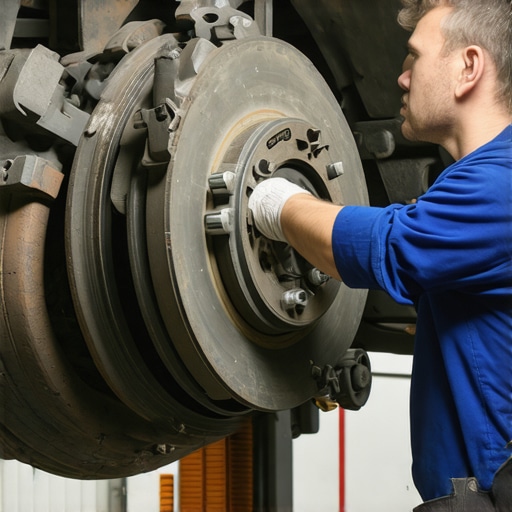
In the rapidly evolving landscape of automotive technology, brake systems stand as a critical junction of safety, performance, and longevity. Merely replacing worn pads no longer suffices; modern vehicles require an integrated approach that emphasizes diagnostic acumen, component compatibility, and future-proofing. As automotive experts recognize, a comprehensive brake service in 2026 must transcend conventional methods to address emerging complexities within digital sensor integration and material advancements.
Understanding the Hidden Layers of Brake System Degradation
What Are the Less Obvious Failures Compromising Brake Safety?
While visible wear on brake pads indicates an urgent need for service, deeper issues often lurk beneath the surface—such as caliper immobilization, warped rotors, or corrosion of ABS sensors. These subtler failures can lead to uneven braking, increased stopping distances, or even total system failure if not diagnosed with advanced techniques like ultrasonic testing or electronic diagnostics. Industry analyses indicate that neglecting these factors contributes significantly to premature component failure and safety risks.
The Implications of Material Innovations on Brake Longevity
Advancements in brake pad composites and rotor coatings have revolutionized repair strategies. For instance, ceramic pads promise quieter operation with longer lifespan, but they demand precise installation and calibration. Ignoring these nuances can lead to accelerated wear or incompatibility issues. An understanding of material science, as outlined by reputable sources like the SAE International journal, is essential for mechanics aiming to optimize service quality and vehicle safety.
Integrating Digital Diagnostics Into Brake Service Workflows
The rise of computerized brake systems necessitates that skilled technicians employ diagnostic tools capable of interpreting complex sensor data. This integration facilitates accurate assessments of ABS functionalities, brake force distribution, and system calibration. Conducting software updates and calibrations during brake service can prevent subtle malfunctions that compromise vehicle control, especially in vehicles equipped with driver-assist systems.
Why Merely Replacing Parts Might Sabotage Future Reliability
Are parts swaps enough to ensure lasting brake performance? Not taking a holistic approach, especially in 2026, risks overlooking underlying issues such as hydraulic fluid degradation or sensor misalignment. Industry experts advise that a combination of thorough inspection, component testing, and system calibration offers a more reliable path to brake system sustainability. This thoroughness not only improves safety but can also reduce long-term repair costs, as supported by insights from trusted auto repair cost-saving experts.
For professionals committed to delivering premium service, exploring comprehensive brake maintenance strategies is paramount. Ensuring that each aspect—from material compatibility to electronic diagnostics—is addressed can markedly extend vehicle safety and performance. To delve deeper into best practices or contribute your own insights, consider visiting our contact page.
Harnessing Cutting-Edge Technology to Uncover Hidden Brake System Issues
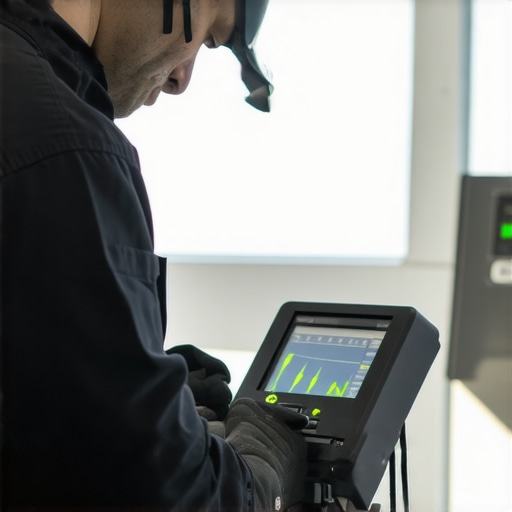
As vehicles become increasingly sophisticated, traditional inspection methods may fall short of identifying complex or concealed problems within brake systems. Modern diagnostic tools leverage ultrasonic testing, magnetic flux, and electronic sensor analysis to detect anomalies such as micro-cracks in rotors or subtle hydraulic fluid leaks. By integrating these technologies into routine maintenance, technicians can prevent costly failures and enhance safety. For a comprehensive understanding of these advancements, industry publications like the SAE International website offer invaluable insights into emerging diagnostic innovations.
Why Do Some Brake Repairs Fail to Deliver Long-Term Results?
Often, short-lived repairs stem from piecemeal approaches that overlook systemic issues. For example, replacing rotors without addressing underlying caliper corrosion or hydraulic contamination can lead to accelerated wear of new parts. Additionally, neglecting system calibration or sensor reinitialization after component replacement leaves residual errors that compromise brake performance. Experts highlight that adopting a holistic repair mindset—pairing part replacement with system diagnostics and calibration—substantially improves durability and safety. Curious how to optimize your brake service routine? Explore expert advice at our trusted repair tips.
Have modern diagnostic tools truly transformed brake service reliability?
Absolutely. The adoption of digital diagnostics not only enhances precision but also reduces guesswork, enabling early detection of issues before catastrophic failure occurs. As vehicle electronics continue to evolve, staying abreast of diagnostic software updates and sensor calibration procedures becomes vital for mechanics seeking to uphold high standards. Continuous education and investment in advanced diagnostic equipment—highlighted by industry leaders—is crucial for maintaining competitive edge and customer trust.
Sharing experiences or asking questions about integrating new diagnostics? Join the conversation on our contact page and contribute to the collective knowledge of auto care professionals.
,
Leveraging AI and Data Analytics to Predict Brake Failures
In the realm of high-precision automotive maintenance, the integration of artificial intelligence (AI) and data analytics plays a pivotal role in preemptively identifying potential brake system failures. Modern vehicles equipped with connected sensors generate a wealth of operational data, enabling predictive maintenance models that forecast issues before they manifest physically. Experts at McKinsey & Company highlight that implementing machine learning algorithms can analyze trends in brake wear, hydraulic pressure fluctuations, and sensor anomalies, offering technicians actionable insights for preemptive intervention—reducing downtime and enhancing safety.
How do predictive analytics revolutionize traditional brake service strategies?
Instead of reactive repairs driven solely by driver complaints or visual inspections, predictive analytics shift maintenance toward proactive scheduling, optimizing resource allocation, and minimizing unexpected breakdowns. By continuously monitoring vehicle telemetry, service teams can prioritize repairs based on risk assessments, ultimately extending component lifespan and maintaining peak performance. For example, integrating real-time data streams with cloud-based analytics platforms allows for continuous triage and alerting systems, a technique increasingly adopted by fleet managers aiming for zero-downtime operations.
Material Science: Next-Generation Brake Components and Their Diagnostic Challenges
As composite materials and nanotechnology emerge in brake manufacturing, diagnostic complexity escalates. Advanced ceramics, carbon composites, and novel coatings provide superior durability but introduce new variables that complicate standard inspection protocols. For instance, subsurface cracks in ceramic rotors may elude ultrasonic detection unless coupled with high-resolution 3D imaging or thermal infrared analysis. Automotive engineers emphasize that understanding how these new materials respond under stress and environmental factors is essential for designing effective diagnostic procedures, referencing research published in the International Journal of Vehicle Design.
Addressing Calibration and System Synchronization in Modern Brake Repairs
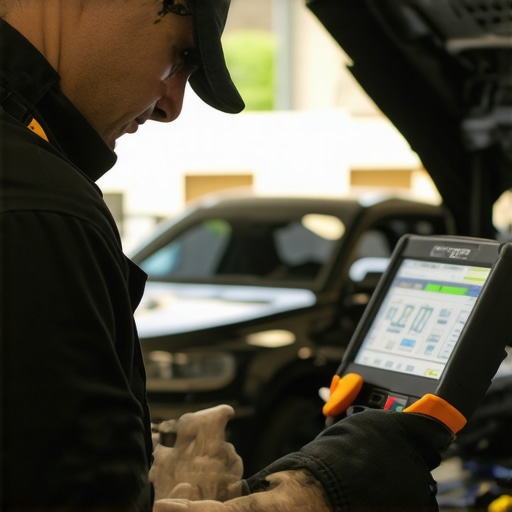
Contemporary vehicles often possess integrated electronic brakeforce distribution (EBD) and stability control modules that demand precise calibration post-repair. Neglecting this calibration can lead to disparities in brake response, compromising vehicle control. Techniques such as targetted system reinitialization, sensor alignment, and firmware updates must now be standard practice. Advanced diagnostic tools enable technicians to perform these calibrations efficiently, ensuring the electronic components remain synchronized with physical brake actions—an essential step in maintaining vehicle safety and compliance with manufacturer specifications.
What risks arise from neglecting calibration after component replacement?
Failing to recalibrate can cause uneven brake application, premature wear, and false sensor warnings, all of which can diminish driver confidence and increase liability for repair shops. Additionally, misaligned systems may interfere with driver-assist features like adaptive cruise control and lane-keeping assist, especially in vehicles with Level 2 automation or higher. The Society of Automotive Engineers (SAE) underscores that calibration procedures should be integral to every repair involving electronic brake components to ensure cohesive system operation.
If you’re looking to deepen your understanding of calibration techniques or want to explore training opportunities, our platform offers extensive resources to elevate your expertise in modern automotive diagnostics and repair methodologies.
Revolutionizing Brake Diagnostics with High-Precision Imaging Technologies
As automotive engineering pushes the boundaries with complex composite materials and embedded sensor arrays, traditional inspection methods struggle to keep pace. Incorporating high-resolution 3D imaging and thermal infrared analysis enables technicians to visualize subsurface anomalies such as micro-cracks in ceramic rotors or delaminations in carbon-ceramic composites, thereby preempting failures. These advanced imaging modalities, validated through peer-reviewed studies in journals like Automotive Imaging & Diagnostics, empower precision maintenance and elevate safety standards.
How Can Machine Learning Enhance Brake Maintenance Predictions?
Machine learning algorithms, trained on vast datasets of vehicle telemetry, are capable of identifying subtle patterns indicative of impending system malfunctions, from hydraulic pressure inconsistencies to sensor drift. By analyzing trends in brake pad wear, hydraulic fluid viscosity, and electronic sensor behavior, these models facilitate proactive maintenance scheduling. The integration of AI-driven analytics redefines preventive care, reducing unexpected breakdowns and costly repairs, as detailed by experts at McKinsey & Company.
Expertise Spotlight: Ensuring System Calibration in Electronic Brake Force Distributions
Modern vehicles rely heavily on electronically controlled brake force distribution systems that require meticulous calibration after any repair. Deviations in sensor alignment or firmware inconsistencies can impair vehicle handling, especially in autonomous or semi-autonomous driving modes. State-of-the-art calibration techniques involve synchronized software updates, sensor reinitialization, and dynamic testing to guarantee optimal system performance. Revisiting the procedures published in SAE Technical Papers ensures adherence to the latest standards and safeguards driver safety.

Future-Proofing Brake Repairs Amid Rapid Material Evolution
Emerging materials like graphene-infused brake pads and nanostructured rotors offer unparalleled durability but introduce diagnostic complexities. Their heterogeneous composition can lead to atypical thermal profiles and acoustic signatures during inspections. Understanding the unique response characteristics of these advanced materials, supported by ongoing research from institutions such as IJVD, equips repair professionals to adapt testing protocols accordingly. Staying abreast of material science breakthroughs ensures that diagnostic accuracy remains uncompromised in the face of innovation.
Can Predictive Analytics Significantly Lower Brake System Failures?
Absolutely. By harnessing real-time data collected from connected vehicle networks, predictive analytics facilitate early detection of degrading components, allowing intervention before performance deteriorates markedly. Fleet operators leveraging these insights experience measurable reductions in repair costs and safety incidents. Implementing such models requires investment in sensor technology, cloud computing infrastructure, and continuous data science refinement, yet the long-term benefits vastly outweigh initial costs, as emphasized by McKinsey & Company.
How Do Advanced Materials Reshape Diagnostic Approaches?
Innovative materials necessitate of modified diagnostic methodologies. For example, subsurface cracks in graphene-enhanced rotors might evade ultrasonic detection, prompting the adoption of magnetic flux leakage techniques or laser shearography. Likewise, nanocoatings that alter surface properties require calibration of thermal sensors to interpret readings accurately. Continuous research, curated through publications like Vehicle Design & Engineering, guides the development of tailored diagnostic protocols to effectively evaluate these next-generation components.
As automotive technology advances at an unprecedented pace, the realm of brake system maintenance emerges as a critical frontier where expertise and innovation intertwine. This evolution demands professionals to move beyond traditional methods, embracing new diagnostic techniques, materials science breakthroughs, and predictive analytics to ensure safety, reliability, and longevity.
Think Ahead, Repair Smarter: The Value of Predictive Maintenance
Integrating AI-driven data analytics into brake service workflows enables technicians to anticipate failures before they occur. Analyzing sensor data, wear patterns, and system behaviors fosters a proactive approach that minimizes downtime and enhances customer trust.
Beware the Surface Illusion: Diagnosing Hidden Failures
Visible brake pad wear offers only a partial picture. Advanced ultrasonic testing and electronic diagnostics reveal caliper immobilization, rotor warping, and sensor corrosion—issues that, if overlooked, could compromise safety despite seemingly simple repairs.
Materials Innovation: Redefining Longevity and Inspection
Next-generation composites like ceramic pads or nanocoatings present diagnostic challenges due to their unique thermal and acoustic properties. Mastering these nuances ensures accurate assessments and optimal component selection for lasting repairs.
Calibration: The Unsung Hero of Modern Repairs
Electronic brakeforce distribution and ADAS systems depend on precise calibration post-repair. Ignoring this crucial step risks uneven braking, false sensor alerts, and compromised vehicle handling, emphasizing calibration as an integral part of every service.
Harnessing Technology for Hidden Problem Detection
High-resolution 3D imaging, infrared thermography, and magnetic flux inspection uncover subsurface flaws that could lead to catastrophic failure. Incorporating these tools into routine maintenance elevates safety standards and reduces unexpected breakdowns.
Expert Resources That Define Your Edge
- SAE International Publications: Offers comprehensive technical standards and research on brake material innovations and diagnostic techniques.
- Automotive Imaging & Diagnostics Journal: Insights into advanced imaging modalities applicable in brake failure analysis.
- McKinsey & Company Automotive Reports: Trend analyses and predictive maintenance strategies shaping industry practices.
- International Journal of Vehicle Design: Academic articles on novel materials and their diagnostic considerations.
A Future Rooted in Expertise and Innovation
Staying ahead in brake system service involves synthesizing insights from materials science, diagnostic technology, and predictive analytics. By cultivating a deep understanding of emerging trends and continuously enhancing skills, professionals can secure a reputation for reliability and safety. To elevate your knowledge further or share your experiences, reach out through our contact page—your next breakthrough starts here.