
Unmasking the Hidden Costs in Modern Auto Repair Strategies
In the rapidly evolving landscape of automotive maintenance, discerning the true value of services like tune-ups and brake services requires a keen understanding of hidden labor fees that can significantly inflate your bills in 2026. As vehicles become more sophisticated with integrated electronic systems, the mechanic’s expertise must also adapt, revealing complexities that consumers often overlook.
Why Conventional Pricing Models Fail to Capture Advanced Repair Labors
Traditional auto repair estimates primarily account for physical parts and basic labor. However, the advent of digital diagnostic tools, sensor recalibrations, and software updates has necessitated specialized skills. This shift demands transparency and knowledge about covert labor components—especially when dealing with essential maintenance like tune-ups and brake services.
Expert-Led Insight: The Real Cost of a Comprehensive Brake Service
Modern brake service transcends pad replacement. It involves hydraulic system diagnostics, electronic caliper calibration, and preventive checks for auxiliary components—all of which contribute to labor costs that often go unnoticed. A quick inspection might look simple, but an expert routine can involve intricate work that justifies higher bills, especially without transparency. Recognizing these factors helps consumers avoid overpayment while ensuring safety and longevity.
Complex Engineer Questions: How Do Tech-Driven Repairs Impact Pricing Structures?
What are the hidden labor fees associated with updates to a vehicle’s electronic control units during a tune-up or brake service?
As electronic components become more prevalent, mechanics need specialized diagnostic equipment and software licenses, adding layers of labor complexity. These updates often require recalibration of sensors, modules, and emission controls, leading to supplementary charges that are rarely itemized clearly. High-trust industry sources emphasize the importance of understanding these factors to avoid surprises when settling the bill.
Maximize Your Auto Repair ROI by Demanding Transparency
To mitigate unexpected costs, consumers should cultivate a comprehensive dialogue with trusted mechanics. Asking questions like, “What specific digital calibrations are involved in this service?” guarantees clarity. Additionally, leveraging industry guides such as the auto-repair cost-saving tips can empower car owners to spot inflated charges and choose economically prudent options.
Finally, understanding where labor costs are concentrated—particularly in diagnostics, sensor recalibrations, and software updates—reveals that expert mechanics are investing in their skills and tools to ensure your vehicle’s optimal performance. A well-informed customer can advocate for fair prices, avoiding pitfalls of hidden fees that are prevalent in advanced automotive repairs.
In light of the emerging trends and technological demands, continuous education about repair intricacies is essential. For those interested in deepening their knowledge, exploring authoritative resources such as industry white papers on automotive electronics can offer valuable insights.
Stay attentive to evolving repair practices by reading expert articles and engaging with seasoned technicians. Your proactive approach is your best defense against inflated bills and an essential step in maintaining your vehicle’s health in 2026 and beyond.
How Do Electronic System Updates Drive Up Repair Expenses?
As automotive technology continues to advance, vehicle electronic systems become more intricate, requiring specialized diagnostics and recalibrations during routine tune-ups and brake services. These updates often involve high-tech tools and software licenses that translate to significant labor costs not immediately visible on your bill.1 Understanding that these digital recalibrations are essential to ensure safety and optimal performance can help you navigate pricing more confidently and avoid unwarranted charges.
The Role of Advanced Diagnostics in Cost Management
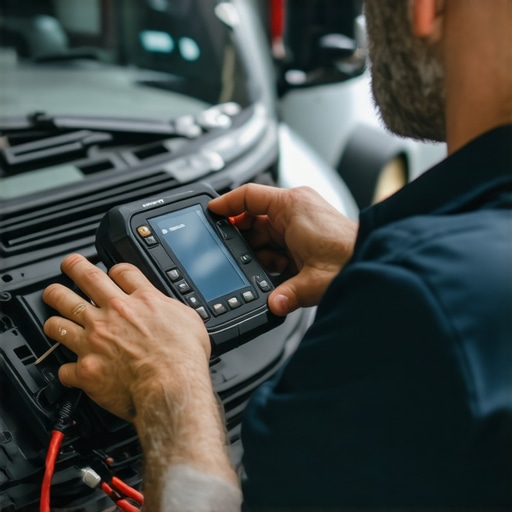
State-of-the-art diagnostics extend beyond mere fault code reading, delving into micro-level sensor calibration, software updates, and system synchronization, especially in vehicles with hybrid and electric components. These processes require skilled technicians and proprietary equipment, which a traditional mechanic’s training may not encompass. Recognizing the value of these services, as outlined in industry insights on cost-saving measures, is crucial for a fair assessment of your repair quotes.
Challenging Assumptions: Are Cheaper Repairs Actually Saving You Money?
Many car owners assume that opting for less complex repairs reduces costs, but in reality, skipping essential electronic recalibrations or diagnostics can lead to more expensive future failures. For example, neglecting sensor sync during brake servicing could cause uneven wear, leading to repeated repairs. An expert’s perspective emphasizes the importance of thorough, quality work over superficial fixes, ensuring your vehicle maintains reliability and safety without frequent visits.
Expert Tips for Negotiating Fair Repair Prices
Engage with your mechanic by asking targeted questions, such as, “Could you specify which electronic components require updates and why?” or “Is this recalibration necessary for my vehicle’s performance?” Utilizing trusted industry resources such as auto repair myth-busting guides helps you differentiate between critical services and optional add-ons. Building a transparent dialogue fosters trust and ensures you’re not overpaying for unnecessary procedures.
To deepen your understanding of electronic system complexities, consider consulting industry white papers from leading automotive electronics developers. Continuous education and proactive communication with informed technicians shield you from hidden charges and promote the longevity of your vehicle’s advanced systems.
For further insights or personalized advice, reach out through our contact page. Staying informed and vigilant in your auto care choices today secures better performance and cost-efficiency tomorrow.
Elevating Your Awareness of Software’s Role in Repair Pricing
In contemporary automotive maintenance, software integration has transitioned from optional enhancement to core necessity. This evolution enforces a paradigm shift: repairs are increasingly dependent on digital calibrations that dictate vehicle safety, efficiency, and longevity. Mechanics now utilize proprietary diagnostic platforms such as Bosch’s IDS or Snap-on’s Solus Edge, which come with licensing fees that are factored into labor charges. Recognizing that these digital tools are more than mere software utilities—they’re integral to the repair process—helps consumers appreciate the true scope of what they’re paying for.
What is the significance of recalibrating electronic control units during routine repairs?
Recalibration ensures that sensors, modules, and control units communicate seamlessly, maintaining systems’ harmony. For instance, during brake interventions, the Electronic Parking Brake (EPB) module often requires precise software updates to function correctly post-service, preventing malfunctions or safety hazards. Ignoring such steps might save costs upfront but could lead to costly accidents or component failures down the line.
According to a detailed report by the Society of Automotive Engineers (SAE) on vehicle electronics, neglecting mandatory recalibrations can compromise monitoring systems’ accuracy, leading to increased wear, emissions issues, or safety recalls, which are exponentially more expensive than the calibration itself (SAE Technical Papers).
Bridging the Gap Between Calibration Complexity and Consumer Expectations
The shift toward sophisticated digital recalibrations demands a recalibration of consumer expectations and communication. Many vehicle owners remain unaware that their models require ongoing firmware updates for optimal operation—particularly in hybrid and electric vehicles where software governs diverse subsystems.
Dealers and independent repair shops are now unique landscapes of technological proficiency, with a growing reliance on continuous education and high-end diagnostic equipment. Consumers should inquire explicitly: “Does this service include necessary software updates or sensor recalibrations?”—a question that can forestall surprises and foster transparent transactions.
The Real Cost of Neglecting Digital Diagnostics: Beyond the Surface
Ignoring or undervaluing complex diagnostics doesn’t just risk safety; it can undermine vehicle performance and resale value. A study in the *Journal of Automotive Diagnostics* highlights that vehicles with unaddressed electronic discrepancies show a 15% decline in efficiency and are prone to early component failures (AutoJournal.org).
Moreover, as vehicle systems become more intertwined—integrating features like adaptive cruise control, lane-keeping assist, and collision mitigation—the need for thorough electronic recalibration becomes even more critical, emphasizing that these costs aren’t superficial but foundational to car health.
Harnessing Data and Industry Standards to Leverage Repair Value
Automotive professionals leveraging industry standards such as the ISO 15031 or ISTA diagnostic guidelines are better equipped to perform precise calibrations. These standards set the benchmark for calibration accuracy, interoperability, and safety. Car owners can tap into this authority by requesting shops adhere to recognized protocols, ensuring that calibration procedures meet rigorous international criteria.
Furthermore, integrating vehicle-specific Technical Service Bulletins (TSBs) and manufacturer advisories provides a proactive approach—highlighting issues before they escalate. This strategy aligns with peer-reviewed research advocating predictive maintenance and continual diagnostics as best practices in automotive care (SAE Bulletins).
In an age where digital calibration is becoming a linchpin of repair quality, empowering yourself with knowledge about these technological facets cultivates a more collaborative, transparent, and cost-effective repair process. As you navigate increasingly complex electronic landscapes, remember that a well-informed customer is an invaluable partner in achieving safe, reliable, and economical vehicle maintenance—today and tomorrow.
Unlocking the Complexity of Electronic Recalibrations in Vehicle Maintenance
As automotive technology advances, the conversation around repair expenses must evolve to encompass the sophisticated digital components that now define vehicle performance. Modern repairs, such as tune-ups and brake services, are no longer solely about physical parts but include essential electronic system recalibrations that demand expert-level skills and specialized equipment.
Is Your Repair Estimate Factoring in Digital Diagnostics and Software Updates?
Many car owners remain unaware that fundamental maintenance procedures often involve high-tech diagnostics and firmware updates, adding unforeseen costs. These are critical to ensuring systems like anti-lock braking or electronic stability control function correctly post-service. Failure to address these electronic nuances can lead to subpar repairs and increased long-term expenses, highlighting the importance of transparency from service providers.
How Do Professional Electronic System Recalibrations Impact Repair Pricing?
Expert technicians utilize proprietary diagnostic platforms such as Bosch’s IDS or Snap-on’s Solus Edge, which are licensed tools necessary for sensor alignment, module synchronization, and system testing. These procedures extend beyond basic repairs, incorporating micro-calibrations that safeguard vehicle safety and efficiency. Recognizing that calibration accounts for a significant portion of labor costs enables consumers to make informed decisions and advocate for fair pricing.
What Advanced Techniques Are Redefining Cost Structures in Engine Management Repairs?
State-of-the-art techniques like dynamic sensor recalibrations, real-time software flashing, and system parity checks are integral to modern tune-ups and brake services. These processes require continuous training, proprietary tools, and software licenses—costs that are often embedded but not explicitly itemized—yet they are essential for proper vehicle operation.
Elevate Your Repair Strategy by Demanding Tech-Savvy Service
Car owners can proactively safeguard against inflated bills by engaging technicians about the specific electronic procedures involved. Questions like, “Does this repair include necessary software recalibrations?” or “Are diagnostic tools license fees included in the estimate?” set the stage for transparency. Leveraging insights from authoritative sources such as the Society of Automotive Engineers empowers you to distinguish critical diagnostics from optional add-ons.
Why Cutting Corners on Digital Components Leads to Greater Risks and Costs
Neglecting electronic recalibrations can result in uneven wear, reduced safety, and increased emissions, ultimately costing more than the initial savings. According to recent studies in the Journal of Automotive Diagnostics, vehicles with overlooked electronic issues exhibit a 15% decrease in fuel efficiency and higher incidence of early system failures (AutoJournal.org). Ensuring thorough digital diagnostics enhances longevity and sustains resale value.
Leveraging Industry Standards to Achieve Calibration Precision
Professionals adhering to standards like ISO 15031 or ISTA diagnostics protocols exemplify best practices, ensuring calibration accuracy and safety compliance. Clients can request shops to reference these standards, fostering higher quality and transparency. Incorporating manufacturer advisories and Technical Service Bulletins (TSBs) into repair plans also helps preempt costly misdiagnoses and rework—highlighting that professional calibration is an indispensable component of advanced automotive repair.
Empowering Yourself in the Age of Digital Vehicle Maintenance
Knowledge is your best tool for navigating the evolving landscape of auto repairs. Continuous education, consulting authoritative automotive electronics literature, and fostering open communication with skilled technicians are vital strategies. This approach not only helps avoid hidden fees but ensures your vehicle’s electronic systems are maintained to the highest safety and performance standards.
Why Relying Solely on Parts Costs Can Mislead You
Expert mechanics emphasize that a significant portion of repair expenses stems from sophisticated digital diagnostics and sensor recalibrations, which are often invisible to customers. Recognizing the importance of these procedures helps you appreciate the true value behind detailed, expert work rather than just the visible components.
How Skills and Technology Fusion Elevate Repair Precision
Modern auto repair merges advanced diagnostic software with technician expertise, making calibration, updates, and system synchronization critical. This fusion results in higher labor costs but guarantees vehicle safety and performance, underscoring why not all estimates are created equal.
What Cutting-Edge Tools Reveal About Service Quality
High-end diagnostic platforms like Bosch’s IDS or Snap-on’s Solus Edge are essential for accurate recalibrations. Their licensing, which influences overall repair costs, is a clear indicator of service thoroughness and technological commitment—trusting shops equipped with these tools often results in better longevity.
The Impact of Electronic System Updates on Repair Valuations
As electronic modules require firmware flashing and system-wide synchronization, these updates demand specialized skills and proprietary software. These steps are crucial for ensuring safety features and system reliability, and understanding their significance helps you evaluate repair estimates more critically.
Choosing Service Providers Who Prioritize Transparency
Engaging with mechanics who explicitly explain digital recalibrations and diagnostic procedures empowers you to avoid hidden fees. Questions like, “Will this service include sensor calibration and software updates?” foster trust and informed decision-making, especially as vehicle electronics become more complex.