
Modern automotive electrical systems are masterpieces of high-frequency engineering, but they remain tethered to a singular, critical component: the alternator. While many drivers associate a failure to start with a depleted battery, a seasoned mechanic knows that the battery is often just the victim of a charging system that has ceased to perform its primary function. The alternator is responsible for converting mechanical energy into electrical power, maintaining the vehicle’s electrical load while simultaneously replenishing the battery. When this delicate balance shifts, the vehicle begins to exhibit specific behaviors that, if identified early during a routine tune up, can prevent a total system shutdown on the highway. Understanding these signals requires looking past the surface-level warning lights and analyzing the systemic health of your vehicle.
Why Your Headlights Dim During Critical Idle Moments
One of the most immediate indicators of a struggling charging system is the fluctuation of light intensity. If you notice your headlights or interior dome lights pulsating or dimming when the engine speed drops, you are likely witnessing a failure in the voltage regulator. In a healthy system, the alternator provides a consistent output regardless of RPM. However, as the internal brushes or the stator begin to degrade, the output becomes erratic. This isn’t just an inconvenience; it puts a significant strain on your car’s sensitive electronics. If you suspect your charging system is losing its edge, you can learn how to test your alternator using a simple screwdriver to verify field magnetism before committing to a full replacement.
Distinguishing Between Serpentine Friction and Internal Bearing Moans
Acoustic diagnostics are a core part of professional auto repair. A failing alternator often produces a distinct whining or growling sound that increases in pitch with engine acceleration. This is frequently caused by worn-out bearings or a failing diode bridge. While it might be tempting to blame the belt itself, it is crucial to perform a proper isolation test. If the noise persists even after ensuring the belt is properly tensioned, the internal mechanical components of the alternator are likely the culprit. For those dealing with belt-related distractions, knowing how to fix a squeaky serpentine belt without using spray can help isolate the true source of the mechanical groan.
Can a Failing Alternator Trigger False Diagnostic Trouble Codes in Other Modules?
Yes, and this is where many DIY enthusiasts get tripped up. Modern vehicles utilize a Controller Area Network (CAN bus) to communicate between modules. When the alternator’s output drops below a specific threshold, the electronic control units (ECUs) may not receive sufficient power to function correctly. This can lead to a cascade of phantom errors, such as traction control warnings, transmission shift issues, or even a sudden brake service indicator on the dash. In extreme cases, low voltage can lead to systemic failures similar to the hidden fuse that kills your entire transmission control module, making a thorough electrical audit essential for accurate diagnosis.
The Telltale Lag in Your Power Steering and Windows
As the alternator’s efficiency wanes, the vehicle’s power management system begins to prioritize essential functions over comfort features—a process known as load shedding. You may notice your power windows moving significantly slower or your heated seats failing to reach their usual temperature. In vehicles with electric power steering, a failing charging system can even lead to a heavier feel in the steering wheel during low-speed maneuvers. These symptoms are often overlooked during a basic mechanic inspection but are vital clues in diagnosing common auto problems before they leave you stranded. According to technical documentation from the Society of Automotive Engineers (SAE), maintaining stable system voltage is paramount for the longevity of every solenoid and sensor in the vehicle. Have you noticed any peculiar electrical behavior in your car lately? Share your findings with our community of experts below.
Stop Chasing Phantom Battery Problems
It is a common pitfall in the driveway: a car won’t start, the owner jumps the battery, and assumes the problem is solved until the vehicle dies again three miles down the road. This repetitive cycle of deep-discharging a lead-acid battery is catastrophic for its internal chemistry. When an alternator fails to provide the necessary 13.8 to 14.4 volts, the battery is forced to act as the primary power source for the ignition system and fuel pump, a role it was never designed to sustain. Incorporating a battery health check into your ultimate tune-up checklist is the only way to ensure you aren’t replacing a perfectly good battery when the charging system is the true culprit. A professional mechanic will tell you that a battery surviving more than two full depletions caused by a dead alternator is a rare stroke of luck.
Heat is the Silent Killer of Charging Diodes
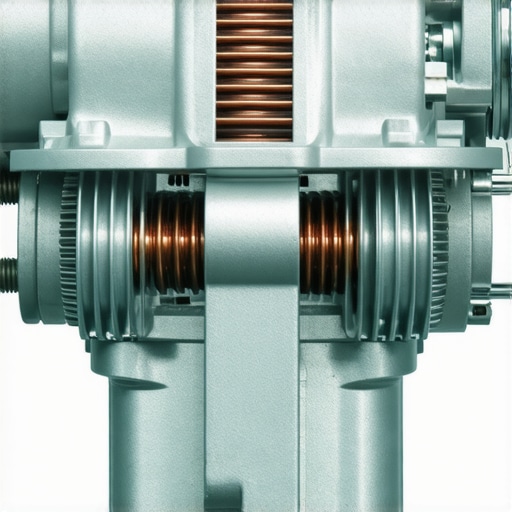
While mechanical wear on the brushes is a frequent topic of conversation, thermal failure of the diode trio is often the underlying cause of an alternator’s sudden demise. These diodes are responsible for converting the alternating current (AC) produced by the stator into the direct current (DC) your car needs. Because they generate significant heat during this conversion, they rely on internal fans and heat sinks for survival. If you frequently drive in stop-and-go traffic during peak summer months, the lack of airflow can cook these components, leading to a ‘leaking’ diode that drains your battery overnight even when the car is off. This nuance is why essential tune-up tips to boost your car’s performance in 2025 now emphasize the cleanliness of the engine bay to facilitate better heat dissipation. Heavy grease buildup on the alternator housing acts as an insulator, trapping heat where it does the most damage.
Why Does a Brand New Alternator Sometimes Fail Within a Week?
The automotive aftermarket is flooded with ‘remanufactured’ units that vary wildly in quality. Often, a replacement fails not because of a manufacturing defect, but because the technician failed to fully charge the battery before installation. Forcing a brand-new alternator to ‘bulk charge’ a stone-dead battery immediately after installation puts an immense load on the new internal components, frequently causing them to overheat and fail within days. Expert guidelines from the Battery Council International (BCI) suggest that a battery should always be externally charged to at least 12.6 volts before being paired with a new charging component. This simple step is one of the most overlooked auto repair cost-saving tips from industry experts, as it prevents the ‘infant mortality’ of expensive electrical parts.
Verify Your Ground Path Before Pulling the Trigger
Before you commit to the labor and expense of a replacement, you must inspect the engine-to-chassis ground straps. A corroded ground wire creates resistance that can mimic every single symptom of a failing alternator, from dimming lights to erratic sensor data. If the electrical current cannot find a clean path back to the battery, the alternator will work harder, eventually burning itself out in a futile attempt to overcome the resistance. This is a critical step in any professional tune up that many DIYers skip. If you’ve ever dealt with a ‘mystery’ electrical gremlin that disappeared after cleaning a single bolt, you know exactly how vital this is. Have you ever replaced a part only to find the problem was a 50-cent wire? Tell us about your most frustrating electrical diagnostic experience in the comments below.
The evolution of the alternator has shifted from simple internal regulation to sophisticated Pulse Width Modulation (PWM) controlled directly by the Powertrain Control Module (PCM). In these modern ‘smart’ charging systems, the alternator is no longer a standalone unit; it is a slave to the engine’s computer, which adjusts output based on fuel economy targets, engine temperature, and even the current state of battery desulfation. This means that a standard voltage test showing 12.8 volts might not indicate a failure, but rather a strategic decision by the PCM to reduce engine load. This complexity makes a professional tune up more about data stream analysis than simple hardware replacement. If you see your voltage dipping during deceleration, you might not be looking at a failure, but rather a regenerative braking strategy designed to capture kinetic energy.
Stop Guessing and Start Measuring Voltage Drop
While most DIYers are satisfied with a static battery reading, a seasoned mechanic knows that the ‘voltage drop’ test is the gold standard for finding hidden resistance. You can have a battery that shows 12.6 volts at rest, but if the positive cable has internal corrosion, that energy will never reach the starter under load. By placing your multimeter probes at two different points on the same circuit while the car is running, you can identify exactly where electricity is being lost to heat. The Car Care Council emphasizes that even a 0.5-volt drop across a main power cable can lead to erratic module behavior and premature component failure. This precision is what separates a guess from a definitive auto repair diagnosis.
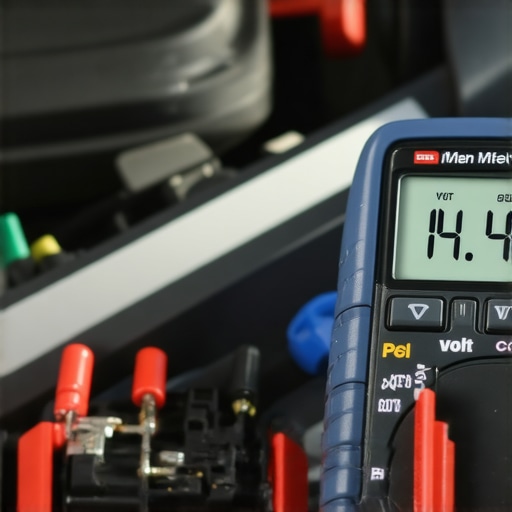
Beyond the cables, you must inspect the integrity of the alternator’s casing ground. Because the alternator is bolted to the engine block, any oil leaks from the valve covers can seep into the mounting brackets, creating an insulating layer of grime that disrupts the return path to the battery. This often results in a ‘ghost’ voltage reading that looks healthy on a bench tester but fails miserably once installed in the vehicle. If you have ever experienced a replacement part failing immediately, this hidden resistance is the likely culprit. Have you ever seen a multimeter reading that looked perfect at the battery but failed at the fuse box? Let us know which circuit gave you the most trouble in the comments below.
Can a failing charging system actually force your transmission into ‘Limp Mode’?
It absolutely can, and it is a nightmare to diagnose without the right tools. Modern automatic transmissions rely on electronic solenoids to gate hydraulic fluid for gear changes. These solenoids are incredibly sensitive to voltage fluctuations. If the alternator ripple—caused by a failing diode—introduces alternating current into the DC system, it creates electrical ‘noise.’ This noise confuses the transmission control module, which may default to a single gear (limp mode) to protect the mechanical internals. This is why a brake service or transmission check should always begin with an oscilloscope test of the charging system to ensure the ‘blood pressure’ of the vehicle’s electronics is clean and stable.
Why Your High-End Audio System is Killing Your Diodes
Aftermarket modifications are a frequent cause of premature alternator death. Adding a high-wattage amplifier or an off-road lighting rig without upgrading the charging system forces the alternator to run at 100% duty cycle constantly. Alternators are designed for intermittent peak loads, not sustained maximum output. When you push a standard 90-amp unit to its limit for an hour-long commute, the internal heat sinks reach a thermal runaway point. This is where high-output alternators become a necessity rather than an luxury. Expert technicians often recommend the ‘Big Three’ upgrade—beefing up the alternator-to-battery, battery-to-chassis, and engine-to-chassis wires—to handle the increased current demand without melting the factory harness or frying the sensitive tune up components you just installed.
Beyond the mechanical rotation of the rotor, the modern charging ecosystem relies heavily on the Intelligent Battery Sensor (IBS). This small module, typically clamped directly to the negative terminal, monitors state-of-charge, state-of-health, and temperature in real-time. If a mechanic replaces a battery but fails to ‘register’ the new unit via a scan tool, the alternator will continue to apply the high-voltage charging profile intended for the old, degraded battery. This leads to outgassing and premature failure of the new component. It is no longer enough to simply swap parts; a modern tune up must include a digital handshake between the battery and the Powertrain Control Module (PCM).

The switch to Absorbent Glass Mat (AGM) batteries in vehicles with start-stop technology adds another layer of complexity. AGM batteries are highly sensitive to heat and overcharging. While a standard lead-acid battery might tolerate 15 volts for short bursts, an AGM unit can be permanently damaged by such levels. High-end diagnostic equipment is now required to ensure the alternator’s regulator is calibrated for the specific chemistry under the hood. According to technical bulletins from Bosch Mobility, precise current regulation is the only way to guarantee the 100,000+ start cycles these systems are engineered for. Why settle for a generic replacement when your car’s brain requires a specific charging curve?
How Electrical Ripple Effects Trick Your ABS Pump
The relationship between electrical stability and safety systems is perhaps most visible during a heavy brake service. Modern Electronic Stability Control (ESC) modules utilize high-current hydraulic pumps to modulate brake pressure during an emergency. If your alternator is struggling with a failing diode, the resulting voltage dip or AC ripple during an ABS event can cause the control module to crash and reset, effectively disabling your emergency braking assistance exactly when you need it most. This isn’t a mechanical failure of the pads or rotors, but a systemic failure of the electrical ‘backbone’ of the chassis. A professional auto repair shop will always check for ‘dirty’ power that could compromise your safety hardware.
Can a Micro-Short in the Stator Windings Bypass Your Dashboard Warning Light?
Surprisingly, yes. Most dashboard ‘battery’ lights only trigger when the total output drops below a specific voltage threshold or when the field circuit is completely broken. However, a micro-short in the stator windings can allow the alternator to produce enough voltage to keep the light off while failing to provide sufficient amperage to run the car’s cooling fans or fuel pump under high load. This creates a deceptive scenario where the car seems healthy on the dash but dies intermittently at stoplights or in heavy traffic. Detecting this requires a professional ‘amp-clamp’ load test rather than a simple voltmeter reading. This level of precision is what separates a true expert from someone just guessing with a multimeter.
Stop Pulling Fuses and Start Measuring Voltage Drop
Troubleshooting parasitic draw is the final frontier of the master technician. Instead of the old-school method of pulling fuses and watching for a spark—which often ‘wakes up’ hibernating computer modules and skews results—experts use a millivolt drop test across the top of the fuse. By measuring the tiny amount of voltage falling across a fuse’s internal resistance, you can calculate the exact milliamp draw without ever breaking the circuit. If you’ve been chasing a dead battery every morning, stop pulling fuses and start measuring the drop. This method preserves the ‘sleep state’ of the vehicle and points directly to the offending circuit. Have you ever found a glovebox light or a stuck relay that was slowly bleeding your system dry? Tell us how you tracked it down in the comments below.
Advanced Electrical Diagnostics and Strategic Advice
Why Standard Multimeters Often Lie to You
Static voltage readings are a starting point, but they rarely tell the whole story. A battery might rest at 12.6 volts, yet the circuit could collapse under the load of a fuel pump or cooling fan due to high resistance. This is why a seasoned mechanic relies on a dynamic voltage drop test. If you find your readings are inconsistent, the issue might be phantom voltage—a surface charge that masks a dying cell. Implementing mechanic tips for diagnosing common auto problems ensures you are looking at the actual performance of the circuit rather than a misleading static number.
The Hidden Impact of Chassis Ground Resistance
Corrosion is a silent resistor. Even a small amount of oxidation on an engine-to-chassis ground strap can prevent the alternator from properly sensing the battery’s state of charge. This leads to the alternator working at maximum duty cycle, shortening its lifespan. If you are noticing flickering interior lights, the simple ground wire move that fixes dim headlights can often resolve what appears to be a major hardware failure. Professional tune up procedures always prioritize the integrity of the return path before recommending expensive part replacements.
Thermal Runaway in Modern Engine Bays
Heat is the primary enemy of the alternator’s internal diode bridge. Modern engine bays are packed tighter than ever, reducing the natural convection that cools the charging system. When grease or oil builds up on the alternator housing, it acts as insulation, trapping heat and leading to early component failure. Checking for these environmental factors should be part of every ultimate tune-up checklist for every car owner. A clean alternator is a cool alternator, and a cool alternator lasts twice as long in high-traffic conditions.
Authoritative Sources to Deepen Your Knowledge
The Society of Automotive Engineers (SAE) Technical Papers: This is the gold standard for understanding Pulse Width Modulation (PWM) and how modern PCMs control charging rates for fuel efficiency. Battery Council International (BCI) Service Manuals: These provide the specific chemistry requirements for AGM and Lithium-ion starting batteries, which is vital for proper regulator calibration. Bosch Mobility Power Supply Documentation: These technical bulletins offer a deep dive into diode-trio architecture and the physics of alternating current rectification in automotive environments.
A Professional Look at Modern Charging Systems
Navigating the complexities of modern automotive electronics requires a shift from ‘parts swapping’ to systematic analysis. The alternator is no longer an isolated component; it is a critical node in a networked system that affects everything from transmission shift quality to emergency braking stability. By focusing on voltage drop testing and ground path integrity, you elevate your vehicle maintenance from a basic tune up to an expert-level auto repair strategy. To keep your vehicle running at peak efficiency, always integrate essential tune-up tips to boost your car’s performance in 2025 into your annual maintenance routine. What is the most complex electrical issue you have encountered during a repair? We invite you to share your diagnostic breakthroughs and professional insights with our community below.