Refined Perspectives on Brake System Diagnostics in Modern Auto Repair
The landscape of brake service has evolved significantly with technological advancements and increasing vehicle complexity. For automotive professionals, understanding the nuanced failures—such as seized calipers or hydraulic actuators—is essential to deliver reliable maintenance and prevent costly downtimes. This comprehensive overview explores the critical, often overlooked aspects of brake diagnostics, emphasizing the importance of precise measurements and state-of-the-art testing protocols.
Unpacking the Intricacies of Brake Caliper Seizures and Material Fatigue
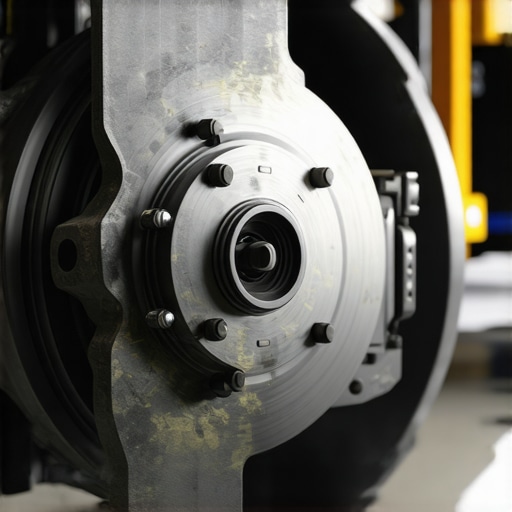
Brake calipers serve as pivotal components in ensuring effective stopping power. When calipers seize, it is not merely due to pad wear but often results from corrosion, hydraulic fluid contamination, or under-the-radar mechanical failures. Experienced mechanics recognize that caliper pistons may undergo material fatigue, leading to uneven brake pad wear and compromised safety. Regular inspection with advanced tools, such as digital calipers and brake fluid analyzers, can preempt catastrophic failures. Linking these problems to broader vehicle health is key for comprehensive auto repair and maintenance strategies.
Enhanced Diagnostic Methods for Brake Hydraulic System Anomalies
Hydraulic systems demand meticulous testing—beyond visual inspection. Modern diagnostic techniques include electronic testing of pistons, sensors, and control modules, as outlined in industry white papers like those from the Society of Automotive Engineers. Utilizing diagnostic scan tools that communicate seamlessly with the vehicle’s ECU allows detection of subtle faults, such as hydraulic actuator leaks or pressure sensor discrepancies. Such precision enables technicians to avoid the common pitfall of replacing parts without addressing underlying issues, which can lead to recurrent failures.
Why Technicians Must Embrace Niche-Specific Knowledge in Brake Maintenance
In-depth expertise involves understanding the chemical composition of brake fluids, metallurgy of rotors, and the impact of environmental factors on component longevity. For example, high-performance vehicles require tailored brake fluid specifications, and neglecting this can cause seizing or corrosion. Continuous education ensures professionals stay abreast of emerging standards, such as added anti-corrosion coatings or new composite material usage, enhancing the longevity and safety of brake systems.
What are the key indicators that suggest a mechanic might overlook critical brake system failures during routine maintenance?
It is vital for vehicle owners and technicians to stay vigilant about subtle signs—such as uneven pedal feel, persistent squealing despite pad replacement, or inconsistent ABS activation. Modern vehicles increasingly integrate electronic stability controls, making diagnostic thoroughness essential. Exploring these indicators can help prevent premature component failure and ensure the brake systems function as intended.
For a deeper dive into evolving brake service practices, visit our detailed auto repair trends for 2025. Professionals are encouraged to contribute their insights on emerging challenges and solutions in brake diagnostics, fostering a community of continuous improvement.
In the realm of advanced auto repairs, trusting your mechanics and understanding technical nuances are paramount. Consulting authoritative sources like the SAE white papers can elevate a technician’s diagnostic acumen and service quality.
Leveraging Technology to Detect Hidden Brake Failures
As vehicles become more sophisticated, so do the diagnostic tools available to automotive professionals. State-of-the-art diagnostic scanners now integrate with vehicle ECUs to provide real-time data on brake pressure, sensor outputs, and system errors. By utilizing these tools effectively, technicians can uncover subtle issues like degraded brake pad wear sensors or partial hydraulic leaks that traditional inspections might miss. For example, software that monitors brake fluid pressure fluctuations can preemptively identify seal failures before they compromise safety, reducing costly breakdowns and recalls.
Innovative Approaches to Brake Material Evaluation
Understanding the wear characteristics of brake components requires more than just visual inspection. Advanced material analysis techniques, such as scanning electron microscopy (SEM) or non-destructive testing (NDT), enable technicians to assess the microstructure of rotor surfaces and pad composites. These methods can reveal fatigue patterns or corrosion that threaten long-term performance. Integrating such insights into routine diagnostics ensures that brake maintenance transcends conventional practices, aligning with the demands of high-performance and electric vehicles where material integrity is paramount.
Are We Overlooking the Impact of Environmental Factors on Brake System Longevity?
Environmental influences—such as road salt, humidity, and temperature extremes—significantly affect brake system integrity. While many mechanics focus on immediate symptoms, understanding how environmental exposure accelerates corrosion or degrades brake fluid is crucial. For instance, vehicles operating in salty coastal areas require specialized corrosion-resistant coatings and frequent fluid testing, as detailed in industry case studies by the Society of Automotive Engineers. Incorporating environmental considerations into diagnostic protocols can extend brake lifespan and safety.
How can emerged technologies revolutionize predictive maintenance for brake systems, and what are the barriers to adoption among repair shops?
Emerging predictive analytics, powered by machine learning and IoT sensors, promise proactive brake maintenance tailored to individual vehicle behaviors. Wear sensors embedded within pads and rotors can communicate with diagnostic platforms to forecast failure points accurately, minimizing downtime and optimizing repair schedules. Yet, barriers such as high initial investment costs, technician training requirements, and data management challenges impede widespread implementation. Overcoming these hurdles involves strategic planning and industry-wide standardization, as advocated by auto industry leaders.
For insights on integrating cutting-edge diagnostic tools into your workflow, explore our comprehensive auto repair trends for 2025. Staying ahead in diagnostics not only enhances your reputation but also ensures clients’ safety and vehicle reliability.
Engaging with authoritative resources like SAE white papers—available on SAE.org—can elevate your understanding of the latest innovations and best practices in brake diagnostics and maintenance.
Harnessing Predictive Analytics to Revolutionize Brake Maintenance
In the pursuit of minimizing vehicle downtime and enhancing safety standards, automotive professionals are increasingly turning to predictive analytics. By analyzing data from embedded sensors, shop management systems, and historical repair records, technicians can forecast potential brake failures before overt symptoms manifest. This transition from reactive to proactive maintenance hinges on complex algorithms that interpret subtle changes in brake pad wear patterns, hydraulic pressure variations, and temperature fluctuations. However, integrating these technologies necessitates substantial investment and a paradigm shift in diagnostic approaches, challenging smaller repair shops to adopt scalable solutions while maintaining accuracy and efficiency.
How is machine learning transforming brake diagnostics and what barriers impede its widespread adoption?
Machine learning algorithms can identify patterns and anomalies that escape traditional diagnostic methods, offering unparalleled predictive insights. For instance, they can correlate environmental data, driving habits, and component aging to estimate remaining service life with high precision. Despite these advantages, barriers such as data security concerns, limited technical expertise, and high implementation costs slow adoption. To overcome these hurdles, industry stakeholders advocate for standardization of sensor data formats and collaborative platforms that democratize access to advanced diagnostic tools, enabling technicians to leverage AI-driven insights effectively.<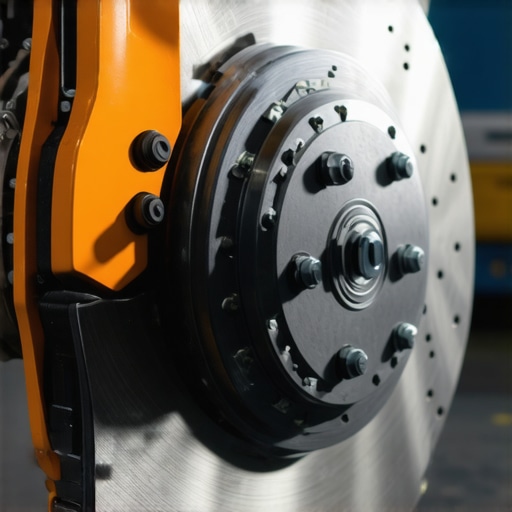 >
>
In-Depth Material Science in Brake Component Longevity
Understanding the microstructural evolution of brake materials under operational stresses is pivotal for preventative maintenance. Cutting-edge techniques like differential scanning calorimetry (DSC) and X-ray diffraction (XRD) analyze phase transformations and residual stresses within rotors and pads. These insights reveal fatigue mechanisms and corrosion pathways, informing material selection and manufacturing processes. For high-performance or electric vehicles, where thermal management and material resilience are critical, such analyses facilitate the development of custom composite formulations that resist fading and cracking. Incorporating materials science into diagnostic routines elevates maintenance beyond surface-level inspections, ensuring long-term reliability and safety.
What innovations in materials science are most promising for the future of brake systems?
Emerging materials such as graphene-enhanced composites and ceramic matrix composites demonstrate exceptional heat resistance and wear characteristics. These materials promise significant improvements in brake performance, especially under high-stress conditions typical of electric vehicles and motorsport applications. Additionally, advances in surface coating technologies, including nano-coatings, offer the potential to drastically reduce corrosion and improve friction stability. Industry research, notably by the U.S. Department of Energy’s Office of Scientific and Technical Information, highlights these innovations as key drivers for next-generation brake systems capable of meeting the demands of sustainable transportation.
Environmental Factors: Beyond Surface-Level Impact
The influence of ambient conditions extends well beyond superficial corrosion. Elevated humidity accelerates hydrothermal degradation of brake fluids, while temperature extremes impact the efficacy of anti-lock braking systems through viscosity changes. Sand, dust, and road salts infiltrate lubricants and seals, exacerbating wear and potential leaks. Advanced diagnostic tools now incorporate environmental sensors, providing real-time data to adjust maintenance priorities dynamically. For example, a fleet operating in coastal regions may benefit from tailored service intervals while utilizing protective coatings. Recognizing these nuanced effects ensures that brake diagnostics encompass a holistic perspective, safeguarding vehicle safety and performance in varied conditions.
How can adaptive maintenance schedules based on environmental data improve brake system longevity?
Implementing adaptive schedules involves integrating environmental monitoring with vehicle telematics data to personalize service intervals. This approach reduces unnecessary maintenance and prevents failures caused by overlooked environmental stressors. Challenges include developing accurate models that account for diverse operational contexts and ensuring technicians have access to real-time data. Industry leaders suggest partnerships with telematics providers and continuous performance testing to refine these models, enabling shops to deliver smarter, environmentally responsive maintenance plans that extend brake system life cycles and optimize costs.
The Art of Predictive Maintenance in Brake System Management
With the advent of Industry 4.0, predictive analytics has emerged as a game-changer in automotive diagnostics, particularly for brake systems. By harnessing machine learning algorithms combined with IoT-enabled sensors embedded within brake components, technicians can now anticipate failures before they manifest as critical safety hazards. This approach not only optimizes maintenance schedules but also reduces the risk of catastrophic failures, a paramount concern in high-performance and electric vehicles. Implementing such systems requires a comprehensive understanding of data integration, sensor calibration, and real-time monitoring—skills at the forefront of automotive innovation.
Decoding Microstructural Changes for Superior Material Longevity
Advancements in materials science have paved the way for in-depth microstructural analysis techniques such as scanning electron microscopy (SEM) and non-destructive testing (NDT). These methods enable a granular examination of rotor and pad surfaces, revealing fatigue patterns, micro-cracks, and corrosion at a scale invisible to the naked eye. Such insights inform the lifecycle assessment of brake components, guiding the selection of materials suited for extreme operational conditions. High-performance vehicles, in particular, benefit from this detailed analysis, as it enhances safety margins and prolongs maintenance intervals, aligning with evolving industry standards and sustainability goals.
Enhanced Diagnostic Protocols for Hydraulic Anomalies
Traditional visual inspections fall short when diagnosing hydraulic system failures. Instead, integrating electronic testing and ECU communication protocols provides a more holistic view. Techniques such as pressure decay testing, coupled with sensor data for piston movement and circuit integrity, identify subtle leaks and pressure drops. These methods are supported by industry white papers from the Society of Automotive Engineers, emphasizing the importance of precision testing in avoiding unnecessary component replacements. Embracing such protocols ensures reliability and minimizes downtime, vital in fleet operations and high-stakes repair environments.
How Can Cutting-Edge Coatings Extend Brake System Resilience?
Incorporating nano-coatings and anti-corrosion layers into brake components has shown significant promise in enhancing longevity, especially in corrosive environments. These advanced coatings form a protective barrier against road salts, humidity, and temperature fluctuations, which accelerate degradation. Employing such technologies requires a thorough understanding of material compatibility and coating application techniques. Industry research from government laboratories highlights that these innovations can reduce maintenance costs and improve safety, making them indispensable for modern auto repair shops aiming for premium service quality.
Unlocking the Potential of Material Innovations in Brake Design
The future of brake systems lies in novel composite materials and ceramics that withstand high thermal loads while maintaining low weight. Graphene-enhanced composites and ceramic matrix composites exhibit exceptional wear resistance and thermal conductivity. Integrating these materials into repair and upgrade strategies requires specialized knowledge of manufacturing processes, including sintering and additive manufacturing. As electric vehicles demand more efficient thermal management, understanding these material innovations becomes essential for technicians committed to staying ahead of the industry curve.
What are the barriers faced by technicians when adopting integrated diagnostic systems, and how can these be overcome?
While the benefits of advanced diagnostic systems are evident, barriers such as high initial investment costs, the steep learning curve, and resistance to technological change hinder widespread adoption. Overcoming these challenges involves industry collaboration to develop scalable solutions, comprehensive technician training programs, and demonstrating clear return on investment. Encouraging peer-to-peer knowledge sharing and leveraging manufacturer support can facilitate smoother transitions, ultimately elevating diagnostic capabilities and service quality across repair facilities.
To explore how these innovative strategies can be integrated into your workflow, visit our detailed auto repair trends for 2025. Embrace these advancements to position your shop as a leader in automotive diagnostics and maintenance excellence.
Leveraging Real-Time Environmental Data for Adaptive Brake Maintenance
The influence of environmental factors extends beyond surface corrosion, impacting fluid stability and friction characteristics. Modern diagnostic tools now incorporate environmental sensors that monitor humidity, temperature, and exposure to corrosive agents. By analyzing this data, technicians can tailor maintenance schedules proactively, mitigating the effects of adverse conditions. For example, in coastal regions, more frequent brake fluid testing and enhanced sealing may be advisable. Such adaptive strategies increase component lifespan and ensure safety, especially in volatile climates.
How can environmental monitoring refine maintenance schedules and improve brake performance?
Integrating environmental data into maintenance planning allows for personalized service intervals, reducing unnecessary repairs while preventing failures. The main challenge lies in developing accurate models that translate sensor inputs into actionable insights. Industry collaborations and continuous data collection are vital to refining these models. Adopting this approach positions repair facilities at the cutting edge of preventative care, optimizing vehicle safety and operational costs in diverse environments.
Innovative Tactics Reshape Brake Troubleshooting
In today’s automotive landscape, cutting-edge diagnostic techniques are no longer optional—they are essential for precision and efficiency. Implementing high-resolution pressure sensors and real-time data analytics enables technicians to detect minute hydraulic anomalies that traditional tools might overlook. Embracing these technologies reduces guesswork, accelerates repairs, and enhances safety.
Leverage Advanced Material Testing to Predict Component Life
Employing non-destructive testing methods such as ultrasonic imaging and SEM analysis allows for microstructural insights into brake rotor fatigue and pad wear. This proactive approach informs maintenance schedules, preventing unexpected failures and optimizing part replacement intervals.
Refine Environmental Impact Assessments for Longevity
Monitoring environmental exposure through integrated sensors helps tailor preventive measures. For instance, coastal fleet vehicles benefit from specialized coatings and more frequent fluid testing, directly translating into extended brake system life and consistent performance.
Harness AI and IoT for Predictive Maintenance
Machine learning algorithms analyze accumulated data on brake performance under diverse conditions, predicting failures before symptoms manifest. While initial costs and training pose challenges, industry-standardized platforms are making these solutions increasingly accessible for independent repair shops.
Curated Sources for Deepen Your Expertise
- SAE White Papers on Hydraulic System Diagnostics: Unparalleled industry insights on electronic testing protocols and sensor integration for brake systems.
- Materials Science Journals on Microstructural Analysis: Latest research breakthroughs in SEM, NDT, and composite materials, vital for high-performance brake components.
- Industry Reports on Predictive Maintenance Adoption: Strategic guidance on integrating AI and IoT into everyday repair workflows with actionable frameworks.
Final Reflection for the Progressive Technician
Top-tier auto repair professionals recognize that mastering sophisticated brake diagnostics aligns with the future of mobility—be it electric vehicles or autonomous systems. A proactive, data-driven approach not only improves safety but also elevates your shop’s reputation for innovation. Dive into these expert strategies and resources to stay ahead of the curve—your clients and your career will thank you. For ongoing updates and expert insights, explore more at auto repair trends for 2025 or connect directly through our Contact Us page.