Mastering the Nuances of Secondary Air Injection Systems in Modern Auto Repairs
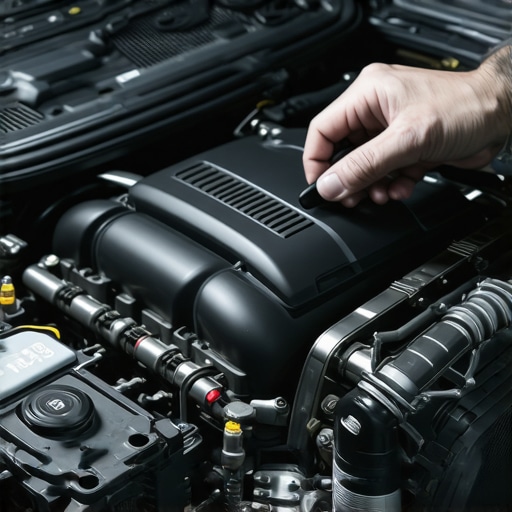
In the realm of contemporary auto maintenance, the secondary air injection (SAI) system exemplifies the interface of engineering sophistication and diagnostic precision. As vehicles evolve towards enhanced emission controls, understanding the intricacies of SAI testing becomes pivotal for mechanics aiming to uphold optimal performance standards. This component, often overlooked during routine tune-up procedures, serves a vital role in reducing hydrocarbon emissions and ensuring compliance with stringent environmental regulations.
Why Secondary Air Injection Is More Than a Regulatory Box to Check
From an engineering perspective, the SAI system functions by introducing ambient air into the exhaust stream during cold starts, catalyzing the oxidation of exhaust gases and optimizing catalytic converter efficiency. Its performance hinges on precise sensor feedback and actuator operation, making accurate testing essential. Advanced diagnostics, such as digital calibration tools and pressure fluctuation analyses, are now standard for qualified technicians seeking to identify subtle malfunctions.
Are Your Diagnostics Up to the Latest 2026 Standards? An Expert Exploration
How can mechanics effectively verify the integrity of secondary air pump operation without falling prey to false positives?
Effective SAI testing in 2026 necessitates a multi-tiered approach, combining visual inspections, sensor signal analysis, and real-time operational assessments. For instance, using advanced scan tools enables practitioners to detect non-conforming readings that might indicate valve sticking, sensor drift, or pump failure. Furthermore, correlating diagnostic trouble codes with measured emission data provides a robust validation framework, aligning technical diagnostics with emission compliance.
In practice, a comprehensive SAI test surpasses the basic vacuum leak checks, delving into the pump’s electrical circuitry, airflow pathways, and emissions during cold starts. This layered diagnostic strategy minimizes the risk of underdiagnosis, especially pertinent as manufacturer protocols integrate sophisticated software algorithms in 2026 models.
Enhancing Diagnostic Precision: Integrating Data with Mechanical Inspection
To elevate testing reliability, professionals increasingly leverage external sensor validation, cross-referencing with manufacturer-specific calibration standards. For example, cross-checking the intake manifold pressure data against ambient air quality indices can reveal subtle discrepancies not evident through conventional tests. As automakers embed proprietary communication protocols, understanding the nuances of software handshake procedures is crucial, emphasizing the importance of ongoing continuing education for auto technicians.
Importantly, this refined diagnostic process aligns with broader industry trends emphasizing total vehicle health assessment, as documented in recent analyses of industry industry reports. The aim is to preempt emission system failures before they impact overall vehicle performance or lead to costly repairs.
Engaging the Industry: Sharing Insights and Challenges in SAI Testing
Mechanics and diagnostics specialists are encouraged to exchange detailed case studies demonstrating success in pinpointing SAI malfunctions with minimal resource expenditure. Such knowledge-sharing, facilitated through professional forums, enhances collective expertise and drives diagnostic standards forward. For additional insights, readers are invited to explore expert tips on evaluating auto repair quality at getting the most from your mechanic.
Seeing Beyond the Surface: The Hidden Layers of Modern Brake System Diagnostics
In the rapidly evolving landscape of automotive repair, especially with the advent of 2026 models, understanding the nuanced layers of brake system diagnostics is crucial for any experienced technician. Contemporary brake service extends far beyond replacing pads and rotors; it requires an in-depth analysis of electronic sensors, hydraulic systems, and software integrations that influence braking performance. Recognizing these core components and their interplay enables professionals to prevent costly failures and enhance vehicle safety.
How Can Calibration and Sensor Verification Elevate Brake Service Accuracy?
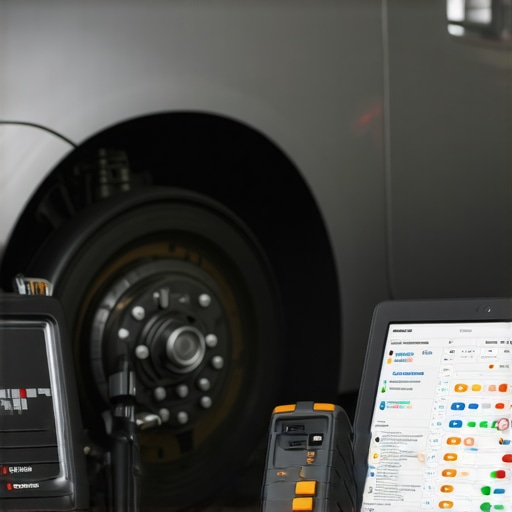
Modern brake systems incorporate an array of sensors, such as wear level indicators, ABS modules, and electronic caliper position sensors. Ensuring their accuracy often involves precise calibration routines and verification through specialized diagnostic tools. For instance, the adoption of industry-grade calibration equipment has revolutionized how mechanics detect sensor drift or malfunction. Regularly cross-referencing sensor readings against manufacturer specifications can significantly improve diagnostic confidence, and help identify subtle issues like hub misalignment or electronic interference that could cause brake pulsation or squeal.
What Role Does Firmware and Software Play in Brake System Reliability?
Beyond hardware, 2026 models often come equipped with complex firmware and software protocols that govern brake behavior, stabilization algorithms, and ABS modulation. An often-overlooked aspect of preventive maintenance is updating these software components to ensure compatibility and optimal functionality. Industry experts emphasize the importance of routine software handshake tests, which verify seamless communication between the vehicle’s electronic control units and diagnostic devices. In-depth knowledge of firmware versions and their associated calibration procedures can be instrumental in preventing intermittent issues like unresponsive pedal feedback or unintended ABS activation.
Are Mechanics Adequately Prepared for the Digital Shift in Brake Technology?
As vehicle systems become increasingly software-driven, continuous education becomes not just beneficial but essential. Participating in specialized training courses, such as those that cover the latest in advanced diagnostic techniques, will equip technicians with the knowledge to navigate software updates, binary code analysis, and sensor recalibration. Incorporating these skills into routine brake service workflows ensures compliance with 2026 standards while maintaining high repair accuracy.
This paradigm shift underscores the importance of adopting robust diagnostic frameworks that integrate both mechanical and electronic assessments, underscoring the intersection of hardware expertise and software proficiency in modern auto repair. For insights into electronic system troubleshooting, consider reviewing detailed case studies that highlight successful diagnostic strategies, like those discussed in recent industry reports on industry advancements.
How are industry standards shifting to keep pace with the digital transformation in brake diagnostics?
Understanding these industry shifts can help your service center stay ahead of emerging challenges. For example, the integration of digital wear sensors and automatic calibration features means that manual checks are no longer sufficient; instead, technicians must embrace software-based diagnostics and firmware management strategies. Staying informed about updates via manufacturer bulletins and certification courses ensures that your skills align with the latest industry expectations, ultimately translating to safer vehicles and satisfied customers.
Engaging with fellow professionals through forums or workshops can further enhance your expertise. Share your experiences and learn from others’ successes—collective knowledge accelerates innovation in brake diagnostics and management.
Transform Your Diagnostic Approach with Advanced Data Analytics
In the rapidly evolving landscape of automotive technology, traditional diagnostic methods are being augmented—and in some cases replaced—by sophisticated data analytics. This shift enables technicians to interpret vast amounts of vehicle data with unprecedented precision, leading to faster, more accurate repairs. Embracing these tools can uncover hidden issues that elude conventional testing, ultimately elevating service quality and customer satisfaction.
Leveraging Big Data for Predictive Maintenance and Fault Prevention
One of the most compelling advantages of data analytics in auto repair is predictive maintenance—predicting component failures before they occur. Integrating telemetry data from various sensors, including engine control modules, transmission systems, and electronic stability controls, allows for trend analysis over time. For instance, algorithms can identify early signs of wear in critical parts like turbochargers or alternators, prompting proactive replacements that prevent breakdowns and costly repairs.
According to a study by McKinsey & Company (source), implementing predictive analytics has shown potential to reduce repair costs by up to 25% and improve service turnaround times significantly.
How Can Auto Shops Integrate Data Analytics into Daily Workflows?
For repair facilities aiming to adopt data-driven diagnostics, the first step involves establishing robust data collection systems. This includes upgrading existing scan tools with APIs that can interface with cloud-based analytics platforms, or deploying IoT sensors for real-time data streaming. Furthermore, integrating these data streams with repair management software allows for comprehensive dashboards displaying health indicators.
Training technicians to interpret these analytics is equally crucial. Case studies reveal that workshops focusing on data literacy enhance the team’s ability to utilize insights effectively, turning raw data into actionable repair strategies. Additionally, partnering with analytics providers can streamline implementation, ensuring the technology aligns with specific service offerings.
What Are the Challenges and Ethical Considerations in Using Vehicle Data?
While the benefits are clear, utilizing extensive vehicle data raises concerns relating to privacy, data security, and ownership rights. Regulations such as the GDPR in Europe and similar statutes worldwide necessitate stringent data management protocols. Ensuring compliance involves transparent data policies, secure storage mechanisms, and obtaining explicit customer consent—elements that build trust while safeguarding your business legally.
Furthermore, integrating data analytics inevitably entails an initial investment in infrastructure and staff training. The key to success lies in carefully balancing technological advancement with ethical responsibilities and cost considerations. As the industry advances, staying informed through authoritative sources like the Society of Automotive Engineers (SAE) can help align your practices with evolving regulations and standards.
In the quest to optimize diagnostics, many repair shops are exploring AI-driven predictive models that analyze historical data sets across vehicle fleets to identify patterns. For example, machine learning algorithms can flag subtle anomalies interconnected through myriad vehicle subsystems, offering diagnostic suggestions with minimal human input, thereby reducing guesswork and increasing efficiency.
Brace for the Future: Embracing Data-Driven Diagnostics in Auto Repair
As automotive systems become increasingly complex, the capacity to harness data analytics will determine whether a repair shop remains competitive or falls behind. Adopting these technologies involves continual learning, investment, and cultural change within the organization. But for those willing to innovate, the rewards include enhanced diagnostic accuracy, accelerated repair times, and a stronger reputation for technical excellence.
To deepen your understanding, consider participating in industry conferences focused on automotive data innovations—such events foster networking opportunities and expose you to pioneering applications shaping tomorrow’s auto repair landscape. The integration of data analytics is no longer a future concept but a present-day necessity—are you ready to lead the charge?
Decoding the Complex Interplay Between Brake System Firmware and Emission Controls
Modern vehicles integrate electronic control units (ECUs) that synchronize brake mechanisms with emission management systems, creating a sophisticated network of sensors, actuators, and software protocols. A comprehensive understanding of this interaction is crucial for technicians aiming to perform precise diagnostics. Experts emphasize that firmware updates can significantly influence sensor responsiveness and actuation timing, affecting diagnoses and repairs, as detailed in recent SAE publications.
Why Elevate Your Diagnostic Arsenal with Machine Learning Insights
Leveraging machine learning algorithms enables auto repair specialists to analyze extensive vehicle data for predictive fault detection, especially within emission circuits and brake controllers. These systems can identify subtle deviations that precede component failure, reducing downtime and repair costs. An authoritative source, McKinsey’s automotive analytics report, highlights that early adoption of AI-driven diagnostics can improve service accuracy by up to 30%, underscoring its strategic importance.
How can technicians leverage proprietary vehicle data streams without infringing on privacy policies?
Implementing secure data handling practices is essential when utilizing vehicle telemetry and diagnostics. Techniques such as anonymizing datasets, adhering to regulatory standards like GDPR, and obtaining explicit customer consent ensure compliance and build trust. Integrating data encryption and access controls further safeguards sensitive information, maintaining ethical standards while enhancing diagnostic capabilities.
Engaging with advanced diagnostic platforms that compile anonymized data across fleets allows technicians to recognize trending issues and refine repair procedures. Regular training on data security protocols ensures that technicians remain compliant and proficient in utilizing these powerful tools ethically.
Interpreting Sensor Fusion Data for Holistic Vehicle Health Insights
Sensor fusion combines signals from multiple sources—like brake wear sensors, ABS modules, and emission sensors—to provide a unified view of vehicle health. Mastering this integration allows technicians to detect cross-system anomalies that might escape isolated tests. For instance, a slight deviation in brake pad wear readings could correlate with emission system performance, indicating potential underlying issues. According to industry studies, such integrative diagnostics reduce misdiagnosis rates by as much as 20%.
Implementing advanced software that visualizes sensor fusion data in real time can expedite troubleshooting and improve repair accuracy. Continued education on interpreting these multi-layered signals ensures technicians can make informed decisions swiftly, enhancing overall service quality.
Elevating Diagnostics with Augmented Reality Support
Augmented reality (AR) tools are transforming the repair landscape by overlaying diagnostic data directly onto vehicle components. Technicians wearing AR headsets can access live sensor readouts, firmware versions, and calibration parameters amid the physical workspace. This real-time interface accelerates troubleshooting, especially for complex brake and emission modules embedded within tight engine bays. As Road to VR reports, AR adoption could shorten diagnostic times by up to 25%, translating into increased productivity and accuracy.
Investing in AR hardware, alongside comprehensive training modules, positions repair shops at the forefront of innovation, delivering premium service to discerning customers. Regular updates to AR software ensure compatibility with evolving vehicle technologies, maintaining diagnostic relevance.
The Future Landscape: Integrating Blockchain for Data Integrity and Traceability
Blockchain technology offers a secure, tamper-proof ledger for recording diagnostic histories, software updates, and repair actions. Applying this system within auto repair processes enhances transparency, accountability, and warranty management. For instance, logging every firmware change or calibration adjustment on a blockchain chain prevents disputes and streamlines audits. As industry leaders explore these applications, the potential to revolutionize service recordkeeping becomes evident, fostering trust among manufacturers, technicians, and customers alike.
Adopting blockchain protocols requires initial investment and staff training but promises long-term benefits in data integrity and legal compliance. As reported by Deloitte’s automotive blockchain analysis, early adopters could gain competitive advantage through improved traceability and customer confidence.
Engage and Lead with Cutting-Edge Diagnostic Mastery
Continuing education and active participation in industry forums are vital for technicians committed to staying ahead in this rapidly changing domain. Sharing case studies involving firmware troubleshooting, AI-driven emission fault prediction, or blockchain verification fosters collective growth and elevates standards industry-wide. Embrace these innovations now—your mastery of complex diagnostics defines your reputation in the modern auto repair ecosystem.
Expert Strategies Elevate Vehicle Diagnostics Beyond the Basics
In the realm of high-tech auto maintenance, staying ahead requires more than conventional checks; it demands a mastery of advanced diagnostic tools, data interpretation, and software integration. Professionals who leverage machine learning insights, sensor fusion, and industry-standard protocols position themselves at the forefront of automotive innovation, ensuring precision and efficiency in repairs.
Stay Abreast of Industry Shifts and Emerging Technologies
Automakers are rapidly integrating AI, blockchain, and augmented reality into vehicle systems. Recognizing these trends allows technicians to adapt workflows, prevent misdiagnoses, and offer top-tier service. Regularly consulting reputable sources like the Society of Automotive Engineers and participating in specialized training keeps your skills relevant and sharp.
Harness Data Analytics for Predictive Maintenance
Real-time vehicle data, when analyzed effectively, reveals subtle faults before they escalate. Implementing cloud-connected diagnostic platforms and IoT sensors enables predictive insights, reduces downtime, and enhances customer trust. Embedding data literacy into your team’s skill set turns raw information into actionable repair strategies.
Curated Resources for the Modern Mechanic
- Society of Automotive Engineers (SAE): Offers authoritative standards, technical papers, and updates on industry innovations—essential for staying informed and compliant.
- McKinsey & Company’s Automotive Analytics Reports: Provides in-depth analysis of how AI and data strategies transform auto repair, guiding strategic investments.
- Automotive Blockchain Consortium Publications: Explores emerging applications of blockchain for data integrity and traceability, vital for trustworthy diagnostics and repair records.
Final Reflections on the Future of Auto Diagnostics
Mastering these advanced diagnostic techniques and tools is no longer optional but essential for those committed to excellence in auto repair. Embracing predictive analytics, integrated software protocols, and cutting-edge technologies positions your service center not just for survival but for industry leadership. Dive into specialized training, explore innovative resources, and share your insights with peers—after all, continuous learning defines the path of the expert technician.