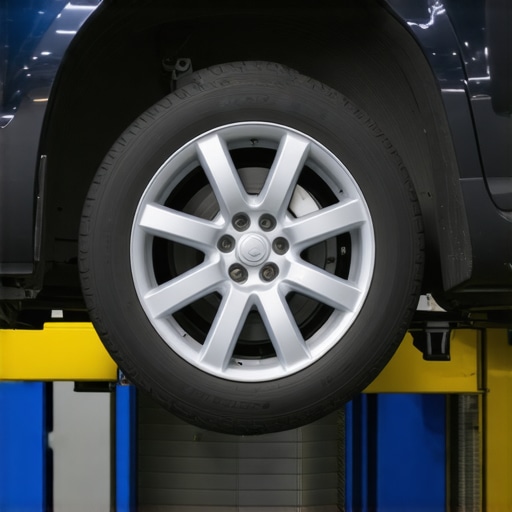
Deciphering Post-Alignment Pulling: When Front-End Repairs Fall Short
Even after meticulous professional wheel alignment, some vehicles persistently pull to the left, challenging even seasoned automotive technicians. This phenomenon underscores the complex interplay of mechanical, hydraulic, and electronic systems within modern automobiles. Recognizing these underlying factors requires a nuanced understanding of auto repair intricacies, especially in preventive brake service and routine tune-ups.
Beyond the Surface: Uncommon Causes of Persistent Vehicle Drift
One overlooked aspect is the condition of suspension components like bushings and ball joints, which, if worn or damaged, can counteract alignment efforts. Additionally, uneven tire wear or improper tire pressure—factors intricately linked to maintenance regimes—alter vehicle dynamics, sometimes negating alignment corrections. As noted by industry experts, addressing side-specific tire inconsistencies is fundamental alongside advanced suspension diagnostics.
Why Do Brake and Wheel Systems Influence Alignment Outcomes?
The correlation between brake components and steering alignment is often underestimated. Hydraulic calipers, misaligned or sticking, can exert asymmetric forces, subtly pulling a vehicle during operation. Regular brake service, including caliper inspection and rotor integrity assessment, is critical to prevent such issues, especially when driveability anomalies persist post-alignment.
Assessing the Role of Power Steering and Electronic Stability Systems
Modern cars are equipped with electronic stability control (ESC) systems and power steering modules that can misinterpret sensor data, leading to compensatory steering inputs. Calibration errors or sensor misalignments can mimic mechanical pull, necessitating expert diagnostics. For example, a faulty steering angle sensor may require a precise calibration, as detailed in expert automotive guides, to restore navigational harmony.
Are You Dealing with a Vehicle That Generates Unexpected Pulls Despite Proper Alignment?
How can specialized diagnostics reveal concealed mechanical or electronic anomalies impacting steering?
In complex situations like these, comprehensive diagnostics combining wheel alignment data with suspension, brake, and electronic system assessments are essential. Engaging with master mechanics who utilize advanced diagnostic tools ensures that subtle issues—such as differential or axle misalignments—are identified and rectified before they escalate into costly repairs. Exploring expert content on maximizing brake service efficiency can provide additional insights into holistic vehicle care.
Proactively discussing these possibilities with your trusted mechanic can drastically improve auto repair outcomes. For those seeking expert advice, consulting authoritative resources or contacting certified professionals ensures your vehicle attains optimal safety, performance, and reliability.
Interested in elevating your knowledge about advanced auto repair strategies? Visit Our comprehensive auto repair guides or share your experiences to contribute to collective automotive expertise.
Proactive Maintenance: The Key to Extending Brake System Longevity
Regularly scheduled brake inspections and maintenance are vital for ensuring safety and optimal performance. Many vehicle owners overlook the importance of **routine brake service**, assuming that as long as the brakes work, there’s no need for concern. However, pro-active care—including checking pad thickness, rotor condition, and caliper operation—can prevent costly repairs and unexpected failures. For in-depth guidance, visit this detailed auto repair guide.
Precision Techniques: Boosting Brake Service Efficiency
Advanced brake service techniques, such as rotor indexing and piston calibration, significantly improve diagnostics and repair outcomes. Modern methods involve digital caliper measurements and specialized tools to ensure proper rotor runout and pad contact. For example, employing a rotor indexing kit can *prevent uneven wear and pulsation*, enhancing driving comfort. Discover more about maximizing brake service efficiency with industry-approved tips.
Challenging Common Assumptions about Brake Wear
Many assume that brake pad replacement alone resolves issues like squealing or vibration. However, expert analysis indicates that underlying factors such as **caliper sticking**, uneven rotor surfaces, or improper anti-corrosion measures may be the root causes. Addressing these nuances is essential for lasting brake performance. Insights from industry leaders emphasize that a comprehensive approach—evaluating everything from brake fluid condition to hardware integrity—yields better long-term results.
Can Your Brake System Handle the Strain of Modern Driving Demands?
What diagnostic tools and expert strategies can identify hidden faults before they become emergencies?
Employing advanced diagnostic tools like electronic calipers, ABS scanners, and sensor calibration must be part of a modern mechanic’s toolkit. For instance, the proper use of rotor indexing kits can eliminate pulsation issues caused by uneven rotor surfaces—a common, yet often overlooked, problem. Regular evaluation of these components using expert methods can reveal subtle anomalies, ensuring your brake system remains responsive and reliable. For additional insights, explore our comprehensive auto repair articles.
Engaging with seasoned professionals who understand the intricacies of brake system diagnostics helps prevent roadside emergencies and extends vehicle lifespan. Don’t hesitate to ask your mechanic about their diagnostic protocols to ensure you’re receiving top-tier service.
Are you interested in deepening your understanding of brake technology? Consider browsing our curated resources or reaching out to certified specialists for tailored advice and service plans. Maintaining a vehicle’s brakes isn’t just about stopping—it’s about ensuring safety and confidence behind the wheel at all times.
Turbocharge Your Vehicle Diagnostics for Precision Repairs
In today’s automotive landscape, the journey toward pinpoint accuracy in vehicle diagnostics demands more than just standard checks. Technicians equipped with cutting-edge tools and deep systemic understanding can unearth subtler issues, often overlooked by conventional methods. For example, integrating lean engine diagnostics with driver behavior analysis can reveal discrepancies leading to persistent pulling problems. As vehicles become more interconnected, leveraging data from onboard computers via OBD-II scanners combined with real-time telemetry enhances diagnostic clarity, enabling a move from reactive repairs to proactive maintenance.
What innovative diagnostic techniques are reshaping auto repair paradigms?
Advanced scan tools now utilize sophisticated algorithms capable of cross-referencing multiple sensor inputs and historical data, creating diagnostic profiles that are both predictive and descriptive. Techniques such as ultrasonic inspection for suspension components and laser alignment with sub-millimeter precision now provide unparalleled insights. Incorporating these methodologies not only shortens repair cycles but elevates quality, leading to longer-lasting fixes and heightened safety margins.
Harnessing the Power of Vibration Analysis and AI in Repair Strategies
Vibration analysis, historically employed in machinery maintenance, is carving out a niche within automotive diagnostics. By deploying accelerometers and frequency spectrum analyzers, technicians can detect imbalances, misalignments, or abnormal wear patterns conspicuous only through subtle vibrational anomalies. Paired with artificial intelligence—trained on vast datasets—these systems can now predict imminent failures before symptoms surface visibly. Such integration supports decision-making that minimizes downtime and reduces service costs.
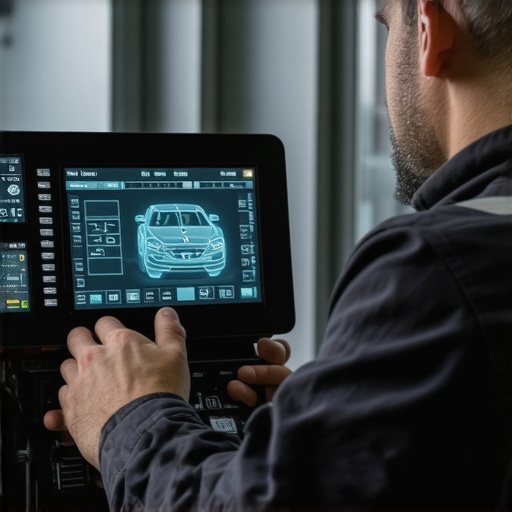
Imagine a technician utilizing a vibration analysis device on a vehicle’s wheel assembly, with AI-driven alerts indicating potential issues long before test drives reveal anomalies.
Deciphering the Influence of Electronic Stability and Assist Systems on Vehicle Alignment
Modern vehicles incorporate a suite of electronic aids—Electronic Stability Control (ESC), Adaptive Cruise Control, and Lane Keep Assist—that constantly interpret a web of sensor data to optimize safety. However, these systems can sometimes counterintuitively exacerbate alignment issues if miscalibrated. For instance, a misaligned steering angle sensor can send erroneous inputs, prompting the ESP to apply unintended corrective forces, mimicking pulling or instability. Conducting dedicated calibration routines using manufacturer-specific diagnostic software ensures these electronic aids harmonize seamlessly with physical alignment adjustments.
Can electronic system misalignments masquerade as mechanical faults?
Indeed, sensor errors and calibration lapses can produce symptoms akin to mechanical misalignments, such as steering wheel off-center or uneven tire wear. Relying solely on physical inspection without considering the electronic light signals or system logs can lead to misdiagnosis. According to a detailed analysis published in the SAE International Journal of Vehicle Electronics and Computing, integrated diagnostic approaches—combining mechanical inspection with electronic calibration—are essential for comprehensive vehicle health management. This holistic approach ensures diagnosis accuracy and repair longevity, compelling technicians to stay updated with evolving software protocols.
For dedicated practitioners, understanding the symbiosis of mechanical and electronic systems is not just beneficial but imperative. Deepening your expertise through manufacturer training and advanced diagnostic courses will empower you to unravel complex failure modes in an increasingly electrified automotive world.
Leveraging Data Analytics for Precision Vehicle Diagnostics
In the era of interconnected vehicle systems, harnessing data analytics has become paramount for diagnosing elusive issues like persistent pulling despite proper alignment. By integrating telematics data with onboard diagnostic systems, technicians can identify patterns correlating driving conditions, sensor anomalies, and component wear, facilitating preemptive repairs. This proactive approach reduces downtime and elevates service quality, embodying a shift from reactive to predictive auto maintenance.
Smart Calibration: The Undervalued Skill in Modern Repairs
As vehicle electronics grow increasingly complex, calibration extends beyond simple sensor resets. Advanced calibration involves proprietary software, precise hardware adjustments, and understanding vehicle-specific parameters. Mastering these techniques ensures that electronic stability systems, steering angle sensors, and driver assistance modules operate harmoniously, significantly reducing false alerts and errant vehicle behavior.
Can You Detect Micro-Vibrations—The Key to Early Fault Detection?
Micro-vibration analysis offers an innovative realm for preventive diagnostics. Utilizing laser sensors and high-frequency accelerometers, engineers can spot minute changes in component behavior—such as subtle suspension deflections or bearing wear—that precede visible failure. Implementing such sensitive detection methods in routine diagnostics enhances longevity and safety, transforming maintenance from routine to realm of high-precision engineering.

Visualize a technician employing laser vibrometry tools on a suspension assembly, capturing data to predict potential fatigue points before symptoms manifest.
Understanding the Role of Hydraulic Systems in Steering and Alignment
Hydraulic power steering, though increasingly supplanted by electric assist, still impacts modern vehicle handling when malfunctioning. Issues like fluid leaks, pump wear, or pressure inconsistencies can induce asymmetric steering forces, mimicking alignment problems. Diagnosing these requires hydraulic system pressure testing and fluid analysis, underscoring the necessity for technicians to maintain fluency in both mechanical and hydraulic diagnostics.
Why Do Electronic Control Modules Occasionally Sabotage Your Efforts?
ECMs and their associated control units can inadvertently interfere with physical alignments through software-driven corrections. Firmware glitches or corrupted calibration data can cause the vehicle to self-adjust in unintended ways, defeating manual alignments. Regular software updates, coupled with factory-level reprogramming, are essential to ensure electronic components support, rather than undermine, mechanical adjustments.
Are you prepared to integrate electronic diagnostics with classic mechanical assessments seamlessly?
Bridging electronic and mechanical diagnostics demands proficiency with both hardware tools and software platforms. Training programs now emphasize systems integration, enabling technicians to interpret sensor outputs alongside physical measurements effectively. Embracing such holistic diagnostics elevates repair outcomes, reduces repeats, and enhances driver satisfaction.
Engage with cutting-edge resources and upgrade your diagnostic toolkit—almost every component of modern vehicles benefits from this integrated approach. Your commitment to mastering these advanced techniques defines your place at the forefront of auto repair expertise.
Uncover the Hidden Impact of Road Conditions on Vehicle Alignment
Uneven road surfaces, potholes, and curbs are often dismissed as minor nuisances, yet they subtly accelerate suspension wear and misalignment. Advanced diagnostic platforms now incorporate terrain data and vehicle kinematic analysis to assess how external stresses influence wheel geometry over time. Incorporating this knowledge into routine maintenance ensures that alignment stays precise despite challenging driving environments.
The Future of Auto Repair: Embracing Artificial Intelligence
Artificial intelligence is transforming vehicle diagnostics from an art into a science. AI-driven diagnostic systems analyze vast datasets from millions of repair cases, identifying correlations and predicting failures with remarkable accuracy. This technological leap enables technicians to diagnose complex issues—like inconsistent pulling caused by software conflicts—far quicker than traditional methods, fostering a new standard of efficiency and precision in auto repair.
Can AI-powered diagnostics revolutionize your approach to persistent steering issues?
Adopting AI solutions equips you to interpret sensor data autonomously, suggest targeted repairs, and forecast future component failures. Industry leaders advocate investing in such systems to maintain a competitive edge, improve diagnostic confidence, and deliver unparalleled customer satisfaction. Dive into dedicated AI diagnostic platforms and witness a transformative shift in your repair repertoire.
Innovate Beyond Standard Diagnostics for Superior Outcomes
Leverage integrated sensors and machine learning algorithms to predict component failures before symptoms manifest, leading to proactive repairs and reduced customer downtime. Utilizing AI-driven analysis refines diagnostic accuracy and streamlines repair workflows, establishing a new standard in auto service excellence.
Prioritize Evolving Electronic Systems in Every Assessment
Modern vehicles depend heavily on interconnected electronic modules. Recognize how sensor misalignments and software glitches can mimic mechanical issues, and incorporate systemic calibration routines into your diagnostic process. Staying current with manufacturer updates ensures electronic controls support precise adjustments, avoiding costly misdiagnoses.
Optimize Calibration Techniques for Long-Lasting Repairs
Advanced calibration goes beyond basics, involving specialized tools and vehicle-specific protocols. Proper sensor alignment and software reprogramming are essential, particularly for driver assistance features. Mastery of these calibration practices guarantees synchronization between hardware and software, enhancing safety and vehicle performance.
Integrate Vibration and Acoustic Analysis in Troubleshooting
Employ high-frequency vibration sensors and acoustic diagnostics to detect subtle anomalies such as bearing wear or suspension fatigue. These tools unveil early signs of failure, facilitating maintenance that preempts breakdowns and prolongs vehicle lifespan, especially in complex systems like AWD or hybrid drivetrains.
Foster a Culture of Continuous Learning and Skill Enhancement
Embrace manufacturer training, industry seminars, and online resources to keep pace with rapidly advancing auto technology. Cultivating a mindset of perpetual improvement ensures technicians remain adept at resolving the most intricate issues, thus elevating your shop’s reputation and customer trust.
Recommended Industry Resources to Deepen Your Expertise
- SAE International’s automotive electronics courses – For cutting-edge knowledge on system calibration and diagnostics.
- Automotive Service Association publications – Insights into latest repair techniques and industry standards.
- OEM technical bulletins and software update portals – Essential for maintaining compatibility with evolving vehicle technology.
- Vibration analysis tools like accelerometers paired with AI platforms – To adopt predictive maintenance capabilities.
- Online forums and professional networks, such as auto repair communities and training platforms – For peer advice and shared experiences.
Your Next Step Toward Cutting-Edge Auto Repair
Keeping pace with automotive innovation is not optional; it’s imperative. The convergence of electronic systems, AI diagnostics, and precision calibration demands a proactive approach to skill development. Engage with the latest resources, incorporate advanced tools into your practice, and challenge traditional methodologies to deliver repairs that stand the test of time. Your expertise is the key to unlocking the full potential of modern auto care—embrace it, and lead the way in automotive excellence.