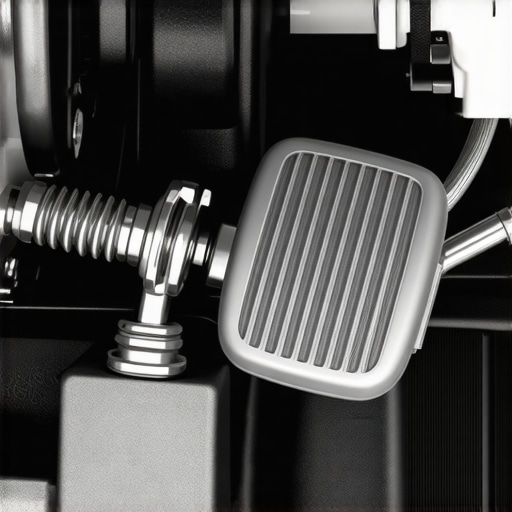
Deciphering the Complexity Behind a Spongy Brake Pedal: Beyond the Bleeding Procedure
For automotive technicians and enthusiasts alike, a spongy brake pedal remains a perplexing anomaly despite following standard bleeding protocols. This issue often signals underlying intricacies within the brake system that require diagnostic finesse and a deeper understanding of hydraulic and mechanical interactions. As experts in auto repair and tuning, exploring these nuanced factors reveals why a professional bleed might not suffice to restore optimal brake feel, prompting a comprehensive approach rooted in semantic and technical precision.
Assessing the Root Causes of Persistent Brake Pedal Softness
How Do Internal Caliper and Master Cylinder Conditions Influence Pedal Firmness?
While air entrapment is a common culprit behind spongy brakes, internal component wear—particularly within calipers, master cylinders, or ABS modules—can be insidious. Microvoids or residual moisture may compromise hydraulic pressure transmission, leading to pedal softness that defies simple bleed operations. An expert inspection involves assessing piston seal integrity and performing pressure tests to detect internal leaks or degraded materials, as outlined by authoritative sources like Auto Service Professional.
The Impact of Brake Fluid Degradation and System Contamination
Brake fluid acts as the lifeblood of hydraulic braking; over time, it absorbs moisture, diminishing its boiling point and hydraulic efficiency. Contaminants like dirt or corrosion byproducts can obstruct microchannels within ABS valves or proportioning valves, preventing proper pressure build-up. Regular diagnostics using high-fidelity scan tools and fluid analysis are vital to identify these issues, aligning with best practices advocated in advanced auto repair literature.
Inherent System Design and Compatibility Challenges
Modern vehicles often incorporate complex electronic control units (ECUs) and modulating valves designed to optimize braking performance. Mismatched or incompatible components, such as aftermarket calipers or poorly matched master cylinders, may lead to inconsistent pedal feel despite correct bleeding procedures. Expertise entails verifying system compatibility and ensuring that all hydraulic and electronic components function cohesively.
Can Variations in Brake System Configuration Cause Persistent Sponginess?
Yes, system architecture—such as drum-in-disc setups or dual-circuit configurations—can introduce variables affecting pedal response. For instance, unequal brake line lengths or insufficient filler volume can lead to uneven pressure distribution. Knowledge of engineering principles and meticulous system balancing are essential, emphasizing the importance of a holistic diagnostic mindset over simple bleeding attempts.
Engage with the Expert Community for Advanced Brake Troubleshooting
Given the layered complexity of brake system failures, calling upon peer-reviewed research or engaging in professional forums can illuminate subtle, system-specific issues. For instance, detailed guides on rotor indexing techniques exemplify the level of expertise required to tackle persistent hydraulic anomalies. Your insights could contribute significantly to collective knowledge and elevate diagnostic standards.
What Diagnostic Strategies Should Be Prioritized When Common Bleeding Fails?
Prioritization hinges on pressure decay tests, inspection of hydraulic lines for microleaks, and software-based system analysis. Employing high-precision tools such as digital calipers and vacuum testers enables a methodical approach that transcends superficial repair efforts. Remember, a comprehensive system evaluation often uncovers issues that surface-only operations overlook, aligning with the paradigms of advanced auto repair practices.
For further deep dives into brake system diagnostics and expert techniques, explore resources like The Ultimate Guide to Auto Repair. If you’re a professional technician or a keen automotive enthusiast, sharing your experience and insights can significantly enhance collective expertise in this specialized domain.
Uncovering Hidden Hydraulic and Mechanical Interactions
In complex brake systems, subtle interactions between hydraulic components and mechanical linkages often contribute to persistent pedal softness. For example, compatibility issues or unseen internal wear within the calipers or master cylinders can result in microleaks or degrade piston seals over time. Employing advanced diagnostic tools, such as hydraulic pressure decay testers and borescope inspections, allows technicians to reveal these elusive issues. Expert insights emphasize that relying solely on bleeding can overlook these critical internal factors, reinforcing the need for a comprehensive approach rooted in precision diagnostics.
Are Your Brake Fluid and System Materials Up to Par?
Beyond internal component health, the quality and condition of brake fluid play a pivotal role. Moisture contamination, often overlooked during routine maintenance, can cause vapor lock and reduce hydraulic pressure, leading to sponginess. High-quality fluid analysis coupled with moisture content testing can identify these hidden threats. Furthermore, ensure all system materials—like hoses, seals, and valves—are rated for your vehicle’s specific demands, especially considering recent trends in combining electronic and hydraulic systems for enhanced safety.
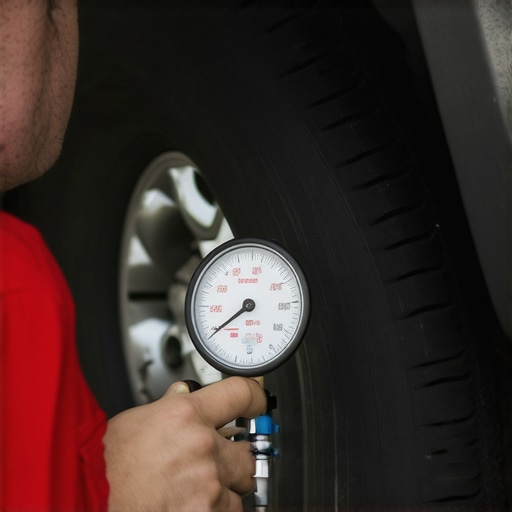
Visual diagnostics and pressure testing remain crucial. For example, inspecting microchannels within ABS modules with specialized imaging can expose obstructions caused by corrosion or debris, which impede pressure transmission. Continuous education on evolving system designs, such as integrating electronic control units, ensures that technicians accurately interpret diagnostic results, preventing misdiagnoses and unnecessary repairs.
Is System Design the Overlooked Culprit Behind Ongoing Brake Issues?
Some vehicles incorporate intricate dual-circuit setups or unique module arrangements that can cause flow irregularities. For instance, uneven line routing or inadequate system fill might generate inconsistent pedal feel. Advanced knowledge of vehicle-specific hydraulic schematics is essential for diagnosing these issues correctly. Calibration and system balancing, often involving software updates or component replacements, may be required to restore expected pedal firmness, highlighting the importance of considering the vehicle’s entire hydraulic architecture.
Team Up with Industry Experts for Cutting-Edge Troubleshooting
Engaging with professional communities and accessing detailed technical bulletins can offer fresh perspectives on persistent problems. For example, specialized guides on auto repair myths emphasize the necessity of trusting diagnostic data over assumptions. Sharing real-world experiences and solutions enhances collective expertise, especially when tackling atypical or compounded brake system failures.
What Advanced Diagnostics Are Essential When Standard Bleeding Fails to Resolve Pedal Softness?
Prioritizing pressure decay testing, sodium chloride contamination detection, and electronic system analysis can uncover hidden leaks or controller malfunctions. Incorporating high-precision tools like differential pressure testers and scan tools that read live data streamlines the troubleshooting process. Remember, understanding the entire hydraulic-electronic interface often reveals root causes that superficial repairs cannot address, underscoring the importance of a layered diagnostic strategy, as detailed in comprehensive tune-up guides. Your proactive diagnostic approach not only saves time but also safeguards against future brake failures, ensuring vehicle safety and customer satisfaction.
Fine-Tuning Your Brake System Judgment Through Systematic Inspection
Even after meticulous bleeding and fluid replacement, persistent sponginess in the brake pedal can test any technician’s troubleshooting acumen. Achieving truly firm brakes demands an investigative mindset—diligently interrogating each component and understanding their intricate interactions. Systematic inspection involves evaluating everything from hydraulic line integrity to electronic control signals. This approach shifts diagnostic focus from reactive fixes to proactive prevention, aligning with best practices recommended by the Society of Automotive Engineers (SAE International).
The Diagnostic Power of Hydraulic Pressure Profiles
One often underestimated tool is the pressure decay test—a step beyond simple pedal firmness checks. By measuring pressure at various points within the hydraulic circuit and tracking decay over time, technicians can infer the presence of microleaks or internal component failures. For example, an abnormally rapid pressure loss at the caliper suggests seal failure or microvoids. Employing digital pressure gauges connected to precise sensors, technicians can generate detailed pressure profiles, revealing system vulnerabilities that static checks may overlook. Understanding these patterns facilitates targeted repairs, ensuring pedal response is restored to optimal standards.
How Advanced Electronic Control Interplays Affect Brake Pedal Feel
Bridging hydraulic diagnostics with electronic controls exposes a layer of complexity that, if unaccounted for, perpetuates sponginess. Electronic Stability Control or Anti-lock Braking Systems (ABS) modulating valves may introduce subtle flow restrictions or pressure fluctuations, especially if not properly calibrated or if sensors are faulty. Modern vehicles rely on CAN bus communication to coordinate these functions — any discrepancies or delays can result in inconsistent pedal feel. Therefore, integrating electronic diagnostics, including real-time data analysis and ECU fault codes, becomes essential. Techniques such as using high-precision oscilloscopes to monitor sensor waveforms complement hydraulic tests, delivering a comprehensive picture of system health.
Addressing Microchannel Blockages: A Hidden Threat to Consistent Braking
One of the less visible yet critical issues are microchannel obstructions within valves or master cylinders. Corrosion, debris, or even manufacturing defects can silently impair fluid flow, causing uneven or delayed pressure build-up. Conducting microscopic inspections or employing advanced imaging technologies like ultrasonic scanning enhances defect detection capabilities. Recognizing subtle signs—such as inconsistent pedal feel during various driving conditions—can prompt targeted interventions, including flushing hydraulic circuits with specialized cleaning agents or replacing affected components. Staying abreast of innovations in hydraulic diagnostics empowers technicians to identify these elusive problems before they manifest as safety hazards.
Can External Factors Exacerbate Internal Brake System Challenges?
Environmental influences—like humidity, temperature fluctuations, or particulate contamination—often compound internal system issues. For example, cold weather can cause brake fluid viscosity to increase, impairing piston movement and hydraulic responsiveness. Dirt accumulation or moisture ingress through compromised seals introduces corrosion and microleakages, further undermining system integrity. Regular diagnostic routines must, therefore, incorporate environmental assessments—checking for signs of corrosion, seal deterioration, or fluid contamination—using analytical tools such as moisture meters and thermal imaging cameras. Recognizing and mitigating external factors help extend component lifespan and maintain brake pedal firmness over time.
Engaging the Technicians’ Collective Wisdom for Progressive Solutions
Progress lies in shared expertise—consulting industry-specific forums, reviewing OEM technical service bulletins, and participating in hands-on workshops. Real-world case studies, like those documented by the Association of Diesel Specialists (ADS), reveal nuanced troubleshooting pathways that refine diagnostic acumen. Contributing insights or seeking peer validation in these forums fosters a culture of continuous learning, ultimately translating into more precise and effective repairs. Remember, complex brake system issues rarely have a singular root—they evolve from interconnected mechanical and electronic factors demanding a multidisciplinary approach.
What Cutting-Edge Technologies Can Accelerate Fault Detection in Brake Hydraulics?
Emerging diagnostic tools—such as microfluidic sensors capable of real-time pressure mapping and machine learning algorithms analyzing vast diagnostic datasets—are revolutionizing brake troubleshooting. These technologies enable instant identification of pressure irregularities and predict component failures before symptoms manifest. For instance, integrating AI-driven diagnostic platforms with vehicle communication systems allows proactive maintenance, reducing downtime and enhancing safety. Embracing such innovations requires ongoing training but ultimately empowers technicians to solve the most persistent and nuanced braking issues with unprecedented speed and accuracy. For more information on adopting these technologies, explore collaborations with industry-leading OEMs and research institutions dedicated to automotive diagnostics innovation.
Unlocking Hidden Brake System Culprits with High-End Diagnostic Procedures
When conventional bleeding procedures fail to eliminate a spongy brake pedal, it signals that deeper systemic issues might be at play. Incorporating advanced diagnostic protocols, such as pressure decay tests and electronic stability analyses, enables technicians to pinpoint microleaks, internal component wear, or electronic control malfunctions. For example, leveraging ultrasonic imaging or infrared thermal cameras can reveal hidden hotspots or microvoids within calipers and master cylinders, shedding light on issues invisible to standard inspection methods. This approach aligns with the meticulous diagnostics recommended by OEM specialists including Bosch and Brembo, renowned for their anti-lock braking systems (ABS) that intricately couple hydraulic and electronic controls.
Deciphering the Critical Role of Hydraulic Fluid Composition and Condition
Premium brake performance hinges not just on component integrity but also on maintaining high-quality, uncontaminated brake fluid. Degraded or moisture-laden fluid can greatly impair hydraulic pressure transmission, even in systems free of air bubbles. Techniques such as gas chromatography-mass spectrometry (GC-MS) analysis facilitate detailed evaluation of fluid composition, detecting corrosion-promoting contaminants or glycol degradation. Ensuring compatibility with DOT specifications and adopting periodic fluid refreshes, particularly using high-temperature, moisture-resistant formulations, can substantially improve pedal firmness and overall safety.
The Subtle Impact of Modern Electronic Controls on Hydraulic Dynamics
In vehicles integrating advanced driver-assistance systems (ADAS), the interaction between electronic control units (ECUs) and hydraulic components becomes a pivotal diagnostic consideration. Malfunctioning sensors or miscalibrated modulating valves can introduce flow irregularities and pressure oscillations, manifesting as pedal unpredictability. Utilizing CAN bus diagnostics and real-time waveform analysis via oscilloscopes can reveal discrepancies in sensor signals or communication delays. Mastering these electronic-hydraulic interfaces is critical for specialists seeking to diagnose stubborn pedal softening issues accurately.
Can Inconsistent Build Quality of Custom or Aftermarket Parts Fuel Brake Pedal Softness?
Not all aftermarket components meet the rigorous standards necessary for optimal hydraulic performance. Variability in caliper piston tolerances, seal material quality, or hose manufacturing can produce microleaks or pressure losses, hampering pedal firmness despite proper bleeding. Performing comparative bench tests and consulting OEM specifications ensures that replacements maintain system integrity. OEM-part matching and adherence to precise torque specifications during installation serve as best practices, especially when troubleshooting persistent pedal issues.
Leveraging Fluid Dynamics to Detect and Prevent Microchannel Obstructions
The intricate microchannels within ABS and proportioning valves are susceptible to clogging by debris or corrosion byproducts. Techniques like ultrasound Doppler imaging combined with hydraulic flow simulations can detect subtle constrictions affecting fluid velocity and pressure dispersion. For hands-on practitioners, understanding the principles of fluid mechanics enables proactive maintenance, such as scheduled flushing with specialized solvents. These measures prevent microchannel obstructions from compromising pedal response, ensuring a safe, responsive braking experience.
Exterior Factors That Exacerbate Internal Brake System Damages
Environmental influences such as salt spray, ambient humidity, and temperature swings accelerate corrosion and compromise seals within hydraulic assemblies. Employing diagnostic tools such as moisture meters and visual corrosion assessments can detect early signs of deterioration. Implementing protective measures, like sealed covers or corrosion-resistant coatings, can prolong the lifespan of internal components and maintain pedal firmness. A holistic approach that considers both internal and external factors is crucial for sustained braking performance.
The Power of Integrated System Diagnostics for Brake Pedal Stability
Emerging diagnostic paradigms blend hydraulic testing with electronic system monitoring to offer comprehensive insights. Utilizing machine learning algorithms on data collected from pressure sensors and ECU logs accelerates fault detection beyond traditional methods. These systems can forecast potential failures, such as seal wear or sensor drift, before symptoms manifest as pedal softness. For professionals committed to staying ahead of the curve, investing in such integrated diagnostic solutions positions you as a leader in automotive safety and reliability.
Engage and Elevate Your Troubleshooting Arsenal by Collaborating with Industry Experts
Participating actively in specialized forums, OEM technical briefings, and ongoing training sessions empowers technicians with the latest troubleshooting methodologies. Industry collaborations, like those facilitated by SAE International or the Bosch Automotive Service Solutions platform, provide access to cutting-edge research and case studies. Sharing your experiences and solutions also fosters a community-driven environment that accelerates advancements in diagnosing complex brake system issues, ultimately benefitting vehicle safety and driver confidence.
Which Diagnostic Innovations Are Revolutionizing Brake System Repairs Today?
Emerging tools like microfluidic sensors capable of providing real-time hydraulic pressure mapping, combined with artificial intelligence (AI)-powered diagnostic software, are transforming traditional inspection techniques. These technologies facilitate proactive identification of sealing defects, microleaks, and electronic anomalies, significantly reducing diagnostic timeframes and increasing accuracy. Embracing such innovations requires staying abreast of industry trends and continuous skill development, but the payoff includes elevated repair precision, enhanced safety outcomes, and increased customer trust. To explore these advancements further, consider collaborating with OEM research initiatives or specialist diagnostic tool providers—your advanced expertise can lead the industry’s evolution.
Expert Strategies for Deep Brake System Diagnostics
Prioritize pressure decay testing to uncover microleaks hidden within hydraulic components, ensuring accurate diagnosis beyond surface-level inspections.
Employ high-fidelity pressure sensors and scan tools to monitor real-time data, facilitating precise identification of internal faults that standard bleeding procedures may overlook.
Combine electronic system reviews with hydraulic assessments to detect electronic control malfunctions influencing pedal firmness, fostering a holistic approach to brake system health.
Utilize imaging technologies like ultrasonic scanning to visualize microchannel obstructions within ABS modules, preempting safety-critical failures caused by unseen corrosion or debris buildup.
Implement quality control checks on aftermarket parts to match OEM standards, preventing subpar replacements from undermining brake system performance despite correct installation practices.
Regularly analyze brake fluid quality using advanced fluid testing methods to detect moisture or contaminants that compromise hydraulic efficiency and pedal feel.
Resources for Conducting Next-Level Brake Diagnostics
- Auto Service Professional – Offers detailed insights into internal component diagnostics and hydraulic testing techniques for professional technicians.
- SAE International – Provides comprehensive standards and research updates on brake system design, electronic integration, and diagnostic innovations.
- OEM Technical Service Bulletins – Critical for understanding manufacturer-specific issues and solutions, guiding precise repairs and component compatibility checks.
- Ultrasonic Inspection Equipment Providers – Suppliers of tools essential for detecting microchannel obstructions and internal corrosion without disassembly.
- Advanced Fluid Analysis Labs – Specialists capable of performing detailed brake fluid composition assessments, crucial for preventive maintenance strategies.
Reflections from the Cutting Edge of Brake Trouble-shooting
Mastering persistent brake pedal softness demands embracing both innovative diagnostic technologies and comprehensive system understanding. The key lies in moving beyond routine bleeding, integrating electronic diagnostics, and assessing internal component health with high-precision tools. Doing so positions professional technicians at the forefront of safety and reliability, enabling them to uncover subtle flaws that threaten vehicle performance and passenger security. If you’re committed to elevating your expertise, actively exploring these advanced strategies will refine your diagnostic precision and client trust. For ongoing learning and expert insights, explore the latest industry trends and participate in specialized forums where peer expertise continually pushes the boundaries of auto repair mastery.
Comments are closed.