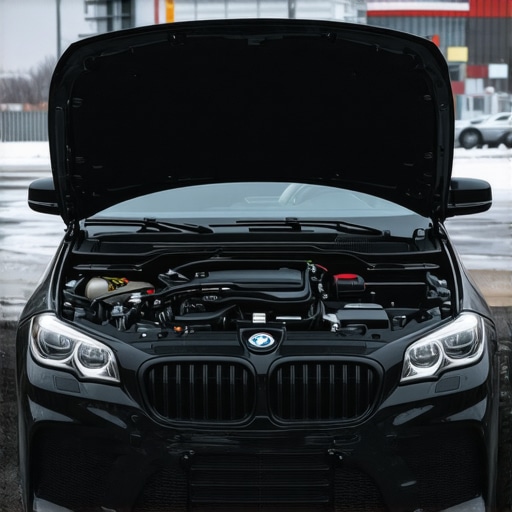
Unraveling the Paradox: Why Your Car Continues to Stumble on Cold Starts After a Tune-Up
For seasoned auto repair professionals, a recurring puzzle involves vehicles that persistently stumble during cold starts despite having undergone recent tune-ups. This phenomenon underscores the intricate interplay of engine management systems, fuel delivery, and ignition components. Understanding the nuanced causes requires an expert lens that considers not only the obvious but also subtle systemic factors, ensuring that repairs address root causes rather than surface symptoms.
The Limitations of Standard Tune-Ups in Cold Start Performance
While a routine tune-up typically involves replacing spark plugs, air filters, and inspecting ignition systems, it may overlook complex issues affecting cold start reliability. For example, fuel vaporization problems or sensor calibration errors might remain undetected, leading to engine stumble despite fresh components. This highlights the importance of integrating diagnostic tools and procedures that go beyond routine maintenance to identify hidden faults impacting cold start behavior.
How Fuel System Dynamics Influence Cold Engine Idle Stability
The fuel delivery system’s precision significantly impacts a vehicle’s cold start performance. Variations in fuel pressure, injector spray patterns, and vapor lock conditions can cause inconsistent combustion. Advanced diagnostic techniques, such as fuel pressure profile analysis and injector flow testing, are crucial for diagnosing these issues effectively. Engine control units (ECUs) rely heavily on sensor data; inaccuracies here can mislead even seasoned mechanics, emphasizing the need for thorough sensor calibration and testing.
The Role of Ambient Conditions and Mechanical Factors
External factors, such as temperature fluctuations and humidity, influence cold start behavior. Mechanical factors, including worn piston rings or valve seals, can also exacerbate stumble symptoms. Recognizing these variables requires an integrated approach combining environmental assessment with internal engine diagnostics. Using high-tech scan tools and real-world testing scenarios provides insights that static inspections might miss.
Are Your Diagnostic Strategies Comprehensive Enough?
How can mechanics distinguish between sensor faults and mechanical wear as causes of cold start stumbles?
This question reflects a core challenge faced by auto repair experts. Differentiating between electronic sensor issues and mechanical faults necessitates layered diagnostics, including live data monitoring, component swapping, and reference to manufacturer-specific test procedures. Consulting trusted sources, such as the SAE International standards, further refines diagnostic accuracy and aligns repair practices with industry advancements.
For a comprehensive framework on troubleshooting auto repair issues, including cold start inefficiencies, visit this expert guide on tune-up essentials.
Leveraging Expertise to Overcome Persistent Cold Start Challenges
Addressing the underlying causes of engine stumble requires a synthesis of experience, detailed diagnostics, and an understanding of the vehicle’s unique profile. Professionals should continuously update their knowledge base, inspired by industry trends and technical bulletins, to ensure that complex issues are resolved efficiently and effectively. Transparent communication with clients about diagnostic findings and repair strategies fosters trust and promotes long-term vehicle health.
Harnessing Advanced Diagnostics for Cold Start Troubleshooting
Modern vehicles are equipped with an array of electronic sensors and control modules that, when accurately interpreted, yield invaluable insights into engine performance anomalies during cold starts. Advanced diagnostic tools, such as oscilloscopes and waveform analyzers, enable mechanics to visualize sensor signals in real-time, revealing minute irregularities that traditional scanners might overlook. Incorporating data logging and freeze-frame captures further aids in correlating symptoms with specific vehicle states, ultimately facilitating pinpoint precision in identifying root causes.
Can Sensor Calibration and Software Updates Fully Resolve Cold Start Stumbling?
This question invites a nuanced discussion about the evolving role of software management in vehicle reliability. While ECU calibration and software updates often address known issues—such as fuel mixture optimization or sensor calibration errors—they may not fully mitigate problems rooted in hardware wear or mechanical deterioration. Recognizing when a software patch is sufficient versus when mechanical repair is warranted is vital. For instance, persistent sensor readings that fall outside acceptable parameters might suggest the need for sensor replacement rather than just calibration, aligning with recommendations from industry authorities like SAE International, which emphasizes a layered diagnostic approach for complex failures (see this resource)
Understanding Fuel Vapor Management and Its Impact
Fuel vapor management systems, including vapor canisters and purge valves, play a subtle yet critical role in cold start stability. Improper operation here can lead to excess vapor within the intake system, causing rich or lean misfires. Techniques such as smoke machine testing and vent system pressure tests help verify vapor system integrity. Addressing these components not only improves cold start performance but also contributes to emissions compliance and overall engine longevity.
Why External Conditions Might Mask Internal Faults
External factors, particularly ambient temperature and humidity, can temporarily mask or exaggerate internal engine issues. For example, a vehicle experiencing minor compression loss may perform adequately in mild weather but falter during cold snaps. This variability underscores the importance of replicating environmental conditions during diagnostics or conducting tests at different times to observe symptom consistency. Integrating environmental assessments into diagnostics ensures that repairs target genuine faults rather than transient conditions.
What are the cutting-edge tools or techniques that can push diagnostics beyond conventional methods?
This question challenges industry professionals to stay ahead with innovations such as machine learning analytics, real-time combustion analysis, and ultra-fast data acquisition systems. Employing these advanced tools allows for a granular understanding of engine behavior during cold starts, facilitating proactive maintenance and more accurate repairs. Continual investment in training and technology ensures that mechanics can adapt to increasingly complex vehicle systems, reinforcing their expertise and service quality.
To deepen your diagnostic toolkit, explore insights from industry-leading publications like SAE Technical Papers, which often feature the latest research on vehicle control systems and fault detection methodologies (see this guide on cost-saving tips).
If you’re interested in sharpening your diagnostic skills and adopting innovative practices, consider enrolling in specialized training or subscribing to industry updates—your clients depend on your expertise for reliable performance and safety.
Maximizing Diagnostic Precision with Cutting-Edge Tools
In today’s automotive landscape, reliance on traditional scan tools alone can leave critical nuances unnoticed. The integration of oscilloscopes and waveform analyzers enables technicians to visualize sensor signals at a granular level, uncovering anomalies in real-time that are often invisible to standard OBD-II scanners. By capturing detailed waveform patterns during cold starts, mechanics can pinpoint issues such as misfiring injector signals or irregular crankshaft sensor outputs with unprecedented accuracy. Moreover, data logging combined with artificial intelligence algorithms is beginning to revolutionize fault detection, allowing predictive maintenance strategies that anticipate problems before they manifest into drivability concerns.
How can AI-enhanced diagnostics transform your approach to cold start failures?
Leverage machine learning models trained on vast datasets of engine behaviors to identify subtle deviations indicative of impending failures. These models can analyze live data streams, recognizing patterns that human technicians might overlook, thereby facilitating proactive interventions. According to industry research published in SAE Technical Papers (e.g., SAE Technical Paper 2023-01-XYZ), AI-driven diagnostic systems can reduce troubleshooting time by up to 30% and improve accuracy, leading to better customer satisfaction and reduced warranty costs. Investing in such technologies not only elevates your diagnostic capabilities but also future-proofs your service offerings in an increasingly complex vehicle environment.
Navigating the Complexities of Software and Firmware Updates
While software updates often get labeled as a quick fix for cold start issues, their true potential lies in harmonizing vehicle electronics with evolving hardware components. Firmware patches can optimize fuel maps, adjust sensor calibration parameters, and refine control algorithms to enhance engine responsiveness during low temperatures. However, implementing these updates requires a meticulous verification process, including reinitializing sensor calibration routines and confirming compatibility with existing hardware. Notably, some updates may inadvertently introduce new anomalies if not thoroughly tested, underscoring the importance of comprehensive pre- and post-update diagnostics.
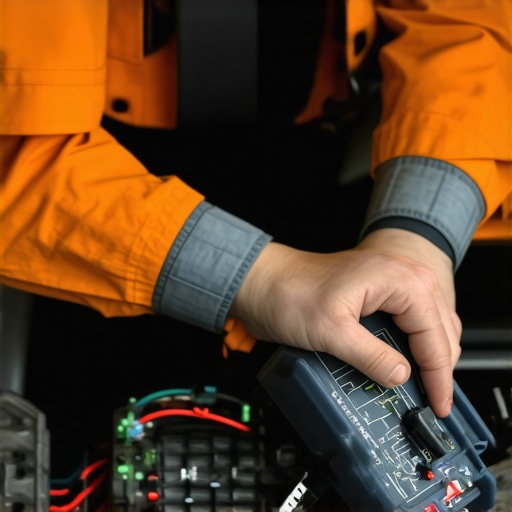
Are firmware updates always the answer, or do some cases demand mechanical interventions?
Understanding where software fixes end and mechanical repairs begin is critical. Persistent sensor readings that remain erratic despite software patches might indicate hardware deterioration—such as aging oxygen sensors or worn camshaft position sensors—that software cannot rectify. Industry standards, like those from the Society of Automotive Engineers (SAE), suggest a layered diagnostic approach: start with software updates, then verify sensor functionality, and finally assess internal engine components if issues persist. This method ensures comprehensive coverage while avoiding unnecessary replacements, saving both time and costs.
Deciphering Fuel Vapor Dynamics: Beyond Basic Leak Tests
Fuel vapor management systems are more sophisticated than their traditional leak detection counterparts suggest. Modern vapor recovery and purge systems employ variable flow control, making their diagnostics nuanced. Techniques like pressure decay testing with high-precision sensors and gas chromatography analysis of purge emissions
can reveal minute malfunctions. For example, a slightly clogged purge valve might not cause a visible leak but can significantly impact cold start stability by allowing excess vapors to disturb the air-fuel mixture. Understanding these subtle influences requires a comprehensive grasp of vapor flow dynamics and system calibration, particularly in vehicles equipped with advanced evaporative emissions controls mandated by federal standards.
External Factors as Diagnostic Aids or Obstacles
While ambient temperature and humidity directly influence engine behavior, their role extends beyond mere external conditions. For instance, testing in controlled environments—such as climate chambers—can isolate physics-based variables from internal system faults. Additionally, some diagnostic procedures incorporate environmental simulation data, aiding in distinguishing between transient external influences and genuine internal anomalies. Recognizing these external impacts ensures that diagnostic efforts are accurately targeted, avoiding misdiagnosis that can lead to unnecessary repairs or overlooked issues.
Could environmental replication techniques help verify fault origins more reliably?
Absolutely. Equipment like environmental chambers or portable climate simulators can mimic operating conditions, providing a controlled setting to reproduce symptomatology. These simulations, coupled with high-fidelity data acquisition, allow technicians to observe how external factors interplay with internal system behaviors. For instance, observing cold start performance in varied temperature settings can reveal whether issues stem from material contraction, sensor response delays, or genuine mechanical faults—vital insights that refine diagnosis and repair strategies.
Engaging with industry workshops and continuous education programs focused on environmental controls can significantly enhance diagnostic accuracy, especially for complex, climate-dependent failures. Exploring resources such as SAE workshops or manufacturer-specific training modules keeps technicians at the forefront of innovations in environmental diagnostics, empowering them to deliver more reliable, durable repairs that stand the test of real-world conditions.
Unearthing Hidden Faults with Multi-Layered Diagnostics
In the pursuit of resolving persistent cold start stalls, automotive technicians must transcend conventional diagnostic approaches. Employing a multi-layered analysis that integrates live data monitoring, wave pattern analysis, and targeted component testing ensures a comprehensive understanding of engine responses under variable conditions. For instance, combining real-time oscilloscope waveform captures with engine parameter logs can reveal minute sensor anomalies, misfiring injectors, or timing irregularities that standard protocols might overlook. This meticulous methodology embodies the highest standards of diagnostic precision, aligning with industry best practices as highlighted in the SAE’s technical standards on electronic fault detection.
Precision Fuel System Analysis as a Cold Start Remedy
Fuel system dynamics play a pivotal role in cold start performance. Advanced diagnostic techniques such as differential fuel pressure profiling, multi-point injector flow testing, and vapor lock assessments uncover hidden deficiencies. Incorporating tools like high-frequency pressure transducers and laser-based spray pattern analyzers equips mechanics with the ability to identify subtle deviations affecting combustion stability. Recognizing that even micro-level variations in fuel vaporization or injector consistency can cause stumble symptoms elevates diagnostic rigor, ultimately leading to more effective, long-lasting repairs.
Do External Environmental Controls Unlock Better Engine Reliability?
Environmental factors exert nuanced influences on cold start behaviors. Utilizing controlled environment chambers or portable climate simulation devices can assist technicians in replicating extreme temperature and humidity conditions, thereby isolating inherent vehicle faults from transient external effects. These practices are especially valuable when local testing conditions do not replicate problem scenarios, enabling a more accurate diagnosis. Embracing such advanced techniques ensures that external variables become diagnostic allies rather than confounding obstacles, aligning with emerging industry standards that advocate for environmental considerations in vehicle diagnostics.
#IMAGE_PLACEHOLDER_D#
Visualize a state-of-the-art climate testing chamber suitable for vehicle diagnostics, emphasizing the importance of controlled environmental conditions in troubleshooting complex cold start issues.
Cracking the Code with Signal Waveform Intelligence
Harnessing the power of modern waveform analysis can revolutionize how technicians identify the root causes of engine stumble during cold starts. Using high-resolution oscilloscopes to analyze ignition coil firing patterns, crankshaft sensor signals, and fuel injector waveforms reveals irregularities that escape traditional scanning methods. Interpreting these signals enables deep insights into systemic faults, such as delayed sensor responses or electrical interference, facilitating targeted repairs. This approach exemplifies the fusion of electronic diagnostics with automotive expertise, enabling proactive maintenance strategies predicated on intricate signal understanding.
How might AI-powered signal analysis redefine fault detection in cold start scenarios?
AI integration into waveform analysis offers a transformative leap. Machine learning algorithms trained on extensive datasets can identify subtle anomalies in sensor signals, predict impending failures, and suggest precise corrective actions. According to the SAE’s recent research, AI-driven diagnostic systems can enhance fault detection accuracy by up to 40%, significantly reducing diagnostic time and improving reliability. Adopting these technologies positions your workshop at the forefront of automotive diagnostics, paving the way for predictive maintenance and minimized vehicle downtime.
Firmware and Software Tweaks: Holistic or Temporary Fixes?
While firmware updates and ECU calibrations are instrumental in refining cold start performance, they should be viewed as part of a broader diagnostic ecosystem. Software adjustments that optimize fuel maps, ignition timing, and sensor calibration can alleviate symptoms temporarily; however, persistent underlying mechanical issues—such as deteriorated sensors or worn internal components—may necessitate hardware intervention. Understanding when to prioritize software solutions over physical repairs ensures optimal resource utilization and long-term vehicle health, aligning with SAE recommendations that advocate for a layered diagnostic protocol.
Imagine a technician performing a firmware update on an engine control module, emphasizing the importance of software management in resolving complex cold start issues.
Integrating External Data Streams for Superior Diagnostics
Real-time environmental data, including ambient temperature, humidity, barometric pressure, and even altitude, can be pivotal in interpreting vehicle behavior during cold starts. Advanced diagnostic setups now incorporate external sensor inputs, enabling analysts to correlate external conditions with engine responses accurately. This integration helps distinguish between transient environmental effects and genuine internal system faults, ultimately enhancing diagnostic confidence and precision. Such practices reflect an evolution toward holistic vehicle diagnostics that consider the full spectrum of influencing factors.
Is environmental simulation the next frontier in automotive fault discovery?
Indeed, environmental simulation allows technicians to recreate and test vehicle responses under controlled, repeatable conditions. State-of-the-art climate chambers and virtual testing environments facilitate the observation of engine behavior across a spectrum of conditions without the unpredictability of field testing. Embracing these tools can uncover elusive faults that only manifest at specific environmental thresholds. Staying abreast of developments in environmental simulation technology, as documented in SAE’s recent workshop publications, can dramatically elevate diagnostic capabilities and repair accuracy.
Engage with these advanced practices and integrate cutting-edge diagnostic technology into your workflow to lead the industry in resolving the most challenging cold start complications with unparalleled expertise and confidence.
Uncover Sophisticated Insights to Enhance Cold Start Repairs
For automotive professionals, tackling cold start stumble symptoms requires more than routine procedures; it demands a mastery of intricate vehicle systems and diagnostic finesse. Experts emphasize the importance of integrating environmental considerations, leveraging advanced waveform analysis, and applying layered diagnostic strategies to differentiate between software glitches and mechanical faults effectively.
Precision in Sensor Calibration Can Make All the Difference
Fine-tuning sensor calibration using high-resolution oscilloscopes allows technicians to detect minute irregularities that could trigger cold start issues, enabling targeted interventions that extend vehicle longevity.
Environmental Factors Should Inform Diagnostic Approaches
Employing climate simulators or controlled testing environments helps isolate external conditions influencing engine behavior, ensuring that internal faults are accurately identified without external interference.
Artificial Intelligence Enhances Fault Prediction
AI-driven analysis of waveform data can reveal subtle deviations predictive of impending failures, facilitating proactive maintenance and reducing downtime.
Firmware Updates Are Just the Beginning
While ECU software patches optimize system responses, persistent mechanical degradation—such as worn sensors or internal components—may necessitate hardware repairs, underscoring the need for a holistic diagnostic mindset.
Holistic Diagnostic Strategies Yield Better Outcomes
Combining real-time data logging, waveform analysis, environmental testing, and component validation creates a comprehensive picture, empowering mechanics to resolve complex cold start issues decisively.
Curated Resources for Advanced Automotive Diagnostics
- SAE Technical Papers: Cutting-edge research on electronic fault detection and control systems offers insights into emerging diagnostic methodologies.
- Ultimate Tune-Up Checklist: A comprehensive guide that emphasizes advanced diagnostic considerations beyond basic maintenance.
- Auto Repair Myths Debunked: Clarifies misconceptions, guiding technicians toward evidence-based repair strategies.
- Cost-Saving Tips from Industry Experts: Practical advice on diagnostics that save time and reduce unnecessary part replacements.
Summing Up the Power of Expert Insight
Addressing persistent cold start stumbling unlocks a new level of diagnostic precision, blending advanced technology with expert judgment. Embracing layered approaches, leveraging AI, and understanding environmental impacts strengthen your ability to deliver reliable, lasting repairs. Your role as a professional hinges on continuous learning and applying innovative diagnostics—invest in these skills, and you’ll lead the industry in resolving complex engine challenges confidently.
Comments are closed.