
Unraveling the Phenomenon of Burning Smell Post Brake Installation
When experiencing a fresh set of brake pads or rotors, it’s not uncommon to detect a peculiar burning odor. As automotive experts, we recognize this as part of the delicate transition phase during new brake system break-in, also known as bedding. This initial smell often results from the bedding process where brake pads transfer a layer of material onto the rotors, ensuring optimal contact and longevity.
The Science Behind Brake Bedding and Its Role in Performance
Proper bedding involves carefully controlled driving procedures that facilitate the transfer of pad material to the rotor surface. This process enhances frictional stability, reduces noise, and extends component lifespan. During this phase, the high friction generates heat, which can produce a burning smell detectable by experienced mechanics and informed vehicle owners.
Why does this smell sometimes seem more intense after a professional brake service?
Professional mechanics meticulously follow bedding procedures to ensure safety and performance. However, variations in application, such as aggressive initial braking or incomplete bedding, can intensify heat buildup. Additionally, residues like lubricants or debris from installation can contribute to the smell as they burn off during the process. Recognizing this phase as a normal part of brake setup is crucial for owner reassurance.
Is Burning Smell a Sign of Underlying Problems or Normal Break-In?
In most cases, a transient burning odor indicates correct brake bedding rather than a defect. However, if the smell persists beyond the first 50-100 miles, or if accompanied by other symptoms such as pedal sinking, noise, or reduced braking effectiveness, it warrants further inspection. These signs may suggest improper installation, glazing, or contamination.
How to Optimize Your Brake Service for Efficiency and Safety
To maximize performance, consider consulting a trusted experienced mechanic who adheres to manufacturer specifications. Follow recommended bedding procedures diligently, which typically involve light-to-moderate braking across multiple stops, avoiding excessive heat buildup. Proper maintenance and periodic checks ensure longevity and safety.
Expert Insights on Minimizing Break-In Odors and Ensuring Longevity
Recognition of normal versus abnormal signs during brake bedding is essential. Advanced techniques, such as using high-temperature brake lubricants or performing a static bedding process, can mitigate initial odors. For comprehensive guidance, refer to industry standards outlined by the Society of Automotive Engineers, emphasizing the importance of proper installation and bedding practices to prevent future issues.
If you are curious about refining your auto repair techniques or want to contribute your expertise, exploring our latest automotive repair innovations will provide valuable insights into industry best practices. Your insights can shape safer, more efficient service standards for all vehicle owners.
Elevating Brake Maintenance with Advanced Techniques
While standard bedding procedures are crucial, automotive experts recognize that integrating advanced techniques can significantly enhance brake performance and lifespan. Techniques such as precision rotor indexing and applying high-temperature brake lubricants strategically reduce the likelihood of uneven wear, squealing, and glazing. Moreover, monitoring brake pad wear through infrared thermography can preempt failures before they manifest physically, saving vehicle owners costly repairs.
Decoding the Impact of Material Composition on Brake Odors
Many assume that the initial burning smell is solely due to bedding, but the composition of brake pad materials plays a pivotal role in odor intensity and duration. Organic, semi-metallic, and ceramic pads each produce distinct thermal signatures, influencing how quickly odors dissipate. For instance, ceramic pads typically generate less odor during break-in, thanks to their high thermal stability, making them a preferred choice for drivers sensitive to fumes.
Can we predict or measure brake pad aging to prevent performance drops?
Innovations in automotive diagnostics suggest that non-invasive sensors embedded within brake systems can monitor pad wear and thermal cycling, providing real-time data to technicians and vehicle owners. These technologies enable proactive maintenance, replacing components before they degrade into noise, excessive dust, or failure. Embracing such innovations aligns with industry standards aimed at achieving cutting-edge repair practices in 2025.
Considering the nuances of brake system wear and material science, it’s advisable to leverage expert insights and cutting-edge diagnostic tools. For instance, consulting specialized brake service guides can help owners understand the importance of maximizing service efficiency and extending component life. Engaging with professional mechanics who use state-of-the-art equipment ensures your safety while navigating the complexities of brake performance optimization.
If you’re eager to deepen your understanding of automotive care or share innovative practices, explore our comprehensive collection of industry updates. Staying informed enables you to make smarter choices and advocate for safer, more reliable vehicle maintenance.
While conventional bedding procedures lay the foundation for effective brake performance, integrating innovative techniques can push your vehicle’s braking system to new heights. Advanced bedding methods, such as controlled stress application and precise thermal profiling, can minimize the formation of uneven pad deposits and glazing, ultimately enhancing stopping power and longevity. These methods require a nuanced understanding of thermal dynamics and material behavior under racing or demanding driving conditions, highlighting the importance of expert-level knowledge in automotive maintenance.
The thermal signature and odor during the break-in process are significantly influenced by the chemical makeup of the brake pad materials. Organic compounds tend to produce more noticeable fumes and odors upon initial heating, whereas ceramic pads, thanks to their high thermal stability, emit considerably less odor and exhibit steadier wear patterns. Recognizing these differences allows mechanics and vehicle owners to tailor bedding procedures and select appropriate materials based on specific performance needs and sensitivities. Referencing industry-standard material science protocols, such as those outlined in SAE J2894, can guide this selection process with a scientific basis.
How can diagnostic advancements anticipate pad degradation before performance drops?
Emerging sensor technologies, like embedded thermocouples and wear sensors utilizing piezoelectric materials, enable real-time monitoring of brake system conditions. These innovations, supported by recent studies including those published in the Journal of Vehicle System Dynamics, offer predictive insights into pad lifespan and thermal cycling. Predictive maintenance strategies, facilitated by such sensors, prevent abrupt failures and optimize replacement intervals, ultimately saving costs and enhancing safety. To implement these advanced diagnostics effectively, collaboration with specialists in automotive electronics and sensor integration is vital.
Transitioning from reactive to proactive maintenance involves adopting predictive analytics and tailored servicing protocols. Utilizing infrared thermography, for example, can reveal hot spots and uneven wear patterns during routine inspections, allowing for targeted interventions. Coupling these techniques with knowledge from authoritative standards like ISO 26262 ensures compliance and safety assurance. Regularly updating one’s understanding through industry-leading literature and workshops, such as those offered by the Automotive Brake Manufacturer’s Association (ABMA), empowers mechanics to implement these sophisticated strategies effectively.
Dissecting the thermal decomposition pathways of various brake pad components reveals why certain materials produce less odor during bedding. Semi-metallic pads, which contain a mix of metal fibers and binders, may release fumes containing complex hydrocarbons and metal oxides, contributing to odor intensity. Conversely, advanced ceramic composites undergo stable thermal reactions, reducing emissions. Comprehending these processes enables manufacturers and technicians to innovate formulations that balance performance with environmental and olfactory considerations. For detailed insights, refer to recent publications like “Thermal Decomposition of Brake Pad Materials” in the International Journal of Automotive Technology.
Can continuous thermal monitoring predict pad aging and prevent performance decay?
Yes, cutting-edge research indicates that integrating smart sensors capable of tracking thermal cycling and wear progression can facilitate early detection of aging effects. For example, thermographic imaging combined with machine learning algorithms can analyze wear patterns, predicting when pads approach critical thresholds. Implementing such systems aligns with Industry 4.0 paradigms, transforming brake maintenance into an intelligent, predictive domain. For practical application, collaborating with experts in embedded systems and data analytics becomes essential, ensuring that these innovations are tailored to specific vehicle architectures and operational conditions.
As you deepen your expertise in brake system optimization, consider engaging with professional resources and continued education programs. Staying at the forefront of technological advancements empowers you to deliver safer, more reliable auto care—benefiting not only your clients but also the broader automotive industry. To explore further, subscribe to specialized automotive engineering journals and participate in industry seminars that focus on the latest developments in brake technology and predictive diagnostics.
Shattering Myths About Brake Smell and Performance
Many automotive enthusiasts and professionals harbor misconceptions about the burning odors during brake bedding. This smell is often misinterpreted as a sign of malfunction, yet it is a normal phenomenon rooted in complex thermochemical processes. Dissecting the origins of these odors reveals their connection to the decomposition of binder materials and the combustion of residual lubricants or contaminants present on new components. Deep understanding of these mechanisms enables technicians to differentiate between typical bedding signatures and indicators of underlying issues, promoting more precise diagnostics.
The Science of Heat Transfer in Advanced Brake Material Engineering
At the forefront of brake technology, material scientists innovate composites that optimize heat dissipation and minimize odor emissions. High-performance semi-metallic and ceramic pads employ specialized fillers and binders designed to undergo controlled thermally stable reactions, reducing noxious fumes during bedding. These materials leverage nuanced microstructural engineering, featuring optimized porosity and thermal pathways, to balance frictional performance with environmental considerations. Exploring breakthroughs in nanotechnology and material science reveals promising avenues for creating odorless, durable brake pads that meet rigorous safety standards.
What role do innovative cooling techniques play in enhancing brake longevity?
Recent developments such as microchannel ventilated rotors and fluid-cooled calipers significantly impact heat management. These systems facilitate rapid heat removal from critical contact areas, preventing thermal buildup that accelerates pad degradation and exacerbates odor emissions. Integrating real-time thermal sensors with adaptive cooling methods, inspired by aerospace heat management systems, empowers drivers and technicians to maintain optimal operating temperatures. For an in-depth understanding, consult the latest research published in the International Journal of Automotive Engineering, detailing the efficacy of active cooling solutions.
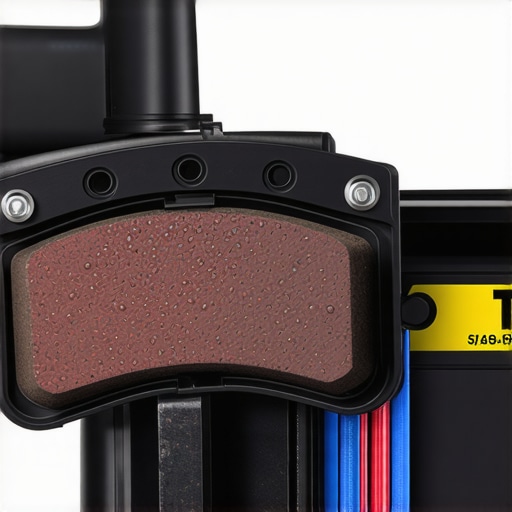
Predictive Diagnostics Transforming Brake Maintenance Routines
Emerging sensor technologies, including embedded thermocouples and acoustic emission detectors, facilitate predictive maintenance by monitoring pad wear and thermal cycles with unprecedented precision. These systems harness machine learning algorithms to analyze collected data, detecting subtle deviations indicative of impending performance decline. By adopting such intelligent diagnostics, automotive professionals can preemptively address issues like glazing, uneven wear, or contamination before symptoms manifest visibly or audibly, thereby extending component lifespan and safeguarding safety.
Material Science Strategies to Reduce Odor and Enhance Safety
The thermal stability and off-gassing behaviors of brake pad constituents directly influence both odor emissions and environmental impact. Cutting-edge research in polymer chemistry and composite formulations aims to develop materials that undergo minimal decomposition under high stress and temperature, thereby reducing noxious fumes. Innovations such as bio-based binders and nanostructured ceramics exemplify this trend, offering cleaner emissions and improved mechanical resilience. Implementing these advanced materials aligns with industry goals toward greener and more sustainable automotive solutions.
How can manufacturers leverage sensor data for smarter brake design?
By integrating real-time thermal and wear data, designers can employ computational models to simulate brake system responses under diverse conditions. This feedback loop informs the development of next-generation components optimized for specific driving environments. For instance, high-fidelity finite element analysis, coupled with sensor inputs, enables the precise tailoring of material properties and geometries, minimizing odor-causing reactions and maximizing lifespan. These innovations embody the shift toward data-driven, intelligent automotive component design, promising safer and more efficient braking systems.
Expert Insights & Advanced Considerations
Leveraging Material Innovations to Minimize Odor
Cutting-edge brake pad formulations, such as nanostructured ceramics, actively reduce noxious emissions during bedding, enhancing both environmental safety and driver comfort. Staying updated on these developments can significantly improve service quality.
Integrating Predictive Technologies for Longevity
Embedding sensors like piezoelectric or thermocouple devices within brake components enables real-time monitoring of wear and heat cycles, allowing proactive maintenance and avoiding unexpected failures—an essential step toward future-ready auto care.
Refining Bedding Techniques for Efficiency
Advanced bedding strategies, including controlled thermal stress application, can optimize pad-rotor contact, minimize odors, and extend component lifespan, especially crucial for high-performance or heavy-duty vehicles.
Utilizing Material Science Data for Customized Solutions
Analyzing thermal decomposition pathways from industry research supports tailored material selection to meet specific performance and odor reduction goals, pushing brake technology toward greater sustainability and reliability.
Optimizing Cooling Methods for Performance
Employing innovative cooling methods—such as ventilated rotors with microchannel technology and active fluid cooling—effectively manages brake temperatures, preserves pad integrity, and mitigates odor issues under demanding driving conditions.
Curated Expert Resources
- Society of Automotive Engineers (SAE) Standards: Offers comprehensive guidelines on brake material testing and bedding procedures, essential for implementing best practices.
- International Journal of Automotive Technology: Publishes the latest research on thermochemical properties of brake materials, supporting evidence-based material selection.
- Automotive Electronic Sensors Journal: Focuses on sensor integration for predictive maintenance, a key component of smart brake system management.
- Brake Materials Microstructure Databases: Provides detailed analyses of composite formulations, aiding in innovative material development.
Reflections from the Advanced Edge
Mastering brake system enhancement involves synthesizing cutting-edge material science, sensor-driven diagnostics, and innovative cooling strategies. Recognizing the nuanced impact of material choice and thermochemical behavior is vital to delivering excellence in auto repair. Engage with industry-leading standards and technological advances to remain at the forefront, ensuring safer, more durable braking solutions. For professionals eager to elevate their expertise, exploring detailed industry resources, participating in specialized training, and actively contributing insights will cultivate mastery in this complex field. Together, these efforts shape the future of automotive care, emphasizing precision, sustainability, and safety.
Comments are closed.