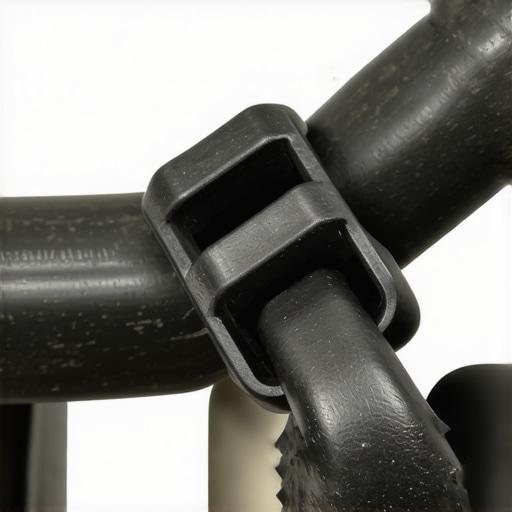
Stop Ignoring the Small Brackets That Kill Hydraulic Pressure
In the world of high-precision auto repair, the difference between a routine brake service and a life-saving intervention often comes down to a few millimeters of clearance. While many drivers focus on the friction material or rotor thickness, experienced technicians know that hydraulic integrity is the true backbone of vehicle safety. A common yet catastrophic oversight during a standard brake service involves the routing and securing of flexible rubber or braided steel lines. When a line is allowed to rub against a chassis component or a suspension arm, the resulting abrasion can lead to a sudden loss of pressure under emergency braking conditions.
Why a Simple Plastic Retainer Prevents Total System Failure
Mechanical vibration is the silent enemy of any hydraulic circuit. In a vehicle’s braking system, the fluid pressure can reach upwards of 2,000 PSI during a hard stop. If a brake line is not properly secured with a specialized mounting clip, the natural oscillation of the vehicle—coupled with the torque of the wheels—creates a “sawing” effect against nearby metal edges. This is why addressing persistent rattling isn’t just about cabin comfort; it is about preventing wall-thinning in the hydraulic conduit. A simple $7 clip acts as a mechanical isolator, ensuring the line stays within its engineered path, away from rotating components like CV axles or sharp frame rails.
Can You Feel Brake Line Abrasion Through the Pedal?
Unfortunately, physical wear on the exterior of a brake line is rarely felt by the driver until the moment the structural integrity is compromised. Unlike air in the lines, which creates a spongy feel, abrasion is a “binary” failure mode. You have full pressure until you have zero. This makes the visual inspection during an expert auto repair session critical. Professionals look for “polishing” on the line’s surface or shiny spots on the frame—clear indicators that a clip has failed or was never reinstalled after a previous repair. For those serious about vehicle longevity, integrating these inspections into your standard tune up routine is non-negotiable.
According to research by the Society of Automotive Engineers (SAE), hydraulic line routing and securement are pivotal in maintaining the duty cycle of modern ABS systems. If you notice any signs of moisture or visible scuffing on your lines, reach out to an expert to ensure your safety isn’t compromised by a missing plastic tab. Don’t wait for a leak; audit your brake hardware today and share your findings with our community of specialists.
The role of a skilled mechanic is to spot these micro-errors before they manifest as a roadside emergency. By emphasizing long-term safety and longevity over quick fixes, you protect both the vehicle and the driver from the risks of catastrophic hydraulic failure.
Chemical Breakdown Happens Faster Than Maintenance Intervals Suggest
While checking fluid levels is a staple of any DIY inspection, the chemical reality of glycol-based fluid is far more complex than a simple dipstick reading. Brake fluid is hygroscopic, meaning it actively pulls moisture from the atmosphere through microscopic pores in the rubber hoses and the master cylinder reservoir seal. Once the water content exceeds even a tiny percentage, the boiling point of the fluid drops significantly, leading to ‘vapor lock’ during heavy braking scenarios. If you have noticed that your fresh brake fluid turned black in a surprisingly short window, it is a primary indicator of internal seal degradation or high heat cycling that requires more than a simple top-off.
According to safety data from AAA, brake fluid contamination is a leading contributor to the premature failure of expensive ABS control modules and hydraulic actuators. This moisture doesn’t just lower the boiling point; it creates an acidic environment that eats away at the internal bores of your calipers. Professional technicians utilize copper strip testing or electronic refractometers to measure this contamination, ensuring the system remains chemically stable. Integrating these tests into your standard maintenance routine prevents the cascading costs associated with a complete hydraulic overhaul.
Stop Rotors from Pulsating Before You Even Bolt Them On
A frequent complaint among drivers is the development of a steering wheel shake shortly after a service. Many blame ‘warped’ rotors, but the reality is usually disc thickness variation caused by improper mounting. Even a microscopic layer of rust on the wheel hub can prevent the rotor from sitting perfectly flush. This is where the 10-minute hub scrub becomes the most important part of the job. By using a specialized cleaning tool to strip the hub surface to bare metal, you ensure that lateral runout is kept within the tight tolerances required by modern high-performance vehicles.
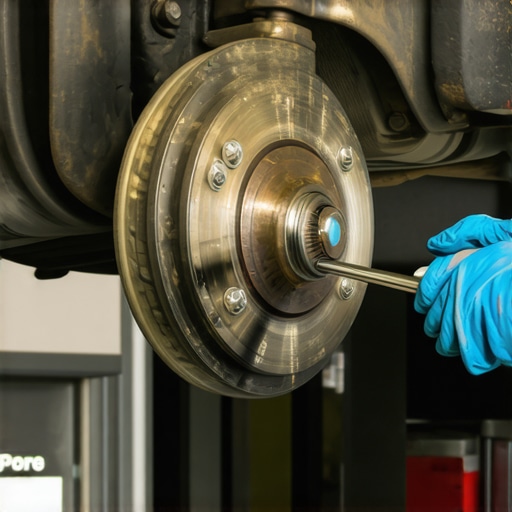
Furthermore, failing to clean the shipping oil off new rotors can lead to immediate pad glazing. This protective oil, intended to prevent shelf rust, will bake into the friction material if not removed with a high-quality solvent. Understanding how a $6 can of brake cleaner preserves your investment is key to a quiet, effective stop. When this step is skipped, you often find that new brake pads squeal almost immediately, a frustrating result that could have been avoided with five minutes of extra prep work.
Could a Pinched Vacuum Hose Mimic a Failing Master Cylinder?
Diagnostic accuracy often hinges on understanding how unrelated systems interact. Most modern vehicles rely on engine vacuum to provide power assistance to the braking system. If you experience a rock-hard pedal or a sudden increase in stopping distance, the culprit might not be the hydraulic circuit at all, but rather a leak in the intake manifold or the booster hose. For those chasing a rough idle alongside braking issues, learning how to find an intake leak can solve two problems at once. An expert-level diagnosis looks at the engine’s health as a precursor to brake performance, as a vacuum drop directly correlates to a loss of mechanical advantage at the pedal. Have you encountered a mystery pedal feel that only happens at certain engine speeds? Share your experience in the comments so our community of experts can help you narrow down the technical cause.
Stop Your Calipers from Dragging Your Performance Down
While many drivers prioritize the thickness of their friction material, the mechanical ‘floating’ ability of the caliper determines the true efficiency of every stop. In a sliding caliper system, the entire housing must move freely on guide pins to center itself over the rotor. When these pins become bone-dry or corroded, the caliper fails to retract, leading to a constant drag that generates immense heat. This isn’t just about a slight drop in fuel economy; it is a recipe for ‘brake fade,’ where the fluid reaches its boiling point and leaves you with a floor-bound pedal. Professional brake service involves more than just a pad swap; it requires a meticulous deep-clean of the bracket bores to ensure the hardware can move with zero resistance.
Choose the Right Lube or Watch Your Boots Dissolve
One of the most common mistakes in the garage is using the wrong lubricant on caliper slide pins. Many technicians reach for standard chassis grease or anti-seize, which contains petroleum distillates. These chemicals are catastrophic for the EPDM rubber boots used in braking systems, causing them to swell to twice their original size and eventually tear. Once the boot fails, road salt and moisture enter the assembly, locking the pin in place. Expert-level auto repair demands the use of high-temperature silicone-based or ceramic lubricants that are chemically inert. According to the Automotive Aftermarket Suppliers Association (AASA), lubrication failure is a primary contributor to uneven pad wear and warped rotors in vehicles over five years old. By using the correct synthetic barrier, you ensure the caliper remains responsive throughout the entire life of the friction material.
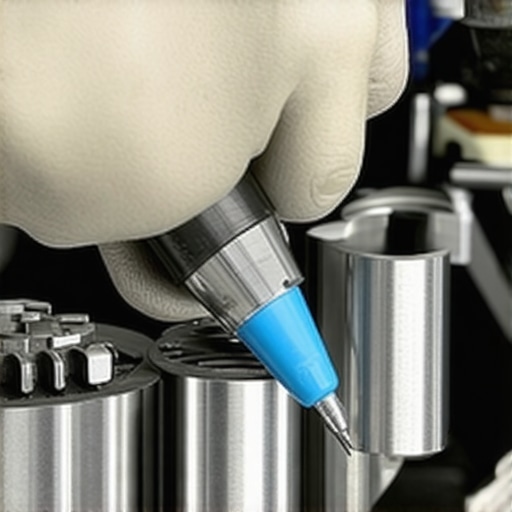
If you have ever pulled off a wheel and found that the inner pad is worn to the metal while the outer pad looks brand new, you are looking at a seized slider. This imbalance places a massive thermal load on one side of the rotor, leading to the steering wheel shake many drivers mistakenly blame on ‘cheap rotors.’ Before you buy new parts, check your pins. If they don’t slide with a single finger’s worth of pressure, your system is compromised. Have you ever struggled to remove a frozen guide pin? Join the discussion below and let us know which penetrant worked best for your toughest jobs.
Can a Rusted Tone Ring Fool Your ABS System?
Diagnostic complexity increases significantly when hardware issues mimic electronic failures. A frequent and nuanced problem is ‘false ABS activation’ at low speeds. You might be slowing down for a stop sign on a dry road when the ABS pump suddenly kicks in, creating a jarring vibration in the pedal. This is often caused by a cracked or heavily corroded tone ring—the notched wheel that the speed sensor reads. As the ring expands due to rust, the gap between the notches changes, sending a ‘phantom’ wheel-lock signal to the computer. A skilled mechanic knows to look at the live data stream from the wheel speed sensors rather than just replacing the ABS module. Cleaning the rust from the mounting surface or replacing a $30 tone ring can often save you from a $1,000 electronic repair bill. Integrating a quick sensor check into your standard tune up routine keeps the safety systems functioning exactly as the factory intended.
The Thermal Physics of High-Performance Braking
When you convert kinetic energy into heat, the rotor acts as a giant heat sink. However, even the best rotors have a thermal limit. If the air-gap between the internal cooling vanes is clogged with road debris or rust scale, the rotor cannot ‘breathe,’ causing the surface temperature to spike. This extreme heat leads to a phenomenon known as cementite formation. Cementite is an extremely hard byproduct of cast iron that forms when the metal is overheated, creating permanent ‘hard spots’ on the rotor surface. These spots are harder than the surrounding metal, meaning they do not wear down at the same rate, eventually leading to a permanent pulsation that no amount of machining can fix. Understanding how airflow and cooling influence long-term safety and longevity is what separates a backyard fix from an engineered solution.
Stop Your Master Cylinder From Moving Fluid in Circles
You might encounter a scenario where the fluid reservoir remains at the ‘max’ line and no external leaks are visible, yet the brake pedal slowly sinks toward the floorboards at a stoplight. This phenomenon, often called internal bypass, occurs when the primary piston seal inside the master cylinder loses its ability to maintain a tight interface with the bore. Instead of directing 100% of the hydraulic force toward the calipers, the fluid sneaks past the seal and recirculates into the low-pressure reservoir. This is a critical warning sign of an impending total hydraulic failure. Expert skilled mechanics prioritize testing for this by performing a ‘static pressure test’—holding constant, moderate pressure on the pedal for 60 seconds to see if any creep occurs.
Why Electronic Parking Brakes Often Require a Scan Tool
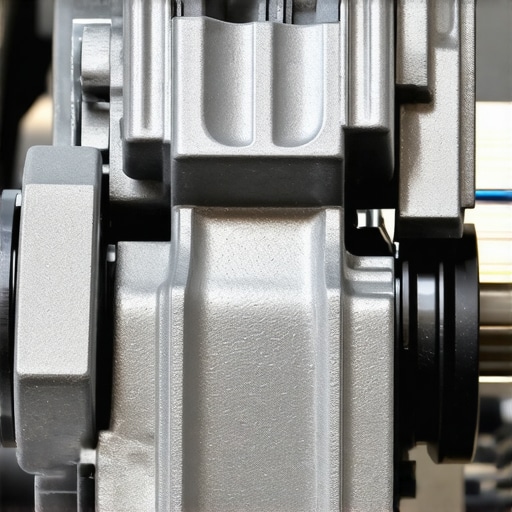
The days of simply using a C-clamp to compress a rear caliper piston are fading. Modern vehicles equipped with Electronic Parking Brakes (EPB) utilize a high-torque electric motor to apply the pads. If you attempt to force the piston back manually without first putting the vehicle into a dedicated ‘Service’ or ‘Maintenance’ mode, you risk stripping the internal plastic worm gear or damaging the Hall-effect sensors. This is where a professional scan tool or a specific sequence of ignition cycles becomes mandatory. Damaging an EPB motor turns a routine pad replacement into a multi-hundred-dollar component swap, emphasizing why modern brake service requires as much digital literacy as it does mechanical grit.
Why does your brake pedal firm up only after a second pump?
If you find yourself ‘pumping’ the brakes to get a solid feel, you are likely dealing with one of two specific issues: air trapped in the highest point of the hydraulic circuit or excessive mechanical ‘knock-back.’ While air is a common culprit after a messy repair, knock-back occurs when a loose wheel bearing or a slightly bent rotor pushes the pads further away from the disc than intended. The first pump merely brings the pads back into contact; the second pump actually applies the stopping pressure. Addressing this during a standard tune up involves checking the lateral runout of the hub to ensure the pads stay ‘pre-loaded’ and ready for immediate engagement.
Look Inside the Secret Failure Mode of Aging Brake Hoses
Rubber brake lines are often treated as ‘lifetime’ components, but they are subject to internal delamination that is invisible to the naked eye. Over a decade of heat cycles, the inner lining of the hose can collapse or fray, creating a flap that acts as a one-way check valve. Under the massive pressure of your foot, fluid is forced into the caliper to stop the car, but the return spring tension of the caliper seal isn’t strong enough to push the fluid back past the internal flap. The result is a ‘phantom’ dragging brake that generates massive heat and ruins fuel economy. According to the National Highway Traffic Safety Administration (NHTSA), inspecting for ‘ballooning’ under pressure or localized soft spots is a vital safety protocol that prevents catastrophic hose bursts during emergency maneuvers. Take a moment to inspect your flexible lines for cracks or swelling today and share your maintenance findings with our community below.
By maintaining a high standard for long-term safety and longevity, you move beyond the ‘pad-slapper’ mentality and into the realm of true automotive engineering. Don’t let a simple rubber hose or a software setting compromise your vehicle’s most important safety system.
Stop Ignoring the Small Brackets That Kill Hydraulic Pressure
In the world of high-precision auto repair, the difference between a routine brake service and a life-saving intervention often comes down to a few millimeters of clearance. While many drivers focus on the friction material or rotor thickness, experienced technicians know that hydraulic integrity is the true backbone of vehicle safety. A common yet catastrophic oversight during a standard brake service involves the routing and securing of flexible rubber or braided steel lines. When a line is allowed to rub against a chassis component or a suspension arm, the resulting abrasion can lead to a sudden loss of pressure under emergency braking conditions.
Why a Simple Plastic Retainer Prevents Total System Failure
Mechanical vibration is the silent enemy of any hydraulic circuit. In a vehicle’s braking system, the fluid pressure can reach upwards of 2,000 PSI during a hard stop. If a brake line is not properly secured with a specialized mounting clip, the natural oscillation of the vehicle—coupled with the torque of the wheels—creates a “sawing” effect against nearby metal edges. This is why addressing persistent rattling isn’t just about cabin comfort; it is about preventing wall-thinning in the hydraulic conduit. A simple $7 clip acts as a mechanical isolator, ensuring the line stays within its engineered path, away from rotating components like CV axles or sharp frame rails.
Can You Feel Brake Line Abrasion Through the Pedal?
Unfortunately, physical wear on the exterior of a brake line is rarely felt by the driver until the moment the structural integrity is compromised. Unlike air in the lines, which creates a spongy feel, abrasion is a “binary” failure mode. You have full pressure until you have zero. This makes the visual inspection during an expert auto repair session critical. Professionals look for “polishing” on the line’s surface or shiny spots on the frame—clear indicators that a clip has failed or was never reinstalled after a previous repair. For those serious about vehicle longevity, integrating these inspections into your standard tune up routine is non-negotiable.
According to research by the Society of Automotive Engineers (SAE), hydraulic line routing and securement are pivotal in maintaining the duty cycle of modern ABS systems. If you notice any signs of moisture or visible scuffing on your lines, reach out to an expert to ensure your safety isn’t compromised by a missing plastic tab. Don’t wait for a leak; audit your brake hardware today and share your findings with our community of specialists.
The role of a skilled mechanic is to spot these micro-errors before they manifest as a roadside emergency. By emphasizing long-term safety and longevity over quick fixes, you protect both the vehicle and the driver from the risks of catastrophic hydraulic failure.
Chemical Breakdown Happens Faster Than Maintenance Intervals Suggest
While checking fluid levels is a staple of any DIY inspection, the chemical reality of glycol-based fluid is far more complex than a simple dipstick reading. Brake fluid is hygroscopic, meaning it actively pulls moisture from the atmosphere through microscopic pores in the rubber hoses and the master cylinder reservoir seal. Once the water content exceeds even a tiny percentage, the boiling point of the fluid drops significantly, leading to ‘vapor lock’ during heavy braking scenarios. If you have noticed that your fresh brake fluid turned black in a surprisingly short window, it is a primary indicator of internal seal degradation or high heat cycling that requires more than a simple top-off.
According to safety data from AAA, brake fluid contamination is a leading contributor to the premature failure of expensive ABS control modules and hydraulic actuators. This moisture doesn’t just lower the boiling point; it creates an acidic environment that eats away at the internal bores of your calipers. Professional technicians utilize copper strip testing or electronic refractometers to measure this contamination, ensuring the system remains chemically stable. Integrating these tests into your standard maintenance routine prevents the cascading costs associated with a complete hydraulic overhaul.
Stop Rotors from Pulsating Before You Even Bolt Them On
A frequent complaint among drivers is the development of a steering wheel shake shortly after a service. Many blame ‘warped’ rotors, but the reality is usually disc thickness variation caused by improper mounting. Even a microscopic layer of rust on the wheel hub can prevent the rotor from sitting perfectly flush. This is where the 10-minute hub scrub becomes the most important part of the job. By using a specialized cleaning tool to strip the hub surface to bare metal, you ensure that lateral runout is kept within the tight tolerances required by modern high-performance vehicles.
#IMAGE_PLACE_HOLDER_B#
Furthermore, failing to clean the shipping oil off new rotors can lead to immediate pad glazing. This protective oil, intended to prevent shelf rust, will bake into the friction material if not removed with a high-quality solvent. Understanding how a $6 can of brake cleaner preserves your investment is key to a quiet, effective stop. When this step is skipped, you often find that new brake pads squeal almost immediately, a frustrating result that could have been avoided with five minutes of extra prep work.
Could a Pinched Vacuum Hose Mimic a Failing Master Cylinder?
Diagnostic accuracy often hinges on understanding how unrelated systems interact. Most modern vehicles rely on engine vacuum to provide power assistance to the braking system. If you experience a rock-hard pedal or a sudden increase in stopping distance, the culprit might not be the hydraulic circuit at all, but rather a leak in the intake manifold or the booster hose. For those chasing a rough idle alongside braking issues, learning how to find an intake leak can solve two problems at once. An expert-level diagnosis looks at the engine’s health as a precursor to brake performance, as a vacuum drop directly correlates to a loss of mechanical advantage at the pedal. Have you encountered a mystery pedal feel that only happens at certain engine speeds? Share your experience in the comments so our community of experts can help you narrow down the technical cause.
Stop Your Calipers from Dragging Your Performance Down
While many drivers prioritize the thickness of their friction material, the mechanical ‘floating’ ability of the caliper determines the true efficiency of every stop. In a sliding caliper system, the entire housing must move freely on guide pins to center itself over the rotor. When these pins become bone-dry or corroded, the caliper fails to retract, leading to a constant drag that generates immense heat. This isn’t just about a slight drop in fuel economy; it is a recipe for ‘brake fade,’ where the fluid reaches its boiling point and leaves you with a floor-bound pedal. Professional brake service involves more than just a pad swap; it requires a meticulous deep-clean of the bracket bores to ensure the hardware can move with zero resistance.
Choose the Right Lube or Watch Your Boots Dissolve
One of the most common mistakes in the garage is using the wrong lubricant on caliper slide pins. Many technicians reach for standard chassis grease or anti-seize, which contains petroleum distillates. These chemicals are catastrophic for the EPDM rubber boots used in braking systems, causing them to swell to twice their original size and eventually tear. Once the boot fails, road salt and moisture enter the assembly, locking the pin in place. Expert-level auto repair demands the use of high-temperature silicone-based or ceramic lubricants that are chemically inert. According to the Automotive Aftermarket Suppliers Association (AASA), lubrication failure is a primary contributor to uneven pad wear and warped rotors in vehicles over five years old. By using the correct synthetic barrier, you ensure the caliper remains responsive throughout the entire life of the friction material.
#IMAGE_PLACE_HOLDER_C#
If you have ever pulled off a wheel and found that the inner pad is worn to the metal while the outer pad looks brand new, you are looking at a seized slider. This imbalance places a massive thermal load on one side of the rotor, leading to the steering wheel shake many drivers mistakenly blame on ‘cheap rotors.’ Before you buy new parts, check your pins. If they don’t slide with a single finger’s worth of pressure, your system is compromised. Have you ever struggled to remove a frozen guide pin? Join the discussion below and let us know which penetrant worked best for your toughest jobs.
Can a Rusted Tone Ring Fool Your ABS System?
Diagnostic complexity increases significantly when hardware issues mimic electronic failures. A frequent and nuanced problem is ‘false ABS activation’ at low speeds. You might be slowing down for a stop sign on a dry road when the ABS pump suddenly kicks in, creating a jarring vibration in the pedal. This is often caused by a cracked or heavily corroded tone ring—the notched wheel that the speed sensor reads. As the ring expands due to rust, the gap between the notches changes, sending a ‘phantom’ wheel-lock signal to the computer. A skilled mechanic knows to look at the live data stream from the wheel speed sensors rather than just replacing the ABS module. Cleaning the rust from the mounting surface or replacing a $30 tone ring can often save you from a $1,000 electronic repair bill. Integrating a quick sensor check into your standard tune up routine keeps the safety systems functioning exactly as the factory intended.
The Thermal Physics of High-Performance Braking
When you convert kinetic energy into heat, the rotor acts as a giant heat sink. However, even the best rotors have a thermal limit. If the air-gap between the internal cooling vanes is clogged with road debris or rust scale, the rotor cannot ‘breathe,’ causing the surface temperature to spike. This extreme heat leads to a phenomenon known as cementite formation. Cementite is an extremely hard byproduct of cast iron that forms when the metal is overheated, creating permanent ‘hard spots’ on the rotor surface. These spots are harder than the surrounding metal, meaning they do not wear down at the same rate, eventually leading to a permanent pulsation that no amount of machining can fix. Understanding how airflow and cooling influence long-term safety and longevity is what separates a backyard fix from an engineered solution.
Stop Your Master Cylinder From Moving Fluid in Circles
You might encounter a scenario where the fluid reservoir remains at the ‘max’ line and no external leaks are visible, yet the brake pedal slowly sinks toward the floorboards at a stoplight. This phenomenon, often called internal bypass, occurs when the primary piston seal inside the master cylinder loses its ability to maintain a tight interface with the bore. Instead of directing 100% of the hydraulic force toward the calipers, the fluid sneaks past the seal and recirculates into the low-pressure reservoir. This is a critical warning sign of an impending total hydraulic failure. Expert skilled mechanics prioritize testing for this by performing a ‘static pressure test’—holding constant, moderate pressure on the pedal for 60 seconds to see if any creep occurs.
Why Electronic Parking Brakes Often Require a Scan Tool
The days of simply using a C-clamp to compress a rear caliper piston are fading. Modern vehicles equipped with Electronic Parking Brakes (EPB) utilize a high-torque electric motor to apply the pads. If you attempt to force the piston back manually without first putting the vehicle into a dedicated ‘Service’ or ‘Maintenance’ mode, you risk stripping the internal plastic worm gear or damaging the Hall-effect sensors. This is where a professional scan tool or a specific sequence of ignition cycles becomes mandatory. Damaging an EPB motor turns a routine pad replacement into a multi-hundred-dollar component swap, emphasizing why modern brake service requires as much digital literacy as it does mechanical grit.
#IMAGE_PLACE_HOLDER_D#
Why does your brake pedal firm up only after a second pump?
If you find yourself ‘pumping’ the brakes to get a solid feel, you are likely dealing with one of two specific issues: air trapped in the highest point of the hydraulic circuit or excessive mechanical ‘knock-back.’ While air is a common culprit after a messy repair, knock-back occurs when a loose wheel bearing or a slightly bent rotor pushes the pads further away from the disc than intended. The first pump merely brings the pads back into contact; the second pump actually applies the stopping pressure. Addressing this during a standard tune up involves checking the lateral runout of the hub to ensure the pads stay ‘pre-loaded’ and ready for immediate engagement.
Look Inside the Secret Failure Mode of Aging Brake Hoses
Rubber brake lines are often treated as ‘lifetime’ components, but they are subject to internal delamination that is invisible to the naked eye. Over a decade of heat cycles, the inner lining of the hose can collapse or fray, creating a flap that acts as a one-way check valve. Under the massive pressure of your foot, fluid is forced into the caliper to stop the car, but the return spring tension of the caliper seal isn’t strong enough to push the fluid back past the internal flap. The result is a ‘phantom’ dragging brake that generates massive heat and ruins fuel economy. According to the National Highway Traffic Safety Administration (NHTSA), inspecting for ‘ballooning’ under pressure or localized soft spots is a vital safety protocol that prevents catastrophic hose bursts during emergency maneuvers. Take a moment to inspect your flexible lines for cracks or swelling today and share your maintenance findings with our community below.
By maintaining a high standard for long-term safety and longevity, you move beyond the ‘pad-slapper’ mentality and into the realm of true automotive engineering. Don’t let a simple rubber hose or a software setting compromise your vehicle’s most important safety system.
Expert Insights & Advanced Considerations
Stop the Copper Erosion Before It Kills Your ABS
Beyond moisture, the actual chemical degradation of the copper brazing inside steel brake lines creates a conductive sludge. This metallic debris is a primary cause of valve blockage in ABS modules. Modern experts don’t just look for color changes; they test for copper parts per million to prevent electronic failures before they start.
Never Skip the Bench Bleed on New Cylinders
When replacing a master cylinder, air trapped in the bore can take hours to clear through traditional bleeding. Utilizing the bench bleeding hack ensures the primary and secondary pistons are fully primed before installation, preventing the frustration of a forever-spongy pedal.
Why Hardware Shims Are Not Optional
Those thin metal plates behind the pads are high-frequency vibration dampeners. Many DIYers think the brake shims are garbage, but without them, the metal-on-metal contact creates an audible resonance that no amount of grease can permanently fix. Keep your hardware clean and reuse or replace those shims for a quiet ride.
#IMAGE_PLACE_HOLDER_E#
Curated Expert Resources
- SAE International (Brake Standards): The definitive resource for hydraulic fluid specifications and mechanical testing protocols used by OEM manufacturers.
- ASE Training Modules: Professional-grade educational materials that provide the framework for certified technicians to diagnose complex ABS and stability control faults.
- AASA White Papers: In-depth industry reports on aftermarket part quality, specifically regarding the heat dissipation capabilities of various rotor alloys.
The Final Word on Hydraulic Health
True automotive safety isn’t found in a box of new pads; it is found in the meticulous attention to the hydraulic circuit’s chemical and mechanical integrity. From the hygroscopic nature of the fluid to the precise routing of a rubber hose, every detail dictates whether your vehicle stops or stalls in a crisis. By applying brake service secrets and consulting with a top-rated mechanic, you ensure your car remains a precision instrument of safety. We invite you to join our community of technical enthusiasts—leave a comment with your toughest brake diagnostic mystery or share this guide with someone planning their next weekend repair.