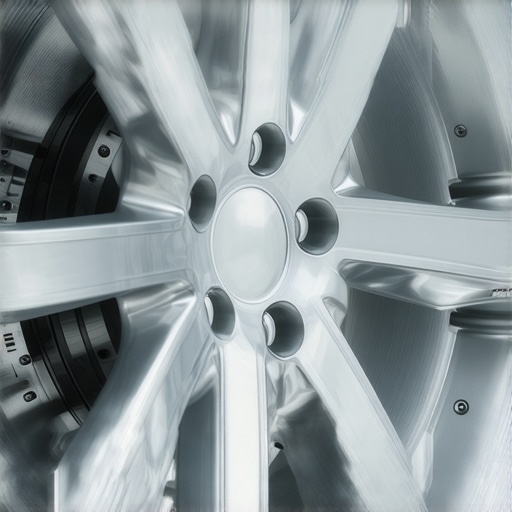
To a seasoned mechanic, brake dust is far more than an aesthetic nuisance; it is a complex byproduct of friction science that poses a legitimate threat to the structural integrity of alloy wheels. Composed of a volatile mixture of iron particles, carbon fibers, and adhesive polymer resins, brake dust is inherently acidic and abrasive. When these particles are ejected from the brake assembly at high temperatures, they can thermally bond to the wheel’s clear coat. Left unaddressed, this leads to galvanic corrosion, a process where the metallic dust reacts with the wheel’s finish, resulting in permanent pitting and discoloration. Understanding the interaction between friction materials and wheel substrates is essential for any driver committed to high-level vehicle preservation and effective auto repair.
Switch to Ceramic Compounds to Save Your Alloys
The primary driver of excessive dust accumulation is the composition of the brake pads themselves. While semi-metallic pads are praised in the industry for their exceptional thermal conductivity and cold-bite performance, their high steel wool and iron content are the leading contributors to aggressive, dark dust. For drivers prioritizing cleanliness without sacrificing safety, transitioning to high-quality ceramic pads during a brake service is the most effective intervention. Ceramic compounds utilize non-ferrous materials that produce a lighter, less adhesive dust that does not easily bond to alloy surfaces. It is important to note that improper installation can lead to noise issues, so ensuring you follow professional brake service efficiency tips is vital for a quiet and clean ride. Furthermore, high-performance ceramic pads often require specific bedding-in procedures to avoid the common pitfall of pad glazing.
Why do European performance vehicles produce significantly more wheel-damaging dust?
Many owners of German and Italian performance cars notice their wheels turn black within days of a wash. This is rarely a fault, but rather a deliberate engineering trade-off. European manufacturers frequently utilize softer rotors paired with high-mu (high friction) pads to comply with stringent high-speed stopping regulations. In this sacrificial system, the rotor itself wears down alongside the pad, contributing heavy metallic particulates to the dust cloud. If this level of maintenance is unsustainable, consult an expert mechanic about retrofitting low-dust aftermarket pads that balance stopping power with wheel longevity. Research published by SAE International (Technical Paper 2001-01-0118) confirms that the morphology of friction particles directly dictates their adherence to various substrates, proving that material science is the first line of defense against wheel damage.
Apply Hydrophobic Barriers to Repel Metallic Particulates
Beyond changing the pads, creating a chemical barrier is a professional-grade strategy used by detailing experts. Standard car wax is often insufficient because it cannot withstand the high temperatures generated near the rotors during a tune up or spirited driving. Instead, high-temperature wheel sealants or SiO2-based ceramic coatings should be applied to the wheels. these coatings lower the surface energy of the alloy, making it difficult for hot brake dust to find a foothold. This doesn’t just keep wheels cleaner; it prevents the need for aggressive acid-based cleaners that can further damage the finish over time. If you have recently performed a 10-minute hub scrub to eliminate squeals, it is the perfect time to seal the wheels while they are off the vehicle. If you are noticing persistent issues after a fresh install, investigate why new brake pads might squeal to ensure your system is functioning correctly. To ensure your vehicle stays in top condition, we invite you to share your experiences with high-performance coatings in our professional forums.
Professional-grade wheel maintenance extends far beyond a simple pressure wash; it requires a deep understanding of the mechanical tolerances within the braking system. One often-overlooked factor in excessive dust generation is the condition of the hardware that secures the pads. When these components fail, the resulting vibration creates a micro-chatter that grinds the friction material against the rotor even when the pedal isn’t depressed. Many technicians ignore these small parts, but savvy owners know that the 8 brake shims most mechanics toss in the trash are actually critical for dampening high-frequency harmonics and stabilizing the pad. Without proper shimming, the pad can shift laterally, leading to uneven wear patterns and an increase in the volume of metallic particulates expelled onto your rims. This type of instability not only creates a mess but can also mimic more serious auto repair issues, like warped rotors or suspension imbalances.
Can your braking technique actually reduce particulate shedding?
While material science plays a massive role, the physics of energy dissipation reveals that driving habits are a primary variable in dust volume. Kinetic energy is converted into heat and friction material during every braking event. Progressive braking—where the driver applies light, steady pressure earlier—allows the friction material to establish a stable transfer layer on the rotor. In contrast, ‘late-braking’ or aggressive thermal cycling causes the pad material to shear off in larger, more jagged flakes. According to technical data from the Akebono Brake Corporation, maintaining a consistent transfer layer (a microscopic film of pad material on the rotor face) significantly reduces the abrasive wear of the rotor itself. By mastering smooth deceleration, you are not just being a safer driver; you are actively managing the chemical shedding of your brake system. If you suspect your current setup is shedding too much too quickly, it might be time to audit your local mechanic after a recent brake service to ensure they used the correct lubricants on the slide pins.
Address Caliper Drag to Prevent Uneven Dusting
If you notice that one front wheel is significantly dirtier than the other, the culprit is rarely the brake pad compound. This asymmetry is a classic diagnostic symptom of a dragging caliper. A seized piston or restricted brake hose prevents the pad from fully retracting once you lift your foot, causing the pad to ‘scrub’ against the rotor continuously. This generates immense heat and a constant stream of dust, even on the highway. Identifying the simple move that fixes a sticky brake caliper can save you hundreds in premature pad replacement and prevent the permanent heat-staining of your alloy wheels. When a caliper is functioning at 100% efficiency, the dust should be distributed evenly across both wheels on the same axle. Regular inspection of the rubber boots and slide pins during a routine tune up is the best way to catch these issues before they ruin your finish.
The Critical Role of pH-Neutral Cleaning Protocols
The damage caused by brake dust is often compounded by the very products designed to remove it. Many ‘heavy-duty’ wheel cleaners rely on hydrofluoric or phosphoric acids to dissolve iron particles. While effective in the short term, these chemicals can seep into the porous structure of the alloy and begin to degrade the clear coat from the inside out. Experts in auto repair recommend using pH-neutral, iron-reactive cleaners that change color (usually to purple) as they bond with metallic particulates. This chemical reaction allows the dust to be rinsed away without the need for abrasive scrubbing that can leave swirl marks on polished surfaces. If you have noticed your wheels looking dull after a deep clean, it’s worth investigating the chemical makeup of your cleaning kit. Have you found a specific ceramic coating or cleaner that stands up to the heat of performance driving? Leave a comment below and share your results with the community so we can all keep our bays and our wheels looking pristine.
Why Slotted Rotors Might Be Painting Your Rims Gray
Beyond the friction material itself, the mechanical architecture of the rotor plays a decisive role in how particulates are evacuated from the wheel well. Slotted rotors, often preferred in heavy-duty auto repair and track settings, act like a scraper. As the pad makes contact, the slots shave the glazed surface of the pad to ensure fresh friction material is always available. While this maintains a high friction coefficient, it simultaneously increases the volume of dust released into the atmosphere. This is a deliberate trade-off for performance; however, if the slots are not designed with proper evacuation angles, they can act as a centrifugal fan, blasting hot metallic debris directly onto the inner barrel of the alloy. 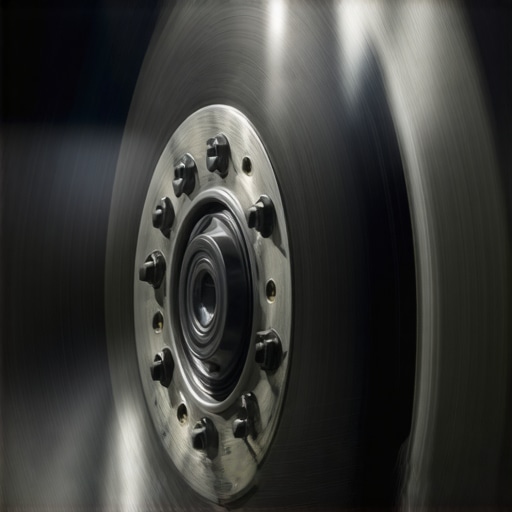 Professionals often recommend checking the directional orientation of these rotors, as installing them backwards can significantly exacerbate dust pooling and lead to uneven heat spots during a tune up.
Does drilling your rotors actually help with particulate ventilation?
The debate between cross-drilled and slotted designs is not just about heat; it is about debris management. Cross-drilled rotors were originally engineered to allow gases to escape from older pad compounds, but with modern resins, their primary function is weight reduction and aesthetics. Interestingly, these holes can become dust traps if the vehicle isn’t driven aggressively enough to clear them through centrifugal force. When dust accumulates inside these perforations, it can harden into clinkers that eventually score the rotor face. According to technical bulletins from Brembo S.p.A. regarding their PVT (Pillar Venting Technology), the internal vane geometry is far more critical for dust and heat management than the surface pattern on the rotor face. Drivers seeking the ultimate balance should look for rotors that prioritize internal airflow to pull dust away from the wheel spokes.
Stop Fighting Alignment Issues That Grind Down Your Pads
We often blame the pads for excessive dust, but the underlying suspension geometry is frequently the silent culprit behind a filthy wheel. If your vehicle’s toe-in or camber settings are out of spec, the tire is essentially scrubbing across the pavement, but a more subtle effect happens at the brake interface. Improper alignment can cause the steering knuckle to vibrate at specific frequencies, leading to caliper walk. This microscopic oscillation keeps the pad in constant, light contact with the rotor, accelerating wear without any driver input. During a comprehensive brake service, a technician should always check for bushing play in the control arms. Worn rubber components allow the caliper to shift under load, creating a wedge wear pattern on the pad that doubles the amount of dust produced on a single side of the car. If you’ve recently performed a brake service, ensuring your alignment is dialed in is the only way to protect your new components from premature degradation.
This mechanical synergy is why high-level mechanics view the braking system as an extension of the chassis. Even the aerodynamic profile of your wheels influences how long the dust remains suspended before settling. Modern aero-wheels found on electric vehicles are designed to minimize drag, but they also tend to trap heat and particulates by reducing the lateral airflow that typically washes the rotor face. This creates a stagnant micro-climate where dust can bake onto the clear coat more effectively. If you are experiencing unexplained dust spikes, consider how your driving environment—such as frequent stop-and-go traffic in humid climates—might be accelerating the chemical bonding process. We are eager to hear from owners who have made the switch to open-spoke designs specifically for better cooling; did you notice a significant change in how quickly your wheels became discolored? Your insights help the community refine these advanced maintenance strategies.
Prevent Internal Corrosion with Regular Fluid Exchanges
The hydraulic health of your system is often the missing link in a clean-wheel strategy. While most focus on the pads, a professional mechanic knows that old, moisture-laden brake fluid is a silent saboteur. Brake fluid is hygroscopic, meaning it absorbs water from the atmosphere over time. This moisture causes internal oxidation within the caliper bore, creating tiny pits that snag the piston seal. When you release the pedal, the piston doesn’t retract fully, leaving the pads in light contact with the rotor. This ‘micro-drag’ creates a constant stream of dust that coats your alloys during highway cruising. Performing a full system flush during every major tune up ensures the hydraulic ‘return’ is as crisp as the initial bite. Without this maintenance, even the highest-quality ceramic pads will shed excess material due to constant thermal friction.
Is your modern stability control system secretly generating extra wheel dust?
Modern vehicles often contribute to wheel dust without any driver input. Many high-end luxury and performance cars feature an ‘automatic brake drying’ function. When windshield wipers are active, the Electronic Stability Control (ESC) module sends a low-pressure signal to the calipers to lightly brush the pads against the rotors. This clears the film of water to ensure immediate bite in an emergency. According to technical documentation from Robert Bosch GmbH, this system can activate dozens of times during a rainy commute, resulting in unexpected dust accumulation. If you find your wheels are dirtier after a wet drive than a dry one, your car’s safety software is likely the culprit. This is a vital nuance to discuss with your auto repair specialist if you are troubleshooting excessive wear.
Invest in Carbon Silicon Metallurgy for the Ultimate Dust-Free Experience
For those seeking the pinnacle of clean performance, carbon-ceramic rotors represent the gold standard. Unlike traditional cast-iron rotors, these utilize a silicon carbide matrix that is virtually immune to the abrasive wear that creates dark dust. While the initial investment is high, they often last the life of the vehicle and eliminate the need for aggressive cleaning. If this is beyond your budget, consider ‘Surface Coated’ rotors which provide a middle-ground solution by applying a tungsten-carbide layer to a standard iron core. This hybrid approach significantly reduces particulate output without the four-figure price tag of full ceramics. Have you noticed a difference in dust levels after moving to a high-temp fluid or specialized rotor? Join the conversation in our community section and let us know which hardware upgrades actually lived up to the hype.
Check the Master Cylinder Return to Eliminate Residual Pressure
The role of the master cylinder’s compensating port is another ‘deep-dive’ topic for any serious brake service. If the brake pedal doesn’t return to its absolute top position, the compensating port remains closed, trapping pressure in the lines and keeping the pads against the rotors. This often happens after an amateur auto repair where the booster rod is improperly adjusted or a return spring has weakened. A simple check by an expert mechanic can verify if the system is ‘breathing’ correctly, preventing the thermal overload that turns your wheels black. Ensuring every component—from the pedal pivot to the bleeder screw—is optimized is the only way to achieve true braking perfection and maintain the pristine finish of your wheels over the long haul. High-performance driving demands that every millisecond of pad-to-rotor contact is intentional, not the result of mechanical binding.
Expert Insights & Advanced Considerations
Thermal Cycle Stabilization Prevents Micro-Pitting
One of the most nuanced aspects of brake maintenance involves the thermal stabilization of the rotor-pad interface. When you perform a brake maintenance hack, you aren’t just saving money; you are ensuring that the transfer layer remains consistent across the friction surface. If you notice your new brake pads smell like they’re burning, it often signifies an aggressive outgassing phase that can spray molten resin onto your wheels. A disciplined bedding-in process ensures these chemicals stay within the pad matrix rather than bonding to your clear coat.
Stop Ignoring the Caliper Slide Pin Lubricant Grade
Many technicians overlook the chemical compatibility of slide pin grease. Using a petroleum-based lubricant can cause rubber boots to swell, leading to the exact ‘micro-drag’ that creates perpetual dusting even when the pedal is not depressed. A high-level mechanic will always use a non-melting ceramic or silicone-based lubricant to ensure the caliper retracts instantly, every single time. This attention to detail prevents the silent accumulation of particulates that can ruin a finish between intervals of a tune up.
Aerodynamic Spoke Profiles
While wheel aesthetics are subjective, the physics of airflow is not. High-surface-area wheels on modern EVs act as heat sinks that lack the centrifugal force needed to eject particulates effectively. If you’re serious about your next auto repair upgrade, consider how your wheel choice dictates the lifespan of your finish. Open-spoke designs facilitate better cooling and allow air to pull dust away from the barrel spoke interface.
Curated Expert Resources
The Akebono Brake Technical Bulletins offer the industry-standard perspective on transfer layer science and how ceramic compounds minimize abrasive shedding compared to semi-metallic counterparts.
SAE International Surface Friction Data serves as a high-level repository for understanding how different alloy substrates react to metallic debris at peak temperatures during high-speed deceleration.
The Brembo PVT Technology Manuals are essential for those who want to master how internal rotor vane geometry dictates dust evacuation and overall thermal management.
Final Expert Perspective
Mitigating brake dust is a multifaceted challenge that requires a synergy between chemical barriers and precise mechanical adjustment. Whether you are performing a master cylinder bench bleed to ensure crisp response or selecting low-dust ceramic compounds, the goal is always to minimize unintentional friction. By integrating these advanced auto repair strategies, you protect the structural and aesthetic integrity of your vehicle’s most visible components. A professional brake service is never complete until the wheels are sealed and the hardware is stabilized. We invite you to share your results with different high-performance pad brands or to check out our brake service strategies to further refine your maintenance routine and keep your vehicle in show-ready condition.