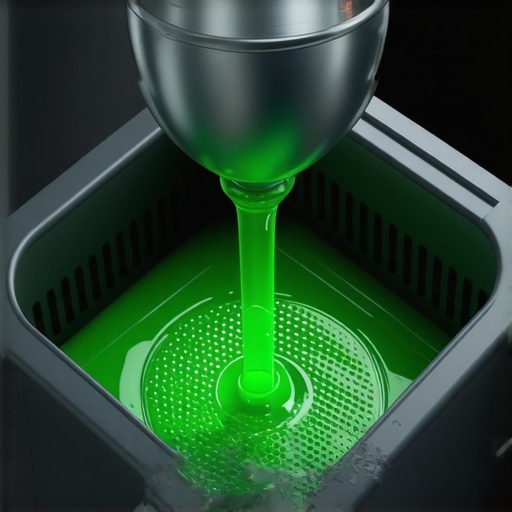
In the high-stakes environment of modern engine maintenance, thermal management remains the most underestimated variable. As an experienced mechanic, I have witnessed how a failure to maintain the cooling system leads to catastrophic head gasket failures and warped cylinder heads long before the vehicle’s expected end-of-life. A cooling system flush is not merely about swapping old fluid for new; it is a critical auto repair procedure designed to restore the chemical equilibrium of the engine’s internal environment. When the pH level of your coolant shifts, it transforms from a protective lubricant into a corrosive electrolyte, facilitating galvanic corrosion that can decimate radiators and heater cores from the inside out.
The chemical reality of coolant degradation beyond the five-year mark
Most vehicle owners treat a cooling flush as an optional luxury, much like a premium tune up, rather than a technical necessity. However, the organic acid technology (OAT) or hybrid OAT used in modern vehicles has a finite lifespan. Once the corrosion inhibitors are depleted, the ethylene glycol base remains, but the protection disappears. According to technical standards established by SAE International, the accumulation of suspended solids and the breakdown of silicate levels can lead to cavitation erosion in the water pump impeller. This is often the hidden culprit when an engine temperature spikes only while idling, even if the fluid levels appear sufficient. Integrating a thorough flush into your regular tune up checklist ensures that these chemical imbalances are corrected before they require expensive hardware replacements.
Is a simple drain-and-fill actually doing more harm than good?
Many DIY enthusiasts believe that opening the radiator petcock and refilling the reservoir constitutes a full service. In reality, a standard radiator drain only removes about 40% to 60% of the total system capacity. The remaining old, acidic coolant stays trapped in the engine block and heater core. When you mix new coolant with this degraded residual, you effectively shock the remaining inhibitors, reducing the overall efficacy of the new fluid. To perform a professional-grade auto repair at home, one must utilize a series of distilled water cycles or a vacuum-fill tool to ensure the entire circuit is purged. This level of precision is what separates a backyard fix from a high-quality service you would expect from a skilled mechanic.
Tools and containment tactics that prevent the dreaded garage spill
The primary deterrent for most home mechanics is the inevitable mess. Glycol is notoriously difficult to clean and poses a significant environmental hazard. To achieve a surgical level of cleanliness, professionals utilize large-diameter form-a-funnels and dedicated coolant refill kits that create a sealed interface with the radiator neck. Before you begin, ensure you have also inspected your vehicle’s external components; for instance, you should clean your radiator fins to ensure that once the internal chemistry is restored, the heat exchange efficiency is maximized. If you find yourself frequently topping off fluids without a visible leak, you may be dealing with hidden fluid loss elsewhere in the engine bay, which requires immediate diagnostic attention. Much like a high-performance brake service, the goal here is total system integrity, not just a superficial fluid change. If you are unsure about the specific chemical requirements of your vehicle, we encourage you to consult our latest mechanic tips for diagnosing common auto problems to stay ahead of potential failures.
When we move beyond the basic chemistry of glycol, we must address the mechanical hardware that facilitates heat transfer. A pristine cooling system relies heavily on the pressure-regulating capabilities of the radiator cap. Often overlooked, this small component is a calibrated pressure relief valve. If the spring fatigue prevents it from maintaining the specified PSI, the boiling point of your coolant drops significantly. This leads to localized boiling around the cylinder heads, creating steam pockets that insulate the metal from the liquid, causing micro-cracks. This is why a professional auto repair strategy always involves a pressure test of the cap itself, not just a visual inspection of the fluid color.
New fluid won’t save a seized thermostat or a dying water pump
Replacing the coolant is a preventative measure, but it cannot reverse mechanical wear that has already occurred. If you notice that your engine temperature spikes only while idling, it is frequently an indication that the water pump impeller has been eroded by cavitation—a direct result of neglected fluid changes. According to data from AAA Automotive, cooling system failure remains one of the most common causes of roadside breakdowns, often stemming from components that were compromised by old, acidic fluid. When performing a comprehensive tune up, one must evaluate the resistance in the thermostat’s wax pellet. If the thermostat is sticking even slightly, the most expensive performance coolant in the world won’t prevent an overheat. For those looking to dive deeper into system-wide health, checking our guide on the truth about engine flushes provides a nuanced look at when a flush is a lifesaver and when it might be too late.
Why does your temperature gauge lie to you until it’s too late?
Modern dashboard temperature gauges are often programmed with a ‘dead band’ in the center. This means the needle stays perfectly in the middle even as temperatures fluctuate by 20 or 30 degrees, only shooting into the red once a critical threshold is crossed. To truly monitor your system, an OBD-II scanner is required to see real-time data. This lack of transparency is why many drivers ignore the subtle signs of a failing cooling system. If you find your vehicle is acting up in other ways, such as a check engine light that goes off by itself, it may be a sign of intermittent thermal sensors or electrical grounding issues caused by coolant leaks onto wire harnesses. Precision matters in every aspect of maintenance, much like avoiding spark plug gapping errors to ensure optimal combustion efficiency.
Get the air out or face the consequences
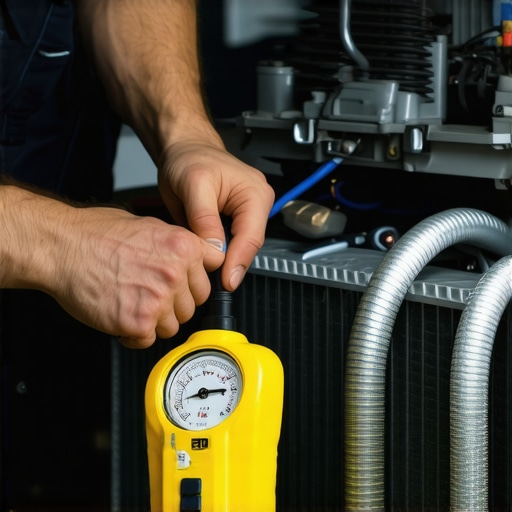
The most common mistake after a flush is failing to ‘burp’ the system correctly. Trapped air pockets are the primary cause of heater core gurgling and erratic temperature readings. In many modern vehicles, the radiator is mounted lower than the highest point of the engine block, necessitating a vacuum-fill tool to pull a 25-inch mercury vacuum before drawing the fluid in. This ensures that every gallery in the head is filled with liquid, not air. If your car utilizes a transmission oil cooler integrated into the radiator, a cooling system failure can actually lead to ‘the strawberry milkshake of death’—where coolant mixes with ATF, leading to a transmission that hunts for gears or fails entirely. If you have experienced a spike in engine heat or noticed a sweet smell from the vents, share your story in the comments below or let us know what specific diagnostic challenge you are currently facing with your vehicle; your experience helps the community stay informed about the realities of modern auto repair.
Ensuring your cooling system is optimized is just one part of a total longevity strategy. Just as you wouldn’t ignore a brake service that keeps you safe on the road, you shouldn’t ignore the thermal management that keeps your engine from a premature trip to the scrapyard. By following a strict tune up checklist, you can catch these issues before they turn into four-figure repair bills.
Rescue your cabin heat and your engine block simultaneously
While many owners focus exclusively on the radiator, the heater core is frequently the most neglected heat exchanger in the entire thermal loop. Because its internal passages are significantly narrower than those in the primary radiator, it acts as a secondary filter for all the scale and debris that your previous auto repair efforts failed to remove. If you find yourself shivering in the cabin despite the engine being at operating temperature, you aren’t just facing a comfort issue; you are witnessing a restricted flow that can lead to localized overheating in the rear cylinders of the engine block. To address this, a professional mechanic will often perform a dedicated reverse-flush of the heater core, using low-pressure air and water to dislodge the sediment without bursting the delicate aluminum fins. This precision is vital because a ruptured heater core usually requires removing the entire dashboard, a labor-intensive auto repair that can cost thousands.
Why does the heater only blow hot air when the engine is under load?
This is a classic symptom of a low coolant level or a failing water pump that cannot overcome the resistance of a partially clogged heater core at idle speeds. When you increase the RPMs, the centrifugal force of the pump increases the head pressure, finally pushing enough hot fluid through the restricted core to provide heat. However, this is a warning sign of a system under duress. According to engineering data from Gates Corporation, the degradation of internal hose linings can release EPDM rubber particles that act as a primary clogging agent in these small-bore passages. Integrating a dedicated hose inspection into your biennial tune up is the only way to catch this internal shedding before it creates a permanent blockage.
Stop electrolysis from eating your engine from the inside
One of the most elusive killers in modern auto repair is electrolysis. This occurs when the coolant becomes electrically charged, usually due to a poor ground connection between the engine and the chassis. When the electrical system cannot find an easy path back to the battery, it uses the coolant as a conductor. This creates a chemical reaction that literally strips molecules from the metal surfaces of the radiator and heater core. A mechanic can diagnose this by placing the negative lead of a digital multimeter on the battery ground and the positive lead directly into the coolant. If you see more than 0.3 volts, your coolant is actively dissolving your engine’s components. 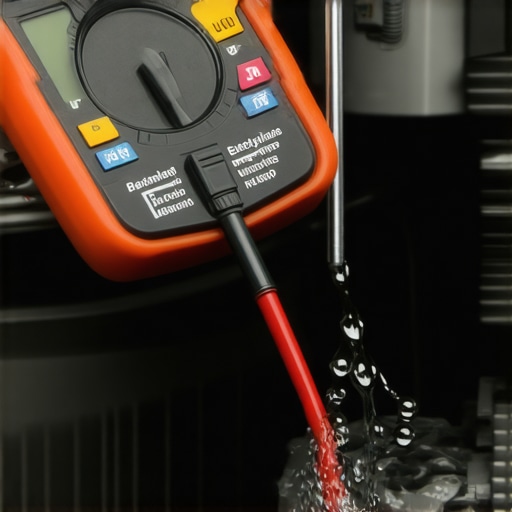 Identifying these stray currents is a high-level diagnostic step that goes far beyond a simple fluid swap and is essential for anyone who has replaced multiple radiators in a short period.
The silent threat of silicate dropout in heavy-duty applications
If you are driving a diesel or a high-output gasoline engine, the chemistry of your coolant is even more volatile. Silicate dropout occurs when the additives used to protect aluminum parts fall out of suspension, creating a ‘green goo’ or abrasive sludge. This sludge is a leading cause of premature seal failure in water pumps. When you perform a tune up, you must ensure that you are using a fluid that meets the specific ASTM standards for your engine type. Mixing a high-silicate ‘old school’ green coolant with a modern OAT (Organic Acid Technology) fluid can cause these additives to react and solidify, effectively ‘slugging’ the cooling system. This is why we always emphasize that precision in fluid selection is just as critical as the physical auto repair itself. If you’ve ever dealt with a mysterious ‘gel’ in your overflow tank, we’d love to hear how you flushed it out—leave a comment below and share your diagnostic process with the community.
Can a faulty cooling fan relay mimic a blown head gasket?
In many modern vehicles, a failing high-speed fan relay can cause the engine to overheat only under extreme conditions, such as climbing a hill or sitting in heavy traffic with the A/C on. This can lead to symptoms that look suspiciously like a failing head gasket, such as coolant being pushed out of the overflow bottle due to localized boiling. Before you commit to an engine teardown, it is imperative to perform a bidirectional control test of the cooling fans using a scan tool. Ensuring the airflow across the radiator is consistent is just as important as the fluid inside it. Much like checking for spark plug gapping errors to ensure combustion health, verifying fan operation is a fundamental step in any comprehensive cooling system diagnostic.
In many modern Euro-spec and high-performance engines, the expansion tank has evolved into a pressurized degas bottle. Unlike a traditional overflow tank, this component is an active part of the cooling circuit, designed to separate air bubbles from the liquid flow. If the internal baffles or the bleed line becomes obstructed, air pockets remain trapped in the cylinder head, creating localized hot spots that even a brand-new water pump cannot mitigate. When performing an auto repair, ensure these small-diameter bleed lines are clear of debris. A mechanic who ignores a hairline crack in a degas bottle is inviting a pressure drop that will eventually lead to a boil-over during a routine tune up drive cycle.
Does your heater control valve hold the secret to your overheating woes?
In vehicles equipped with vacuum-actuated or electronic heater control valves, a failure in the closed position can restrict the bypass flow required by some engine designs to maintain circulation during warm-up. This creates a feedback loop where the thermostat doesn’t see the true engine temperature, delaying its opening. According to technical bulletins from the Mobile Air Climate Systems Association (MACS), these valves are frequent failure points that masquerade as thermostat issues. Verifying the flow through the heater core circuit is a high-level diagnostic step that ensures the entire loop—not just the radiator—is functional.
Thermal imaging catches the blockages that pressure tests miss
When traditional diagnostic methods fail, seasoned professionals turn to infrared thermography. By using a thermal camera after the engine reaches operating temperature, you can visualize the heat signature across the radiator surface. A uniform temperature gradient is expected; however, cold spots indicate individual tubes that are completely occluded by scale or silicate dropout. This visual data is the ultimate proof that a simple flush isn’t enough and that a full radiator replacement is the only viable auto repair. 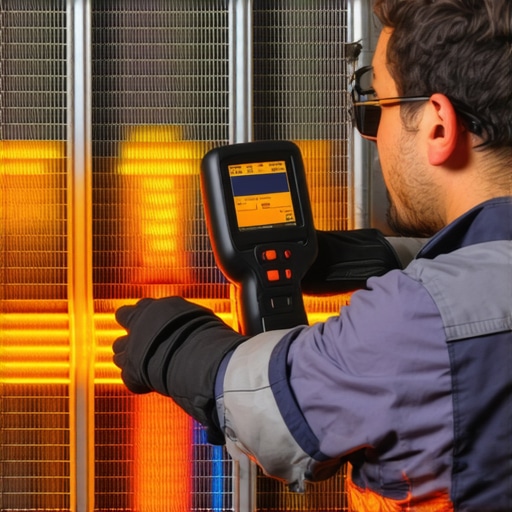 It allows you to see the exact moment the thermostat opens and how the heat spreads through the block, providing a level of insight that a dashboard needle simply cannot match.
The hidden danger of universal coolants in specialized systems
The all-makes, all-models marketing on many retail coolant jugs is a dangerous oversimplification for a modern mechanic. While they may be chemically compatible in a laboratory, the specific additive packages—such as sebacate or 2-EHA—interact differently with the various gasket materials and alloys used by different manufacturers. Using the wrong chemistry can lead to seal swelling or rapid gasket degradation. When you are deep into a tune up, always cross-reference the manufacturer’s specific fluid standard, such as G12++, HOAT, or P-OAT. Precision here is the difference between a vehicle that lasts 300,000 miles and one that suffers a catastrophic failure at 100,000. Have you ever faced a mystery leak after switching coolant brands? Tell us about your diagnostic journey in the comments so we can keep the community sharp on these evolving auto repair standards.
Expert Insights & Advanced Considerations
Acidity destroys components while glycol still tests fine
Many drivers and even some technicians rely solely on refractometers to check the freeze point of coolant. However, as a seasoned mechanic will tell you, the freeze protection often remains stable while the pH level drops into the danger zone. Acidic coolant becomes a conductor, and checking for voltage in the fluid is a mandatory step in any high-level diagnostic routine. If you ignore the chemical acidity, you are essentially allowing a slow-motion explosion to occur inside your engine block. #IMAGE_PLACEHOLDER_E#
Modern stop-start cycles create unprecedented thermal stress
Vehicles equipped with auto stop-start technology subject the cooling system to constant thermal cycling. When the engine shuts down at a red light, the water pump stops, but the heat remains in the cylinder head. This ‘heat soak’ can cause engine temperature spikes only while idling if the electric auxiliary pump is failing. This is why regular tune ups must now include a verification of electronic cooling components, not just mechanical ones.
Cooling integrity dictates the lifespan of your transmission
Because most automatic transmissions rely on a heat exchanger submerged in the radiator, a cooling failure is rarely isolated. Degraded coolant can eat through the internal walls of the cooler, leading to a catastrophic cross-contamination of fluids. If you notice your transmission hunts for gears or the fluid looks milky, the root cause is almost certainly a neglected cooling system. Professional auto repair focuses on these interconnected systems to prevent a radiator issue from becoming a five-thousand-dollar transmission overhaul.
Curated Expert Resources
MACS (Mobile Air Climate Systems Association): This is the gold standard for technical training regarding vehicle temperature control. Their bulletins provide the most current data on evolving chemical standards and heater core diagnostic procedures. Gates Corporation Tech Tips: An invaluable resource for understanding the metallurgy of water pumps and the specific failure modes of EPDM hoses. SAE International Technical Papers: For those who want to understand the molecular level of cavitation and organic acid technology, searching SAE’s database offers peer-reviewed engineering insights that go beyond standard auto repair manuals.
Final Expert Perspective
Mastering thermal management is the bridge between a vehicle that survives and one that thrives. While a basic tune up might get you through the season, a professional-grade cooling strategy ensures that every component—from the radiator cap to the heater core—is functioning as a unified heat-rejection system. By following these auto repair cost-saving tips and asking the right questions to ask your mechanic, you protect your investment against the silent, corrosive threat of chemical degradation. Don’t wait for a warning light to dictate your maintenance schedule; take control of your engine’s internal environment today and share your most challenging cooling system stories with our community in the comments below.