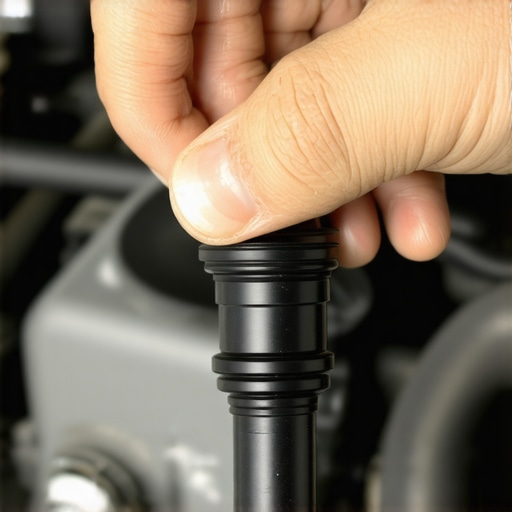
Plastic Parts Are Killing Modern Engines
In the world of high-performance automotive engineering, the margin between a smooth-running vehicle and a total engine meltdown is often measured in millimeters of composite plastic. While modern propulsion systems are marvels of efficiency, they have become increasingly reliant on lightweight materials that face extreme thermal stress. As a professional who has spent decades under the hood, I have observed a recurring pattern where a simple $12 plastic coolant connector becomes the catalyst for catastrophic failure. This isn’t just about a small puddle on your driveway; it is about the systemic vulnerability of cooling systems designed for weight reduction over long-term durability. By applying professional mechanic tips for diagnosing common auto problems, we can identify these failure points before they lead to warped cylinder heads.
One Small Fitting Prevents a $5,000 Overhaul
The culprit in many modern coolant loss scenarios is the heater hose T-connector or the coolant flange, often manufactured from glass-filled nylon. Over thousands of heat cycles, the plastic becomes brittle—a process known as thermal degradation. When these connectors fail, they rarely do so with a slow drip; instead, they often suffer a sudden ‘snap’ under pressure, dumping several gallons of pressurized coolant in seconds. Expert-level auto repair strategies prioritize the proactive replacement of these connectors every 80,000 miles, regardless of their visual condition. [image_placeholder_1] This preventive approach is far more cost-effective than dealing with the aftermath of an overheated block. According to technical studies by organizations like the Society of Automotive Engineers (SAE), polymer aging in automotive cooling environments is accelerated by the chemistry of old coolant, making regular fluid exchanges just as vital as the hardware itself.
Why does your vehicle keep losing coolant without any visible leaks?
Internal leaks are often the most deceptive challenges in a tune up checklist. When a plastic connector develops a hairline fracture, it may only expand and leak when the system is under full operating pressure and temperature. The coolant atomizes and evaporates instantly against the hot engine block, leaving behind nothing but a faint, sweet smell and a crusty white residue. If you find yourself constantly topping off your reservoir, you are likely dealing with a ‘phantom leak’ caused by a compromised plastic fitting that has not yet completely severed. This is the critical window where a $12 part and thirty minutes of labor can save you from a major shop bill.
Stop Chasing Mystery Puddles Under Your Radiator
Diagnosis requires more than just a flashlight; it requires a pressure tester and an understanding of the cooling circuit’s weak points. While many drivers focus on the radiator or water pump, the veteran technician looks at the plastic bypass pipes and the thermostat housing first. These components are the unsung victims of ‘heat soak’—the period after an engine is turned off when temperatures under the hood actually rise because the coolant is no longer circulating. This thermal spike is what finally pushes a weakened plastic connector past its breaking point. Just as specialized brake service protocols are necessary for stopping power, a dedicated inspection of your cooling system’s plastic junctions is essential for engine longevity. To ensure your vehicle remains in peak condition, I encourage you to share your own experiences with cooling system repairs or ask specific technical questions in our community forum below.
Why Plastic Intake Manifolds Warp and Leak
Beyond the cooling system, the transition to composite plastic intake manifolds has introduced a new set of diagnostic hurdles for the modern vehicle owner. While these components reduce weight and improve airflow insulation, they are susceptible to warping when subjected to the high-heat environment of the engine bay. A warped manifold often leads to a lean-burn condition, where unmetered air enters the cylinders, causing rough idles and decreased fuel economy. To pinpoint these elusive gaps, many professionals use the $5 soapy water trick for finding intake leaks, which provides immediate visual confirmation of a failing gasket or a cracked plenum. Ignoring these signs doesn’t just hurt your gas mileage; it can eventually lead to burnt valves and expensive catalytic converter damage.
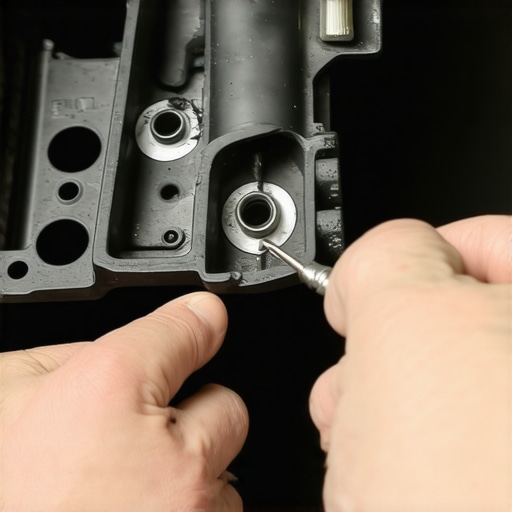
Can a $15 sensor really mimic a total transmission failure?
It is a scenario I see far too often in the shop: a driver comes in fearing their gearbox is toast because the car is shifting erratically or refusing to accelerate. In many instances, the culprit isn’t the gears themselves, but a fouled Mass Air Flow (MAF) or Throttle Position Sensor (TPS) housed in—you guessed it—a plastic assembly. When these sensors provide incorrect data to the ECU, the computer cannot calculate the proper shift points, resulting in symptoms that feel like a mechanical catastrophe. Before you authorize a multi-thousand dollar rebuild, verify if the $15 sensor that fixes your rough idle in minutes might be the actual source of your frustration. This level of technical discernment is what separates a true expert from a parts-changer.
Stop Chasing Ghosts and Fix Your Engine Grounding Instead
Modern engines are essentially computers on wheels, and those computers rely on stable electrical signals. One of the most overlooked consequences of using plastic components is the loss of natural grounding points that older cast-iron engines provided. If a ground strap becomes corroded or loose, you may experience ‘phantom’ check engine lights or flickering electronics. I frequently recommend the simple ground wire move that fixes dim headlights as a starting point for electrical troubleshooting, as it often restores the voltage stability required for sensitive engine sensors to function correctly. This is one of the many auto repair myths debunked: you don’t always need a new alternator when a simple cleaning of a ground bolt will do the trick.
The Costly Mistake of Skipping Preventive Diagnostics
Maintenance is more than just changing oil; it is an audit of the vehicle’s structural integrity. According to the Car Care Council, nearly 80 percent of vehicles on the road are in need of at least one service or repair, many of which involve failing plastic connectors or aging belts. Integrating essential tune-up tips to boost your car’s performance in 2025 into your seasonal routine ensures that these small vulnerabilities don’t escalate. By catching a brittle PCV valve or a thinning serpentine belt early, you preserve the precise tolerances that modern engines require to remain efficient. If you’ve ever been stumped by a mystery vacuum leak or a sensor that refused to cooperate, share your story in the comments below—your experience might just save another driver from a major breakdown.
Forget the Lifetime Fluid Promise
One of the most dangerous marketing trends in the modern automotive era is the concept of ‘sealed for life’ transmissions and differentials. From a professional standpoint, ‘lifetime’ usually refers to the duration of the factory warranty, not the actual mechanical lifespan of the vehicle. These units still contain moving parts that generate heat and microscopic metal debris. Over time, the fluid undergoes thermal shearing, losing its ability to lubricate effectively and protect the internal plastic solenoids and clutch packs. If you intend to keep your vehicle past the 100,000-mile mark, ignoring these fluids is a recipe for a five-figure repair bill. High-performance driving or frequent towing further accelerates this degradation, making it imperative to treat these systems with the same rigor as your engine oil. Expert auto repair strategies suggest a fluid exchange every 40,000 to 60,000 miles to ensure the hydraulic integrity of the system remains uncompromised.
Keep Your Timing Chain from Eating Its Plastic Guides
Modern engines have largely moved away from rubber timing belts in favor of metal chains, which are theoretically designed to last the life of the engine. However, these chains ride on long tracks known as timing chain guides, which are almost universally made of specialized plastic or nylon. While durable, these guides are the silent victims of poor oil maintenance. When oil is not changed frequently, it carries suspended carbon and debris that act like liquid sandpaper, slowly grinding away the plastic surface. Once a guide wears thin or cracks, the timing chain develops ‘slap,’ which can lead to jumped timing and catastrophic valve-to-piston contact. Professional diagnostics often reveal that ‘stretched’ chains are actually the result of worn-down plastic guides and failing hydraulic tensioners.  To prevent this, adhering to the ultimate tune up checklist is essential, specifically focusing on the use of high-detergency oils that keep these plastic surfaces clean and lubricated.
Does high-mileage synthetic oil actually protect plastic engine internals?
The short answer is yes, but the science behind it is nuanced. High-mileage synthetic oils are formulated with specific seal conditioners and esters that help maintain the elasticity of plastic and rubber components. According to standards set by ASTM International, these lubricants must demonstrate superior shear stability and resistance to thermal breakdown. For an engine with aging nylon timing guides or plastic oil pump pickups, the extra film strength of a true synthetic prevents the metal-on-plastic friction that leads to premature failure. If you are noticing a slight ‘rattle’ during a cold start, it may be a sign that your current oil isn’t providing the necessary immediate lubrication to your plastic tensioners. Have you noticed any strange noises during your morning commute? Share your findings in the comments below, and let’s troubleshoot the potential causes together.
Clean Your Intake Valves Before the Misfires Start
The rise of Gasoline Direct Injection (GDI) has revolutionized fuel efficiency, but it has created a significant maintenance hurdle: carbon buildup on intake valves. In older port-injection engines, fuel would spray over the valves, effectively cleaning them as you drove. In a GDI engine, fuel is sprayed directly into the combustion chamber, leaving the intake valves dry and susceptible to ‘coking’ from recirculated crankcase vapors. This carbon crust acts as an insulator and a physical restriction, causing turbulent airflow and persistent misfires. While some may suggest aggressive additives, the reality is that once the carbon has hardened, physical or chemical cleaning is required. Utilizing essential tune-up tips to boost your car’s performance in 2025 includes implementing a specialized intake tract cleaning every 20,000 miles to prevent this buildup from choking your engine’s power output.
Your Coolant Reservoir Is a Ticking Time Bomb
While most drivers focus on the integrity of their radiator, the humble pressurized expansion tank—typically constructed from PA66-GF30 (a glass-fiber reinforced polyamide)—is a frequent point of failure that masquerades as a minor nuisance. Over years of operational cycles, the internal reinforcement fibers begin to separate from the polymer matrix due to a process called hydrolysis. This structural decay often manifests as ‘crazing,’ a network of fine, internal cracks that weaken the vessel’s ability to hold the 15-20 PSI required by modern cooling systems. Unlike metal tanks of the past, these composite reservoirs do not bulge; they simply shatter under load. When a reservoir fails, it leads to an immediate loss of system pressure, causing the boiling point of the remaining coolant to drop instantly and potentially flashing the liquid into steam inside the cylinder head. Vigilance regarding the clarity and color of the plastic can provide early warning signs of this impending rupture.
How do you detect a micro-crack in a polyamide expansion tank before it bursts?
The most effective method involves a dual-phase diagnostic approach. First, a technician utilizes a cooling system pressure tester on a stone-cold engine, pumping the system to exactly the rating on the reservoir cap. While under pressure, a high-intensity UV light is used to scan the seams and the underside of the tank for fluorescent traces of dried coolant. Second, as part of a comprehensive auto repair strategy, we look for ‘ghosting’—the white, chalky discoloration that appears specifically at stress points where the plastic has begun to yield. If you see even the slightest trace of crystalline residue near the mounting tabs or the return nipple, the material’s structural integrity is already compromised and replacement is the only safe path forward.
Turbochargers Turn Plastic Connectors into Brittle Glass
The integration of turbochargers into standard consumer engines has drastically increased under-hood ambient temperatures, creating ‘hot spots’ that accelerate the aging of nearby plastic components. Plastic coolant lines and vacuum hoses located near the turbo manifold are subjected to extreme thermal saturation, especially after the engine is shut down. Without the cooling flow of oil and air, the heat-soak effect can push these plastics beyond their glass transition temperature, making them as fragile as fine porcelain.  Identifying these brittle components early is a hallmark of professional mechanic tips for diagnosing common auto problems. A seasoned tech will perform a ‘flex test’ on these lines during every oil change, checking for the lack of elasticity that precedes a catastrophic snap.
Why You Can’t Ignore the Plastic PCV Diaphragm
Modern emissions systems rely heavily on the Positive Crankcase Ventilation (PCV) valve, which is now frequently integrated into the plastic valve cover itself. When the internal plastic diaphragm or spring seat fails, it creates a massive vacuum leak that the ECU struggles to compensate for. This often results in a lean-condition code (P0171 or P0174) that leads many DIYers to waste money on oxygen sensors or fuel pumps. According to the National Institute for Automotive Service Excellence (ASE), proper diagnostic procedures involve using a smoke machine to find these internal leaks within the plastic housing. Maintaining this system is a vital part of any tune up checklist, as a failed PCV can lead to increased crankcase pressure, which eventually blows out the much more expensive rear main oil seal. Have you encountered a persistent check engine light that vanished after a simple plastic component swap? Tell us about your diagnostic journey in the comments below, and let’s help other owners avoid unnecessary part-swapping.
Expert Insights & Advanced Considerations
The Real Reason Polymer Creep Kills Seals
Beyond simple brittleness, many technicians overlook ‘polymer creep,’ the gradual deformation of plastic under constant mechanical stress and high heat. Even before a part cracks, it can lose its structural shape just enough to cause a sealing failure at a gasket interface. When you tune up your car like a pro, you must check for these warped mating surfaces that often lead to mystery oil or vacuum leaks. Overlooking a slightly bowed valve cover can result in persistent leaks that no new gasket can fix.
Use Thermal Imaging to Spot Weak Expansion Tanks
While pressure testing is a standard diagnostic tool, professional-grade thermal imaging cameras allow you to see ‘hot spots’ on plastic reservoirs where the material density has thinned due to internal erosion. These areas will show a different thermal signature than the rest of the tank, indicating where the glass fibers have separated from the nylon. This advanced tactic is a staple in mechanic tips for diagnosing common auto problems before they leave you stranded on the shoulder of the highway.
The Grounding Gap in Modern Engine Bays
Because plastic does not conduct electricity, the move toward composite engine parts has drastically reduced the available surface area for traditional electrical grounds. This often leads to ‘dirty’ signals in sensitive sensors. Many high-ticket electrical gremlins can be solved by implementing the simple ground wire move that fixes dim headlights and restores voltage stability to the entire sensor network. Always ensure your engine’s electrical return path is as robust as its mechanical components.
Curated Expert Resources
SAE International Technical Papers: This is the gold standard for understanding the material science behind the plastics used in your vehicle. It provides deep dives into how specific polymers react to long-term exposure to modern synthetic oils and coolant additives.
National Institute for Automotive Service Excellence (ASE): Beyond certification, ASE resources offer a wealth of diagnostic logic that helps professionals distinguish between a failed electronic component and a mechanical failure caused by a cracked plastic housing.
ASTM International Lubricant Standards: For those looking to understand why certain oils are better for your plastic timing guides, ASTM provides the testing data on shear stability and chemical compatibility that marketing labels often omit.
Final Expert Perspective
As automotive engineering continues to favor efficiency and weight reduction, the reliance on advanced plastic parts is only going to increase. Success in maintaining these modern machines requires a shift in mindset: we can no longer treat plastic as a ‘lifetime’ component. By integrating proactive material inspections into your ultimate tune up checklist and staying ahead of thermal degradation, you can enjoy the performance benefits of lightweight engineering without the catastrophic failures that catch unprepared drivers off guard. We invite you to explore our deeper essential tune-up tips to boost your car’s performance in 2025 to ensure your vehicle remains reliable for the long haul. If you have a unique diagnostic story or a tip that saved your engine, please reach out via our contact page or share your professional insights in our community forum.