Stoplight Fever: The Critical Transition to Active Cooling
Thermal management in modern internal combustion engines is a delicate equilibrium. When you are cruising on the highway, the cooling system benefits from ram-air cooling, where the sheer velocity of the vehicle forces ambient air through the radiator fins. However, the moment you come to a standstill, the system must transition from passive to active cooling. A temperature spike at a stoplight is rarely a random occurrence; it is often a calculated failure of the active cooling infrastructure to compensate for the loss of natural airflow. This phenomenon, often referred to as idle-state overheating, indicates that the components responsible for heat rejection at low RPM are no longer operating within their designed efficiency parameters. Understanding this shift is vital for anyone seeking professional-grade auto repair solutions before a minor fluctuation leads to a catastrophic head gasket failure.
Does a failing water pump struggle most at low RPM?
One of the more nuanced reasons for temperature spikes at idle involves the mechanical efficiency of the water pump. At higher speeds, the pump’s impeller spins rapidly, maintaining high pressure and flow rates. However, as the engine drops to its base idle, a worn impeller or a slipping serpentine belt may fail to circulate coolant with enough velocity to pull heat away from the cylinder heads. When this happens, heat soak sets in almost immediately. While many drivers prioritize a tune up for fuel economy, the thermal benefits of ensuring all belt-driven components are in peak condition are equally critical. A skilled mechanic will often use an infrared thermometer to check for temperature differentials across the radiator to confirm if the flow is truly stagnant or simply restricted.
Why Your Cooling Fan is the Last Line of Defense
In a stationary vehicle, the radiator fan is the primary engine of heat exchange. Most modern vehicles utilize pulse-width modulated (PWM) fans that adjust their speed based on coolant temperature and AC system pressure. If the fan fails to engage, or if the shroud is damaged, the radiator becomes a heat sink rather than a heat exchanger. According to technical documentation from SAE International, thermal rejection at idle depends almost entirely on the fan’s ability to maintain a consistent volumetric flow rate. If you find your needle climbing only when stopped, the fan motor or its controlling relay is the most likely culprit. Interestingly, this can sometimes be masked by other maintenance needs. Just as a regular brake service prevents rotor warping by managing friction-based heat, maintaining your cooling fan prevents the engine block from reaching critical thermal thresholds.
Identify the Root Cause Before the Steam Appears
Beyond the mechanical components, the chemical integrity of the coolant itself plays a role. Over time, coolant loses its anti-corrosive properties, leading to internal scale buildup within the radiator. This buildup acts as an insulator, preventing the heat from the liquid from reaching the aluminum fins. When the car is moving, the increased airflow can overcome this minor insulation, but at a stoplight, the lack of efficiency becomes glaringly obvious. If you have noticed your temperature gauge creeping up while waiting for a green light, do not ignore the warning signs—explore our auto repair myths debunked to separate fact from fiction regarding long-term engine health and cooling system maintenance. Addressing these issues early can save thousands in labor costs associated with internal engine damage.
The Hidden Impact of Your AC System
The relationship between the air conditioning system and engine temperature is more intimate than most drivers realize. Because the AC condenser is positioned directly in front of the radiator, it serves as a pre-heater for the air that eventually reaches the engine’s primary cooling component. When you are idling, the air being pulled in is already laden with the heat extracted from the cabin. If the condenser fins are bent or clogged with road grime, the airflow is restricted before it even touches the radiator. This is a common culprit when a vehicle experiences stoplight fever specifically during the summer months. Learning how to clean your radiator fins without damaging the core can significantly alleviate this thermal bottleneck, ensuring that ambient air can actually pass through to the coolant channels. #IMAGE_PLACE_HOLDER_B#
Can a lean fuel mixture cause your engine to run hot at a stop?
Beyond the cooling system itself, the combustion process heavily influences idle temperatures. A vacuum leak—often a tiny, hissing crack in a rubber hose—introduces unmetered air into the intake manifold. This results in a lean air-fuel ratio, meaning there is too much oxygen and not enough fuel. Lean mixtures burn much hotter than stoichiometric or rich mixtures. While the vehicle is moving, the cooling system might have enough headroom to dissipate this extra heat, but at a standstill, the elevated combustion temperatures can push the needle into the red. Often, replacing a simple 15-dollar sensor or fixing a vacuum leak can resolve a heating issue that was misdiagnosed as a failing radiator.
Pressure Caps and the Science of Boiling Points
The cooling system is a pressurized environment for a specific reason: every pound of pressure increases the boiling point of the coolant by approximately three degrees Fahrenheit. A faulty radiator cap that fails to hold the specified 15 or 16 PSI allows the coolant to boil prematurely, creating steam pockets—known as cavitation—around the water pump and cylinder heads. According to technical standards from the National Institute for Automotive Service Excellence (ASE), a cooling system that cannot maintain its rated pressure is one of the most common reasons for localized overheating that may not immediately register as a full-scale boil-over on the dashboard gauge. This is why professional mechanic tips for diagnosing common auto problems always include a pressure test of both the system and the cap. If the cap is venting too early, your coolant is essentially simmering while you wait for the light to change.
The Role of the Heater Core as an Emergency Radiator
If you find yourself in a situation where the needle is approaching the danger zone, there is an old-school technician’s trick that remains valid today: turn the heater on to the maximum setting. The heater core is essentially a small radiator located inside the dashboard. By turning on the heat, you are engaging a secondary heat exchanger and pulling thermal energy away from the engine block. While uncomfortable in the summer, this move can provide the critical margin needed to reach a safe place to pull over. This diagnostic step also helps identify the problem; if turning on the heater causes the engine temp to drop rapidly, it confirms that your main radiator or fan assembly is likely the bottleneck. For those looking to stay ahead of these failures, integrating this knowledge into your tune-up strategies to save money on auto repairs is a proactive way to ensure your vehicle remains reliable. Have you ever had to use the heater trick to save your engine from a meltdown? Share your experience in the comments below or browse our diagnostic guides to ensure it never happens again.
Stop Chasing Shadows and Start Thermal Mapping Your Radiator
Modern diagnostics have evolved past the simple ‘squeeze the hose’ method. To truly diagnose why a car heats up at a red light, you must visualize the heat transfer. An infrared thermometer or a dedicated thermal imaging camera allows a mechanic to see the ‘cold spots’ in a radiator. These cold spots aren’t actually cold; they represent internal blockages where coolant is stagnant. If the center of your radiator is 190°F but the bottom corners are 130°F, you’ve discovered a restriction that no amount of fan speed can fix. This disparity often indicates that sediment has settled at the bottom of the core, effectively shrinking the surface area available for cooling. Professional-grade auto repair requires this level of precision to avoid replacing perfectly functional fans or thermostats.
Why does the temperature gauge drop when I rev the engine in neutral?
If you find yourself frantically blipping the throttle at a red light to keep the needle down, you are likely compensating for a ‘low-flow’ condition. Increasing the RPM forces the water pump to spin faster, which can temporarily overcome an air lock or a worn impeller that is slipping at base idle. It could also suggest that your coolant level is just low enough that the pump isn’t staying fully primed when the engine isn’t under load. According to technical bulletins from Gates Corporation, this behavior is a hallmark of water pump cavitation, where air bubbles implode against the metal components, causing microscopic damage that eventually leads to total part failure. 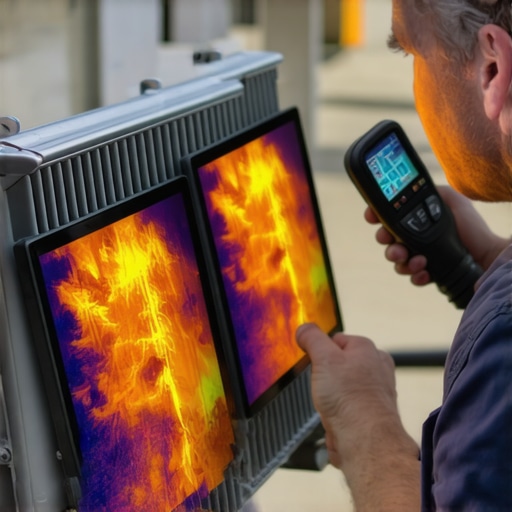
Evict the Air Pockets Trapped Inside Your Cylinder Head
Air is the enemy of a liquid-based cooling system. Even a small bubble trapped near the engine coolant temperature (ECT) sensor can cause erratic readings or localized boiling. These air pockets often enter the system after a DIY coolant flush that wasn’t properly ‘burped.’ Some modern engines feature high-point bleeder valves specifically for this purpose because their cooling passages are positioned higher than the radiator cap. If air is trapped in the cylinder head, the metal can reach temperatures far exceeding the boiling point of the liquid around it, leading to a cracked head or a warped mating surface. Incorporating a vacuum-fill tool into your tune up routine is the gold standard for ensuring a completely air-free environment, as it pulls a vacuum on the entire system before sucking the new coolant in.
The Digital Buffer and Why Your Dashboard Gauge Might Be Lying
Many drivers are surprised to learn that the temperature gauge on their dashboard is often a ‘dumb’ instrument. Manufacturers frequently program the instrument cluster to show a rock-steady ‘middle’ position as long as the engine is within a broad operating range, typically between 185°F and 215°F. This is designed to prevent ‘owner anxiety’ over normal thermal fluctuations. However, the downside is that by the time the needle actually starts to climb, the engine is already exceeding 230°F—entering the danger zone. Using a high-quality OBD-II scanner to monitor real-time data can reveal that your engine is actually struggling long before the dashboard gives you a warning. Understanding the difference between ‘displayed temperature’ and ‘actual temperature’ is a key part of mechanic tips for diagnosing common auto problems before they become expensive tow-truck bills. Have you ever noticed your gauge suddenly jump from normal to hot in just a few seconds? It might be the buffer finally giving up.
Surface Area and the Aluminum Advantage
The material science of your radiator also dictates how quickly you can shed heat at a stoplight. Older copper and brass radiators were excellent at heat transfer but were heavy and prone to internal corrosion. Modern aluminum radiators offer vastly superior surface area thanks to thinner, more densely packed fins. However, they are also more sensitive to the pH levels of your coolant. If you’ve recently performed a regular brake service and decided to top off your coolant with tap water instead of distilled water, you’ve likely introduced minerals that will quickly coat those aluminum fins from the inside out…”,”image”:{“imagePrompt”:”A professional automotive technician using a handheld infrared thermal camera to scan a car radiator, the screen shows bright orange and yellow heat patterns with dark blue patches indicating a clog.”,”imageTitle”:”Thermal Scan of a Clogged Radiator”,”imageAlt”:”Technician using a thermal camera to diagnose engine cooling issues”},”categoryId”:0,”postTime”:””}“`
When Your Temperature Sensor Starts Gaslighting the Engine Computer
In the high-stakes environment of engine thermal management, the Engine Coolant Temperature (ECT) sensor is the primary narrator. However, as these components age, they often experience sensor drift—a phenomenon where the internal thermistor loses its calibration without failing entirely. This subtle shift means the computer thinks the engine is at a comfortable 195°F when it is actually pushing 215°F. Because the Powertrain Control Module (PCM) relies on this data to trigger the cooling fans, a drifting sensor can delay active cooling until the system is already teetering on the edge of a boil-over. When performing a professional auto repair, a technician won’t just look for a trouble code; they will compare the live data stream from the ECT to an independent thermometer reading to ensure the sensor is telling the truth. This precision is what separates a temporary fix from a long-term solution.
Can old engine oil actually cause a car to overheat at a stop?
While we primarily focus on the liquid coolant flowing through the radiator, engine oil is responsible for roughly 40% of the engine’s total heat dissipation. As oil breaks down over time, its viscosity changes and its ability to carry heat away from the crankshaft and camshaft bearings diminishes significantly. This degraded oil eventually becomes a thermal insulator rather than a conductor. During a long wait at a traffic light, the lack of fresh oil flow—which is also dependent on RPM—means the internal components are generating more friction-based heat than the oil can efficiently carry away. This is why a regular tune up that includes a high-quality synthetic oil change is often the simplest fix for a vehicle that runs slightly too warm during the summer months. Fresh oil maintains the critical thermal bridge required to move heat into the cooling jacket where the radiator can finally exhaust it into the atmosphere.
The High Cost of Electrical Resistance in the Fan Circuit
Voltage drop is the silent killer of cooling efficiency. Even if your fan is spinning, it might not be moving enough air to combat the intense heat soak of a stationary vehicle. A corroded ground wire or a pitted relay contact creates electrical resistance, which starves the fan motor of the amperage it needs to reach its target RPM. According to technical white papers from Denso, a mere 10% drop in voltage can result in a nearly 30% reduction in air-moving capacity (CFM). This is why a skilled mechanic uses a multimeter to perform a voltage drop test on the fan’s power and ground circuits rather than simply checking for a blown fuse. If the fan sounds lazy or takes too long to ramp up when the AC is engaged, you are likely fighting an electrical bottleneck that is masquerading as a mechanical failure. 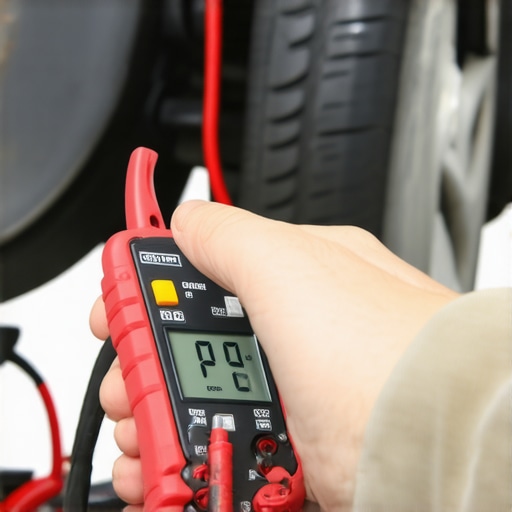
The Overlooked Thermal Load of the Automatic Transmission
For vehicles equipped with automatic transmissions, the cooling system is often doing double duty. Most radiators contain an internal heat exchanger specifically for the transmission fluid. If your transmission is slipping or the fluid is burnt and oxidized, it generates excessive heat that is dumped directly into the engine’s radiator. At a stoplight, the torque converter is still churning the fluid in the pump, creating a parasitic heat load that the engine’s cooling system must now compensate for. If you’ve neglected a regular brake service or a transmission flush, the cumulative thermal stress of these systems can overwhelm even a healthy radiator core. Managing this shared heat is critical for avoiding catastrophic engine damage. Have you checked your transmission fluid level recently to ensure it isn’t the secret culprit behind your engine’s temperature spikes? Browse our expert guides or book a diagnostic session to ensure your vehicle remains cool under pressure, no matter how long the light stays red.
Expert Insights & Advanced Considerations
The Hidden Danger of Sensor Drift in High-Mileage Engines
In the high-stakes environment of engine thermal management, the Engine Coolant Temperature (ECT) sensor is the primary narrator. However, as these components age, they often experience sensor drift—a phenomenon where the internal thermistor loses its calibration without failing entirely. This subtle shift means the computer thinks the engine is at a comfortable 195°F when it is actually pushing 215°F. Because the Powertrain Control Module (PCM) relies on this data to trigger the cooling fans, a drifting sensor can delay active cooling until the system is already teetering on the edge of a boil-over. When performing a professional auto repair, a technician won’t just look for a trouble code; they will compare the live data stream from the ECT to an independent thermometer reading to ensure the sensor is telling the truth.
Voltage Drop Robs Your Cooling Fan of Vital Performance
Voltage drop is the silent killer of cooling efficiency. Even if your fan is spinning, it might not be moving enough air to combat the intense heat soak of a stationary vehicle. A corroded ground wire or a pitted relay contact creates electrical resistance, which starves the fan motor of the amperage it needs to reach its target RPM. If the fan sounds lazy or takes too long to ramp up when the AC is engaged, you are likely fighting an electrical bottleneck. A skilled mechanic uses a multimeter to perform a voltage drop test on the fan’s power and ground circuits rather than simply checking for a blown fuse. #IMAGE_PLACE_HOLDER_D#
Transmission Fluid Heat Can Overwhelm Your Radiator
For vehicles equipped with automatic transmissions, the cooling system is often doing double duty. Most radiators contain an internal heat exchanger specifically for the transmission fluid. If your transmission is slipping or the fluid is burnt and oxidized, it generates excessive heat that is dumped directly into the engine’s radiator. At a stoplight, the torque converter is still churning the fluid in the pump, creating a parasitic heat load that the engine’s cooling system must now compensate for. If you’ve neglected a regular brake service or a transmission flush, the cumulative thermal stress can explain why your engine temperature spikes only while idling.
Curated Expert Resources
ASE Training Guides
The National Institute for Automotive Service Excellence provides comprehensive modules on thermal management. These are the gold standard for professionals aiming to master the complexities of modern HVAC and cooling systems.
Motor Magazine Technical Archive
A treasure trove of real-world diagnostic cases, Motor Magazine offers deep dives into complex cooling failures that standard service manuals often overlook, specifically regarding PWM fan control.
Gates Corporation Tech Tips
As a leader in belt and hose manufacturing, Gates provides invaluable technical bulletins on water pump cavitation and the chemical degradation of cooling system components.
Final Expert Perspective
Navigating the complexities of thermal management requires moving beyond simple parts-swapping and embracing a diagnostic-first mindset. When you understand that why your engine temperature spikes only while idling is often a symphony of small failures—from sensor drift to voltage drops—you can approach auto repair with confidence. Don’t wait for the steam to appear; integrate these checks into your next tune up to ensure your vehicle remains reliable in any traffic condition. Have you encountered a mystery cooling issue that stumped your local shop? Join our community discussion or explore our tune-up strategies to save money on auto repairs to stay ahead of the curve.