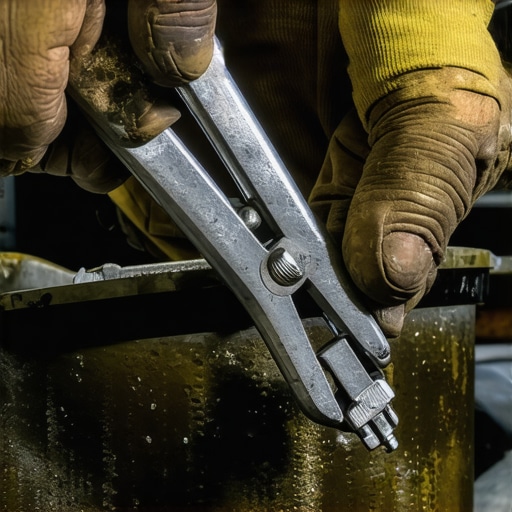
A rounded oil drain bolt is the nightmare of every DIY enthusiast and a frustration for any mechanic. This specific failure usually results from the use of low-quality 12-point wrenches or improper torque application during a previous tune up. When the hexagonal corners of the plug are sheared off, the bolt becomes a smooth cylinder, making standard removal tools useless. Expert-level auto repair requires a shift from standard torque to kinetic energy and physics-based extraction to avoid the catastrophic expense of replacing an entire aluminum oil pan.
Why Standard Wrenches Fail on Rounded Fasteners
Standard open-end wrenches apply pressure only to two points of a fastener, which is the primary cause of rounding. Once the structural integrity of the bolt head is compromised, continuing to use a standard socket will only polish the metal further. Professionals often encounter this when a vehicle has been neglected or serviced with improper tools. Understanding the metallurgy involved is crucial; oil drain plugs are often softer than the hardened steel of your tools, leading to rapid deformation. For those looking to avoid this in the future, investing in the 20-dollar tool every DIYer needs to stop stripping drain plugs can prevent the headache before it starts.
Is High Heat Dangerous for Aluminum Oil Pan Integrity?
Many amateur guides suggest using a torch to expand the metal, but this is a high-risk maneuver in a modern auto repair setting. Aluminum pans dissipate heat rapidly, and excessive localized heat can warp the pan or damage the delicate threads of the oil return. Instead of heat, experts recommend using a cold chisel and a heavy hammer to create a new purchase point on the outer diameter of the bolt. By striking the chisel at a 45-degree angle in a counter-clockwise direction, you utilize shock loading to break the initial seal of the threads. According to technical documentation from the Society of Automotive Engineers (SAE), shock-based loosening is often more effective than steady torque for seized fasteners because it overcomes static friction without requiring a solid grip on the bolt head.
Recover Your Drain Plug Purchase with the Chisel Pivot Method
The $5 hack involves purchasing a high-quality masonry or cold chisel rather than expensive specialized extraction kits. By creating a deep notch in the rim of the bolt, you provide a ledge for the chisel to bite into. This method is a staple mechanic secret for situations where space is too tight for a pipe wrench. While you are under the vehicle, it is also a prime opportunity to inspect other systems. For instance, if you notice uneven wear on surrounding components, you might need to schedule a brake service to address safety concerns. Integrating these checks ensures your vehicle remains reliable long after the oil change is complete.
Review our guide on essential tune-up tips to boost your car’s performance to ensure your engine remains in peak condition after the repair. Always remember to replace the stripped bolt with a high-quality magnetic replacement to catch internal engine debris and ensure your next maintenance interval is seamless. Diagnosing these hurdles is part of professional growth; learn more about mechanic tips for diagnosing common auto problems to stay ahead of the curve.
Using vice grips is a common ‘hail Mary’ move when a bolt fails, but it often leads to disaster in the world of professional auto repair. The serrated jaws of locking pliers can chew into the bolt’s shoulder, creating jagged metal burrs that make it impossible to get a precision socket on later. Worse, if the pliers slip, the sudden release of tension can send your hand into a sharp undercarriage component. Experienced mechanic professionals instead prefer bolt extraction sockets, which use a reverse-spiral flute to bite deeper as you apply more counter-clockwise force. Using the right tool is one of the most important auto repair cost-saving tips from industry experts, as it prevents the expensive pan replacement that usually follows a botched DIY attempt.
How Can You Safely Extract a Bolt Without Galling the Aluminum Threads?
Galling occurs when the metal of the bolt and the pan effectively cold-welded together through friction and pressure. This is a significant risk with modern aluminum pans. To prevent this, apply a high-quality penetrating oil and let it sit for at least 20 minutes before attempting extraction. This lubrication reduces the friction between the steel threads of the plug and the aluminum threads of the pan. According to the National Institute for Automotive Service Excellence (ASE), proper fastener preparation is often the deciding factor between a routine service and a catastrophic component failure. If the bolt is stuck because of cross-threading, you may need to use a ‘back-tap’ tool after removal to restore the internal threads without introducing metal shavings into the oil reservoir.
Stop Reusing Old Crush Washers if You Want a Permanent Seal
The real reason most people over-tighten their drain plugs—leading to rounded heads—is because they are trying to stop a leak caused by a flattened crush washer. These washers are designed to be sacrificial components; they deform under pressure to create a perfect seal between two uneven surfaces. Once they have been compressed during a previous tune up, they lose their elasticity. Reusing them requires more torque to get the same seal, which eventually stretches the threads and rounds the bolt. While you are under the car, take a second to look at your front suspension. It is surprisingly easy to learn how to use a 10-dollar tool to diagnose a bad wheel bearing at home while the oil is draining.
Check the Filter to Confirm Your Service Quality
Removing a stubborn bolt is only half the battle; ensuring the rest of the job is done right matters just as much for long-term reliability. Some low-integrity shops might skip the filter if they struggle with a stuck plug and want to save time. Knowing how to tell if your mechanic actually changed the oil filter is a vital skill for any car owner who delegates this task. A fresh filter and a properly torqued, new drain plug are the foundations of engine longevity. If you are feeling proactive about your vehicle’s maintenance, consider implementing brake service strategies that save you money and extend brake life while you have your tools out. Have you ever faced a rounded bolt that refused to budge? Share your success stories or the tools you swear by in the comments below to help the community avoid a trip to the dealership.
Weld a Nut to Save a Mangled Pan
When the chisel fails and the extraction sockets simply spin, the seasoned mechanic turns to a MIG or TIG welder. By placing a larger, fresh hex nut over the mangled remains of the drain plug and filling the center with a weld bead, you create a new, high-leverage interface. This isn’t just about the new grip; the intense, localized thermal shock from the welding process does what a propane torch cannot. It expands the bolt’s core rapidly against the relatively cooler aluminum pan, effectively ‘crunching’ the corrosion and old thread locker that caused the seizure. Once the weld cools slightly to a dull red, a standard socket can usually back the entire assembly out with surprisingly little effort.
Can You Repair Stripped Oil Pan Threads Without Replacing the Entire Pan?
Yes, but it requires a level of precision that goes beyond basic auto repair. If the extraction process or a previous over-torquing event has pulled the aluminum threads out like a coil of silver wire, you have two professional-grade options: a helical insert or a solid bushing like a Time-Sert. While a helical insert is a spring-like wire that replaces the threads, most transmission and engine specialists prefer a solid steel sleeve for oil pans because it cannot back out or unwind during future oil changes. This repair is often more durable than the original aluminum threads, provided the hole is drilled perfectly perpendicular to the pan’s mating surface.
When Steel Teeth Eat Your Aluminum Threads
Discovering ‘silver glitter’ or actual metal spirals on your drain plug during a tune up is a clear sign of thread galling. This mechanical nightmare happens when the protective oxide layer on the aluminum is breached, causing the steel and aluminum to fuse at a molecular level. To prevent a total loss, some technicians use an oversized self-tapping plug, but this is often a temporary band-aid that can introduce metal shavings into the crankcase. A more sophisticated approach involves using a vacuum system on the oil fill neck to create negative pressure, ensuring that any tiny shards generated during a thread-tapping repair are sucked outward rather than falling into the oil gallery where they could damage bearings.
Trust the Click for a Perfect Seal
The transition from a ‘tight’ bolt to a ‘stripped’ bolt often happens in a fraction of a millimeter. Relying on “feel” is the most common mistake during a DIY tune up. Professional standards, specifically ISO 6789, dictate strict calibration requirements for torque-measuring tools because even a minor deviation can lead to fastener failure. A calibrated torque wrench ensures the crush washer is loaded exactly to its yield point without overstressing the pan. If you find yourself constantly doubting your work, it might be time to invest in a digital torque adapter or look into mechanic secrets regarding the difference between torque and yield to refine your technique. Before you finish up, don’t forget that a leaking pan can sometimes mask other issues; checking for drips near the wheel wells can help you decide if you need a brake service due to a failing caliper seal rather than an oil leak.
While the torque wrench ensures future success, it cannot help you when the past has already caught up to the present via galvanic seizure. This phenomenon occurs when two dissimilar metals—the steel drain plug and the aluminum pan—are in contact with an electrolyte, such as road salt or moisture. The resulting electrochemical reaction creates a bond stronger than any thread-locker. To combat this, the modern mechanic often looks beyond standard lubricants toward chemical thermodynamics.
Shock-Freezing the Seized Bond
When penetrating oils fail to migrate into the microscopic gaps of a seized thread, an aerosol freeze-off spray can be the difference-maker in professional auto repair. These sprays work by rapidly dropping the temperature of the bolt to -40°C, causing the metal to contract and creating micro-fractures in the layer of corrosion. This thermal shock is significantly safer for aluminum pans than an open flame, which can inadvertently melt the soft alloy or damage nearby plastic components. By alternating between freeze-off spray and a high-grade penetrant, you create a capillary action that draws the lubricant deeper into the threads than gravity or pressure alone could manage.
How Do Professional Extraction Sockets Grip When Teeth Are Gone?
Standard sockets rely on flat-to-flat contact, but when the corners are sheared off, you need a tool that utilizes a reverse-spiral flute design. These specialized extraction sockets are engineered so that the more counter-clockwise torque you apply, the deeper the hardened steel teeth bite into the rounded shoulder of the bolt. This mechanical advantage turns the bolt’s deformation into a point of leverage. According to data from the Association for Materials Protection and Performance (AMPP), managing bimetallic corrosion through proper mechanical intervention is the only way to ensure the structural integrity of the mating surface remains intact during high-torque extraction procedures.
The Hidden Chemistry of Galvanic Seizure
Understanding why fasteners fail is just as important as knowing how to remove them. In the world of high-end auto repair, technicians often apply a thin layer of nickel-based anti-seize to the threads of a new plug during a tune up. While controversial among some purists, this creates a sacrificial barrier that prevents the steel and aluminum from fusing. However, one must reduce the final torque value by approximately 20% to compensate for the lubricated threads, or you risk over-stretching the aluminum. This level of precision is what separates a backyard fix from a professional-grade maintenance cycle.
Borescope Inspection for Internal Pan Health
After a particularly violent extraction—especially those involving chisels or drilling—it is vital to verify that no metallic swarf has entered the oil gallery. A digital borescope allows you to peer through the drain hole and inspect the internal floor of the pan and the oil pump pickup screen. If you spot silver fragments, you must flush the pan with a quart of inexpensive oil before sealing it up. This step is a hallmark of a meticulous mechanic who values engine longevity over a quick turnaround. While you have the borescope out, it is a perfect time to inspect the interior of your wheel wells; often, what looks like a minor oil leak is actually a sign you need an urgent brake service due to a weeping master cylinder.
What is the most stubborn fastener you have ever encountered during a routine tune up? Drop a comment below with the specific extraction tool that finally saved your weekend, and let’s help the community build a better toolkit for the toughest jobs.
Expert Insights & Advanced Considerations
Why Magnetic Plugs Save Engines from Hidden Metal Debris
Every professional mechanic knows that the oil drain plug is more than just a stopper; it is a diagnostic window. Transitioning to a high-quality magnetic plug during your next tune up allows you to monitor internal component health by capturing microscopic ferrous particles that the filter might miss. This proactive measure prevents these shards from recirculating and causing premature wear on the crankshaft bearings or cylinder walls. It is a low-cost insurance policy for any serious auto repair regimen.
Thermal Shock is Safer for Aluminum than Open Flames
While old-school methods often involve a blowtorch, the risk of warping a modern aluminum pan is too high. Advanced technicians prefer freeze-off aerosol sprays to induce localized thermal contraction. By rapidly cooling the steel bolt while the aluminum pan remains at ambient temperature, you break the molecular bond of galvanic corrosion. This technique is a cornerstone of precision maintenance, ensuring you do not turn a simple oil change into a multi-thousand dollar pan replacement. Understanding these nuances is part of the mechanic secrets regarding the difference between torque and yield that separate amateurs from pros.
Calibrated Tools Eliminate the Risk of Future Stripping
The majority of rounded fasteners are the result of over-tightening during a previous tune up. Using a calibrated torque wrench to reach the exact manufacturer specification ensures the crush washer performs its sacrificial duty without stressing the threads. To stop the cycle of damage, experts recommend keeping the 20-dollar tool every DIYer needs to stop stripping drain plugs on hand for every service. Relying on muscle memory is a gamble that eventually leads to a seized fastener and an expensive trip to the shop.
Curated Expert Resources
ASE Test Prep & Training Modules: The National Institute for Automotive Service Excellence provides the industry standard for fastener theory and material science, essential for mastering high-stakes extractions.
Society of Automotive Engineers (SAE) Technical Papers: For those who want to understand the physics of vibration and torque, SAE documentation offers peer-reviewed data on how shock-loading affects seized threads.
Time-Sert Engineering Catalog: This is the go-to resource for permanent thread restoration, offering technical specifications on solid-bushing inserts that outperform the original aluminum threads.
Final Expert Perspective
Successful auto repair is defined by the ability to solve problems without creating new ones. Extracting a rounded oil drain bolt requires a shift from brute force to technical finesse—utilizing thermal shock, specialized extraction sockets, and precision torque application. By integrating these advanced strategies into your routine tune up, you preserve the mechanical integrity of the engine for the long haul. While you are performing under-car maintenance, stay vigilant for other safety issues like brake service red flags such as weeping lines or contaminated pads. We invite you to share your most difficult extraction stories or the specialized tools you rely on in the comments below to help the community level up their maintenance game.