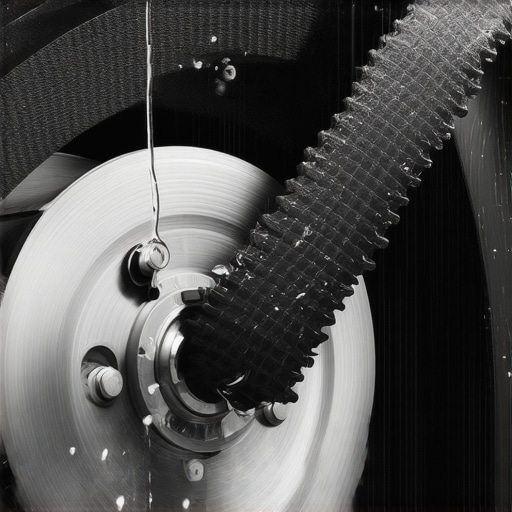
In the precision world of modern automotive engineering, the serpentine belt serves as the critical nexus between the crankshaft and every vital peripheral, from the alternator to the power steering pump. When this multi-ribbed component begins to emit a high-pitched screech, it is more than a mere nuisance; it is a manifestation of friction-induced vibration or mechanical misalignment. For the seasoned mechanic, diagnosing this sound requires a blend of forensic analysis and simple, field-tested tricks that bypass expensive diagnostic equipment. The ‘water drop’ method remains one of the most effective ways to isolate the root cause of accessory drive noise before committing to a full auto repair strategy.
Identify the Source Before You Turn a Wrench
A screeching belt often signals that the rubber compound has hardened or ‘glazed’ due to excessive heat and age, losing its ability to grip the pulley sheaves effectively. This loss of traction leads to microscopic slipping, which generates the audible frequency we recognize as a squeal. However, a noise from the front of the engine could just as easily be a failing bearing in the idler pulley or a brake service issue if the sound occurs during deceleration. To differentiate between a belt problem and a component failure, a professional technician uses a spray bottle or a single drop of water. If you find your car screeches when you start the engine, this diagnostic shortcut is your first line of defense.
Does the Squeal Vanish the Instant Water Hits the Ribs?
This is the pivotal question during the diagnostic phase. By applying a small amount of water to the ribbed side of the belt while the engine is idling, you are momentarily changing the coefficient of friction. If the noise disappears instantly and then slowly returns as the water evaporates, the issue is almost certainly a glazed belt or a minor misalignment. Conversely, if the noise persists or intensifies, you are likely dealing with a mechanical failure within a pulley bearing or a tensioner that has lost its damping capability. According to the Gates Corporation, a leading authority on belt drive systems, persistent noise despite lubrication (even water) usually indicates a deeper structural misalignment that requires immediate attention.
Why Water Works as a Diagnostic Shortcut
The science behind this trick lies in the temporary lubrication of the belt’s contact surface. During a comprehensive tune up, verifying the integrity of the accessory drive is paramount. Water acts as a ‘liquid shim,’ filling the micro-voids in the rubber and preventing the stick-slip phenomenon that creates the vibration. While this provides a temporary silence, it is not a permanent auto repair. It is a data point that tells you whether you need to invest in the 18 dollar fix for a noisy serpentine belt or if a more complex intervention is required. Professional-grade maintenance ensures that minor issues don’t escalate into catastrophic failures on the highway.
If you have recently noticed an increase in engine bay chatter or suspect your belt is reaching the end of its service life, don’t wait for a total system failure. Take a moment to consult with a top-rated mechanic to ensure your vehicle’s drive system is properly tensioned and aligned for the road ahead.
Stop Ignoring the Automatic Tensioner Dance
While isolating a belt squeal with water is a brilliant field tactic, the longevity of your accessory drive often depends on a component that remains invisible to the untrained eye: the automatic tensioner. This spring-loaded device is responsible for maintaining constant pressure across the entire drive system, yet it is frequently overlooked during a standard auto repair. A healthy tensioner should exhibit a very slight, controlled vibration. However, if you observe the tensioner arm bouncing aggressively or hitting its internal stops, the internal damping mechanism has likely failed. This instability creates a rhythmic vibration that can mimic the sound of a bad belt, making these mechanic tips diagnosing common auto problems essential for your next under-hood inspection. A failing tensioner doesn’t just make noise; it places undue stress on the alternator bearings, eventually leading to a costly replacement.
Can a Quiet Belt Be Just as Dangerous as a Screeching One?
This is where many DIY enthusiasts and even some professionals get tripped up. Most modern vehicles use EPDM (Ethylene Propylene Diene Monomer) belts, which have replaced the older neoprene versions. Unlike neoprene, which would clearly crack as it aged, EPDM belts rarely show visible cracks or chunks missing. Instead, they lose rib material—a process similar to a tire losing its tread. A belt that looks perfectly intact and runs silently can actually be dangerously thin, lacking the surface area needed to grip the pulleys under load. According to Continental Aftermarket, a global leader in belt technology, an EPDM belt can lose up to 10% of its rib material before it begins to slip, yet it may remain completely silent until a heavy rainstorm or a cold start. Using the 18 dollar fix for a slipping accessory belt preemptively is often smarter than waiting for a failure.
Mastering the Rib Depth Gauge Test
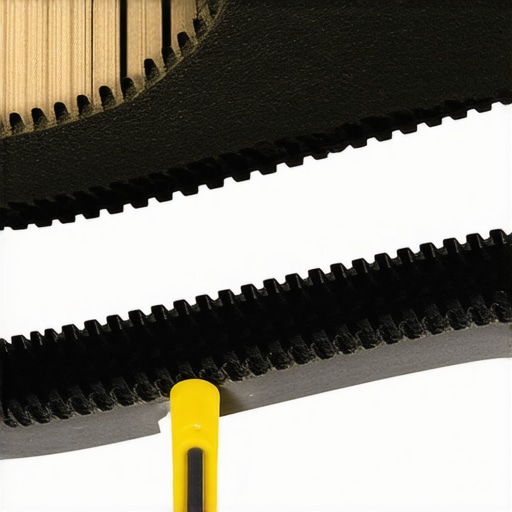
To accurately assess an EPDM belt, you need a specialized rib depth gauge. This small plastic tool fits into the grooves of the belt; if the tool sinks too deep, the belt is worn out and requires immediate auto repair. Integrating this check into your routine tune up strategies to save money on auto repairs prevents the scenario where a belt snaps and leaves you without power steering or cooling. If you find your belt is thin, don’t just swap the rubber; inspect the pulley grooves for debris. Pitted or rusted pulleys will chew through a new belt in weeks, leading to more frustration. You can often apply auto repair cost saving tips from industry experts by cleaning pulley grooves with a wire brush rather than replacing the entire component.
Vigilance in the engine bay saves more than just money; it saves time. While you are checking the belt, take a moment to use the 10 dollar multimeter trick for spotting a dying alternator before it strands you. Have you ever replaced a belt only for the noise to return a week later? Share your experience in the comments or let us know if you have found a brand of belt that truly stays silent in the winter.
Fix the Tracking Before You Waste a New Belt
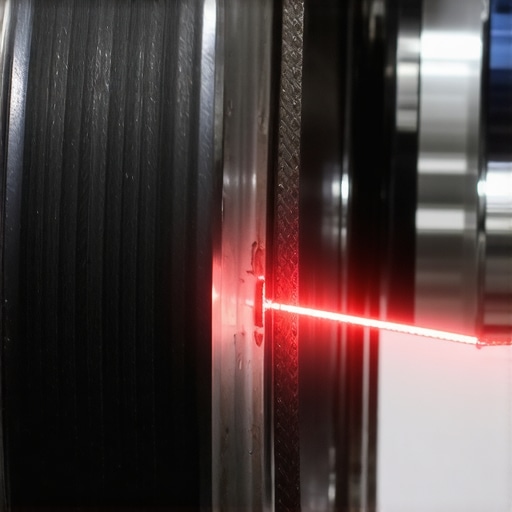
Even the highest-quality EPDM belt will fail prematurely if the geometry of the accessory drive is compromised. When a belt chirps—a sound distinct from the long-duration screech of a slip—it is often a sign of parallel or angular misalignment. Parallel misalignment occurs when a pulley is pressed too far onto a shaft or not far enough, while angular misalignment suggests a component is tilted. This forces the belt to enter the pulley at an angle, causing the ribs to scrub against the sidewalls of the grooves. For a precise auto repair, simply looking at the belt isn’t enough; you must verify that every pulley in the loop sits on the exact same plane. Professional technicians often employ laser alignment tools that project a beam across the pulley faces to identify deviations invisible to the naked eye. If you are performing a tune up and notice the belt is riding toward one edge of the tensioner, you are likely looking at a mounting bracket that has slightly bent under years of high-torque stress.
Can a Tiny Pulley Offset Kill Your Alternator?
The short answer is yes. While the belt may take the initial damage, the lateral load created by a misaligned pulley exerts uneven pressure on the internal bearings of your alternator or water pump. This side-loading creates localized heat, thinning out the bearing grease and leading to a secondary mechanical failure. According to technical diagnostic resources from Dayco Aftermarket, even a one-degree angle of misalignment can cause a temperature spike of over 30 degrees Fahrenheit at the belt edge. This heat doesn’t just degrade the rubber; it migrates into the component shafts. If you suspect your pulleys are out of sync, take the time to check these mechanic insider secrets for perfect belt alignment before the vibration shakes your expensive accessories to pieces.
Why Chemical “Fixes” Usually Make Things Worse
In the heat of the moment, many DIYers reach for a can of belt dressing to silence a noisy engine. However, in the world of professional auto repair, these sprays are often viewed as a mechanic’s nightmare. Most belt dressings are formulated with tacky polymers designed to increase grip on old-fashioned neoprene belts. On modern EPDM belts, these chemicals can actually act as a magnet for road grit, dust, and salt. As this debris gets trapped in the dressing, it creates an abrasive paste that grinds down the pulley grooves and the belt ribs simultaneously. Instead of solving the friction issue, you have essentially introduced sandpaper into the drive system. If you find yourself tempted to use a spray, remember that a clean belt should never need an adhesive to function; if it is slipping, it is either loose, worn, or the pulley surface has been contaminated by an oil leak.
The Hidden Impact of Environmental Contaminants
We often think of belts as being affected only by mechanical wear, but the environment plays a massive role in the life of your tune up components. Vehicles driven in coastal areas or regions where road salt is heavily used during winter face an accelerated rate of pulley oxidation. Rust buildup in the ‘valleys’ of the pulley grooves changes the effective diameter of the pulley and prevents the belt ribs from seating fully. This forces the belt to ride higher on the pulley, increasing the tension and the likelihood of a snap. During a brake service or oil change, a quick inspection of the pulley surfaces for orange-red dusting can save you from a breakdown. Cleaning these surfaces with a stiff wire brush and a dedicated solvent is a labor-intensive but necessary step in ensuring your new belt doesn’t become a victim of its own environment.
Have you ever noticed that your engine noise changes specifically when you turn the steering wheel to full lock? This often points toward the power steering pump putting a maximum load on the belt, revealing a weakness that remains hidden during straight-line driving. If the noise persists even after a belt replacement, you might be dealing with an internal blockage in the hydraulic system or a failing pump. Exploring these advanced diagnostic steps for steering-related engine noise can help you isolate the pump from the belt.
Analyzing the Overrunning Alternator Pulley
In many late-model diesel and high-compression gasoline engines, the alternator is equipped with an Overrunning Alternator Pulley (OAP) or an Overrunning Alternator Decoupler (OAD). These aren’t standard solid pulleys; they contain an internal one-way clutch mechanism designed to absorb the rotational vibrations of the crankshaft. If this clutch seizes, it forces the alternator to follow every tiny fluctuation in engine speed, which causes the belt to whip violently. This ‘belt flutter’ is a common source of mysterious chirping sounds that water drops and rib gauges won’t explain. Testing an OAP requires removing the belt and ensuring the pulley spins freely in one direction but locks in the other. When this component fails, it often mimics the symptoms of a bad tensioner, leading many to waste money on the wrong auto repair part.
While many mechanics focus on wear and alignment, the chemical environment of the engine bay often acts as a silent assassin for EPDM belts. A minor oil leak from a valve cover gasket or a seep from a front main seal does more than create a mess; it initiates a process known as swelling. Petroleum-based fluids penetrate the polymer structure of the belt, causing the ribs to soften and expand. This expansion reduces the clearance between the belt and the pulley walls, leading to excessive heat generation and eventual ‘chunk-out,’ where entire sections of the rib material tear away. If you are performing an auto repair to stop a leak, replacing the belt is non-negotiable, even if it looks new, because the structural integrity has been chemically compromised.
Chemical Contaminants Can Quietly Melt Your Drive System
Coolant is another frequent offender that often goes unnoticed during a routine tune up. Ethylene glycol leaves a slippery residue that, once dried, creates a glazed surface on the pulleys. This glaze reduces the friction required to drive the alternator and water pump, leading to intermittent slipping that might only occur under high electrical loads. Before installing a new belt, a professional mechanic must ensure all pulley surfaces are decontaminated using a fast-drying brake cleaner or a dedicated degreaser. Failure to do so will result in the new belt being contaminated within minutes of the first engine start.
Is Your Harmonic Balancer Masking as a Belt Squeal?
Beyond the pulleys and the belt itself, the integrity of the crankshaft harmonic balancer is the foundation of a stable accessory drive. This component consists of an inner hub and an outer ring bonded together by a thick rubber insulator. Over time, heat and torque cycles can cause this rubber bond to shear. When this happens, the outer ring—which carries the serpentine belt—can shift inward or outward, or even begin to wobble independently of the crankshaft. This creates a massive tracking error that no new tensioner can fix. If you notice your belt jumping or hear a low-frequency thumping alongside a high-pitched squeal, it is time for a professional to verify the balancer’s alignment marks. 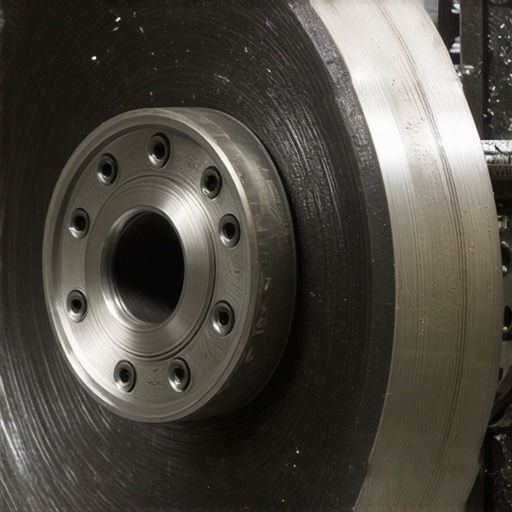
Clear the Embedded Road Debris Before It Shreds Your Ribs
We often overlook the physical environment the belt operates in, especially in vehicles without a full under-car splash shield. Small pebbles and road grit can become trapped between the belt ribs and the pulley grooves. Once embedded, these stones act like tiny chisels, carving out the rubber and creating ‘pitting.’ According to technical bulletins from SKF Technical Support, even minor pitting can lead to stress risers that eventually cause the belt to split longitudinally. During your next brake service, take the extra five minutes to inspect the belt’s underside with a bright light; if you see shiny spots or small stones wedged in the grooves, the belt’s lifespan has been cut short.
Understanding these advanced failure modes is what separates a parts-changer from a diagnostic expert. If you’re tired of chasing ghost noises or replacing the same belt every six months, it’s time to stop guessing and start measuring. Have you ever encountered a noise that vanished only after replacing a component you thought was perfectly fine? Share your diagnostic wins in the comments below and help the community master the art of the silent engine bay.
Expert Insights & Advanced Considerations
Look Deep Into the Rib Depth Gauge
Many owners and novices fail to realize that modern EPDM belts operate like high-performance tires; they don’t crack, they shed material. A belt that looks visually perfect can be functionally dead because the grooves have widened to the point where they can no longer generate the friction required to drive a high-amp alternator. Integrating a precision check of the rib profile into your regular tune up routine is the only way to ensure your drive system remains reliable. If you are unsure of the measurement, check out these mechanic tips diagnosing common auto problems to see how wear patterns dictate the lifespan of your accessory drive.
Why Tensioner Flutter Destroys Alternators
The automatic tensioner is more than just a spring; it is a sophisticated dampening system. When the internal friction plate or hydraulic fluid inside the tensioner wears out, the arm begins to vibrate at a frequency that is often invisible to the naked eye but destructive to the bearings of every connected component. A seasoned mechanic knows that a ‘fluttering’ belt is often the precursor to a seized pulley. Addressing these subtle vibrations early as part of your comprehensive auto repair strategy will prevent a cascading failure that could leave you stranded.
Kill the Squeal Without Killing Your Pulley Bearings
Using chemical dressings or WD-40 to silence a belt is a short-term fix that often leads to a long-term disaster. These substances are abrasive magnets that attract road grit directly into the pulley grooves, essentially creating a grinding paste that eats through aluminum pulleys. Instead of reaching for a spray can, consider the 18 dollar fix for a noisy serpentine belt which focuses on mechanical alignment and proper material replacement rather than temporary chemical silencing.
Curated Expert Resources
Gates Corporation Technical Library: This is the definitive source for drive system geometry and failure mode analysis. Their documentation provides deep dives into the science of synchronous and serpentine belt technologies that go far beyond basic auto repair manuals.
Continental Aftermarket Diagnostics: Continental offers exceptional visual guides on identifying belt glazing and chemical contamination, which are essential for anyone performing a high-level tune up.
ASE Test Prep Materials: For those looking to understand the ‘why’ behind the ‘how,’ the ASE engine repair modules offer insights into harmonic balancing and how crankshaft vibrations impact the longevity of the entire accessory drive.
Final Expert Perspective
Effective engine maintenance is not about reacting to noise; it is about anticipating the thermal and mechanical stressors that cause EPDM components to degrade. By moving beyond simple visual inspections and embracing tools like rib depth gauges and laser alignment, you transform auto repair from a chore into a precision science. This proactive approach ensures that every tune up and brake service appointment serves as a complete health check for your vehicle. We encourage you to apply these advanced diagnostic strategies to keep your engine running in peak silence. If you have questions about specific alignment tolerances or have discovered a unique way to isolate pulley bearing noise, join our professional community and share your expertise to help others master the art of the silent engine bay.