The Physics of Friction and Failed Cold Starts
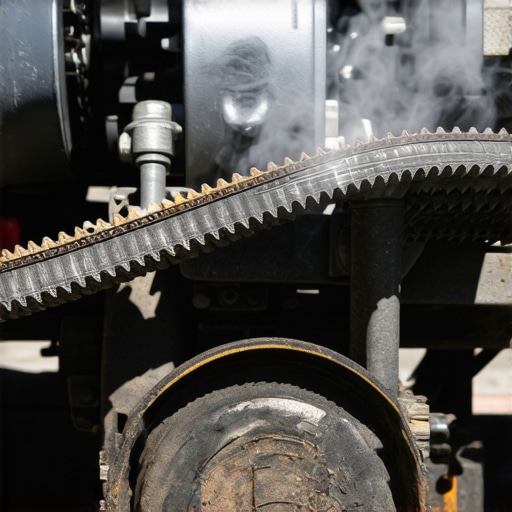
When an internal combustion engine initiates its firing sequence, a symphony of mechanical synchronization occurs within milliseconds. However, a high-pitched screech during this critical transition is more than a mere annoyance; it is an acoustic indicator of parasitic drag or component misalignment. As an automotive professional, I view these sounds as the vehicle’s primary method of communicating a breach in its mechanical integrity. This phenomenon usually stems from a breakdown in the belt-drive system or internal bearing failure, both of which require immediate attention to prevent catastrophic auto repair costs later. Maintaining a rigorous tune up schedule is the first line of defense against these audible warning signs.
Beyond the Surface of Glazed Serpentine Belts
The most frequent culprit behind a startup screech is the serpentine belt, a critical component that drives your alternator, power steering pump, and air conditioning compressor. Over time, the rubber compound in these belts loses its elasticity and coefficient of friction, leading to a condition known as ‘glazing.’ When the engine cranks, the belt slips against the metal pulleys, generating intense friction and that characteristic piercing sound. This is often exacerbated by a failing automatic tensioner that can no longer maintain the specified pound-feet of pressure. Recognizing the warning sign your serpentine belt is about to snap is vital for any driver. According to SAE International, the optimization of belt-drive systems is crucial for maintaining the long-term efficiency of auxiliary engine components. If you notice this noise, investigating the 18 dollar fix for a noisy serpentine belt could save you from an expensive tow bill.
Why Does the Screeching Stop After the Engine Warms Up?
Many drivers notice that the screeching persists for only a few seconds or minutes before fading into the background. This transition occurs due to thermal expansion and increased pliability. As the belt generates friction-based heat, the rubber softens and regains a temporary grip on the pulleys. Additionally, as the alternator recharges the battery after the initial surge of the starter motor, the mechanical load on the belt decreases, often silencing the slip. However, relying on this temporary silence is a dangerous gamble. Ignoring these early warnings often leads to a failure in other systems, such as your charging system or even your brake service hydraulics in vehicles with integrated pumps. Proactive drivers should implement essential tune-up tips to boost your car’s performance in 2025 to ensure all systems remain synchronized.
When Bearing Failure Masquerades as Accessory Noise
While belts are the common suspect, a mechanic must also consider the internal bearings of the driven accessories. A seized or worn bearing in the alternator or the idler pulley can create a similar high-pitched metallic scream. This occurs when the ball bearings within the housing lose lubrication or develop flat spots, preventing smooth rotation under the high torque of a cold start. Distinguishing between a belt slip and a bearing failure requires a diagnostic ear and often a mechanic’s stethoscope. Understanding top auto repair trends to watch in 2025 can help you stay ahead of these complex mechanical evolutions. If you suspect your vehicle is struggling with these issues, don’t wait for a total breakdown; seek a professional mechanic to perform a precision diagnostic check today.
Precision Alignment and the Silent Killer of Drive Systems
Mechanical harmony in the engine bay relies on more than just the integrity of the rubber belt; it requires absolute geometric precision between the pulleys. Even a minute degree of angular or parallel misalignment creates lateral stress that wears down the belt’s ribbing and forces the edges to grate against the pulley flanges. This friction doesn’t just cause noise; it generates excessive heat that can bake the internal bearings of your alternator or water pump. Professionals often distinguish between a ‘chirp’—usually a sign of misalignment—and a sustained ‘squeal,’ which points to a lack of tension or surface glaze. You can often diagnose it yourself by learning how to test your alternator using a simple screwdriver or by performing a visual inspection for frayed edges on the belt’s perimeter. Regular checks on alignment are as vital to your vehicle’s health as understanding how to check your own brake pads without taking off the wheel to maintain total road safety.
Could a Fluid Leak Be Stealthily Sabotaging Your Belt?
Contamination is the silent nemesis of the serpentine system. In many cases, a screeching belt isn’t failing due to age, but because it has been saturated with engine oil, coolant, or power steering fluid. These fluids act as lubricants in a system that requires high-traction friction to function. If you notice a persistent squeal combined with a damp appearance on the pulleys, this is often a secondary symptom of a leak elsewhere, such as a failing gasket. Addressing the root cause with the 12 dollar valve cover gasket trick to stop burning oil smells can prevent your new belt from suffering the same fate. According to the Car Care Council, neglecting small leaks like these can lead to more frequent and expensive auto repair visits, as the fluids degrade the chemical bonds of various rubber components throughout the engine.
Why a Simple Water Spray Reveals Your Engine’s Secrets
One of the most effective tricks in a veteran mechanic’s toolkit for isolating noise is the water spray test. By lightly misting the ribbed side of the belt with water while the engine is running and the noise is present, you can instantly determine the source. If the noise disappears or changes pitch temporarily, the issue is almost certainly the belt’s surface or tension. However, if the scream remains constant, you are likely looking at a failing bearing within one of the driven accessories. This simple diagnostic step helps you decide if you need a quick belt replacement or if you should verify the electrical load with the 12 dollar multi meter test for your charging system. 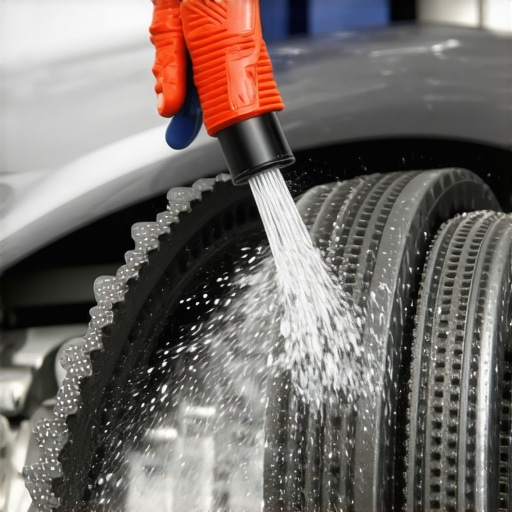 Using such low-cost diagnostic methods is part of a smart strategy for why regular tune ups are key to car longevity, ensuring you don’t overspend on unnecessary parts.
When Tensioners Lose Their Spring and Spirit
The automatic belt tensioner is the unsung hero of the auxiliary drive system, designed to apply constant, calibrated pressure. However, the internal spring can weaken over hundreds of thousands of cycles, or the pivot arm can seize due to road salt and debris. A weak tensioner allows the belt to flap or vibrate, especially under the high torque requirements of a cold start. This vibration can sometimes be felt through the steering wheel or heard as a rhythmic thudding. If the tensioner’s indicator mark is outside of its operational range, it’s a clear signal that the component has reached its fatigue limit and can no longer dampen the pulses of the engine. Proactive replacement of the tensioner along with the belt is a best practice for any professional brake service or engine overhaul. Have you ever tried to diagnose an engine noise only to find it was a simple ten-dollar fix? Share your experiences in the comments below or let us know which diagnostic tip helped you the most! Ensuring these components are in peak condition is crucial to finding the right mechanic who prioritizes preventative care over reactive repairs.
Stop Blaming the Belt and Check the Alternator Pulley
In many modern high-performance vehicles, the screeching isn’t coming from the belt itself, but from a specialized component known as the Overrunning Alternator Decoupler (OAD) or One-Way Clutch (OWC). Unlike a standard solid pulley, these units allow the alternator to freewheel or ‘overrun’ when the engine suddenly decelerates. This prevents the mass of the alternator from yanking on the belt, which otherwise causes a sharp chirp during gear shifts or rapid throttle lifts. When the internal clutch mechanism within the OAD seizes, it creates a violent vibration that mimics a loose belt. A seasoned mechanic knows that if you see the belt tensioner jumping excessively at idle, the culprit is likely this pulley and not the belt’s tension. This is a critical distinction in auto repair that prevents unnecessary part replacement and ensures the longevity of the entire accessory drive.
Can a Worn Harmonic Balancer Mimic a Failed Serpentine Belt?
One of the most elusive causes of a cold-start screech is the failure of the crankshaft’s harmonic balancer. This component consists of two metal pieces bonded together by a thick rubber dampening ring. Over years of thermal cycling, this rubber bond can degrade and fail. When this happens, the outer ring slips against the inner hub during the high-torque event of a cold start, creating a sound nearly identical to a belt squeal. To diagnose this, a mechanic will often use a ‘chalk line’ test—marking a single line across the face of the balancer. If the lines no longer align after the engine runs, the balancer is failing internally. Ignoring this specific auto repair issue can lead to catastrophic crankshaft damage, as the vibrations are no longer being absorbed. Always include a balancer inspection during your periodic tune up to catch this before it leaves you stranded.
How Modern Rubber Chemistry Changed Your Diagnostic Routine
Transitioning from older neoprene belts to modern Ethylene Propylene Diene Monomer (EPDM) materials has revolutionized belt longevity but complicated the visual inspection process. Unlike neoprene, which would clearly crack as it aged, EPDM belts rarely show visible cracks even when they are critically worn. Instead, the material wears down much like a tire’s tread, widening the ‘valleys’ between the ribs. According to technical documentation from the Gates Corporation, an EPDM belt can lose up to 10% of its rib material before it starts to slip, yet it will look perfectly intact to the naked eye. This makes a digital wear gauge an essential tool for any modern mechanic. If your vehicle has reached the 60,000-mile mark, a precision measurement of the rib depth is far more valuable than a simple visual check. Staying informed on these material shifts is why we recommend checking out top auto repair trends to watch in 2025 to stay ahead of the curve.
The Micro-Polishing Effect on Accessory Pulleys
While the focus is usually on the rubber, the metal pulleys themselves are subject to wear that can induce noise. Over hundreds of thousands of revolutions, the abrasive dust from the road and microscopic belt particles can ‘micro-polish’ the pulley grooves until they are as smooth as glass. This loss of surface roughness reduces the mechanical grip between the belt and the pulley, leading to slippage even with a brand-new belt and a perfectly functioning tensioner. In professional brake service and engine bays, a tech might use a specialized wire brush or a replacement pulley to restore the necessary friction coefficient. If you have replaced your belt multiple times and the screech persists, the polished surface of your water pump or alternator pulley is likely the hidden antagonist. Do you have a persistent noise that just won’t go away despite new parts? Tell us about your diagnostic hurdles in the comments, and we might be able to help you pinpoint that ghost in the machine.
Wet Weather and the Physics of Belt Hydroplaning
While mechanical wear is a primary driver of engine noise, environmental variables often play a deceptive role in diagnostic accuracy. During periods of high humidity or heavy rain, a microscopic layer of moisture can settle between the serpentine belt and the pulley grooves. This creates a phenomenon similar to a tire hydroplaning on a wet highway; the belt loses its physical connection to the metal surface, leading to a momentary high-pitched squeal. A seasoned mechanic knows that this isn’t always a sign of a failing part, but rather an indicator that the belt’s water-shedding channels—the valleys between the ribs—have become shallow due to wear. If your auto repair strategy doesn’t account for these atmospheric triggers, you might find yourself replacing parts that still have functional life left.
High-Load Electronics Can Overwhelm Your Factory Drive System
Modern vehicles are increasingly burdened by sophisticated electronics, from high-output audio systems to advanced driver-assistance sensors. These components place a massive electrical demand on the alternator, which in turn increases the mechanical resistance the belt must overcome. When you start your car on a cold morning, the combination of a high-torque starter draw and the immediate engagement of seat heaters or defrosters can create a peak load scenario. If the belt or tensioner is even slightly below optimal specification, this surge in resistance results in a piercing screech. Ensuring your vehicle receives a comprehensive tune up that includes an electrical load test is the only way to verify if your charging system is contributing to mechanical slippage.
Can a Malfunctioning A/C Compressor Clutch Destabilize Your Entire Drive Belt?
The air conditioning compressor is one of the most high-torque accessories driven by the serpentine system. The clutch mechanism, which engages and disengages the compressor based on cabin temperature needs, can become a significant source of noise if the air gap is improperly shimmed or if the internal bearing is starting to seize. A dragging compressor clutch doesn’t just create its own sound; it sends a shockwave through the entire belt path, often causing the belt to ‘flutter’ and squeal against other pulleys. 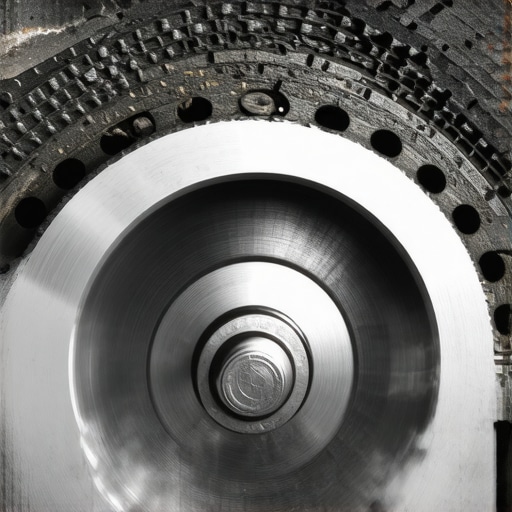 This mechanical interference can be so violent that it mimics a failing water pump or a bad brake service vacuum pump. Diagnosing this requires isolating the A/C circuit to see if the noise persists when the compressor is manually deactivated.
Environmental Oxidization and the Silent Decay of Modern Polymers
The chemical stability of EPDM belts is far superior to old neoprene versions, yet they are not invincible. Ozone exposure and extreme thermal cycling—common in regions with harsh winters and blistering summers—cause the rubber to undergo ‘work hardening.’ This process makes the belt ribs brittle and less capable of conforming to the curvature of smaller pulleys, such as those found on high-output alternators. According to the National Institute for Automotive Service Excellence (ASE), environmental degradation is a leading cause of premature auxiliary drive failure, even in vehicles with low mileage. A mechanic must look for ‘glazing’ on the smooth side of the belt, which indicates the rubber has been scorched by heat and lost its vital friction coefficient. Incorporating a belt inspection into every brake service or oil change ensures these chemical changes don’t lead to a snapped belt on the highway.
The Critical Role of Component Counter-Torque
Every time your engine changes RPM, the accessory drive system experiences a surge of counter-torque. In high-performance or heavy-duty applications, this can lead to ‘belt whip,’ where the long spans of the belt between pulleys vibrate excessively. If your vehicle has been modified or if you frequently tow heavy loads, the standard tensioner may not be enough to dampen these oscillations. Have you noticed a screech that only appears during rapid acceleration? This is a classic sign of torque-induced slip. Share your diagnostic challenges in the comments below; your experience could help another driver identify a rare mechanical ghost! Staying proactive with these advanced insights is how you transition from basic maintenance to true automotive mastery.
The Physics of Friction and Failed Cold Starts
When an internal combustion engine initiates its firing sequence, a symphony of mechanical synchronization occurs within milliseconds. However, a high-pitched screech during this critical transition is more than a mere annoyance; it is an acoustic indicator of parasitic drag or component misalignment. As an automotive professional, I view these sounds as the vehicle’s primary method of communicating a breach in its mechanical integrity. This phenomenon usually stems from a breakdown in the belt-drive system or internal bearing failure, both of which require immediate attention to prevent catastrophic auto repair costs later. Maintaining a rigorous tune up schedule is the first line of defense against these audible warning signs.
Beyond the Surface of Glazed Serpentine Belts
The most frequent culprit behind a startup screech is the serpentine belt, a critical component that drives your alternator, power steering pump, and air conditioning compressor. Over time, the rubber compound in these belts loses its elasticity and coefficient of friction, leading to a condition known as ‘glazing.’ When the engine cranks, the belt slips against the metal pulleys, generating intense friction and that characteristic piercing sound. This is often exacerbated by a failing automatic tensioner that can no longer maintain the specified pound-feet of pressure. Recognizing the warning sign your serpentine belt is about to snap is vital for any driver. According to SAE International, the optimization of belt-drive systems is crucial for maintaining the long-term efficiency of auxiliary engine components. If you notice this noise, investigating the 18 dollar fix for a noisy serpentine belt could save you from an expensive tow bill.
Why Does the Screeching Stop After the Engine Warms Up?
Many drivers notice that the screeching persists for only a few seconds or minutes before fading into the background. This transition occurs due to thermal expansion and increased pliability. As the belt generates friction-based heat, the rubber softens and regains a temporary grip on the pulleys. Additionally, as the alternator recharges the battery after the initial surge of the starter motor, the mechanical load on the belt decreases, often silencing the slip. However, relying on this temporary silence is a dangerous gamble. Ignoring these early warnings often leads to a failure in other systems, such as your charging system or even your brake service hydraulics in vehicles with integrated pumps. Proactive drivers should implement essential tune-up tips to boost your car’s performance in 2025 to ensure all systems remain synchronized.
When Bearing Failure Masquerades as Accessory Noise
While belts are the common suspect, a mechanic must also consider the internal bearings of the driven accessories. A seized or worn bearing in the alternator or the idler pulley can create a similar high-pitched metallic scream. This occurs when the ball bearings within the housing lose lubrication or develop flat spots, preventing smooth rotation under the high torque of a cold start. Distinguishing between a belt slip and a bearing failure requires a diagnostic ear and often a mechanic’s stethoscope. Understanding top auto repair trends to watch in 2025 can help you stay ahead of these complex mechanical evolutions. If you suspect your vehicle is struggling with these issues, don’t wait for a total breakdown; seek a professional mechanic to perform a precision diagnostic check today.
Precision Alignment and the Silent Killer of Drive Systems
Mechanical harmony in the engine bay relies on more than just the integrity of the rubber belt; it requires absolute geometric precision between the pulleys. Even a minute degree of angular or parallel misalignment creates lateral stress that wears down the belt’s ribbing and forces the edges to grate against the pulley flanges. This friction doesn’t just cause noise; it generates excessive heat that can bake the internal bearings of your alternator or water pump. Professionals often distinguish between a ‘chirp’—usually a sign of misalignment—and a sustained ‘squeal,’ which points to a lack of tension or surface glaze. You can often diagnose it yourself by learning how to test your alternator using a simple screwdriver or by performing a visual inspection for frayed edges on the belt’s perimeter. Regular checks on alignment are as vital to your vehicle’s health as understanding how to check your own brake pads without taking off the wheel to maintain total road safety.
Could a Fluid Leak Be Stealthily Sabotaging Your Belt?
Contamination is the silent nemesis of the serpentine system. In many cases, a screeching belt isn’t failing due to age, but because it has been saturated with engine oil, coolant, or power steering fluid. These fluids act as lubricants in a system that requires high-traction friction to function. If you notice a persistent squeal combined with a damp appearance on the pulleys, this is often a secondary symptom of a leak elsewhere, such as a failing gasket. Addressing the root cause with the 12 dollar valve cover gasket trick to stop burning oil smells can prevent your new belt from suffering the same fate. According to the Car Care Council, neglecting small leaks like these can lead to more frequent and expensive auto repair visits, as the fluids degrade the chemical bonds of various rubber components throughout the engine.
Why a Simple Water Spray Reveals Your Engine’s Secrets
One of the most effective tricks in a veteran mechanic’s toolkit for isolating noise is the water spray test. By lightly misting the ribbed side of the belt with water while the engine is running and the noise is present, you can instantly determine the source. If the noise disappears or changes pitch temporarily, the issue is almost certainly the belt’s surface or tension. However, if the scream remains constant, you are likely looking at a failing bearing within one of the driven accessories. This simple diagnostic step helps you decide if you need a quick belt replacement or if you should verify the electrical load with the 12 dollar multi meter test for your charging system. Using such low-cost diagnostic methods is part of a smart strategy for why regular tune ups are key to car longevity, ensuring you don’t overspend on unnecessary parts.
When Tensioners Lose Their Spring and Spirit
The automatic belt tensioner is the unsung hero of the auxiliary drive system, designed to apply constant, calibrated pressure. However, the internal spring can weaken over hundreds of thousands of cycles, or the pivot arm can seize due to road salt and debris. A weak tensioner allows the belt to flap or vibrate, especially under the high torque requirements of a cold start. This vibration can sometimes be felt through the steering wheel or heard as a rhythmic thudding. If the tensioner’s indicator mark is outside of its operational range, it’s a clear signal that the component has reached its fatigue limit and can no longer dampen the pulses of the engine. Proactive replacement of the tensioner along with the belt is a best practice for any professional brake service or engine overhaul. Have you ever tried to diagnose an engine noise only to find it was a simple ten-dollar fix? Share your experiences in the comments below or let us know which diagnostic tip helped you the most! Ensuring these components are in peak condition is crucial to finding the right mechanic who prioritizes preventative care over reactive repairs.
Stop Blaming the Belt and Check the Alternator Pulley
In many modern high-performance vehicles, the screeching isn’t coming from the belt itself, but from a specialized component known as the Overrunning Alternator Decoupler (OAD) or One-Way Clutch (OWC). Unlike a standard solid pulley, these units allow the alternator to freewheel or ‘overrun’ when the engine suddenly decelerates. This prevents the mass of the alternator from yanking on the belt, which otherwise causes a sharp chirp during gear shifts or rapid throttle lifts. When the internal clutch mechanism within the OAD seizes, it creates a violent vibration that mimics a loose belt. A seasoned mechanic knows that if you see the belt tensioner jumping excessively at idle, the culprit is likely this pulley and not the belt’s tension. This is a critical distinction in auto repair that prevents unnecessary part replacement and ensures the longevity of the entire accessory drive.
Can a Worn Harmonic Balancer Mimic a Failed Serpentine Belt?
One of the most elusive causes of a cold-start screech is the failure of the crankshaft’s harmonic balancer. This component consists of two metal pieces bonded together by a thick rubber dampening ring. Over years of thermal cycling, this rubber bond can degrade and fail. When this happens, the outer ring slips against the inner hub during the high-torque event of a cold start, creating a sound nearly identical to a belt squeal. To diagnose this, a mechanic will often use a ‘chalk line’ test—marking a single line across the face of the balancer. If the lines no longer align after the engine runs, the balancer is failing internally. Ignoring this specific auto repair issue can lead to catastrophic crankshaft damage, as the vibrations are no longer being absorbed. Always include a balancer inspection during your periodic tune up to catch this before it leaves you stranded.
How Modern Rubber Chemistry Changed Your Diagnostic Routine
Transitioning from older neoprene belts to modern Ethylene Propylene Diene Monomer (EPDM) materials has revolutionized belt longevity but complicated the visual inspection process. Unlike neoprene, which would clearly crack as it aged, EPDM belts rarely show visible cracks even when they are critically worn. Instead, the material wears down much like a tire’s tread, widening the ‘valleys’ between the ribs. According to technical documentation from the Gates Corporation, an EPDM belt can lose up to 10% of its rib material before it starts to slip, yet it will look perfectly intact to the naked eye. This makes a digital wear gauge an essential tool for any modern mechanic. If your vehicle has reached the 60,000-mile mark, a precision measurement of the rib depth is far more valuable than a simple visual check. Staying informed on these material shifts is why we recommend checking out top auto repair trends to watch in 2025 to stay ahead of the curve.
The Micro-Polishing Effect on Accessory Pulleys
While the focus is usually on the rubber, the metal pulleys themselves are subject to wear that can induce noise. Over hundreds of thousands of revolutions, the abrasive dust from the road and microscopic belt particles can ‘micro-polish’ the pulley grooves until they are as smooth as glass. This loss of surface roughness reduces the mechanical grip between the belt and the pulley, leading to slippage even with a brand-new belt and a perfectly functioning tensioner. In professional brake service and engine bays, a tech might use a specialized wire brush or a replacement pulley to restore the necessary friction coefficient. If you have replaced your belt multiple times and the screech persists, the polished surface of your water pump or alternator pulley is likely the hidden antagonist. Do you have a persistent noise that just won’t go away despite new parts? Tell us about your diagnostic hurdles in the comments, and we might be able to help you pinpoint that ghost in the machine.
Wet Weather and the Physics of Belt Hydroplaning
While mechanical wear is a primary driver of engine noise, environmental variables often play a deceptive role in diagnostic accuracy. During periods of high humidity or heavy rain, a microscopic layer of moisture can settle between the serpentine belt and the pulley grooves. This creates a phenomenon similar to a tire hydroplaning on a wet highway; the belt loses its physical connection to the metal surface, leading to a momentary high-pitched squeal. A seasoned mechanic knows that this isn’t always a sign of a failing part, but rather an indicator that the belt’s water-shedding channels—the valleys between the ribs—have become shallow due to wear. If your auto repair strategy doesn’t account for these atmospheric triggers, you might find yourself replacing parts that still have functional life left.
High-Load Electronics Can Overwhelm Your Factory Drive System
Modern vehicles are increasingly burdened by sophisticated electronics, from high-output audio systems to advanced driver-assistance sensors. These components place a massive electrical demand on the alternator, which in turn increases the mechanical resistance the belt must overcome. When you start your car on a cold morning, the combination of a high-torque starter draw and the immediate engagement of seat heaters or defrosters can create a peak load scenario. If the belt or tensioner is even slightly below optimal specification, this surge in resistance results in a piercing screech. Ensuring your vehicle receives a comprehensive tune up that includes an electrical load test is the only way to verify if your charging system is contributing to mechanical slippage.
Can a Malfunctioning A/C Compressor Clutch Destabilize Your Entire Drive Belt?
The air conditioning compressor is one of the most high-torque accessories driven by the serpentine system. The clutch mechanism, which engages and disengages the compressor based on cabin temperature needs, can become a significant source of noise if the air gap is improperly shimmed or if the internal bearing is starting to seize. A dragging compressor clutch doesn’t just create its own sound; it sends a shockwave through the entire belt path, often causing the belt to ‘flutter’ and squeal against other pulleys. This mechanical interference can be so violent that it mimics a failing water pump or a bad brake service vacuum pump. Diagnosing this requires isolating the A/C circuit to see if the noise persists when the compressor is manually deactivated.
Environmental Oxidization and the Silent Decay of Modern Polymers
The chemical stability of EPDM belts is far superior to old neoprene versions, yet they are not invincible. Ozone exposure and extreme thermal cycling—common in regions with harsh winters and blistering summers—cause the rubber to undergo ‘work hardening.’ This process makes the belt ribs brittle and less capable of conforming to the curvature of smaller pulleys, such as those found on high-output alternators. According to the National Institute for Automotive Service Excellence (ASE), environmental degradation is a leading cause of premature auxiliary drive failure, even in vehicles with low mileage. A mechanic must look for ‘glazing’ on the smooth side of the belt, which indicates the rubber has been scorched by heat and lost its vital friction coefficient. Incorporating a belt inspection into every brake service or oil change ensures these chemical changes don’t lead to a snapped belt on the highway.
The Critical Role of Component Counter-Torque
Every time your engine changes RPM, the accessory drive system experiences a surge of counter-torque. In high-performance or heavy-duty applications, this can lead to ‘belt whip,’ where the long spans of the belt between pulleys vibrate excessively. If your vehicle has been modified or if you frequently tow heavy loads, the standard tensioner may not be enough to dampen these oscillations. Have you noticed a screech that only appears during rapid acceleration? This is a classic sign of torque-induced slip. Share your diagnostic challenges in the comments below; your experience could help another driver identify a rare mechanical ghost! Staying proactive with these advanced insights is how you transition from basic maintenance to true automotive mastery.
Expert Insights & Advanced Considerations
Watch for Voltage Drops During High-Load Transitions
A sophisticated way to confirm belt slip without even opening the hood involves monitoring the vehicle’s electrical system via an OBD-II interface. When the belt slips, the alternator’s RPM drops momentarily, causing a measurable voltage dip. Using 3 ways to test your battery without any tools is a great start, but for deeper issues, you need a professional mechanic to see how the system reacts to the heavy load of a cold start.
Check the Internal Resistance of Aging Accessories
High-mileage vehicles often suffer from excessive internal resistance in aging accessories like the power steering pump. This increased drag requires higher belt tension than factory specifications allow, leading to a perpetual cycle of noise. Integrating tune up strategies to save money on auto repairs involves checking these units for smoothness while the belt is removed. A failing internal bearing in any accessory can masquerade as a belt issue, much like how a sticking caliper can mimic a warped rotor during a brake service.
Identify Hidden Brittle Spots in Modern EPDM Polymers
Modern EPDM belts don’t always crack, but they do ‘work harden’ over time, losing the flexibility needed to wrap around small-diameter alternator pulleys. These mechanic tips for diagnosing common auto problems suggest that if a belt feels stiff or plasticky rather than rubbery, its friction coefficient is compromised regardless of visual appearance. #IMAGE_PLACEHOLDER_E# Checking this is as vital as knowing why regular brake service is key to car safety and longevity in maintaining overall vehicle health.
Curated Expert Resources
Gates Corporation Technical Library
This resource offers the industry standard for EPDM wear diagnostics, including technical bulletins on belt-drive geometry and tensioner physics that are essential for high-level auto repair.
ASE Training Portals
For those seeking the highest level of proficiency, ASE modules provide deep dives into engine performance and drivetrain harmony, ensuring every tune up is backed by scientific principles.
Continental ContiTech Diagnostic App
This digital tool uses acoustic analysis to help you distinguish between belt chirps and bearing growls, making it an invaluable asset for anyone following the essential guide to auto repair.
Final Expert Perspective
Achieving total mechanical silence requires an understanding of the complex interaction between friction, tension, and electronic load. Whether you are performing a routine tune up or navigating a complex auto repair, prioritizing the health of your drive system ensures long-term reliability. By following a structured diagnostic path and knowing how to choose a skilled mechanic, you protect your vehicle from cascading failures. We invite you to share your own diagnostic breakthroughs in the comments below or explore our advanced resources to keep your car in peak condition.