
A brake pedal that lacks firm resistance is a primary indicator of compromised hydraulic pressure, a condition often colloquially described as “marshmallow brakes.” From a diagnostic standpoint, this phenomenon typically originates from air entrainment within the brake lines or the chemical degradation of the hydraulic fluid itself. Unlike liquids, air is compressible; when you apply force to the pedal, that energy is wasted compressing air bubbles rather than moving the caliper pistons to clamp the rotors. Professional brake service is non-negotiable when this occurs, as it signifies that your vehicle’s stopping distance has already increased significantly. In high-performance or heavy-duty scenarios, even a small amount of air can lead to a complete loss of braking force.
Why Moisture is the Silent Killer of Your Stopping Power
Brake fluid is hygroscopic, meaning it actively absorbs moisture from the atmosphere over time through microscopic pores in rubber hoses and the reservoir cap. This is not merely a maintenance suggestion; as moisture content increases, the boiling point of the fluid drops significantly. Under heavy braking—such as descending a steep grade or stop-and-go traffic—the heat generated can cause this water-laden fluid to boil, creating steam pockets within the lines. These gas pockets act exactly like air bubbles, leading to a terrifying loss of pedal feel. Referencing the brake fluid color chart can help you identify when oxidation and moisture have reached critical levels. According to technical standards maintained by the National Highway Traffic Safety Administration (NHTSA), maintaining hydraulic integrity is paramount to preventing catastrophic component failure during emergency maneuvers.
Does Your Brake Pedal Sink to the Floor Only at Red Lights?
This specific symptom often points toward internal seal failure within the master cylinder. If the primary or secondary seals are worn or scored, the pressurized fluid can “bypass” the seal and return to the reservoir rather than holding pressure against the wheels. This is particularly dangerous because there might be no visible external leak. To ensure your vehicle remains reliable, you should maximize your brake service efficiency by requesting a full system pressure test during your next scheduled maintenance. An experienced mechanic will be able to distinguish between a faulty booster and an internal bypass by monitoring the rate of pedal descent under consistent load.
Mechanical Elasticity and the Role of Brake Hose Expansion
Beyond the fluid itself, the physical components of the delivery system can contribute to a soft pedal. Over years of heat cycling, the internal structure of rubber brake hoses can weaken, causing them to expand like a balloon under high pressure. This volumetric expansion absorbs the displacement of the master cylinder, preventing the calipers from receiving the full force of your foot. Upgrading to braided stainless steel lines is a common expert recommendation for those seeking a more linear, firm pedal response. Furthermore, ensure your tune up checklist includes a visual inspection of these lines for any signs of cracking or bulging. If you have noticed a change in your vehicle’s braking response, contact a specialist immediately to perform a high-pressure flush. Have you experienced a sudden change in braking performance? Share your diagnostic findings with us or book a professional inspection to ensure your safety on the road.
Seized slide pins often mimic deep-seated hydraulic issues by creating an uneven mechanical gap in the braking assembly. When a pin binds due to corrosion or heat-induced lubricant breakdown, the caliper cannot center itself effectively over the rotor, forcing the inner pad to perform the majority of the work while the outer pad remains largely stagnant. This mechanical drag creates a subtle volumetric void that requires significantly more pedal travel to overcome. You might find that why your new brake pads wear down unevenly is directly tied to this specific lack of lateral movement. Avoiding the 20 brake slide pin error that causes uneven pad wear is essential for maintaining a crisp, immediate bite point and preventing the ‘spongy’ sensation often blamed on air.
Could Your Brake Fluid Choice Be Sabotaging Your ABS Pump?
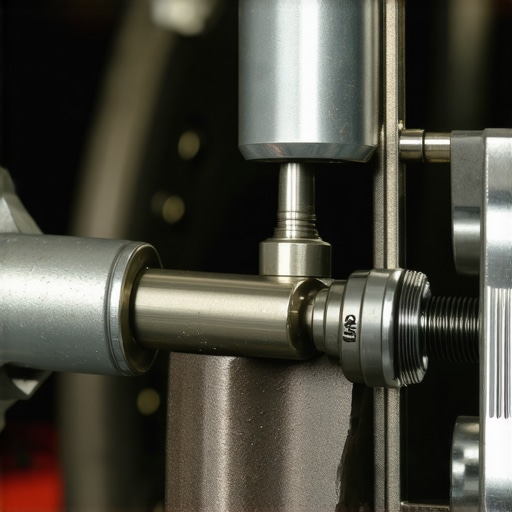
Not all DOT 4 fluids provide the same performance characteristics in modern, high-frequency anti-lock braking systems. High-viscosity fluids can struggle to navigate the extremely small internal valves found within contemporary ABS and Electronic Stability Control (ESC) modules. According to technical standards established by SAE International, specifically standard J1703, the chemical stability and viscosity of fluid under extreme temperature ranges are critical for the micro-modulations required by these safety systems. If air becomes trapped within the ABS module’s high-pressure accumulator, a standard gravity or manual bleed procedure will likely fail to restore pedal firmness. In these instances, you will need the 20 scanner that every modern driver should own to perform a bi-directional bleed, which electronically cycles the internal solenoids to purge stubborn air pockets into the main lines.
Surface Glazing and the Friction Transfer Layer
New brake pads often feel ‘wooden’ or unresponsive during their initial thermal cycles, a sensation that can be mistaken for a failing booster. This occurs because the pad material has not yet established a uniform transfer layer on the rotor surface. Professional installers know that how a 5 can of brake cleaner saves your new pads from glazing is a vital step; it removes the anti-corrosive shipping oils that otherwise carbonize under heat and create a slippery, glazed surface. If the rotor surface becomes too smooth or contaminated, the coefficient of friction drops, requiring the driver to apply higher pedal pressure. This increased physical effort can be misinterpreted as a soft pedal, leading to unnecessary and expensive component replacements.
Lateral Runout and the Mechanical Knock-Back Effect
In some complex cases, a soft pedal is actually a symptom of ‘knock-back’ caused by excessive lateral runout in the rotors. If a wheel hub is slightly bent or a rotor is seated unevenly, it will wobble slightly as it rotates, physically pushing the brake pistons deeper into the caliper bores. Consequently, the first half of your next pedal stroke is wasted just moving the piston back into contact with the rotor face. Mastering how to stop your brakes from pulsing without buying new rotors involves meticulously cleaning the mating surfaces of the hub with a wire brush to ensure zero runout. Furthermore, utilizing the secret to quiet brakes that most shops ignore—applying high-temperature ceramic paste to the pad’s abutment clips—ensures the mechanical components move freely without the rattle or delay that many drivers confuse with hydraulic failure. Have you struggled with a soft pedal that refused to go away after multiple bleeds? Share your experience in the comments or tell us which tool finally fixed your stopping power.
Even after a thorough four-corner bleed, many technicians find themselves frustrated by a persistent lack of pedal firmness. This often stems from skipping a foundational step: bench bleeding the master cylinder. When a new unit is installed dry, air pockets become trapped in the bore and primary piston assembly, where they act as a localized cushion that no amount of line pressure can fully displace. To rectify this, you must use a dedicated kit that routes fluid from the outlet ports back into the reservoir, cycling the piston until every microscopic bubble is purged. This ensures that the column of fluid leaving the master cylinder is truly incompressible from the very first inch of travel.
Stop Air Before It Hits the Lines with Precision Bench Bleeding
The internal geometry of a master cylinder creates several ‘high spots’ where air naturally migrates and refuses to move. Professional mechanics often use a soft-jaw vice to hold the cylinder level during this process, simulating its orientation in the vehicle. If you bypass this, you risk introducing a massive volume of air into the ABS modulator, which complicates the repair significantly. Integrating this step into your brake service efficiency strategy is the only way to guarantee a rock-solid pedal. Once the master cylinder is ‘wet-set,’ the rest of the hydraulic circuit can be pressurized without fighting an uphill battle against trapped air at the source.
Why Does the Pedal Sink Under Light Pressure but Hold Firm When I Slam It?
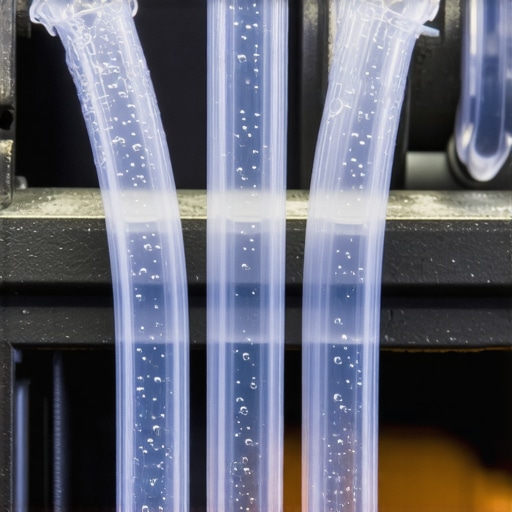
This counterintuitive symptom is a hallmark of internal seal bypass. When you apply light, gradual pressure, the worn primary seal in the master cylinder fails to expand fully against the bore, allowing fluid to creep backward into the low-pressure reservoir. However, a sudden, heavy application of the brakes creates a rapid pressure spike that can force the damaged seal to flare out and temporarily hold a seal. This erratic behavior is a critical safety hazard. It is often misdiagnosed as air in the lines, but if you notice that a ‘panic stop’ feels firmer than a slow stop at a traffic light, your master cylinder is failing internally and requires immediate replacement by a qualified mechanic.
Low-Viscosity Fluid and the Demands of Modern Stability Control
Modern vehicles equipped with advanced Electronic Stability Control (ESC) and Traction Control Systems (TCS) require more than just standard hydraulic fluid. The valves within these units cycle at frequencies up to 40 times per second. Standard DOT 4 fluid can be too viscous at lower temperatures, leading to a ‘lazy’ pedal feel or delayed system response during an intervention. According to the international safety standards defined in ISO 4925 Class 6, low-viscosity (LV) fluids are specifically engineered to maintain consistent flow through these tiny orifices. Using a generic fluid where an LV variant is specified can lead to a slightly mushy pedal during cold starts, as the pump struggles to move the thicker liquid through the narrow internal galleries of the ABS block.
The Adjustable Pushrod and the Danger of Incorrect Preload
Between the brake pedal assembly and the master cylinder sits a critical mechanical link: the booster pushrod. If this rod is adjusted too short, you create excessive ‘dead travel’ before the piston even begins to move fluid, resulting in a pedal that feels deep and soft. Conversely, a rod that is too long prevents the master cylinder piston from returning to its full ‘rest’ position, which blocks the compensation ports. When these ports are blocked, fluid cannot return to the reservoir as it expands from heat, leading to brake drag and eventually a complete lock-up of the wheels. Have you checked your pedal free-play recently? Adjusting this rod to the manufacturer’s exact specification is a ‘secret’ fix for many mystery soft-pedal cases that new parts alone cannot solve.
The Square-Cut Seal Hidden Role in Piston Retraction
Most technicians focus on the fluid, but the mechanical “memory” of the caliper’s internal seals is equally vital. The square-cut O-ring does more than prevent leaks; it acts as a return spring. When you apply pressure, this seal deforms into a subtle “D” shape. Upon release, its elastic tension pulls the piston back just a fraction of a millimeter. If these seals harden with age or are compromised by incorrect lubricant, they lose this elasticity. This results in either excessive piston retraction—requiring a massive initial pump to move the pads back to the rotor—or failure to retract at all. In the former case, you experience a “long” pedal that feels deceptively like air in the lines. This mechanical nuance is why a brake service must include a seal inspection, especially on vehicles that have sat idle for extended periods.
Could Your Booster Hiss Be More Than Just a Vacuum Leak?
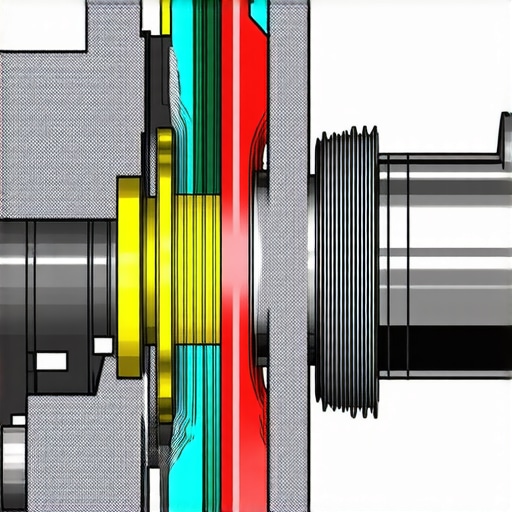
While a failed vacuum booster typically creates a rock-hard pedal, a leaking internal reaction disc or a failing atmospheric valve can induce a strange, inconsistent sponginess. If you hear a faint “whoosh” or “hiss” emanating from the footwell when you depress the pedal, the internal diaphragm or the valve plunger is likely bypassing air. This disrupts the balance of atmospheric pressure against the vacuum, causing the pedal to feel “airy” or disconnected. According to technical white papers from ATE (Continental AG), such internal failures can also cause the engine to lean out during braking, as the master cylinder assembly pulls unmetered air into the intake manifold. This cross-system failure makes a tune up checklist incomplete without a dedicated vacuum decay test on the braking circuit.
Why Neglected Drum Adjustments Kill Your Pedal Height
In vehicles equipped with rear drum brakes, the physical gap between the shoes and the drum surface is a primary determinant of total pedal travel. While most drums feature “self-adjusters,” these mechanisms frequently seize due to brake dust accumulation and corrosion. If the shoes sit too far from the drum, the master cylinder must displace a huge volume of fluid just to expand the shoes into contact. This creates a low, soft pedal that no amount of bleeding will fix. Professional mechanics often find that maximizing your brake service efficiency starts with manually adjusting these shoes until a slight drag is felt. Without this mechanical calibration, the hydraulic system is forced to compensate for a physical void, leading to the characteristic “mushy” feel.
Thermal Compression and the Limits of High-Performance Friction Material
At the extreme end of the performance spectrum, even the pads themselves can contribute to a soft pedal. Under high thermal loads, certain low-quality or “street-plus” friction materials undergo a phenomenon called compressibility. As the resin binders within the pad reach their glass transition temperature, the material becomes slightly elastic. When you stomp on the pedal, you are literally squeezing the pad material like a sponge. This is why professional racing teams use pads with high-density metallic backings and specialized ceramic compounds. If you notice a firm pedal when cold that turns to “marshmallow” after a spirited canyon drive, your choice of friction material is likely the culprit. Always ensure your brake cleaner usage hasn’t inadvertently left a chemical residue that could compromise the pad’s structural integrity during these heat cycles. Does your pedal feel significantly different after 20 minutes of driving? Share your temperature-related findings with us below and let’s diagnose your stopping power together.
A brake pedal that lacks firm resistance is a primary indicator of compromised hydraulic pressure, a condition often colloquially described as “marshmallow brakes.” From a diagnostic standpoint, this phenomenon typically originates from air entrainment within the brake lines or the chemical degradation of the hydraulic fluid itself. Unlike liquids, air is compressible; when you apply force to the pedal, that energy is wasted compressing air bubbles rather than moving the caliper pistons to clamp the rotors. Professional brake service is non-negotiable when this occurs, as it signifies that your vehicle’s stopping distance has already increased significantly. In high-performance or heavy-duty scenarios, even a small amount of air can lead to a complete loss of braking force.
Why Moisture is the Silent Killer of Your Stopping Power
Brake fluid is hygroscopic, meaning it actively absorbs moisture from the atmosphere over time through microscopic pores in rubber hoses and the reservoir cap. This is not merely a maintenance suggestion; as moisture content increases, the boiling point of the fluid drops significantly. Under heavy braking—such as descending a steep grade or stop-and-go traffic—the heat generated can cause this water-laden fluid to boil, creating steam pockets within the lines. These gas pockets act exactly like air bubbles, leading to a terrifying loss of pedal feel. Referencing the brake fluid color chart can help you identify when oxidation and moisture have reached critical levels. According to technical standards maintained by the National Highway Traffic Safety Administration (NHTSA), maintaining hydraulic integrity is paramount to preventing catastrophic component failure during emergency maneuvers.
Does Your Brake Pedal Sink to the Floor Only at Red Lights?
This specific symptom often points toward internal seal failure within the master cylinder. If the primary or secondary seals are worn or scored, the pressurized fluid can “bypass” the seal and return to the reservoir rather than holding pressure against the wheels. This is particularly dangerous because there might be no visible external leak. To ensure your vehicle remains reliable, you should maximize your brake service efficiency by requesting a full system pressure test during your next scheduled maintenance. An experienced mechanic will be able to distinguish between a faulty booster and an internal bypass by monitoring the rate of pedal descent under consistent load.
Mechanical Elasticity and the Role of Brake Hose Expansion
Beyond the fluid itself, the physical components of the delivery system can contribute to a soft pedal. Over years of heat cycling, the internal structure of rubber brake hoses can weaken, causing them to expand like a balloon under high pressure. This volumetric expansion absorbs the displacement of the master cylinder, preventing the calipers from receiving the full force of your foot. Upgrading to braided stainless steel lines is a common expert recommendation for those seeking a more linear, firm pedal response. Furthermore, ensure your tune up checklist includes a visual inspection of these lines for any signs of cracking or bulging. If you have noticed a change in your vehicle’s braking response, contact a specialist immediately to perform a high-pressure flush. Have you experienced a sudden change in braking performance? Share your diagnostic findings with us or book a professional inspection to ensure your safety on the road.
Seized slide pins often mimic deep-seated hydraulic issues by creating an uneven mechanical gap in the braking assembly. When a pin binds due to corrosion or heat-induced lubricant breakdown, the caliper cannot center itself effectively over the rotor, forcing the inner pad to perform the majority of the work while the outer pad remains largely stagnant. This mechanical drag creates a subtle volumetric void that requires significantly more pedal travel to overcome. You might find that why your new brake pads wear down unevenly is directly tied to this specific lack of lateral movement. Avoiding the 20 brake slide pin error that causes uneven pad wear is essential for maintaining a crisp, immediate bite point and preventing the ‘spongy’ sensation often blamed on air.
Could Your Brake Fluid Choice Be Sabotaging Your ABS Pump?
Not all DOT 4 fluids provide the same performance characteristics in modern, high-frequency anti-lock braking systems. High-viscosity fluids can struggle to navigate the extremely small internal valves found within contemporary ABS and Electronic Stability Control (ESC) modules. According to technical standards established by SAE International, specifically standard J1703, the chemical stability and viscosity of fluid under extreme temperature ranges are critical for the micro-modulations required by these safety systems. If air becomes trapped within the ABS module’s high-pressure accumulator, a standard gravity or manual bleed procedure will likely fail to restore pedal firmness. In these instances, you will need the 20 scanner that every modern driver should own to perform a bi-directional bleed, which electronically cycles the internal solenoids to purge stubborn air pockets into the main lines.
Surface Glazing and the Friction Transfer Layer
New brake pads often feel ‘wooden’ or unresponsive during their initial thermal cycles, a sensation that can be mistaken for a failing booster. This occurs because the pad material has not yet established a uniform transfer layer on the rotor surface. Professional installers know that how a 5 can of brake cleaner saves your new pads from glazing is a vital step; it removes the anti-corrosive shipping oils that otherwise carbonize under heat and create a slippery, glazed surface. If the rotor surface becomes too smooth or contaminated, the coefficient of friction drops, requiring the driver to apply higher pedal pressure. This increased physical effort can be misinterpreted as a soft pedal, leading to unnecessary and expensive component replacements.
Lateral Runout and the Mechanical Knock-Back Effect
In some complex cases, a soft pedal is actually a symptom of ‘knock-back’ caused by excessive lateral runout in the rotors. If a wheel hub is slightly bent or a rotor is seated unevenly, it will wobble slightly as it rotates, physically pushing the brake pistons deeper into the caliper bores. Consequently, the first half of your next pedal stroke is wasted just moving the piston back into contact with the rotor face. Mastering how to stop your brakes from pulsing without buying new rotors involves meticulously cleaning the mating surfaces of the hub with a wire brush to ensure zero runout. Furthermore, utilizing the secret to quiet brakes that most shops ignore—applying high-temperature ceramic paste to the pad’s abutment clips—ensures the mechanical components move freely without the rattle or delay that many drivers confuse with hydraulic failure. Have you struggled with a soft pedal that refused to go away after multiple bleeds? Share your experience in the comments or tell us which tool finally fixed your stopping power.
Even after a thorough four-corner bleed, many technicians find themselves frustrated by a persistent lack of pedal firmness. This often stems from skipping a foundational step: bench bleeding the master cylinder. When a new unit is installed dry, air pockets become trapped in the bore and primary piston assembly, where they act as a localized cushion that no amount of line pressure can fully displace. To rectify this, you must use a dedicated kit that routes fluid from the outlet ports back into the reservoir, cycling the piston until every microscopic bubble is purged. This ensures that the column of fluid leaving the master cylinder is truly incompressible from the very first inch of travel.
Stop Air Before It Hits the Lines with Precision Bench Bleeding
The internal geometry of a master cylinder creates several ‘high spots’ where air naturally migrates and refuses to move. Professional mechanics often use a soft-jaw vice to hold the cylinder level during this process, simulating its orientation in the vehicle. If you bypass this, you risk introducing a massive volume of air into the ABS modulator, which complicates the repair significantly. Integrating this step into your brake service efficiency strategy is the only way to guarantee a rock-solid pedal. Once the master cylinder is ‘wet-set,’ the rest of the hydraulic circuit can be pressurized without fighting an uphill battle against trapped air at the source.
Why Does the Pedal Sink Under Light Pressure but Hold Firm When I Slam It?
This counterintuitive symptom is a hallmark of internal seal bypass. When you apply light, gradual pressure, the worn primary seal in the master cylinder fails to expand fully against the bore, allowing fluid to creep backward into the low-pressure reservoir. However, a sudden, heavy application of the brakes creates a rapid pressure spike that can force the damaged seal to flare out and temporarily hold a seal. This erratic behavior is a critical safety hazard. It is often misdiagnosed as air in the lines, but if you notice that a ‘panic stop’ feels firmer than a slow stop at a traffic light, your master cylinder is failing internally and requires immediate replacement by a qualified mechanic.
Low-Viscosity Fluid and the Demands of Modern Stability Control
Modern vehicles equipped with advanced Electronic Stability Control (ESC) and Traction Control Systems (TCS) require more than just standard hydraulic fluid. The valves within these units cycle at frequencies up to 40 times per second. Standard DOT 4 fluid can be too viscous at lower temperatures, leading to a ‘lazy’ pedal feel or delayed system response during an intervention. According to the international safety standards defined in ISO 4925 Class 6, low-viscosity (LV) fluids are specifically engineered to maintain consistent flow through these tiny orifices. Using a generic fluid where an LV variant is specified can lead to a slightly mushy pedal during cold starts, as the pump struggles to move the thicker liquid through the narrow internal galleries of the ABS block.
The Adjustable Pushrod and the Danger of Incorrect Preload
Between the brake pedal assembly and the master cylinder sits a critical mechanical link: the booster pushrod. If this rod is adjusted too short, you create excessive ‘dead travel’ before the piston even begins to move fluid, resulting in a pedal that feels deep and soft. Conversely, a rod that is too long prevents the master cylinder piston from returning to its full ‘rest’ position, which blocks the compensation ports. When these ports are blocked, fluid cannot return to the reservoir as it expands from heat, leading to brake drag and eventually a complete lock-up of the wheels. Have you checked your pedal free-play recently? Adjusting this rod to the manufacturer’s exact specification is a ‘secret’ fix for many mystery soft-pedal cases that new parts alone cannot solve.
The Square-Cut Seal Hidden Role in Piston Retraction
Most technicians focus on the fluid, but the mechanical “memory” of the caliper’s internal seals is equally vital. The square-cut O-ring does more than prevent leaks; it acts as a return spring. When you apply pressure, this seal deforms into a subtle “D” shape. Upon release, its elastic tension pulls the piston back just a fraction of a millimeter. If these seals harden with age or are compromised by incorrect lubricant, they lose this elasticity. This results in either excessive piston retraction—requiring a massive initial pump to move the pads back to the rotor—or failure to retract at all. In the former case, you experience a “long” pedal that feels deceptively like air in the lines. This mechanical nuance is why a brake service must include a seal inspection, especially on vehicles that have sat idle for extended periods.
Could Your Booster Hiss Be More Than Just a Vacuum Leak?
While a failed vacuum booster typically creates a rock-hard pedal, a leaking internal reaction disc or a failing atmospheric valve can induce a strange, inconsistent sponginess. If you hear a faint “whoosh” or “hiss” emanating from the footwell when you depress the pedal, the internal diaphragm or the valve plunger is likely bypassing air. This disrupts the balance of atmospheric pressure against the vacuum, causing the pedal to feel “airy” or disconnected. According to technical white papers from ATE (Continental AG), such internal failures can also cause the engine to lean out during braking, as the master cylinder assembly pulls unmetered air into the intake manifold. This cross-system failure makes a tune up checklist incomplete without a dedicated vacuum decay test on the braking circuit.
Why Neglected Drum Adjustments Kill Your Pedal Height
In vehicles equipped with rear drum brakes, the physical gap between the shoes and the drum surface is a primary determinant of total pedal travel. While most drums feature “self-adjusters,” these mechanisms frequently seize due to brake dust accumulation and corrosion. If the shoes sit too far from the drum, the master cylinder must displace a huge volume of fluid just to expand the shoes into contact. This creates a low, soft pedal that no amount of bleeding will fix. Professional mechanics often find that maximizing your brake service efficiency starts with manually adjusting these shoes until a slight drag is felt. Without this mechanical calibration, the hydraulic system is forced to compensate for a physical void, leading to the characteristic “mushy” feel.
Thermal Compression and the Limits of High-Performance Friction Material
At the extreme end of the performance spectrum, even the pads themselves can contribute to a soft pedal. Under high thermal loads, certain low-quality or “street-plus” friction materials undergo a phenomenon called compressibility. As the resin binders within the pad reach their glass transition temperature, the material becomes slightly elastic. When you stomp on the pedal, you are literally squeezing the pad material like a sponge. This is why professional racing teams use pads with high-density metallic backings and specialized ceramic compounds. If you notice a firm pedal when cold that turns to “marshmallow” after a spirited canyon drive, your choice of friction material is likely the culprit. Always ensure your brake cleaner usage hasn’t inadvertently left a chemical residue that could compromise the pad’s structural integrity during these heat cycles. Does your pedal feel significantly different after 20 minutes of driving? Share your temperature-related findings with us below and let’s diagnose your stopping power together.
Expert Insights & Advanced Considerations
Stop Fighting the ABS Pump with Standard Bleeding Methods
One of the most persistent causes of a soft pedal in modern vehicles is air trapped within the ABS modulator’s internal valves. While traditional gravity or vacuum bleeding works for straightforward lines, it cannot purge pockets sequestered behind closed solenoids. Using the 20 scanner that every modern driver should own to initiate a bi-directional service bleed is the only way to cycle those valves and ensure a truly firm hydraulic column.
Why Hub Cleaning Prevents Mechanical Knock-Back
Even microscopic debris between the wheel hub and the rotor can cause the rotor to wobble, pushing the caliper pistons further back into their bores than intended. This “knock-back” effect forces your first pedal stroke to fill a massive mechanical void before friction occurs. Always ensure your tune up checklist includes a meticulous cleaning of the hub mating surfaces to maintain zero lateral runout.
The Risk of Incorrect Master Cylinder Bench Bleeding
Skipping the bench bleed phase introduces a large volume of air directly into the master cylinder’s high points, which often cannot be moved by simply pumping the pedal once installed. To achieve a professional-grade result, you must use a dedicated kit to cycle fluid through the cylinder in a vice before it ever reaches the car. This foundational step is the difference between a sponge and a rock-solid pedal.
Curated Expert Resources
NHTSA Brake Safety Research: Comprehensive technical data regarding hydraulic failure modes and the impact of fluid contamination on emergency stopping distances.
SAE International Standard J1703: The definitive guide to brake fluid chemistry, thermal stability, and the viscosity requirements necessary for high-frequency ABS/ESC modules.
ATE (Continental AG) Technical White Papers: Specialized engineering insights into vacuum booster design, reaction disc failures, and the integration of atmospheric valves in modern braking circuits.
Final Expert Perspective
Restoring a vehicle’s stopping power requires a methodical approach that addresses both hydraulic integrity and mechanical precision. Whether you are dealing with moisture-saturated fluid or the elusive “marshmallow brakes” caused by internal master cylinder bypass, the solution lies in identifying the root cause rather than simply throwing parts at the problem. A comprehensive brake service that includes electronic ABS bleeding and proper pad bedding is the gold standard for safety. If your pedal still lacks the immediate bite you expect, it is time to consult a high-level mechanic who understands the nuances of modern stability control systems. Have you successfully diagnosed a mystery soft pedal in your own driveway? Share your professional tips with our community below.