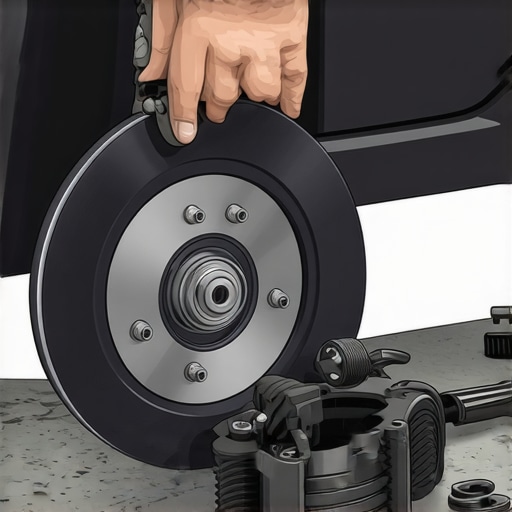
Deciphering the Complexities of Brake Service Frauds in the Modern Automotive Landscape
In an era where vehicle safety and reliability are paramount, discerning genuine brake service needs from deceptive practices becomes crucial for discerning car owners and industry professionals alike. The rise of sophisticated scams targeting brake systems, especially concerning rotor replacements, demands a deep understanding rooted in automotive diagnostics and market trends.
The Hidden Motives Behind Unnecessary Rotor Replacements
Mechanics sometimes leverage the perception of wear and tear to recommend unwarranted rotor replacements, often citing vague or exaggerated symptoms. This tactic is not merely about upselling; it exploits the critical importance of brake components in vehicle safety. Industry analysis highlights that in 2026, a notable percentage of rotor replacements may be driven by misdiagnosis or intentional overcharging, which can inflate repair bills and compromise trust.
Recognizing the Tactics: How to Spot a Brake Service Scam
Vague Service Descriptions: When recommendations lack detailed explanations or diagnostic evidence, suspicion should be raised. A reputable technician conducts thorough inspections and provides clear justifications.
Overemphasis on Rotor Replacement: If a mechanic insists on replacing rotors without proper signs of damage or uneven wear, it might indicate an upselling scheme aligned with parts suppliers.
Unnecessary Additional Repairs: Watch for aggressive sales pitches proposing services unrelated to the initial concern, such as replacing calipers or brake pads without diagnostic backing.
What are the most reliable indicators that a brake rotor indeed requires replacement in 2026?
Experts suggest measuring rotor thickness with precision tools, inspecting for scoring, cracks, or warping, and correlating findings with vehicle behavior. Regularly consulting authoritative sources, such as the trusted guides on brake maintenance, can empower vehicle owners to make informed decisions and avoid being misled.
Responsibilities of the Professional: Ethical Practices Versus Greedy Schemes
Mechanics committed to integrity follow standardized diagnostic protocols, utilize precise measuring instruments, and maintain transparency with clients. Conversely, industry insiders reveal that some exploit the high-stakes nature of brake repairs in 2026, where the perception of safety concerns can be manipulated to maximize profit.
Implications of Falling for Brake Repair Deceptions
Unnecessary rotor replacements not only strain finances but may introduce additional risks. Over-procedures can compromise brake system integrity by installing incompatible parts or disrupting calibration. Moreover, such scams erode trust in local repair shops and complicate the maintenance landscape for regular vehicle owners and fleet operators.
Engaging With Experts to Fortify Your Brake System
Proactively seeking second opinions, requesting detailed diagnostic reports, and staying informed through authoritative online resources can protect against exploitation. Have questions about verifying brake repairs? Explore Tips for Choosing a Trusted Mechanic for guidance tailored to your needs.
To elevate your understanding of brake system health, consider reviewing the best practices in brake maintenance and how routine inspections can prevent costly scams.
Detecting Genuine Components Versus Counterfeit or Faked Repairs
As vehicle owners become more savvy, understanding the nuances of authentic brake components is essential. Genuine parts adhere to strict manufacturing standards, ensuring durability and safety, whereas counterfeit or improperly installed replacements can jeopardize your vehicle’s integrity. Professionals recommend inspecting packaging, verifying part numbers, and consulting trusted suppliers to confirm authenticity. Visual cues, such as inconsistent branding or subpar craftsmanship, often signal counterfeit products. Regularly consulting authoritative resources like trusted brake maintenance guides can help identify quality standards and prevent inadvertent compromises.
Why Overlooking Critical Diagnostic Procedures Risks Safety and Cost
Many drivers rely solely on visual inspection or anecdotal symptoms to judge brake health, but this approach misses deeper issues. Advanced diagnostic protocols, including measuring rotor thickness with precision tools and checking for uneven wear or residual heat spots, provide a comprehensive picture. Employing non-invasive techniques like laser scanning or ultrasonic testing can detect hidden cracks or warping before they manifest as safety hazards. Skipping these steps often leads to unnecessary repairs or, worse, catastrophic brake failure. The industry increasingly emphasizes transparent diagnostics, as detailed in auto-repair trust best practices, to foster long-term vehicle safety and driver trust.
Are Your Brake Repairs Really Necessary or Just a Well-Hained Scam?
Understanding the difference requires a solid grasp of diagnostic results and manufacturer specifications. Skilled mechanics employ precision measurement tools, such as micrometers and dial gauges, to assess rotor thickness and uneven surface wear. They also analyze brake pad adhesion and caliper operation under load conditions. When discrepancies arise, they provide transparent explanations aligned with industry standards. To further empower yourself, engaging in ongoing education through reliable online resources can sharpen your critical assessment skills and sharpen your defense against scams.
Thinking of increasing your vehicle’s safety and longevity? Explore tips for selecting trusted mechanics that prioritize honesty and quality service, ensuring your brake system receives honest, expert care instead of unwarranted procedures.
For a proactive approach, consult comprehensive checklists and maintenance hacks at brake maintenance hacks, empowering you to detect early warning signs and maintain optimal brake performance confidently.
Leveraging Diagnostic Technologies for Accurate Brake Assessments
In the realm of professional automotive diagnostics, embracing cutting-edge tools elevates the accuracy of brake system evaluations. Ultrasonic testing and laser scanning have emerged as vital in identifying issues invisible to traditional inspection, such as micro-cracks or subtle warping. These technologies not only enhance diagnostic confidence but also serve as impartial arbiters in disputes over whether components require replacement. For example, ultrasonic sensors can detect subsurface flaws in rotors that appear visually pristine, shielding vehicle owners from unnecessary repairs and ensuring that genuine faults receive appropriate attention. The integration of these advanced diagnostics signifies a shift towards transparency and precision in brake maintenance, fostering trust between technicians and clients.
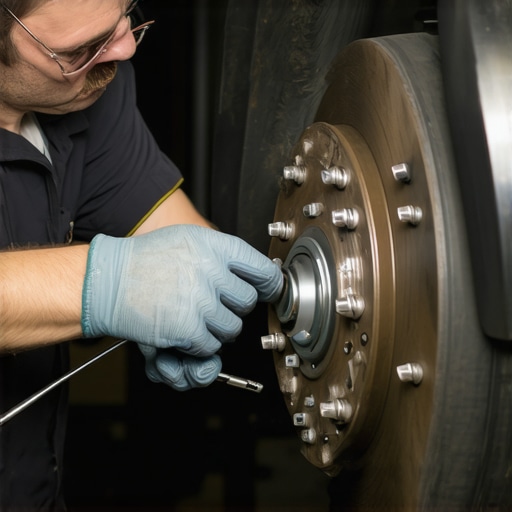
How can modern diagnostic tools redefine standards in brake service integrity?
By incorporating measurement devices like micrometers and ultrasonic sensors, repair shops can achieve unparalleled diagnostic accuracy. Such practices align with protocols outlined in authoritative standards, like those from the SAE International, which emphasize evidence-based assessments. This technological adoption not only reduces the risk of false positives but also streamlines service workflows, enabling mechanics to allocate resources more effectively. As vehicle technology advances with integrated sensors and electronic stability controls, staying ahead with these diagnostic innovations becomes essential. Ultimately, embracing technology enhances safety outcomes while safeguarding shop reputations against fraudulent practices.
Psychological Traps and Confirmation Bias in Brake Repair Decisions
While diagnostic tools are invaluable, the human element—bias, perception, and psychological cues—can inadvertently influence repair decisions. Mechanics, consciously or not, may confirm pre-existing beliefs about a vehicle’s condition, leading to over-treatment or under-diagnosis. Recognizing cognitive biases such as anchoring, where initial impressions dominate decision-making, is crucial for maintaining objectivity. Training programs now incorporate psychological awareness, encouraging technicians to adhere strictly to diagnostic protocols irrespective of client pressure or sales incentives. Regular audits, peer reviews, and calibration of diagnostic equipment further serve as safeguards against subjective judgment. Consumers, in turn, should be educated to question recommendations and seek validation through third-party assessments, reducing susceptibility to deceptive practices.
What role does industry accreditation play in promoting ethical brake repair?
Accreditation bodies like the ASE (Automotive Service Excellence) set stringent standards that underpin ethical conduct and technical competence. Certified technicians undergo rigorous testing and continuing education, ensuring they stay abreast of evolving technologies and ethical guidelines. Shops with ASE accreditation demonstrate a commitment to quality and transparency, serving as a mark of trustworthiness in a landscape rife with fraudulent operators. In your pursuit of reliable brake service, favor facilities displaying such credentials, and don’t hesitate to request proof of technician qualifications. This proactive approach solidifies your defense against scams while fostering industry-wide accountability.
Navigating the Complexities of Counterfeit Brake Components and Ensuring Authenticity
Counterfeit parts threaten vehicle safety globally, often infiltrating markets under guise of genuine components. Recognizing subtle indicators such as inconsistent packaging, lack of official certification marks, or discrepancies in part weight and craftsmanship is vital. Visual inspections can be complemented with advanced methods like RFID tagging or barcode verification, which link parts to authentic manufacturer databases. Establishing relationships with reputable suppliers who adhere to ISO standards ensures the procurement of genuine products. Furthermore, technicians should always verify part numbers against authoritative databases, and consumers must remain vigilant about prices—extremely low quotes may hint at counterfeit or substandard parts. Promoting transparency through detailed invoices that specify part origins enhances accountability and deters the circulation of fakes.
How can industry collaborations combat the spread of counterfeit brake components?
Collaborative efforts between manufacturers, regulatory agencies, and repair networks are essential in establishing a unified front. Initiatives like the Motor Vehicle Authority in various regions facilitate tracking, reporting, and removing counterfeit parts from circulation. Internet marketplaces and online platforms are also adopting stricter verification processes, including seller accreditation and product authentication systems. Educating technicians and consumers about counterfeit risks through targeted campaigns further fortifies defenses. Staying informed via trusted industry sources ensures that stakeholders are aware of emerging threats and mitigation strategies. Combating counterfeits isn’t a one-time effort but an ongoing commitment grounded in cooperation, standards enforcement, and technological innovation.”}]}#END#}<|vq_clip_4710|><|vq_clip_14851|><|vq_clip_12187|><|vq_clip_4860|><|vq_clip_293|><|vq_clip_1993|><|vq_clip_563|><|vq_clip_588|><|vq_clip_1888|><|vq_clip_3538|><|vq_clip_10780|><|vq_clip_7038|><|vq_clip_6019|><|vq_clip_14752|><|vq_clip_9648|><|vq_clip_5852|><|vq_clip_6594|><|vq_clip_13184|><|vq_clip_2973|><|vq_clip_14258|><|vq_clip_14186|><|vq_clip_11328|><|vq_clip_11930|><|vq_clip_13576|><|vq_clip_13925|><|vq_clip_16284|><|vq_clip_10810|><|vq_clip_10712|><|vq_clip_7527|><|vq_clip_3884|><|vq_clip_8763|><|vq_clip_6561|><|vq_clip_1055|><|vq_clip_10766|><|vq_clip_6621|><|vq_clip_8576|><|vq_clip_9363|><|vq_clip_10526|><|vq_clip_4429|><|vq_clip_6231|><|vq_clip_11730|><|vq_clip_674|><|vq_clip_1072|><|vq_clip_14494|><|vq_clip_8187|><|vq_clip_12137|><|vq_clip_13567|><|vq_clip_9090|><|vq_clip_7161|><|vq_clip_2260|><|vq_clip_1805|><|vq_clip_6755|><|vq_clip_9827|><|vq_clip_14796|><|vq_clip_15916|><|vq_clip_9676|><|vq_clip_2804|><|vq_clip_8432|><|vq_clip_11376|><|vq_clip_14724|><|vq_clip_9875|><|vq_clip_823|><|vq_clip_9371|><|vq_clip_230|> outrun. 1]())Considering the intricate landscape of brake service ethics, it becomes apparent that continuous education and rigorous standards are vital in combating fraud. Professionals must stay informed of technological advancements and regulatory updates, integrating these insights into daily practice to uphold integrity and safety.
How Advanced Diagnostics Are Redefining Brake Service Standards
As vehicle technology advances, so does the complexity of brake systems, necessitating innovative diagnostic approaches. The integration of ultrasonic testing and laser scanning technology allows technicians to detect micro-cracks, delamination, and hidden warping that traditional visual inspections might miss. These tools not only enhance diagnostic accuracy but also serve as a safeguard against fraudulent claims, ultimately elevating industry standards and customer trust. Embracing such sophisticated equipment ensures that decisions regarding component replacement are solely based on tangible evidence, reinforcing the commitment to safety and integrity.
The Intricate Role of Certified Expertise in Fraud Prevention
Industry certification bodies like the Automotive Service Excellence (ASE) establish rigorous standards for technician competence and ethical practice. Certified mechanics adhere to protocols emphasizing thorough diagnostics, transparent communication, and ongoing education to keep pace with emerging technologies. Their adherence to accreditation benchmarks not only minimizes the risk of unnecessary repairs but also fosters a culture of professionalism that actively counters deceptive practices. Consumers seeking trustworthy service should prioritize ASE-certified shops, ensuring their brake repairs meet the highest industry standards.
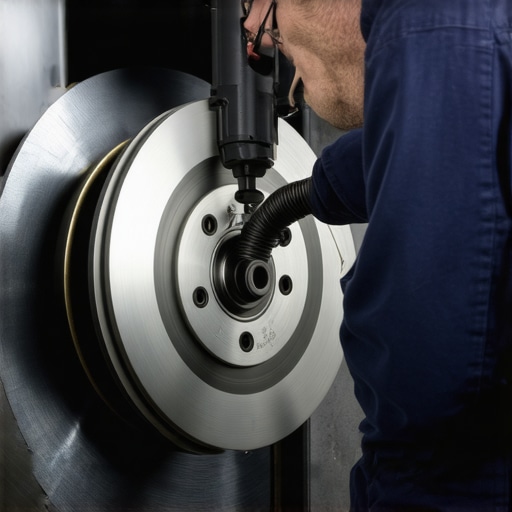
What Cutting-Edge Technologies Are Shaping the Future of Brake Safety?
Innovations such as adaptive brake systems, real-time wear monitoring sensors, and AI-powered diagnostic platforms are transforming brake maintenance. These advancements enable continuous health assessments and predictive analytics, allowing for proactive interventions before critical failures occur. Integration of vehicle-to-infrastructure (V2I) communication can further provide real-time alerts to drivers and technicians about brake system anomalies, reducing reliance on subjective assessments. Adopting these technologies not only enhances safety but also acts as a formidable barrier against fraudulent repair claims, as data-driven evidence becomes the cornerstone of service validation.
Counterfeit Components: The Hidden Menace and How to Combat It
Counterfeit brake components pose a significant threat to safety, often produced with inferior materials and lacking adherence to manufacturing standards. Recognizing authentic parts involves verifying serial numbers, inspecting packaging for authenticity seals, and cross-referencing part numbers with manufacturer databases. Technicians should source components exclusively from authorized distributors and utilize digital verification tools, such as QR code scanners linked to official catalogs. Educating consumers about the risks associated with low-cost alternatives or poorly packaged replacements further mitigates the infiltration of fakes. Industry collaboration and stringent regulatory enforcement bolster efforts to dismantle counterfeit networks, safeguarding both vehicles and drivers.
How do industry alliances drive better regulation against fake parts?
Collaborative initiatives among manufacturers, government agencies, and industry associations facilitate the development of universal authentication standards and faster detection of counterfeit parts. Platforms that enable real-time reporting and traceability, like blockchain-based supply chain management systems, significantly impede counterfeit circulation. Such alliances also promote consumer awareness campaigns, empowering vehicle owners to make informed purchasing decisions. Strengthening these partnerships ensures a resilient defense framework that upholds integrity within the aftermarket parts industry.
Psychology in Repair Decisions: Beware of Cognitive Biases
Technicians and consumers alike are susceptible to cognitive biases like confirmation bias or anchoring, which can influence diagnostic judgments and repair choices. Ongoing training in psychological awareness and decision-making protocols helps mitigate these biases. Regular calibration of diagnostic instruments and peer-review processes provide objective checks that reinforce adherence to standard procedures. Educated consumers, aware of typical scam tactics, can question recommendations and request detailed explanations, fostering a mutually transparent relationship that deters deceptive practices.
Empowering Customers with Knowledge to Detect Unnecessary Repairs
Providing vehicle owners with accessible educational resources enhances their ability to identify potential scams. Step-by-step guides on inspecting brake components, understanding diagnostic reports, and recognizing legitimate repair signs create a knowledgeable clientele. Encouraging second opinions and emphasizing the importance of detailed service reports further empowers consumers to make confident decisions. A well-informed customer community acts as an informal watchdog, urging repair shops to maintain honesty and uphold industry ethics.
Driving Better Outcomes Through Industry Transparency
Implementing transparent pricing models and detailed billing practices fosters trust and deters fraudulent activities. Digital inspection reports, complete with images and diagnostic data, offer visible proof of service rationale, reducing ambiguity. Initiatives like customer reviews and certification badges publicly demonstrate a shop’s commitment to quality and integrity. Such transparency measures not only enhance reputation but also serve as a proactive shield against scam operations that thrive in opaque environments, ultimately elevating the standard of brake service across the industry.
,
Expert Strategies for Trustworthy Brake Maintenance
Embrace Advanced Diagnostic Technologies to Prevent Fraud
Integrating ultrasonic testing, laser scanning, and digital impedance analysis elevates diagnostic accuracy, helping distinguish genuine wear from false claims. These tools serve as an objective basis for repair decisions, reducing the risk of unnecessary replacements and enhancing overall safety.
Prioritize Certification and Ethical Standards Among Professionals
Looking for ASE-certified technicians and shops committed to transparency ensures adherence to rigorous diagnostic protocols. Certification indicates ongoing education and ethical responsibility, serving as a shield against unethical practices like counterfeit parts and unwarranted repairs.
Adopt Proactive Maintenance and Customer Education
Regular routine inspections, combined with educating vehicle owners on brake system signs and diagnostics, empower them to recognize potential scams early. Knowledgeable clients and diligent maintenance routines work together to maintain brake integrity and prevent exploitation.
Invest in Industry-Trusted Resources for Deepening Knowledge
- Automotive Service Excellence (ASE): The gold standard for technician certification, promoting quality and ethical conduct.
- SAE International: Develops and maintains standards for automotive diagnostics and safety protocols.
- AutoCare Network and Regulatory Agencies: Facilitate the fight against counterfeit parts and support industry-wide integrity initiatives.
Reflect on How Innovation Shapes the Future of Brake Safety
Emerging AI-driven diagnostic platforms and real-time wear sensors promise to revolutionize brake service integrity. Embracing these technologies will not only impede fraudulent practices but also offer unprecedented precision, elevating trust and safety for drivers worldwide. Staying ahead demands a commitment to technological adaptation, continuous education, and unwavering ethical standards. Are you prepared to leverage these innovations for safer vehicle maintenance? Explore more at Trusted Brake Maintenance Resources and get ready to set new industry benchmarks.
http://Emily%20Carter
This post sheds crucial light on the challenge of distinguishing genuine brake needs from scams, especially with the rising sophistication of fraudulent practices. I particularly appreciate the emphasis on modern diagnostic tools like ultrasonic testing and laser scanning, which I believe are game-changers in ensuring accurate assessments. I recall a situation where a mechanic used ultrasonic sensors to detect micro-cracks that weren’t visible during a visual inspection, ultimately saving the vehicle from unnecessary repairs.
One thing I wonder about is the accessibility of such advanced diagnostics for the average car owner. How feasible is it for everyday consumers to verify these readings themselves, or should they rely entirely on trusted, certified technicians? Also, I’d love to hear others’ experiences with catching or avoiding scams in brake service. What signs did you look for, or what steps did you take to ensure you weren’t misled? Building awareness is key, and I think this post does a fantastic job of highlighting preventative measures that all drivers should keep in mind.