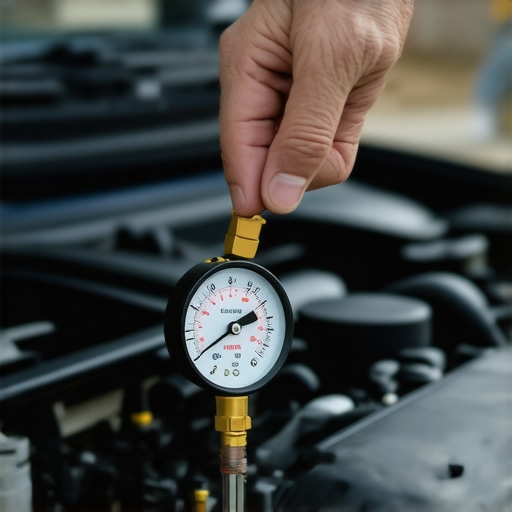
Fuel delivery is the lifeblood of internal combustion, yet the fuel pump remains one of the most misunderstood components in the auto repair ecosystem. Unlike a battery that fails with a clear click or a tire that visibly loses its tread, a fuel pump often enters a prolonged state of degradation long before it ultimately ceases to function. As a professional mechanic, I have observed that the transition from a healthy pump to a catastrophic failure is marked by subtle, high-frequency anomalies that a standard OBD-II scanner might miss if the technician isn’t looking for specific fuel trim data. Identifying these precursors is critical for maintaining vehicle uptime and ensuring that a routine tune up doesn’t ignore a ticking time bomb beneath the rear seat.
Why Your Engine Stalls Before the Fuel Pump Actually Dies
Thermal expansion and mechanical resistance are the primary drivers of fuel pump fatigue. When a pump begins to fail, its internal motor often generates excessive heat, which increases electrical resistance and reduces the volume of fuel it can displace. This is why many drivers experience a vehicle that runs perfectly for twenty minutes and then suddenly loses power. It is not just a random glitch; it is the pump’s internal windings expanding until the electrical circuit is compromised. During a comprehensive mechanic tips session, we look for this specific thermal-cutoff behavior. Furthermore, consistent operation with less than a quarter-tank of fuel deprives the pump of the cooling properties of the gasoline itself, accelerating wear. According to technical documentation from Bosch Fuel Supply Systems, maintaining adequate fuel levels is the single most effective way to prevent premature impeller cavitation.
Why Your Fresh Tune-Up Can’t Mask a Failing Pump
It is a common misconception that replacing spark plugs or ignition coils can compensate for a lack of fuel pressure. If the pump is unable to maintain the stoichiometric ratio required for combustion, your engine will experience lean misfires regardless of how strong your ignition system is. This is why I always recommend the 14 dollar fuel rail pressure test as a mandatory diagnostic step. Even if you have performed a high-level tune up, a pump that cannot maintain steady pressure under load will cause hesitation during acceleration. If you notice your vehicle struggling on inclines or when merging onto highways, the issue is likely hydraulic, not electrical. Much like how a neglected brake service leads to diminished stopping power, a weak fuel pump leads to a dangerous loss of throttle response when you need it most.
Moving Beyond Simple Pressure Tests with Advanced Diagnostics
Advanced diagnostics require looking at the amperage draw of the fuel pump motor. By using a digital multimeter or an oscilloscope, a technician can see the “signature” of the pump’s commutator. A healthy pump draws a consistent, low amperage, while a failing pump will show erratic spikes as the motor struggles to overcome internal friction. This level of analysis is what separates a DIY attempt from professional auto repair. You should also listen for the “death whine”—a high-pitched hum coming from the fuel tank area that indicates the pump’s bearings are seizing. Integrating this check with other regular maintenance, such as a brake service, ensures that the vehicle’s vital systems are monitored holistically. To ensure your vehicle stays reliable, you can use the 10 dollar multimeter hack to check the health of your fuel pump relay, which is often the silent culprit behind fuel delivery issues.
Is Your Fuel Pressure Drop a Leak or a Pump Failure?
This is a question that frequently surfaces in expert forums. The distinction lies in the behavior of the fuel system after the engine is turned off. If the pressure drops instantly, you likely have a faulty check valve within the pump assembly or a leaking fuel injector. If the pressure is low only while the engine is running, the pump’s motor is likely the weak link. If you suspect your fuel system is compromising your car’s reliability, I encourage you to review our ultimate tune up checklist to see if your pump is overdue for a professional inspection.
Stop Swapping Parts and Start Testing the Electrical Circuit
The electrical integrity of the fuel system is just as vital as the mechanical health of the pump itself. I have seen countless enthusiasts spend hundreds on a new assembly only to find the same stuttering issues persisted because they ignored the wiring harness. High resistance in a corroded connector can drop the voltage reaching the pump by 2 or 3 volts. This might not stop the pump from spinning, but it drastically reduces the RPM of the internal turbine, leading to a lean condition under heavy load. To diagnose this, perform a voltage drop test directly at the pump connector while the circuit is under load. Even a simple 20 dollar ground strap can sometimes resolve what appears to be a complex fuel delivery failure. Using an oscilloscope to view the pump’s amperage waveform can reveal a failing commutator long before the pump actually seizes. If you find yourself chasing “ghost” electrical issues, consider how the 18 dollar ground wire fix can stabilize the current for more than just your transmission, ensuring your fuel system receives the consistent power it demands.
Why Does Your Engine Starve Only During Sharp Left Turns?
This phenomenon is almost always tied to the fuel pump reservoir, commonly known as the “bucket.” Modern vehicles use a sophisticated plastic housing designed to keep the pump fully submerged in fuel even when the tank is low. If this housing is cracked or the one-way “umbrella valve” at the bottom is stuck open due to grit, the pump will ingest air the moment the fuel sloshes away from the center during a turn. This air ingestion causes an immediate drop in pressure, resulting in that terrifying “cut out” feeling when merging or exiting a highway. It is a nuanced failure that many general shops misdiagnose as a suspension or steering rack issue because the symptom is triggered by motion. If you have ever wondered why your engine stumbles only during left-hand turns, you are likely looking at a hydraulic failure within the tank’s baffle system. It is a critical distinction to make before authorizing an expensive rack-and-pinion replacement or an unnecessary fuel rail overhaul.
Don’t Let Tank Debris Sabotage Your High-Ticket Repair
The cleanliness of the fuel tank environment is a non-negotiable factor in longevity. When a pump undergoes mechanical failure, it often sheds microscopic metallic particles into the surrounding fuel. If these are not meticulously flushed from the tank, your brand-new pump will ingest them within its first few hours of operation, leading to premature bearing failure. Expert-level auto repair cost-saving tips always emphasize the “clean tank” rule to avoid the frustration of a repeat repair. Technical documentation from Delphi Technologies highlights that environmental contamination is the primary cause of “infant mortality” for replacement fuel modules. I always advise my clients to inspect the internal strainer for a varnish-like coating, which indicates old fuel is breaking down and clogging the system. This often happens in vehicles that sit for long periods. For those looking to keep their vehicle in peak condition heading into the next season, I suggest reviewing our latest essential tune up tips for 2025 to ensure your fuel system, ignition, and sensors are working in perfect harmony. Have you ever had a mystery stall that a mechanic couldn’t figure out? Leave a comment below and let’s talk through the diagnostics.
How Positive Fuel Trims Reveal a Dying Pump Early
Before a fuel pump fails to the point of a non-start, the Engine Control Module (ECM) will attempt to compensate for the dropping pressure. This is a critical window where a skilled mechanic can intercept a breakdown. By monitoring Long Term Fuel Trim (LTFT) through an OBD-II interface, you can see if the computer is adding more fuel—positive trim—to counteract a lean condition. If your LTFT is consistently above 10% at idle and climbs higher under load, the pump is likely struggling to keep up with demand. This diagnostic nuance is often missed during a basic auto repair check because it doesn’t always trigger a Check Engine Light immediately. Integrating this data analysis into your regular tune up routine can save you from a tow truck bill later. It allows for a proactive approach, identifying the gradual loss of volumetric efficiency before the vehicle enters limp mode.
Can a faulty driver module mimic a complete fuel pump failure?
Absolutely, and this is where many DIY enthusiasts lose money. In modern vehicles, the fuel pump is often controlled by a Fuel Pump Driver Module (FPDM) rather than a simple relay. This module uses pulse-width modulation to vary the pump’s speed based on engine load. When the FPDM begins to fail—often due to corrosion on its aluminum housing—it can send erratic signals that make a perfectly healthy pump behave like it is seizing. Before you commit to dropping the fuel tank, a task as labor-intensive as a full brake service, you must verify the duty cycle coming out of the module. If the module isn’t providing a clean ground path, no amount of new hardware in the tank will fix the stalling issue.
PWM Systems Demand More Than a Simple Voltmeter
The shift to Pulse Width Modulation (PWM) has changed the game for auto repair diagnostics. A standard voltmeter might show a steady 12 volts, but that reading is an average that masks the true story. You need an oscilloscope to see the frequency and duty cycle of the power being sent to the pump. A jittery waveform indicates that the driver module or the wiring harness is compromised. This level of sophistication is why I always emphasize that a modern tune up involves more than just swapping filters; it is an interrogation of the vehicle’s electronic nervous system. When the PWM signal is inconsistent, the pump’s impeller speed fluctuates wildly, leading to the erratic idle and hesitation that many confuse with bad spark plugs.
Why High Ethanol Content is Quietly Eating Your Fuel Seals
The chemical composition of modern fuel is a silent enemy to aging fuel systems. Most gasoline today contains at least 10% ethanol, which is hygroscopic, meaning it attracts moisture from the air. Over time, this moisture leads to phase separation and internal corrosion within the fuel pump’s metallic components. More importantly, ethanol is a potent solvent that can degrade the elastomers and O-rings used in older fuel modules. According to research published in SAE International Technical Paper 2012-01-0431, the interaction between ethanol-blended fuels and fuel system polymers can lead to significant swelling and loss of tensile strength. This degradation eventually results in internal leaks where the pump is effectively “bleeding” pressure back into the tank instead of the fuel rail. This is yet another reason why a professional mechanic will look at fuel pressure stability under heat-soak conditions. If you are noticing a hard start after the car has been sitting for only thirty minutes, the ethanol in your tank might be accelerating the demise of your fuel pressure regulator’s seat. If you’re serious about long-term reliability, checking your fuel system’s integrity is just as vital as staying on top of your brake service intervals. The chemistry of the fuel and the physics of the delivery system must be in perfect sync to maintain the performance levels demanded by today’s high-compression engines.
While return-less fuel systems simplified manufacturing by removing the need for a secondary line to the tank, they introduced a unique diagnostic hurdle known as the dead-head pressure spike. Without a return line to bleed off heat and air, the fuel rail becomes a trap for thermal energy during hot restarts. This often manifests as a heat soak lean condition where the engine starts but stumbles for thirty seconds before the fresh, cool fuel from the tank finally reaches the injectors. A professional mechanic differentiates this from a failing pump by checking the rest pressure over a twenty-minute window. If the system doesn’t hold at least 20 PSI after shutdown, your check valve is likely failing, and no amount of tune up chemicals will fix the long crank times.
Stop Ignoring the High-Pressure Pump’s Silent Partner
The advent of Gasoline Direct Injection (GDI) added another layer of complexity that many DIY enthusiasts overlook. The low-pressure lift pump in the tank must feed the camshaft-driven high-pressure fuel pump (HPFP) with absolute precision. If the lift pump’s volume—not just pressure—drops below the required threshold, the HPFP experiences cavitation. This process creates micro-bubbles that implode with enough force to pit the internal steel components of the pump. Research from SAE International Technical Paper 2017-01-2244 confirms that insufficient inlet pressure is a leading cause of mechanical HPFP failure, often misdiagnosed as an injector fault. Ensuring your lift pump is healthy is the best way to avoid a four-figure auto repair bill for a destroyed GDI system.
Does your direct injection engine shudder under light throttle?
Many drivers report a subtle fishbite sensation during steady-state cruising, which many shops misidentify as a torque converter shudder. However, this is frequently a symptom of high-pressure fuel fluctuations caused by a worn HPFP follower. This tiny component sits between the camshaft and the pump; when it wears thin, the pump’s stroke is reduced, leading to erratic fuel delivery that stays just below the threshold of a trouble code. This is why a holistic approach to vehicle health, including regular brake service and electrical inspections, is so vital. It allows you to catch these mechanical synergies before they leave you stranded on the shoulder of a highway.
Modern Vapor Lock Happens Even in Fuel Injected Cars
Vapor lock was once thought to be a relic of the carburetor era, but in the world of high-heat, high-compression engines, it has made a comeback. When modern fuel with a high vapor pressure sits in a hot rail, it can boil, creating air pockets that the injectors cannot spray effectively. This is particularly common in performance vehicles or those with neglected cooling systems. If you find your car runs perfectly on the freeway but dies the moment you hit stop-and-go traffic, you are dealing with a thermal management issue, not just a mechanical failure. Combining a cooling system flush with a thorough tune up ensures that the engine bay temperatures stay within the window where fuel remains in its liquid state. Have you experienced a mystery stall that only happens on hot days? Share your diagnostic journey in the comments so we can dissect the data together.
Expert Insights & Advanced Considerations
Scope Your Pump Signature Before It Quits
An oscilloscope is the only tool that truly reveals the health of a fuel pump’s commutator. By analyzing the amperage waveform, you can spot erratic spikes or dropouts that signal physical wear before the pump ever seizes. This is a level of mechanic tips that saves your clients from the frustration of an intermittent stall.
Why Pressure Is Often a Deceptive Metric
A pump can produce 50 PSI while moving almost no volume, a condition that leads to lean misfires under load. This is why the 14 dollar fuel rail pressure test must be coupled with a flow-volume test. If the pump can’t fill a quart container in 30 seconds, it is a liability regardless of what the gauge says.
Combat Ethanol Swelling in Legacy Seals
Modern ethanol-blended fuels are notorious for degrading older elastomers. When these seals swell and shrink, they create internal leaks that bleed rail pressure back into the tank. If you are struggling with cold starts, it may be time to consult our ultimate tune up checklist to verify if your older vehicle’s fuel components are compatible with today’s chemistry.
Protect Your HPFP From Destructive Cavitation
In Gasoline Direct Injection systems, the low-pressure lift pump is the first line of defense. If it fails to provide adequate volume, the high-pressure pump will cavitate, leading to catastrophic internal damage. Integrating this check into your regular auto repair cost-saving tips ensures you are not replacing expensive high-pressure hardware due to simple lift-pump fatigue.
#IMAGE_PLACEHOLDER_E#
Curated Expert Resources
SAE International Technical Database
This is the gold standard for peer-reviewed research on fuel system dynamics and component longevity. It provides the deep-dive data needed to solve the most complex diagnostic puzzles involving modern combustion physics.
Bosch Mobility Solutions Portal
As a primary OEM manufacturer, Bosch offers comprehensive documentation on fuel delivery architecture that goes far beyond generic repair manuals, focusing on system-wide electrical integration.
Delphi Technologies Resource Center
Delphi technical bulletins are essential for understanding the nuances of infant mortality in replacement fuel modules and how to prevent it through proper tank hygiene and preparation.
Final Expert Perspective
Mastering fuel delivery requires moving beyond simple parts swapping and embracing the physics of electrical draw and hydraulic flow. When you treat a tune up as a comprehensive interrogation of the vehicle’s health—from the ground strap integrity to the PWM duty cycle—you ensure long-term reliability. If you are ready to elevate your diagnostic game, check out our guide on how to choose a skilled mechanic who understands these advanced systems. What is the most difficult fuel delivery mystery you have ever solved? Join the conversation in the comments below and let us share our professional findings.