
Modern internal combustion engines are masterpieces of precision, yet they remain vulnerable to the byproduct of their own operation: carbon saturation. While most drivers focus on visible components during a tune up, the microscopic accumulation of polycyclic aromatic hydrocarbons on intake valves and injector nozzles often goes unaddressed. In the professional auto repair industry, there is a persistent debate regarding the efficacy of over-the-counter chemical solutions versus mechanical cleaning. However, recent advancements in detergent chemistry—specifically the use of Polyetheramine (PEA)—have bridged the gap between expensive shop-level services and preventative DIY maintenance. [image_placeholder]
Stop Ignoring the Carbon That Strangles Your Horsepower
Carbon fouling is not merely a cosmetic issue; it is a thermal and structural parasite that alters the engine’s compression ratio and disrupts the atomization of fuel. When a professional mechanic identifies a rough idle or a slight hesitation under load, the root cause is frequently a disrupted spray pattern rather than a catastrophic mechanical failure. According to research published by the Society of Automotive Engineers (SAE), high-quality fuel detergents can significantly reduce intake valve deposits (IVD) and restore lost fuel economy without a full engine teardown. This is where an $11 treatment, if formulated correctly, provides a return on investment that outshines more invasive procedures.
Does an Affordable Fuel Additive Really Replace a Professional Injector Service?
The short answer is: preventative versus curative. While a severe clog requires a pro to perform a direct-rail pressure flush, a periodic chemical treatment keeps these systems at peak performance for a fraction of the cost. If you find yourself needing frequent brake service due to stop-and-go city driving, your engine is also likely suffering from increased carbon buildup due to lower operating temperatures and frequent idling. Combining a high-quality fuel treatment with an inspection of your air intake system is a smart way to recover your MPG with a simple 12-sensor cleaning strategy.
The Science of PEA and Why Price Doesn’t Always Dictate Quality
Not all fuel additives are created equal. Many bargain-bin products rely on light distillates or kerosene that simply burn off without performing any real cleaning action. To find the $11 hero, you must look for high concentrations of Polyetheramine, the only nitrogen-based detergent stable enough to survive the high-heat environment of the combustion chamber to clean the piston tops. This isn’t just about saving money at the pump; it’s about long-term survival of the fuel delivery system and preventing premature catalytic converter failure. For those interested in deeper maintenance, you might consider the truth about engine flushes to see where chemistry meets mechanical necessity. If your vehicle still feels sluggish after a treatment, it may be time to contribute your findings to our community or reach out to a local expert for a comprehensive diagnostic scan.Even with the most advanced chemical detergents, an engine’s performance relies on a delicate trinity: fuel, air, and spark. If your fuel delivery is optimized but your ignition timing is hampered by worn electrodes, the cleaning process is only half-effective. Carbon deposits often migrate to the spark plug insulators, creating a secondary path for the current to track to ground instead of jumping the gap. This phenomenon leads to those ‘ghost misfires’ that many drivers ignore until a check engine light appears. When you are performing a deep-clean service, checking for the 12 spark plug boot error that causes mystery misfires is essential to ensure your new fuel chemistry actually has a chance to burn completely.
Why Your High-Dollar Spark Plugs Cant Fix a Poor Fuel Mix
A common misconception in the DIY community is that premium iridium or platinum plugs can compensate for a dirty intake system. In reality, a fouled valve acts as a sponge, soaking up a portion of the fuel spray and releasing it late in the combustion cycle. This creates a rich-lean oscillation that even the fastest ECU cannot perfectly correct. To maximize the efficiency of your internal combustion process, you must address the mechanical interface of the spark. Small oversights during installation can lead to the 8 spark plug gapping error that kills your power, effectively neutralizing any gains made by using high-PEA cleaners. 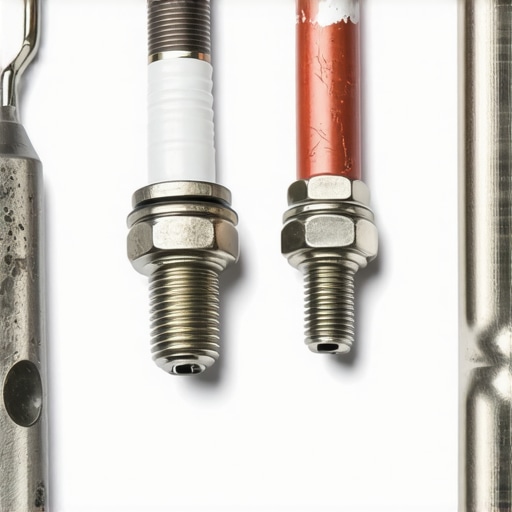
Can a Precise Gap Really Offset the Effects of Low-Tier Gasoline?
The physics of the spark gap determines the kernel size of the initial flame. When you use lower-quality fuels with higher olefin content, the ignition requirements become more stringent. A gap that is even 0.005 inches off can result in incomplete combustion under high load, which ironically creates the very carbon deposits you are trying to eliminate. According to the National Institute for Automotive Service Excellence (ASE), holistic maintenance that accounts for both the chemical state of the fuel and the mechanical integrity of the ignition system is the only way to ensure 100,000-mile reliability without significant power loss.
How the PCV System Feeds Your Engines Carbon Habit
While we often blame fuel quality for intake gunk, the real culprit is frequently ‘blow-by’ gases being recirculated through the Positive Crankcase Ventilation (PCV) system. These gases contain oil mist that, when combined with heat, bakes onto the back of your intake valves. If your PCV valve is stuck open or even slightly restricted, it increases internal crankcase pressure and accelerates carbon buildup. Proactive owners should investigate the 14 pcv valve fix that stops engine oil consumption to prevent this oily vapor from ruining their cleaning efforts. Furthermore, a restricted intake doesn’t just stop at the valves; it affects your overall volumetric efficiency. Ensure you aren’t falling for the 15 air filter mistake that costs you 3 mpg, as restricted airflow creates a higher vacuum that pulls even more oil vapor through the PCV system. Have you noticed a persistent drop in fuel economy despite regular oil changes? Share your experiences with carbon-cleaning techniques in the comments below, or suggest which component we should tear down next.
Direct Injection Engines Lose the Self-Cleaning Advantage
Modern Gasoline Direct Injection (GDI) technology has revolutionized power density and efficiency, yet it inadvertently created a “dry” intake environment that traditional cleaning methods struggle to reach. In older port-injected systems, the fuel-detergent mix acted as a constant solvent, washing the intake valves with every cycle. Without this wash-effect, GDI engines allow carbon to bake into a hardened ceramic-like layer that resists even the strongest tank-additives. This is why a strategic tune up for a GDI vehicle must involve an intake-tract cleaning service, specifically targeting the manifold and valve stems where fuel never reaches. If you have noticed a steady decline in responsiveness, you are likely feeling the physical restriction of this “carbon choke” tightening around your engine’s ability to breathe.
Can Premium High-Octane Gasoline Clean Dirty Intake Valves?
There is a persistent myth that switching to 93-octane fuel will “burn out” existing engine deposits. While premium fuels often contain higher concentrations of detergents (meeting Top Tier standards), they cannot chemically reach the back of intake valves in GDI engines, nor do they burn “hotter” in a way that incinerates hardened carbon. Octane is simply a measure of a fuel’s resistance to pre-ignition; it is not a cleaning agent in itself. Relying on high-octane fuel to fix a mechanical carbon issue is an expensive mistake that ignores the root cause of the buildup. 
Carbon Sponges and the Fuel Trim Feedback Loop
The feedback loop between your engine’s sensors and the ECU is where carbon’s impact becomes truly insidious. Large deposits on the intake valves act like a sponge, temporarily absorbing fuel during the intake stroke and releasing it unevenly during combustion. This phenomenon, known as “wall wetting,” confuses the oxygen sensors, leading to erratic fuel trim adjustments. When your mechanic sees “Long Term Fuel Trims” (LTFT) hovering above 10%, it indicates the ECU is working overtime to compensate for these invisible sponges. This constant correction degrades the lifespan of your catalytic converter and can lead to the very misfires you were trying to avoid. According to technical documentation from ASTM International, specifically regarding the ASTM D5800 evaporation loss test, the volatility of your motor oil plays a massive role here. Oils with a high NOACK percentage evaporate more easily, sending more oil-laden air through the PCV system to feed the carbon cycle. Choosing a boutique synthetic with low volatility is just as important as your fuel choice. To see how these variables impact your daily drive, try monitoring your live data via an OBDII adapter during a cold start; the numbers often tell a story that the dashboard warning lights miss. This data-driven approach to maintenance is what separates a parts-changer from a true diagnostic expert.
Why Thermal Management Prevents the Hardening of Soot
The temperature of your intake manifold and cylinder head determines whether carbon remains a soft, removable soot or a diamond-hard crust. Excessive heat soak, often caused by a cooling system that is “just okay” rather than “optimal,” accelerates the carbonization process. If your engine is running even 10 degrees hotter than designed due to a degraded thermostat or old coolant, you are essentially kiln-firing the oil vapor onto your valves. Integrating a cooling system check into your brake service interval ensures that your engine stays within the thermal window where detergents are most effective. Even the best PEA-based cleaner cannot easily dissolve carbon that has been subjected to thousand-mile heat cycles under suboptimal cooling conditions.
The phenomenon of Low-Speed Pre-Ignition (LSPI) represents the most destructive frontier of the carbon buildup crisis. In highly-strung, turbocharged GDI engines, microscopic carbon particles can break loose and remain incandescent within the combustion chamber. These ‘glowing embers’ trigger the ignition of the air-fuel mixture well before the spark plug fires, during the compression stroke. The resulting pressure spike is violent enough to crack piston ring lands or bend connecting rods instantly. While a standard tune up usually looks at external signs of wear, preventing LSPI requires a chemical strategy that addresses the specific interaction between calcium-rich motor oils and carbonaceous deposits. #IMAGE_PLACE_HOLDER_D#
Stop the Silent LSPI Threat Before It Shatters Your Pistons
Research conducted by the Southwest Research Institute (SwRI) has identified that the move toward ILSAC GF-6 oil standards was largely a response to this ‘super-knock’ phenomenon. The chemistry of your oil is now a critical component of your auto repair prevention strategy, as certain detergent packages can actually increase the likelihood of pre-ignition if they interact with carbon flakes. This makes the selection of a low-calcium, magnesium-based detergent oil essential for any modern direct-injected vehicle.
How Does Carbon-Induced Pre-Ignition Differ From Standard Engine Knock?
Unlike standard knock, which occurs after the spark, LSPI is stochastic and occurs before the spark, making it nearly impossible for traditional knock sensors to prevent via timing retardation. It is a pre-emptive strike by the engine against its own components, often triggered when heavy loads are applied at low RPMs.
VVT Solenoids Fail When Your Oil Turns to Sludge
The intricacies of modern engine timing rely on Variable Valve Timing (VVT) solenoids, which act as the hydraulic heartbeat of your camshafts. These precision components feature microscopic oil passages that are easily obstructed by the carbon-laden ‘sludge’ that forms when blow-by gases overwhelm your oil’s dispersants. When a mechanic finds ‘ghost’ timing codes (like P0011 or P0014), the culprit is often not a failed sensor, but a varnish-coated solenoid that can no longer actuate. This mechanical sluggishness directly mirrors the intake restriction caused by carbon, creating a compounded loss of torque. To ensure your VVT system remains responsive, consider how a brake service visit is the perfect time to perform a dedicated oil system cleaner application before the fresh oil goes in. Furthermore, don’t overlook the role of the intake air temperature (IAT) sensor. A carbon-coated IAT sensor becomes insulated, sending ‘lazy’ data to the ECU and causing improper fuel-to-air ratios that fuel the very carbonization you are fighting. Are you seeing ‘super-knock’ codes or erratic idle on your scan tool? Share your vehicle’s make and mileage in the comments so we can analyze the specific TSBs and diagnostic paths that fit your engine’s carbon profile.
Expert Insights & Advanced Considerations
How Carbon Sponges Mess with Your ECU
Persistent carbon buildup on intake valves creates a phenomenon known as “wall wetting,” where the deposits act as a physical sponge for incoming fuel. This causes erratic fuel trim data as the ECU attempts to compensate for a leaner-than-expected mixture, eventually leading to issues that require a professional mechanic to diagnose. By monitoring Long Term Fuel Trims, you can see these “invisible” deposits before they trigger a check engine light or cause permanent damage.
Why Your Oil Choice Matters for Turbo Safety
Modern direct-injected engines are prone to Low-Speed Pre-Ignition (LSPI), which can shatter pistons in seconds. The solution isn’t just a reactive auto repair fix; it is preventative chemistry. Switching to motor oils with magnesium-rich detergent packages significantly reduces the risk of carbon-triggered pre-ignition compared to traditional calcium-heavy formulations that often exacerbate the problem.
Stop Feeding Your Intake Oily Vapor
If your PCV system is neglected, you are effectively pumping a steady stream of oil mist into your intake manifold. This oil bakes onto the valves and creates a sticky substrate for more carbon to adhere to. Investigating the 14 pcv valve fix that stops engine oil consumption is one of the most cost-effective ways to break the carbon cycle and protect your intake tract from premature fouling.
Don’t Ignore the Airflow Restrictions
Even the best fuel detergents cannot overcome the physical laws of a restricted intake. When your air filter is clogged, it increases the vacuum pull on the crankcase, accelerating the ingestion of blow-by gases and soot. Avoid the 15 air filter mistake that costs you 3 mpg to ensure your cleaning efforts aren’t sabotaged by basic maintenance oversights that lead to rich-running conditions.
Curated Expert Resources
SAE International Technical Papers
The gold standard for empirical data on intake valve deposits and fuel detergent efficacy. Look specifically for studies on Polyetheramine (PEA) concentrations and GDI performance to understand the chemistry behind the bottle.
Southwest Research Institute (SwRI)
The leading authority on LSPI and super-knock. Their ongoing research helps define the oil standards required for modern turbocharged engines and identifies the role of carbon in catastrophic engine failure.
Top Tier Detergent Gasoline Standards
A voluntary standard supported by major automakers that ensures gasoline has the minimum detergent levels necessary to prevent engine fouling over a 100,000-mile lifespan.
ASTM International Oil Standards
Reference the ASTM D5800 test data for any synthetic oil you buy; this determines the NOACK volatility, which directly impacts how much oil vapor ends up baked onto your intake valves.
Final Expert Perspective
Managing carbon in a modern engine requires a move away from reactive maintenance. By combining high-PEA fuel treatments with a rigorous understanding of oil chemistry and PCV health, you can maintain factory-level responsiveness and prevent the performance degradation that many drivers simply accept as aging. This holistic approach to auto repair ensures that you are not just treating symptoms, but actually optimizing the mechanical environment of your engine for longevity. Have you noticed a shift in your vehicle’s performance after a deep chemical clean? Reach out to our community with your data or check out our tune-up your car like a pro guide for more advanced diagnostic strategies.